China Magnesium Market Sees Slower Decline in First Week of July, Quotes at 15,800 Yuan/Ton
en.Wedoany.com Reported - After a period of sustained price declines, China's magnesium market saw a slowdown in its downturn during the first week of July, with prices showing signs of bottoming out and stabilizing. At the start of the week, the market maintained a weak and stable consolidation, with some downstream users restocking at lower prices, leading to an increase in transaction volumes. Subsequently, supported by cost pressures, factories strengthened their willingness to hold prices, and the market stabilized. In the latter part of the week, bottom support became more pronounced, with downstream players adopting a wait-and-see attitude, reducing trading activity.
As of July 3, the mainstream ex-factory cash price including tax for 99.9% magnesium ingots in Fugu, Shaanxi, was quoted at 15,800 yuan/ton, with mainstream transaction prices at 15,750 yuan/ton, a slight decrease of about 50 yuan/ton from the previous Friday. Prices in other major production areas followed suit with adjustments.
Looking back at the magnesium market in the first half of 2026, constrained by the fundamental oversupply situation, the recovery in demand from downstream application sectors fell short of expectations. Coupled with a concentrated resumption of production capacity in the second quarter, market circulating supply continued to accumulate, leading to a sustained decline in magnesium prices starting from the second quarter, repeatedly hitting new lows for the year. Chinese magnesium smelters generally faced operational pressures. Entering July, persistent high temperatures across China increased temperature control and energy consumption costs for smelting production. The traditional off-season for demand weighed on order volumes, exacerbating pressure on factory shipments and payment collections, further highlighting the operational challenges in the industry.
In terms of trading, the concentrated restocking by downstream players at the beginning of the week boosted transaction volumes. In the following days, the pace of procurement slowed, with only rigid production replenishment remaining in the market. Most downstream enterprises still had buffer inventory space and no urgent need for concentrated restocking, generally adopting a wait-and-see stance for lower entry prices. On the production side, at current price levels, factories generally faced production losses, with per-ton losses continuing to widen. Coupled with high temperatures raising operational costs, factories' willingness to further lower quotes to clear inventory significantly diminished, leading to a stalemate between buyers and sellers.
According to market research feedback, although magnesium prices have temporarily stabilized, downstream procurement remains cautious. Industry insiders generally believe that the current loose supply-demand pattern has not seen substantial improvement, and the wait-and-see sentiment among end-users is unlikely to reverse in the short term. Future attention should focus on the progress of summer maintenance shutdowns at magnesium plants in major production areas such as Fugu.
On the demand side, July is traditionally an off-season for the magnesium industry, making it difficult to see a significant increase in end-user procurement in China. Overseas markets are gradually entering the summer holiday period, leading to a reduction in export orders. Both domestic and international demand are weakening simultaneously, making it challenging to provide effective upward support for magnesium prices. On the supply side, conditions remain stable, with a limited number of factories planning maintenance shutdowns. Short-term supply remains ample, and the loose supply-demand pattern is unlikely to reverse in the near term. Relying solely on demand recovery to drive price increases is difficult. Additionally, at current price levels, most magnesium factories are operating without profits or even incurring continuous losses. Coupled with the increased difficulty of on-site operations due to high temperatures in July, cost-side support leaves limited room for price reductions.
Considering multiple factors, it is anticipated that the potential for further deep declines in magnesium prices in the short term is largely closed. The Chinese magnesium market is expected to maintain weak and stable consolidation this week, with prices fluctuating within a narrow range. Future attention should focus on two key variables: first, the follow-up strength of rigid downstream procurement, and second, the actual implementation of concentrated summer maintenance shutdowns at core production area factories such as those in Fugu, Shaanxi.
Related Products


Industrial and Commercial Point-Type Gas Detector
Jinan Benan Technology Development Co., Ltd.

CKD135E Pure Electric Wide-body Dump Truck
Jiangsu Changkuang Engineering Machinery Co. Ltd.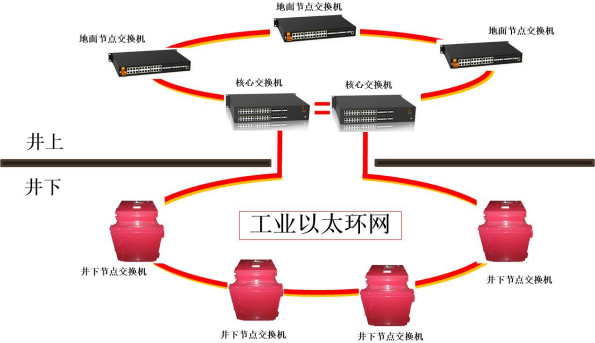
Mine Explosion-proof and Intrinsically Safe Industrial Ethernet Ring Network (10 Gigabit/Gigabit)
Chongqing Mas Sci&Tech Co., Ltd.
Quick-Change Single-Seat Control Valve / Quick-Change High-Pressure Single-Seat Control Valve
Beijing Consen Automation Technology Co., Ltd.
CITIC Heavy Industries Metallurgical Equipment Steel Smelting Engineering Equipment
CITIC Heavy Industries Co., Ltd.
1050-1750mm Steel Strip Single-stand Reversible Cold Rolling Production Line
MCC-SFRE HEAVY INDUSTRY EQUIPMENT CO., LTD.