en.Wedoany.com Reported - Indian Prime Minister Narendra Modi visited Melbourne this week to meet with Australian Prime Minister Anthony Albanese, focusing on discussions regarding critical minerals, trade, and defense and security cooperation. Uranium producers are expected to benefit the most from closer economic ties between the two countries, while exporters of commodities such as critical minerals, copper, and coal are also poised to gain.
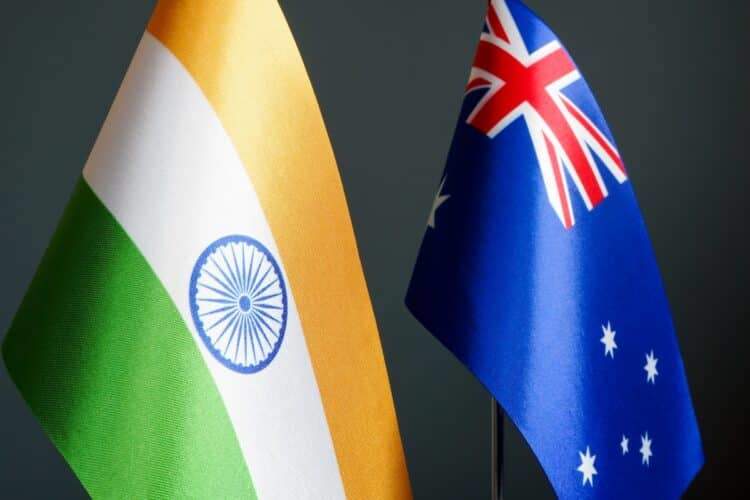
According to The Australian Financial Review, the two leaders will explore expanding the agreement on uranium exports to India. Australia and India signed a civil nuclear cooperation agreement as early as 2014, but actual export volumes have remained limited due to safeguard requirements that uranium be used only for peaceful purposes such as electricity generation. When asked about the prospects of a uranium agreement, Albanese hinted that a related announcement might be made after the meeting. "We have had constructive engagements, and I look forward to jointly announcing a number of items," he told reporters.
India is accelerating its nuclear energy investments to meet electricity demand driven by artificial intelligence, data centers, and industrial growth, planning to add 18 new nuclear reactors by 2032. Since the first export in 2017, uranium shipments between India and Australia have been relatively small; increasing imports from Australia would significantly alter the trade landscape between the two nations.
Prior to this visit, Australia and India had already strengthened cooperation under the Quad Critical Minerals Initiative, which is advanced alongside Quad partners including the United States and Japan, focusing on diversifying supply chains in mining, processing, refining, and recycling. The four countries plan to mobilize up to $20 billion in government and private sector funds to fill gaps in critical mineral supply chains. Resources Minister Madeleine King stated that the initiative is part of an overall strategy to build alternative supply chains for critical minerals and rare earths, and that government support for projects such as Arafura Rare Earths demonstrates that international cooperation is driving new progress. The agreement has also facilitated collaboration in project investment, permitting, geological mapping, resource assessment, and the extraction of critical minerals from recycled materials.
Australia has already reaped commercial benefits from India's growing demand for critical minerals. Arafura's Nolans rare earth project recently signed a binding offtake agreement to supply up to 500 tons of neodymium-praseodymium oxide (NdPr) annually to an emerging Indian rare earth magnet manufacturer. The initial term of the agreement is five years (with a possible two-year extension), aligning with India's goal to establish a production capacity of 6,000 tons of permanent magnets per year under a $1.2 billion government incentive program.
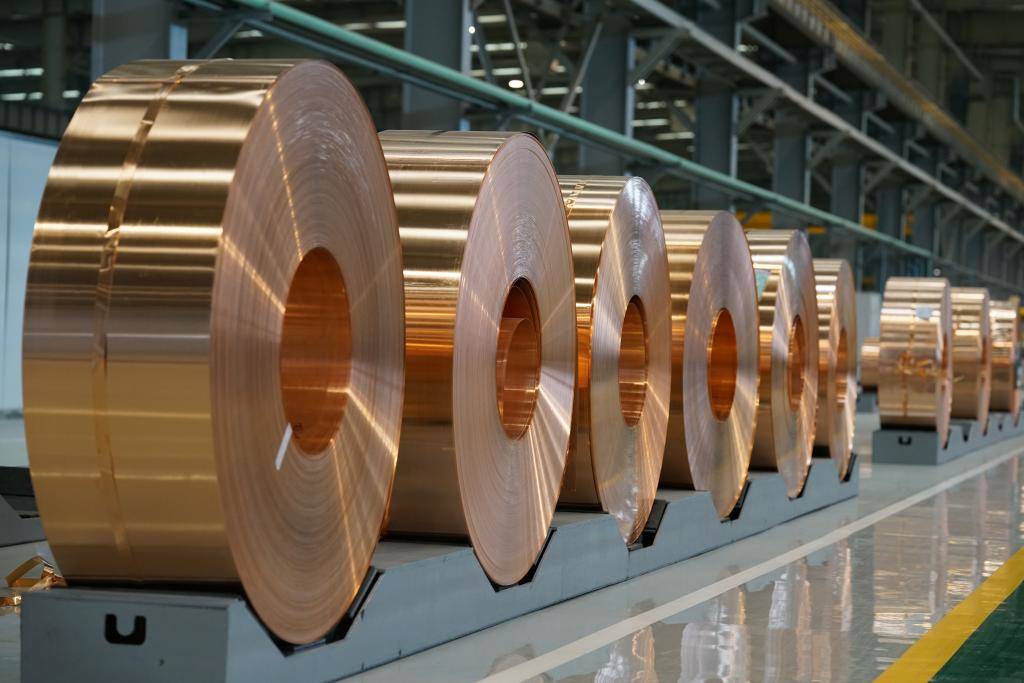
India has also become a significant market for Australian copper. In the 12 months ending April 2026, copper exports from South Australia reached a record A$5.2 billion, with India purchasing A$1.32 billion—a 195% year-on-year increase—making it the state's largest export destination. In terms of coal, India is also one of the fastest-growing markets, with demand expected to continue rising as its steelmaking capacity expands and energy consumption increases. Stuart Bocking, CEO of Coal Australia, noted that in 2025, Australia remained India's largest supplier of metallurgical coal, with December shipments up nearly 40% year-on-year. He stated that India's plan to increase steel production capacity to 300 million tons by 2030 and further to 500 million tons by 2047 provides strong long-term demand for Australian metallurgical coal; since 2020, Australian thermal coal exports to India have also been steadily growing.