German EMAG Technology Expert Introduces Complete Process Chain for Precision Machining of Steering Gears
en.Wedoany.com Reported - Germany EMAG (EMAG) Soft Gear Machining Business Unit Head Konstantin Ungefuk introduced the complete process chain for steering gear manufacturing. Steering gears are core components of modern automotive steering systems, requiring extremely tight tolerances in mass production, with pre-heat treatment machining meeting DIN 7-8 standards and post-heat treatment machining meeting DIN 7 standards. This poses comprehensive challenges in dimensional accuracy, surface quality, and process stability.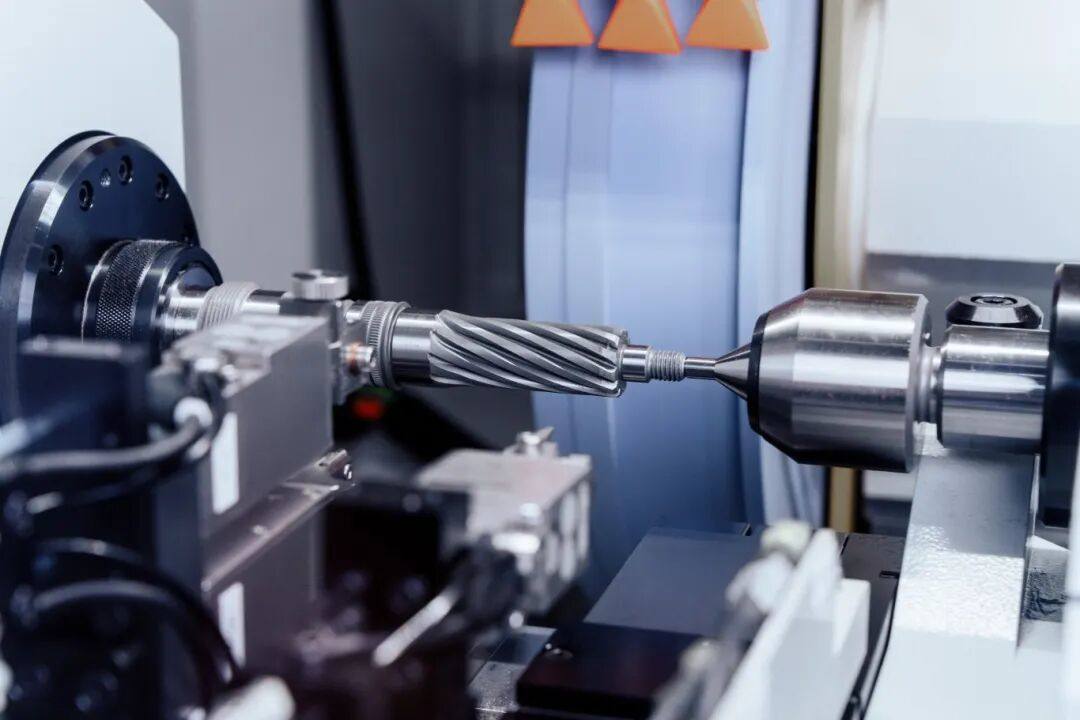
The manufacturing process of steering gears consists of four main steps. The first step is rough turning of 14NiCr14 forgings, strictly controlling radial runout tolerances to ensure the precision foundation for subsequent machining. The 14NiCr14 material exhibits good soft-state machinability here while possessing necessary tensile strength characteristics after quenching. The second step involves soft-state hobbing using the K 160 gear hobbing machine before quenching, where the gear is formed in a soft state, with allowances reserved on bearing seats and tooth flanks for subsequent hard machining. The third step involves case hardening or induction hardening, followed by precision grinding of bearing seats on the WPG 7 machine to correct quenching-induced deformation. Finally, through skiving on the K 160 machine, the quenched gear is machined to final quality standards.
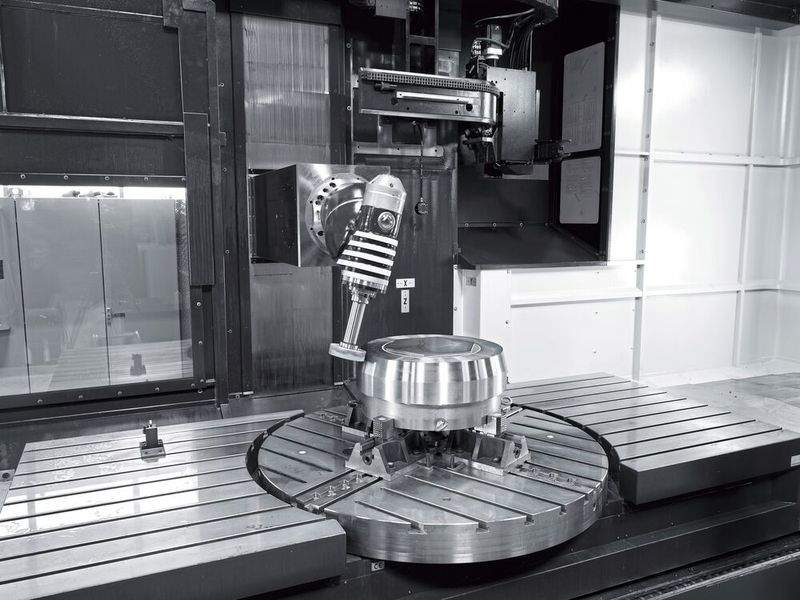
The K 160 gear hobbing machine is specifically designed for high-productivity applications, with hob speeds up to 12,000 rpm and a maximum shift stroke of 160 mm, optimizing tool economy over its lifespan. The machine is equipped with an automation system featuring a gantry and dual-rotating grippers, enabling workpiece loading within seconds, reducing non-productive time and enhancing process reliability. In the hard machining stage after quenching, the K 160 is again used for skiving, but parameters are adjusted for hard material processing. The machine's high rigidity, combined with appropriate cutting speeds and tool profiles, corrects quenching deformation and ensures required surface quality. Skiving here replaces costly generating gear grinding processes, with cycle times per workpiece below 30 seconds, depending on tooth count and geometry.
The WPG 7 grinding machine is equipped with high-precision displacement measurement systems on the X and Z axes, and the machine body features good thermal stability, maintaining stable working conditions during continuous operation. This machine is suitable for workpieces up to 250 mm in length and 30 kg in weight, correcting bearing seat deformation caused by quenching through precision grinding. An in-process measurement system continuously monitors grinding operations, promptly identifying and correcting deviations without interrupting machining, ensuring bearing seat accuracy, which directly affects the running smoothness and service life of steering gears.
Overall process reliability is ensured by the thoughtful design of the machines: both machines feature thermally stable bases to reduce temperature fluctuations, integrated position detection during workpiece loading ensures correct positioning of each part, and automatic loading/unloading systems minimize human errors and maintain constant conditions. These measures collectively constitute key elements for ensuring process reliability in mass production.
Related Products



CAP1400 main feedwater flow nozzle flowmeter.
Jiangsu Hongda Instrument Technology Co., LTD.
QLZNGJ Intelligent Steel Reinforcement Trolley
Luoyang China Railway Qiangli Machinery Co., Ltd.
Strip Coating and Plating Production Line Equipment
MCC-SFRE HEAVY INDUSTRY EQUIPMENT CO., LTD.
High-Speed Flexible Fully Automatic Stamping Production Line
JIER Machine-Tool Group Co., Ltd.