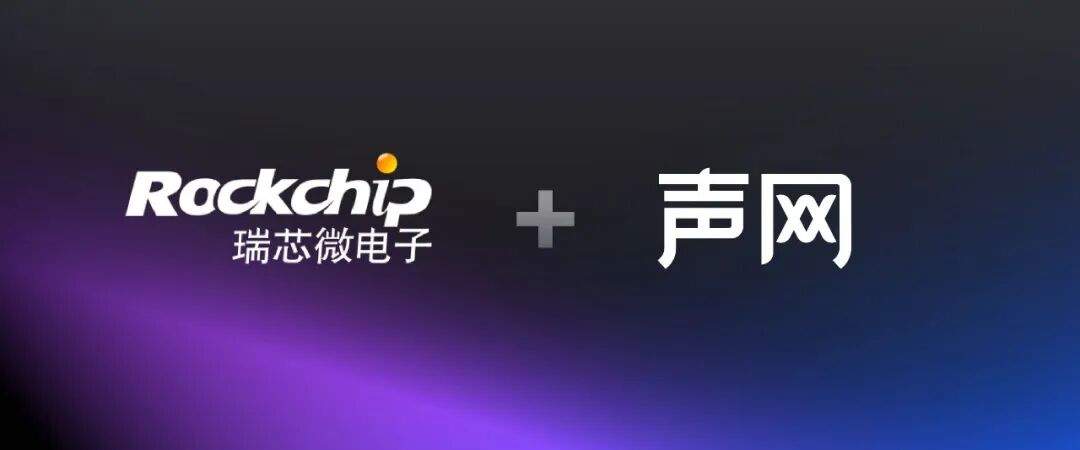
China's Rockchip and Agora Jointly Launch Robot Parallel Control Solution with Latency Below 200 Milliseconds
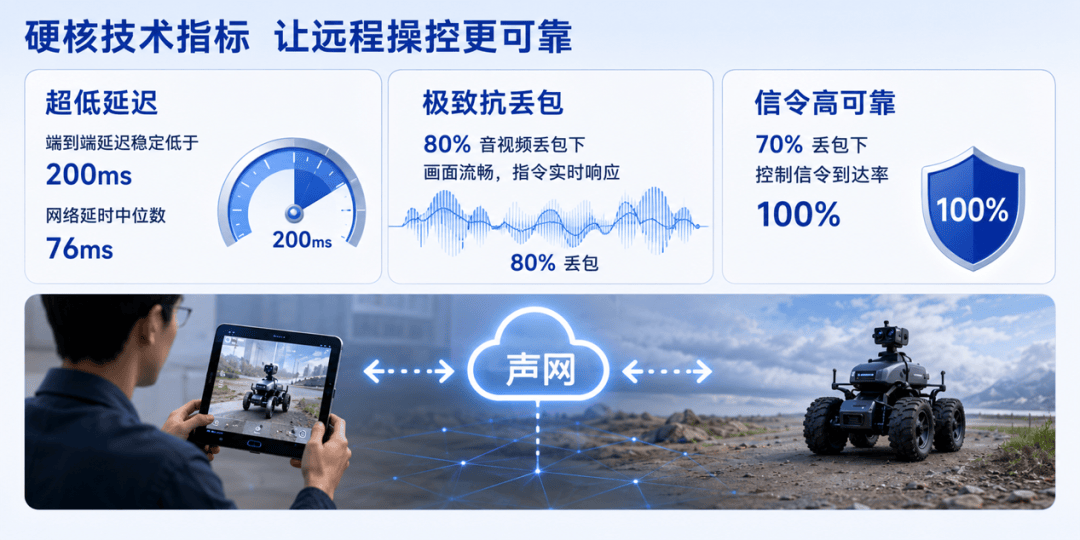
en.Wedoany.com Reported - China's Rockchip and real-time engagement service provider Agora have jointly launched a standardized robot parallel control solution. This solution is built on Rockchip's main robot chips, the RK3588 and RK3576, as the hardware foundation, deeply integrates the self-developed Rockit multimedia framework, and incorporates Agora's RTC audio/video and RTM real-time signaling capabilities. Under 4G, 5G, and Wi-Fi network environments, the solution's end-to-end latency is consistently below 200 milliseconds, with a median network latency of just 76 milliseconds, providing standardized remote video transmission and real-time human intervention capabilities for all types of robots.
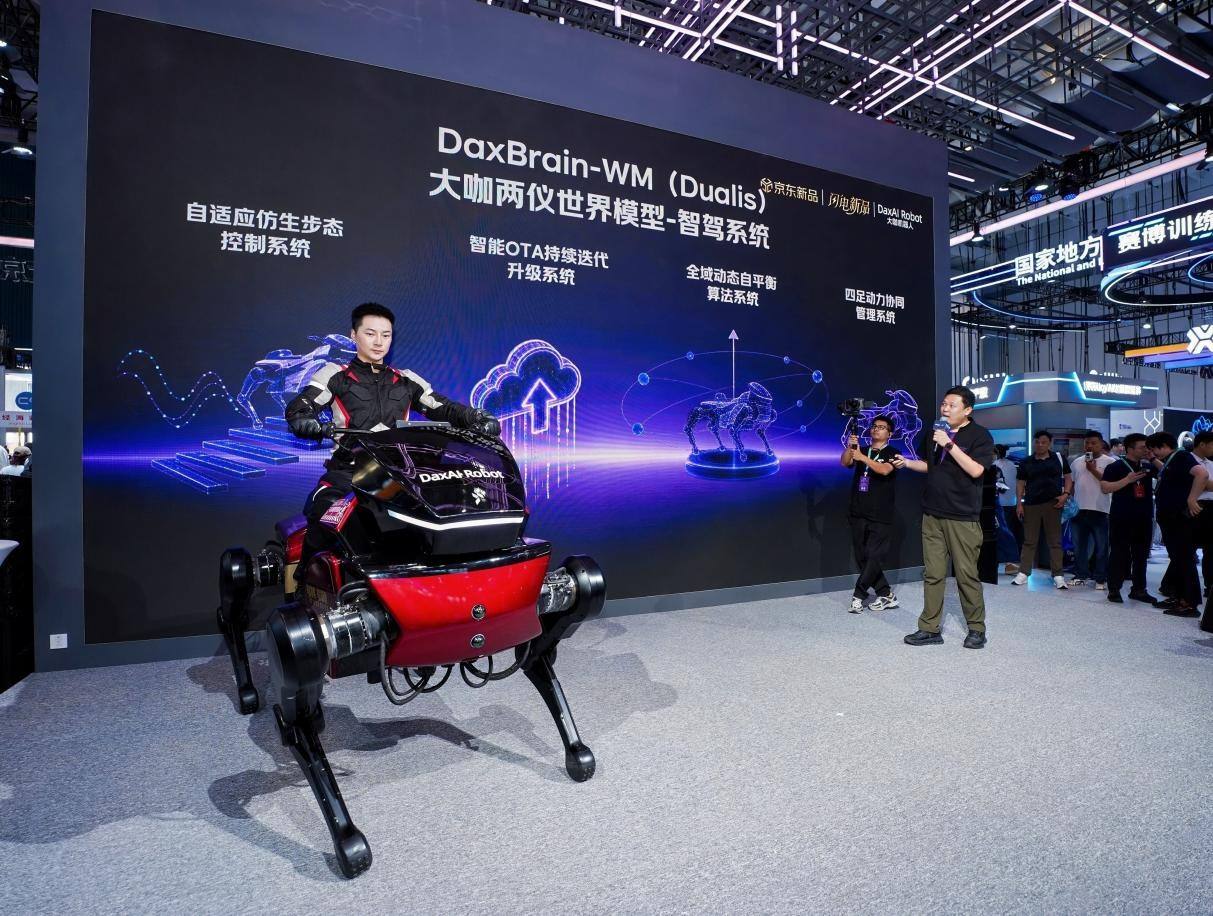
The current service robot market is growing rapidly, with strong demand for devices such as quadruped robots, lawn mowing robots, and industrial inspection robots. Parallel control is a core necessity for achieving human-machine integration in robots, but the industry commonly faces challenges such as fragmented communication solutions, long development cycles, and susceptibility to control failure in weak network environments. This newly released software-hardware collaborative solution leverages the underlying chip computing power of Rockchip to connect the complete chain from the device side to the cloud, aiming to reduce development costs for manufacturers.
Parallel control serves as the safety foundation for the large-scale deployment of robots. While robots' autonomous navigation and obstacle avoidance capabilities can handle routine scenarios, unknown situations such as debris in factory areas, steep outdoor slopes, or sudden household obstacles require human remote takeover. In complex real-world environments, ultimate human intervention is a long-term necessity, and parallel control is the safety guarantee for commercial robot applications. Previously, manufacturers often developed their own communication links, with debugging cycles lasting months, and weak network environments frequently led to video stuttering and command loss. Rockchip's RK3588 and RK3576 have become mainstream robot main control chips in the industry. This deep underlying joint optimization enables devices equipped with this chip series to natively possess stable remote control capabilities.
This solution is not a simple interface integration but a full-chain joint optimization from Rockchip's chip instruction set to cloud signaling. Its core relies on Rockchip's self-developed Rockit framework for hardware acceleration. The Rockit framework adopts a modular architecture, uniformly encapsulating underlying functions such as capture, encoding/decoding, and image preprocessing, shielding the complex underlying logic of the chip. Agora has performed dedicated adaptation based on this framework, allowing direct access to Rockchip's hardware encoding/decoding units, reducing multi-layer data conversion losses, thereby lowering latency and shortening development cycles.
In terms of chip computing power hardware support, the RK3588 features an octa-core CPU and a self-developed NPU with 6 TOPS of computing power, supporting multi-channel 8K hardware encoding/decoding, and can simultaneously run multiple tasks such as SLAM perception, AI recognition, and high-definition video transmission. The RK3576, with its heterogeneous architecture, balances real-time control and low power consumption. Rockchip's main control chips have been supplied in volume to leading robot companies such as Unitree, Deep Robotics, Ecovacs, and Geek+, serving as a universal robot computing platform.
In terms of framework-hardware collaborative optimization, the Rockit media pipeline is deeply integrated with Agora's real-time communication engine, achieving hardware acceleration across the entire process of audio/video capture, encoding, transmission, and rendering, balancing control real-time performance with overall low power consumption.
According to joint testing by both parties, the solution's core measured performance metrics are outstanding. End-to-end latency is below 200 milliseconds, and in most scenarios, it can be as low as 150 milliseconds, with a median network latency of 76 milliseconds, providing natural and synchronized control feedback. Under conditions of 80% audio/video packet loss, the video feed remains continuous, and remote control is uninterrupted. When control signaling packet loss reaches 70%, the delivery rate of commands such as turning, grasping, starting, and stopping approaches 100%. The entire solution, leveraging the underlying chip computing power, addresses the core pain points of remote control, helping to eliminate safety concerns for commercial device deployment.
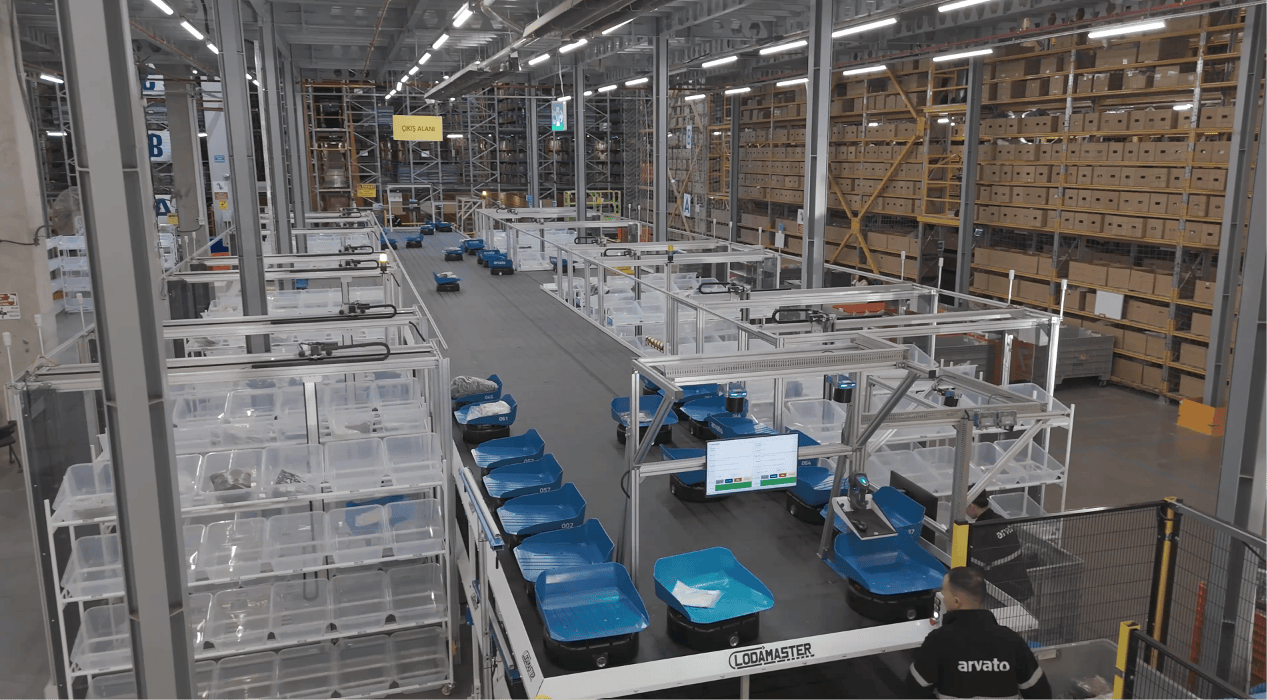
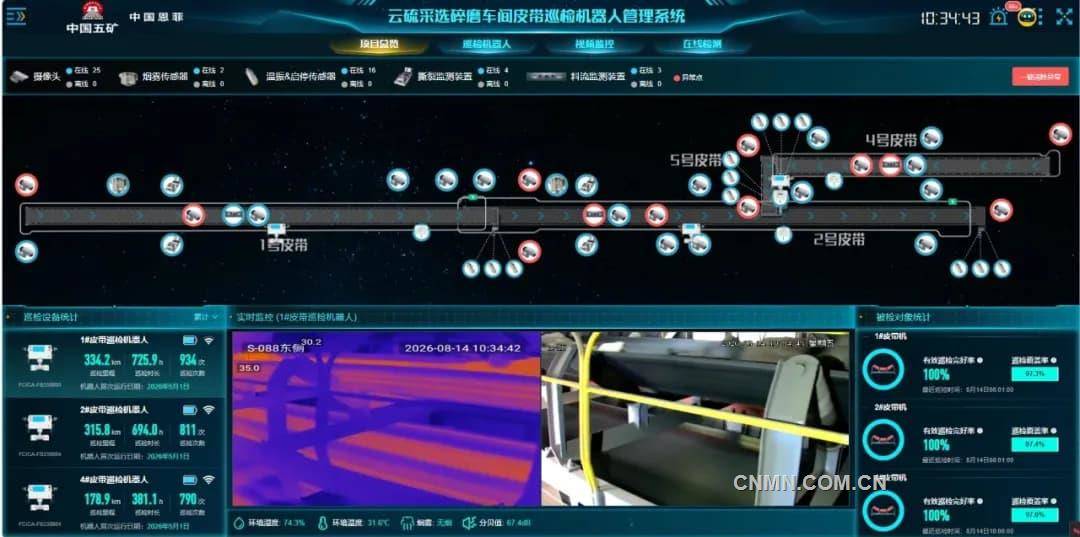
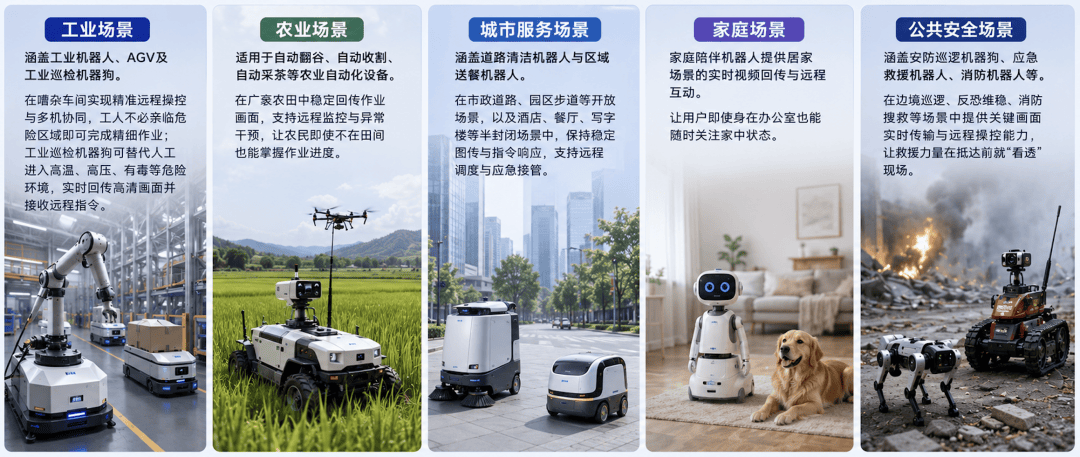
Leveraging the balanced computing power of Rockchip chips, this solution covers five major application areas. In the industrial sector, it is suitable for robotic arms, AGVs, and inspection robot dogs, enabling remote operations in hazardous workshops and multi-machine collaborative scheduling. In agriculture, it can be used for harvesting, tea-picking, and lawn mowing robots, enabling real-time field video transmission and remote fault handling. In urban services, it supports cleaning and food delivery robots, ensuring stable scheduling in open park environments. In the home sector, it can be applied to companion and vacuum cleaning robots, supporting mobile remote viewing and real-time interaction. In public safety, it is suitable for firefighting and border patrol equipment, meeting the needs for real-time video transmission from dangerous sites and remote handling.
Any team developing robots based on the RK3588 or RK3576 can directly contact Agora or Rockchip to obtain a complete development demo, enabling rapid integration of parallel control capabilities and shortening the product time-to-market.
Related Products


Pneumatic high-pressure wear-resistant ball valve
Zhejiang Deca Control Valve Meter Co., Ltd.

CAP1400 main feedwater flow nozzle flowmeter.
Jiangsu Hongda Instrument Technology Co., LTD.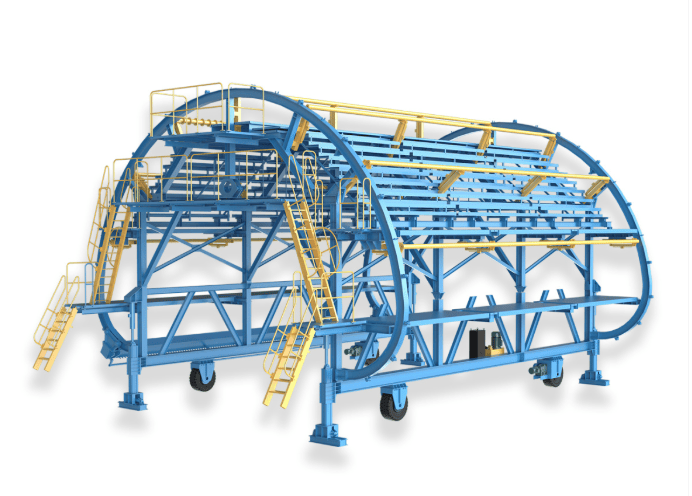
QLZNGJ Intelligent Steel Reinforcement Trolley
Luoyang China Railway Qiangli Machinery Co., Ltd.
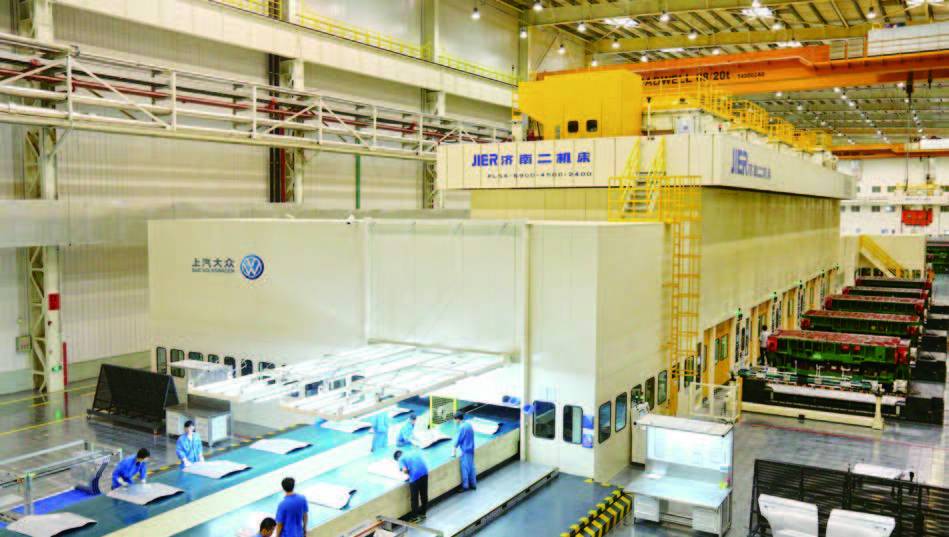
High-Speed Flexible Fully Automatic Stamping Production Line
JIER Machine-Tool Group Co., Ltd.

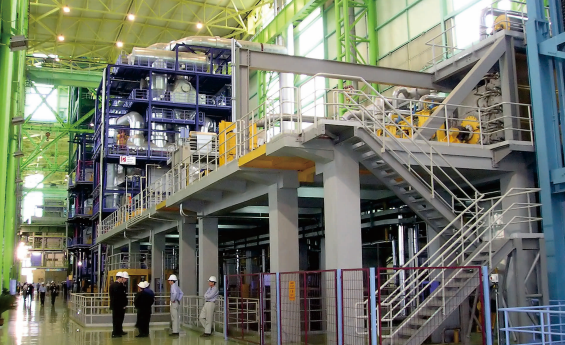
Strip Coating and Plating Production Line Equipment
MCC-SFRE HEAVY INDUSTRY EQUIPMENT CO., LTD.