Freeport LNG Plans 22-Month Decommissioning of Regasification Equipment
en.Wedoany.com Reported - The U.S. Federal Energy Regulatory Commission (FERC) opened a comment period on July 8 for Freeport LNG's regasification terminal disconnection project. The project plans to dismantle import and regasification equipment at the Quintana Island, Texas facility, which has been unused for over a decade. Comments on the environmental scope of the project must be submitted by 5:00 p.m. Eastern Time on August 3, under docket number CP03-75-000.
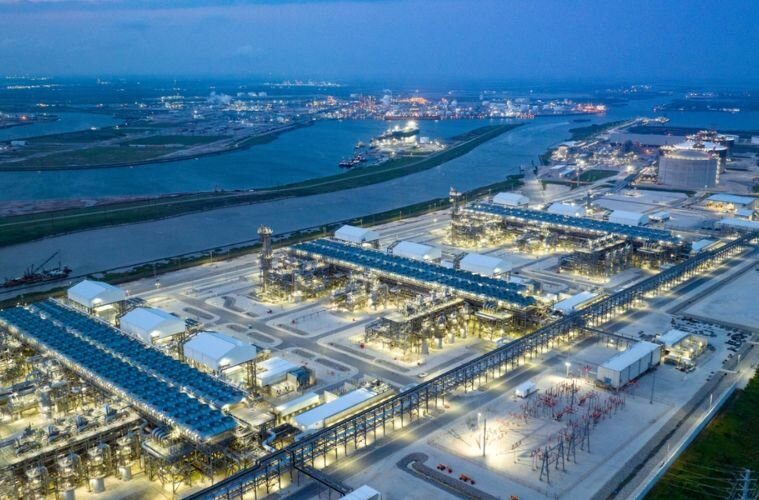
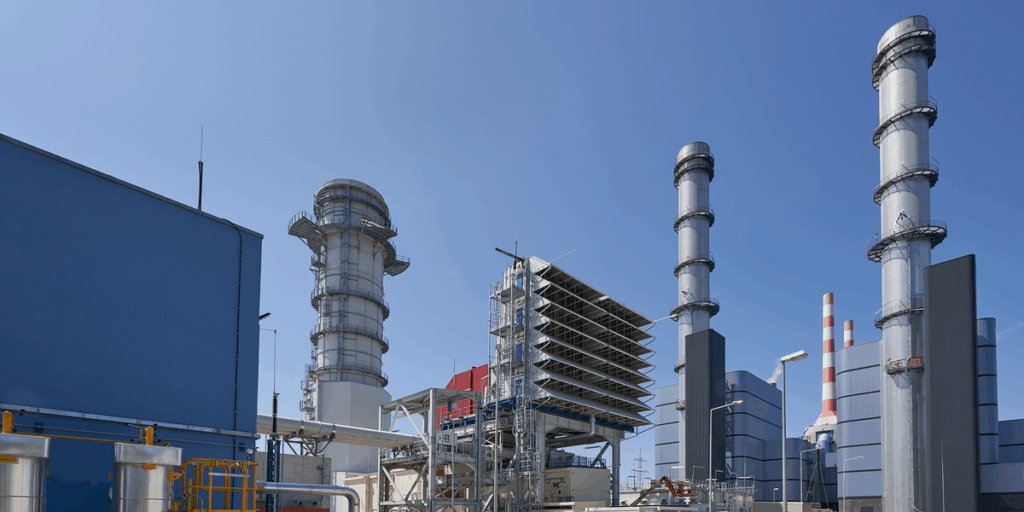
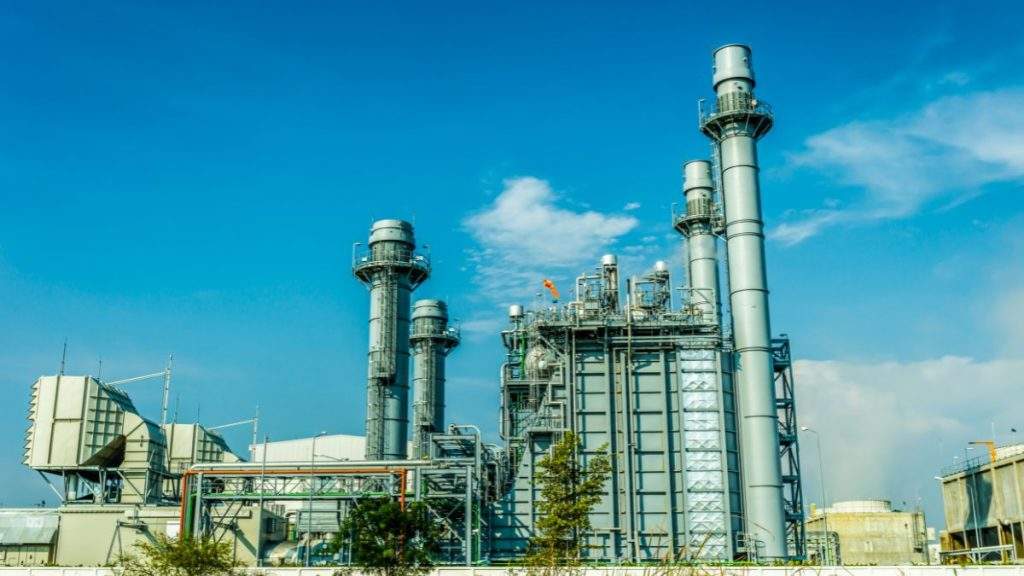
The disconnection project involves physical removal: separating the regasification facility from the liquefaction operations at the same site, and removing associated pipelines, equipment foundations, and paving. Freeport LNG estimates the work will take approximately 22 months (including the design phase), with dismantling and retrofitting requiring about 12 months, primarily conducted during daytime hours six days a week. The project covers approximately 13 acres within the existing terminal fence line, all of which are controlled by the company and will continue to be used in subsequent export operations. The U.S. Department of Transportation's Pipeline and Hazardous Materials Safety Administration has requested to participate as a cooperating agency, and FERC is separately consulting with the State Historic Preservation Office under Section 106 of the National Historic Preservation Act.
Replacing this import project is a more significant transformation. Freeport LNG utilized the existing storage tanks, docks, and pipeline connections of the import terminal to build liquefaction trains, commencing commercial export operations in December 2019. The facility has since become one of the largest LNG export terminals in the United States, with a fourth train under development. Other U.S. LNG operators are also seeking to expand export capacity within their existing footprints, a model echoing how Freeport repurposed its import-era infrastructure rather than building an export terminal from scratch.
The regasification dismantling is procedurally a routine filing. But it closes the chapter on a set of infrastructure that was nearly obsolete upon activation, revealing how energy infrastructure built under certain market assumptions can become stranded long before its physical assets wear out. In Freeport's case, the company found secondary uses for nearly all equipment except the regasification units. Companies now evaluating new energy infrastructure are performing the same calculation in reverse, seeking to avoid building capacity for a demand landscape that may look vastly different fifteen years from now.
Related Products
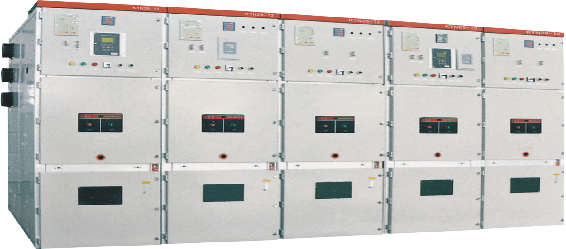

KYN28-12/24 Indoor High-Voltage Metal-Clad Removable Switchgear
Shenzhen Zhaoyang Hui Technology Co., Ltd.
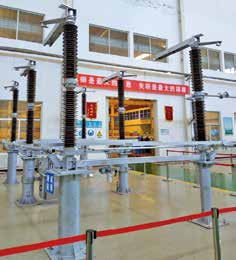
GW4-40.5/72.5/126/145/170/252/363/420 Series Double-column Horizontal Rotary High-voltage AC Disconnect Switch
SHANDONG TAIKAI DISCONNECTORS CO., LTD.
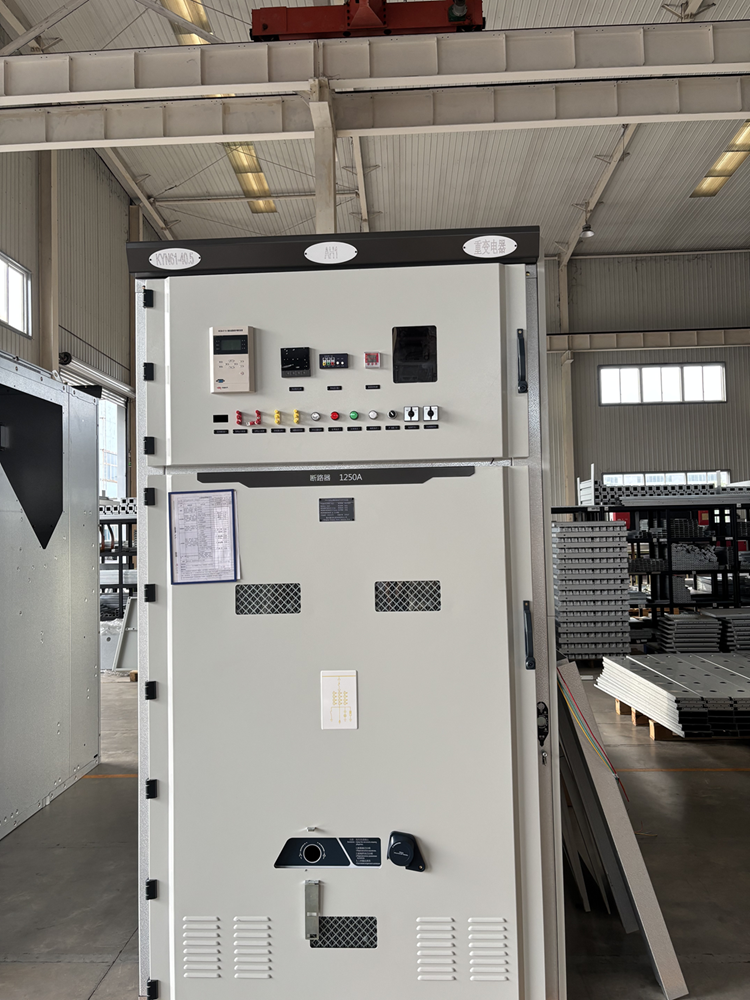
KYN61-40.5 Indoor AC Metal-clad Removable Switchgear
Chongqing Transformer Co., Ltd.
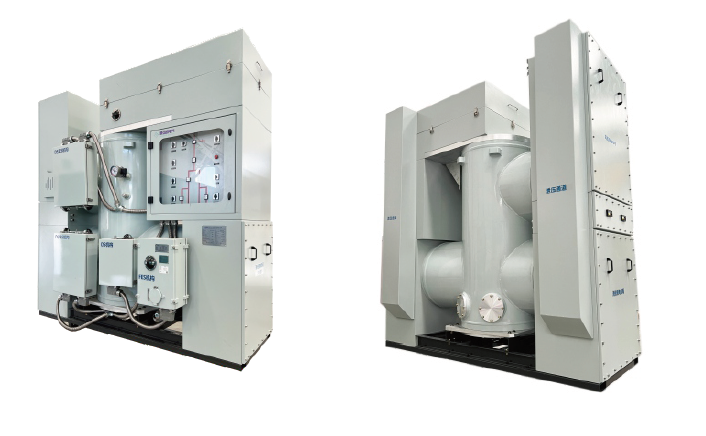
72.5kV 1250A 31.5kA SF6 free Gas-insulated Metal-enclosed Switchgear
Zhejiang Juhonkia Intelligent Electric Co., Ltd.
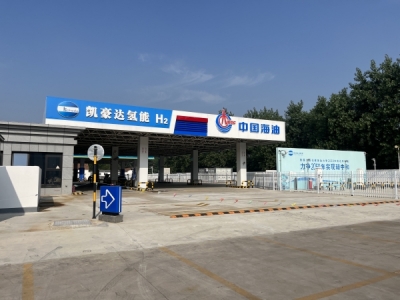
Hydrogen production and hydrogenation charging refueling gas integrated energy station
Shenzhen Kohodo Hydrogen Energy Co., Ltd.
Prefabricated Houses and Electrical Energy Boxes
Chengdu Ruilong Machinery Manufacturing Co., Ltd.
G.652.D Wavelength-extended Non-dispersion Shifted Single-mode Optical Fiber
HONGAN GROUP CO., LTD.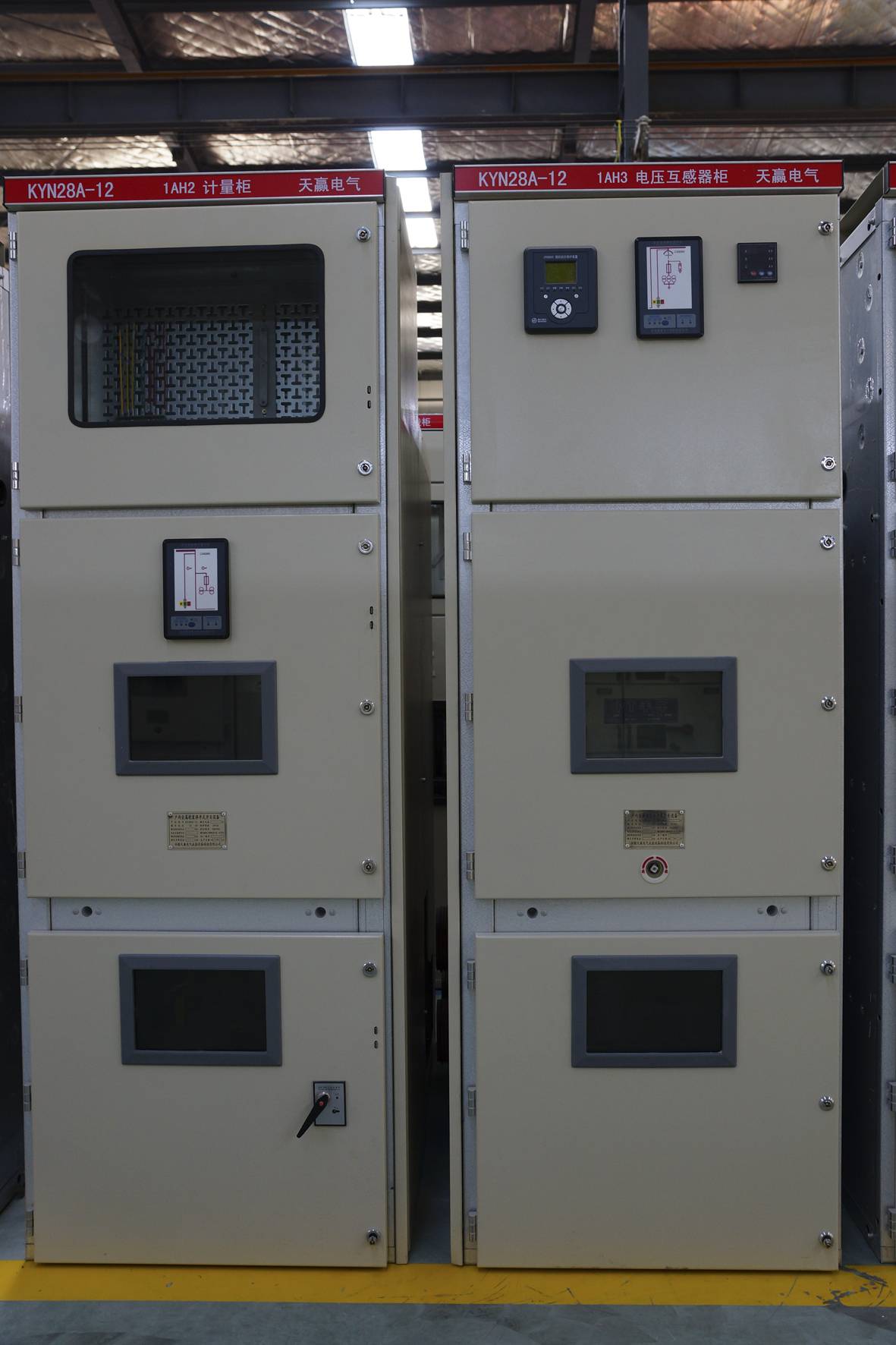
KYN28 - High Voltage Switchgear
Anhui Tianying Electrical Equipment Manufacturing Co., Ltd.