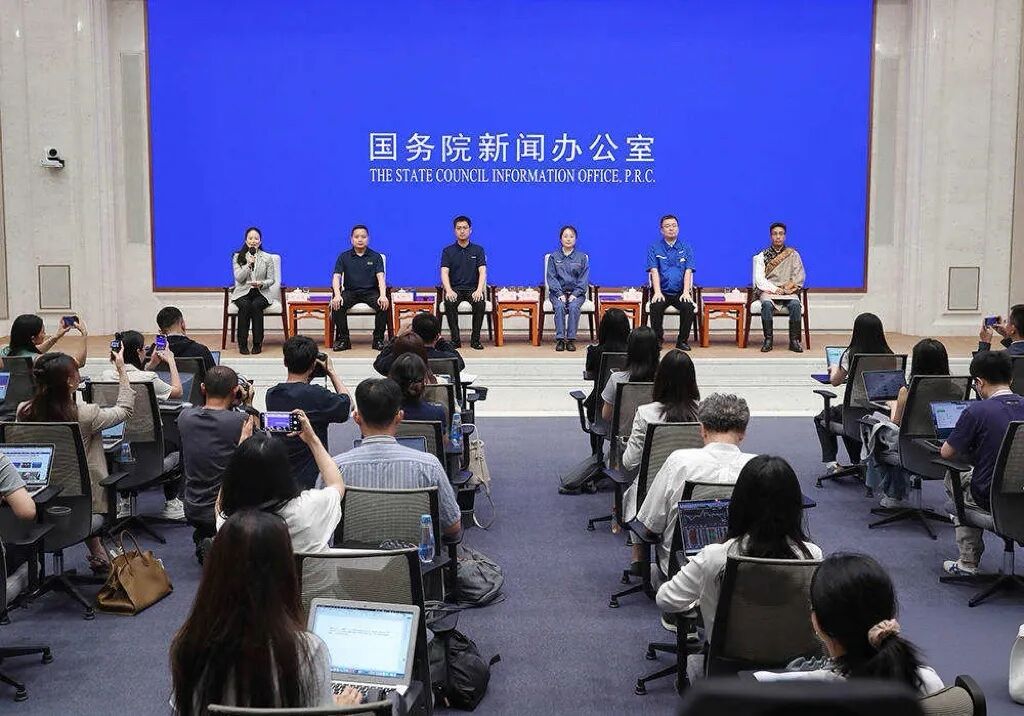
en.Wedoany.com Reported - Hao Yali, a member of the innovative R&D team for "hand-tearable steel" at China Baowu Taiyuan Iron and Steel Group's Stainless Steel Precision Strip Company, stated at a press conference held by the State Council Information Office on July 8 that the team's developed "hand-tearable steel," scientifically known as stainless steel precision foil, has achieved a minimum thickness of 0.015 mm with a width exceeding 600 mm. This material is used for battery packaging films in new energy vehicles, increasing battery capacity by 17% under the same volume. The team previously successfully mass-produced a 0.02 mm thick specification capable of withstanding 200,000 bends in 2018, which has been applied in high-end electronic communication fields such as foldable screen phones and 5G communications. To develop "hand-tearable steel," the team spent over two years, conducted nearly a thousand experiments, and overcame 452 technical challenges and 175 equipment issues.
Hao Yali introduced that one of the most difficult challenges for the team was the development of mask substrate materials. Mask substrates are key consumables for OLED screen display technology, requiring extremely high material purity and surface flatness. A material the size of a phone screen needs to be punched with over 2 million micro-holes, and any defect can cause the entire roll to be scrapped. The team spent over three years overcoming ultra-pure control of steel quality and ultra-flat control of foil technology. In the early stages of mass production, the customer's processing yield rate did not meet standards. After analysis with the customer, it was found that the steel strip surface had numerous tiny indentations. The team reviewed the entire process, introduced a surface inspection instrument to ensure quality control of each meter of material, and broke through cleanliness control technology during foil production, establishing over 300 control points at different levels and a quality issue feedback mechanism. R&D personnel visited customer sites multiple times for tracking and debugging, revising over 30 sets of process documents. In March 2024, the material yield rate met standards, and in September of the same year, stable mass production of mask substrates was achieved.
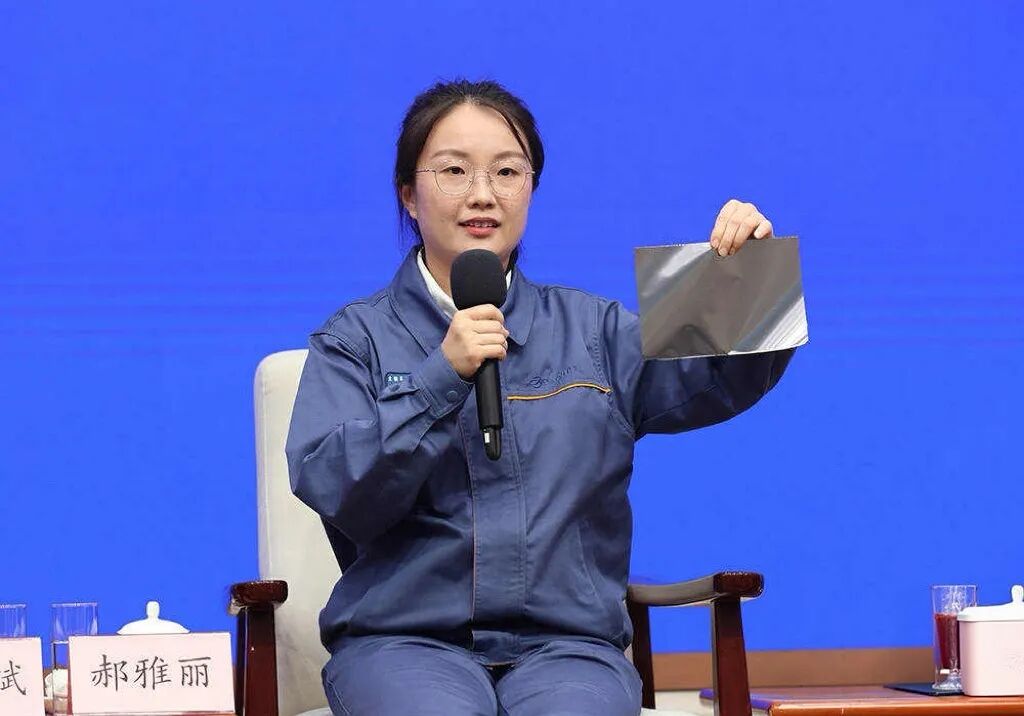
Hao Yali is responsible for quality system construction and customer complaint management in the team, with a work principle of resolving issues at the source process. She stated that through the establishment of a full-process quality system, minor issues reported by customers are effectively closed, and training is used to foster a quality culture that does not accept, generate, or pass on defects. She believes that maintaining a technological advantage cannot rely on a single product and requires continuous iteration and upgrades. The team leverages collaborative innovation with China Baowu's Central Research Institute, implementing a generational management system of "producing one generation, developing one generation, and pre-researching one generation," strengthening full-process quality control to ensure efficient implementation of R&D products.