en.Wedoany.com Reported - Japan's Shimizu Corporation plans to introduce AI-powered humanoid robots to construction sites around the 2030 fiscal year to handle tasks such as painting and plastering, aiming to alleviate labor shortages in the construction industry.
Currently, research and development of construction robots are mostly focused on single tasks such as rebar tying, material transport, and site surveying. While these robots can efficiently perform specific tasks, they struggle to adapt to other work scenarios. Construction sites often have numerous steps and staircases, limiting the mobility of wheeled robots; construction tools and equipment are also mostly designed for human hands.

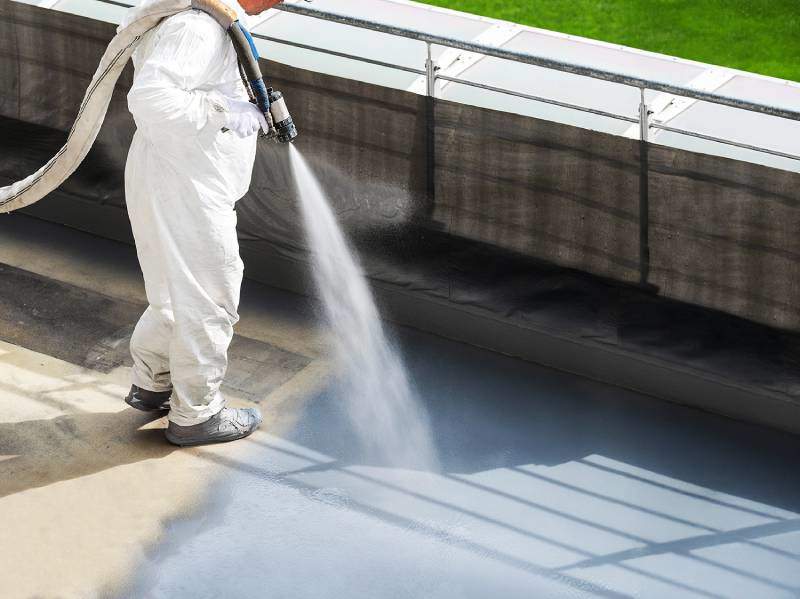
Shimizu aims to combine its robotic arm technology for painting and plastering with humanoid robot control systems to create humanoid robots that can be easily deployed on construction sites.
As a first step, the company conducted a robot inspection test from April to May this year at the Torch Tower project in Tokyo, which it is constructing. Upon completion, Torch Tower will become Japan's tallest building. During the test, Shimizu used a humanoid robot from Unitree Robotics, equipped it with a camera, and combined it with a system that uses artificial intelligence to analyze images in real time. The results showed that the robot could autonomously walk and inspect at a speed of approximately 1 meter per second, even in complex construction sites cluttered with equipment and building materials.
Meanwhile, Shimizu is also developing robotic arms for specialized construction tasks such as painting and plastering. In January this year, the company introduced a remotely operated robotic arm from US-based Trossen Robotics, which can transmit tactile feedback from the arm's movements to the operator in real time. Shimizu is using this system to capture the tacit construction experience of skilled workers and use the data to train AI models.
In the future, the company plans to integrate these two technologies to develop humanoid robots capable of autonomously moving around construction sites and performing various tasks such as painting. According to the plan, the company will develop an AI system to control the upper body of the humanoid robot by the 2026 fiscal year, and gradually expand to full-body control between the 2027 and 2029 fiscal years. Shimizu has not yet decided which humanoid robot model it will adopt for official deployment.
In addition to Shimizu, other Japanese construction companies are also advancing the use of robots on construction sites. A consortium of Japan's five major general contractors is jointly developing a robot system for material transport, construction assistance, and engineering inspection. However, this project is currently focused on specialized autonomous robots, requiring reinstallation, adjustment, and modification for each construction process. Even in China, which leads in humanoid robot applications, their practical use on construction sites remains relatively limited.
Labor shortages have become a major challenge for Japan's construction industry. According to a survey by Japan's Ministry of Internal Affairs and Communications, as of 2025, the number of skilled construction workers in Japan stands at 2.99 million, a 24% decrease from 20 years ago. This decline has occurred against a backdrop of overall employment growth in Japan, driven by an increase in female and elderly workers. At the same time, the aging workforce in the construction industry is making it difficult to pass down traditional skills such as plastering. In 2025, workers aged 55 and over accounted for 37% of the construction industry workforce, while those aged 29 and under accounted for only 12%; in comparison, the averages across all industries in Japan were 33% and 17%, respectively.
The labor shortage in the construction industry will have a profound impact on Japan's economy. Currently, urban renewal projects across Japan are beginning to adjust their plans. If the number of construction workers continues to decline, approximately 25% of the country's water supply networks, which have exceeded their design lifespan, along with other infrastructure, will be difficult to renovate in a timely manner in the future. Although humanoid robots still need to overcome challenges such as operational stability, work precision, and cost control before large-scale deployment, they are expected to help the construction industry alleviate labor shortages, improve production efficiency, and reduce the need for humans to perform high-risk tasks.