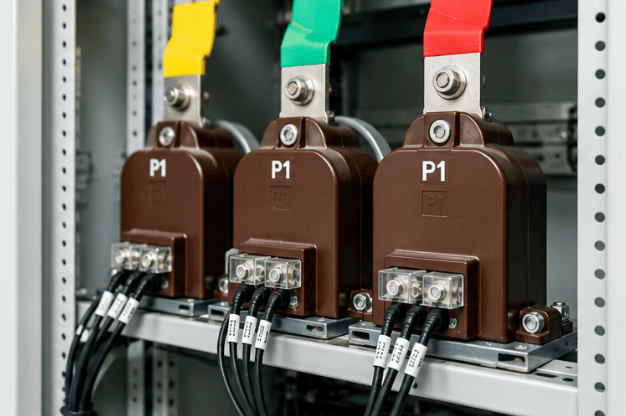
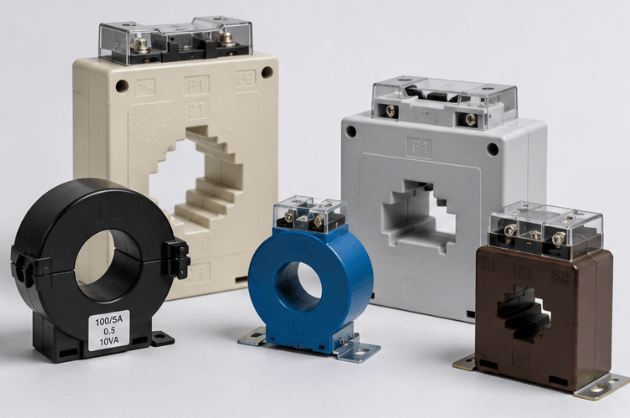
en.Wedoany.com Reported - In power system protection, the Current Transformer is the key link between the primary circuit and the protective relay. Whether a circuit breaker trips in time, whether a line fault is correctly identified, and whether transformer differential protection operates reliably all depend on the quality of the current signal supplied by the transformer.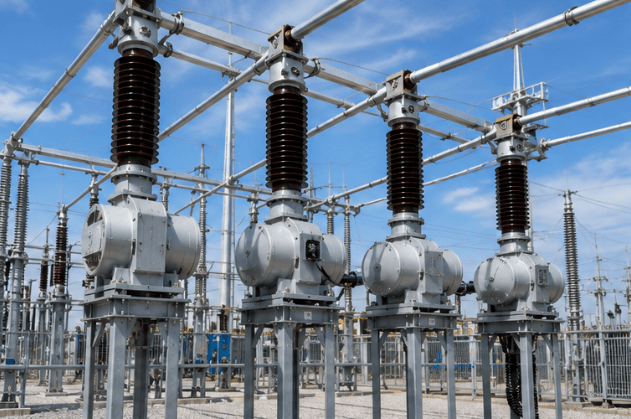
As short-circuit levels change, distributed generation expands and protection systems become more digital, the transient performance and saturation resistance of protection current transformers are receiving more attention. CT saturation is one of the most important risks in relay protection. When a short circuit occurs, the primary fault current may be much higher than the normal load current and may include a DC offset component. If the magnetic core saturates, the secondary current waveform becomes distorted and no longer accurately represents the primary fault current.
This distortion can create serious protection problems. A relay may fail to trip, trip incorrectly or operate with delay. In transmission, distribution and industrial power systems, these failures can affect equipment safety, system stability and outage scope.
Protection current transformers have different priorities from metering current transformers. Metering units emphasize high accuracy in the normal load range. Protection units must maintain useful output during fault current, heavy current impact and transient conditions. Engineers need to select the appropriate protection class according to protection type, short-circuit current level, relay requirements, line impedance, secondary burden and grounding method.
In transformer protection, line protection, busbar protection and motor protection, CT configuration also involves installation position and polarity coordination. Differential protection depends heavily on synchronized and consistent current signals from multiple sides. If ratio, polarity, accuracy limit or saturation characteristics are mismatched, the protection system may misjudge the operating condition.
The development of digital protection and smart substations will further increase requirements for current signal quality. Conventional electromagnetic current transformers will remain widely used, while electronic transformers, merging units, sampled value transmission and online condition monitoring will continue to develop. For suppliers, stronger anti-saturation design, insulation reliability, test verification and protection-system compatibility will become important requirements for advanced grid projects.