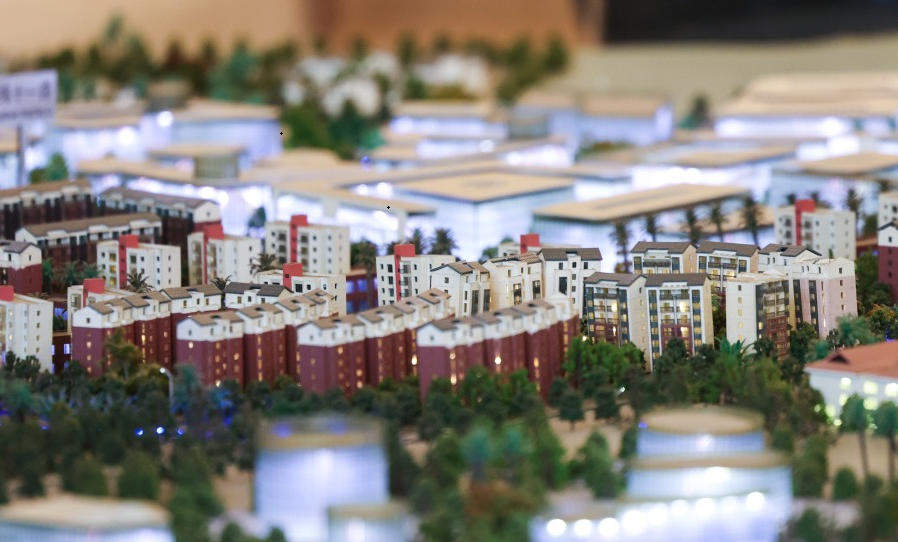
en.Wedoany.com Reported - Fall River Health Services, a nonprofit medical center in Hot Springs, South Dakota, has invested $2.3 million in a subdivision project called Cascade Hills to build 48 affordable housing units near the hospital campus, addressing employee housing shortages. The total infrastructure cost for the project is $3.4 million, with the hospital covering the majority of the funding.
As of May 29, the hospital had 19 job vacancies, accounting for about 10% of its required 190 employees, most of which are direct patient care positions. Chief Financial Officer Jesse Naze stated that over the past few years, dozens of potential healthcare workers have declined job offers due to the lack of affordable or suitable local housing.
This project represents a new initiative by South Dakota employers to address worker housing issues. Previously, Rick Hustead, president of Wall Drug, provided mobile homes and other accommodations for over 100 seasonal employees, while businesses in Keystone offered recreational vehicles as housing for summer workers on H-2B visas. Chas Olson, executive director of the South Dakota Housing Development Authority, noted that this is the state's first project where an employer directly invests in permanent housing that will benefit the community long-term.
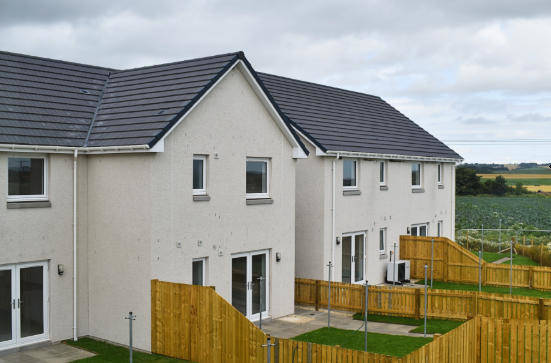
Fall River Health, which has 25 beds, has accumulated funds over the years for this housing project. The plan includes a mix of single-family and multi-family homes, with unit sizes ranging from approximately 1,300 square feet to smaller villas, duplexes, and townhouses. Single-family homes with lots are priced at around $350,000, with smaller units starting as low as $285,000, all meeting the state's "affordable" housing standards. Hospital employees who remain employed for five years can receive up to $54,000 in lot cost reimbursements.
The South Dakota Housing Development Authority subsequently approved nearly $1.2 million in grants in October to support the project. The funding comes from a $200 million housing infrastructure financing plan approved by the state legislature in 2023. The grants could reduce the cost of each lot by approximately $30,000 and lower monthly rents by up to $100, primarily covering infrastructure such as utility installation, streets, curbs, and gutters.
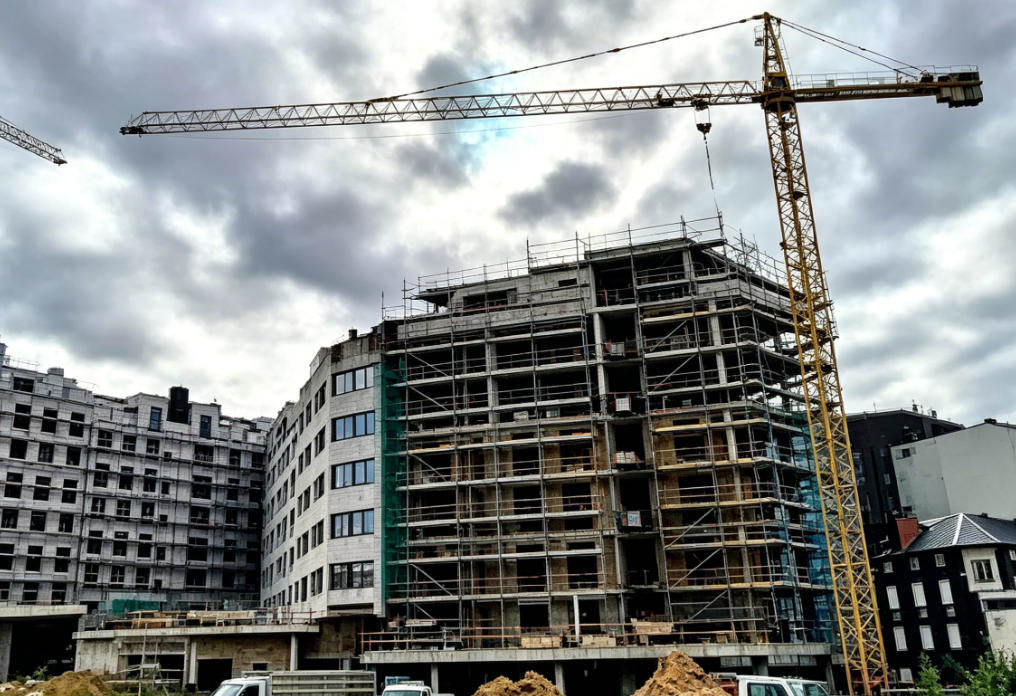
The project is located on an 11-acre pasture along Highway 71 south of the city. Dennis Fischer, former superintendent of the Hot Springs School District and current member of the hospital and housing committee, said infrastructure work could begin at any time, prioritizing utility and road construction, with a community park planned within the project. The housing units will be built by a private developer yet to be determined. Fischer estimates an optimistic timeline of 8 to 10 years for full development and sale of all homes.
A 2023 housing study in Hot Springs revealed challenges such as an aging population and declining housing conditions. The city's population dropped from 4,129 in 1990 to 3,395 in 2020, a decline of over 17%. In 2022, about 60% of residents were aged 45 and older, with the population under 14 decreasing by 125 people compared to a decade earlier. From 2010 to 2020, the city's total housing stock decreased by 121 units, or about 7%. The study called for developing approximately 100 rental units, finding more developable land for single-family homes, and encouraging employer participation in housing development. The Cascade Hills project directly responds to these recommendations.
Hot Springs City Administrator Aerial Allison said the project has garnered support from citizens and residents, with the city council unanimously approving a $2.3 million tax increment financing district to accelerate development. The project is expected to rely on no local tax funds and could create recruitment opportunities for new and existing employers, driving expansion. The city is also pursuing a comprehensive housing strategy, including purchasing and renovating or demolishing dilapidated homes, and helping homeowners cover improvement costs. Allison noted that if the project progresses well, it could spur further housing development, population growth, and economic activity.