Boeing 737 MAX 10 Semi-Lever Gear Extends 241mm to Prevent Tail Strike
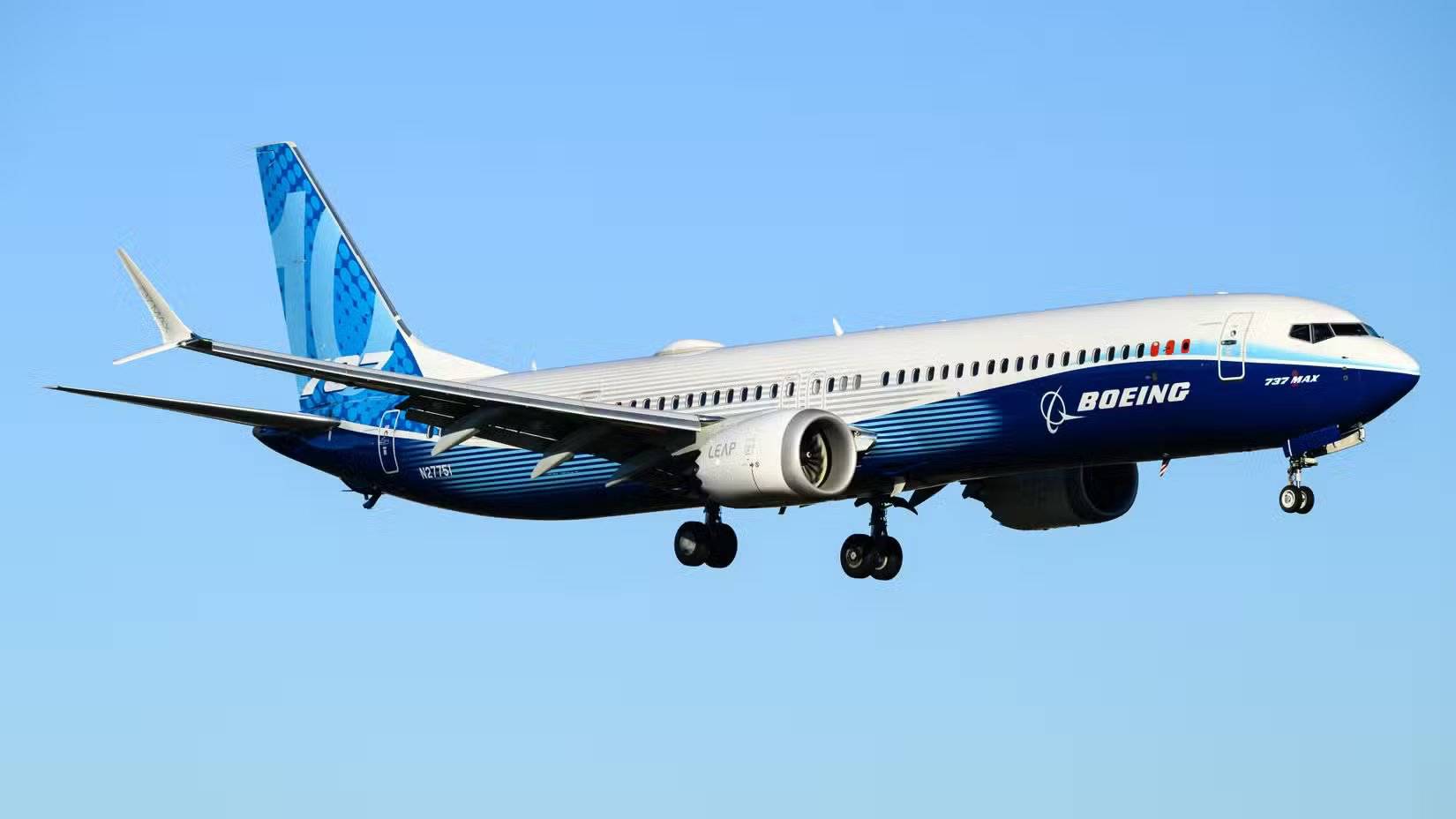
en.Wedoany.com Reported - Boeing has developed a semi-lever gear (SLG) and retract linkage mechanism for the 737 MAX 10, enabling this largest variant based on a 1960s-era fuselage design to extend the airframe without altering the wheel well size while avoiding tail strike risk during takeoff. The landing gear extends 241 mm (9.5 inches) during rotation, maintaining the same pitch margin as the MAX 9.
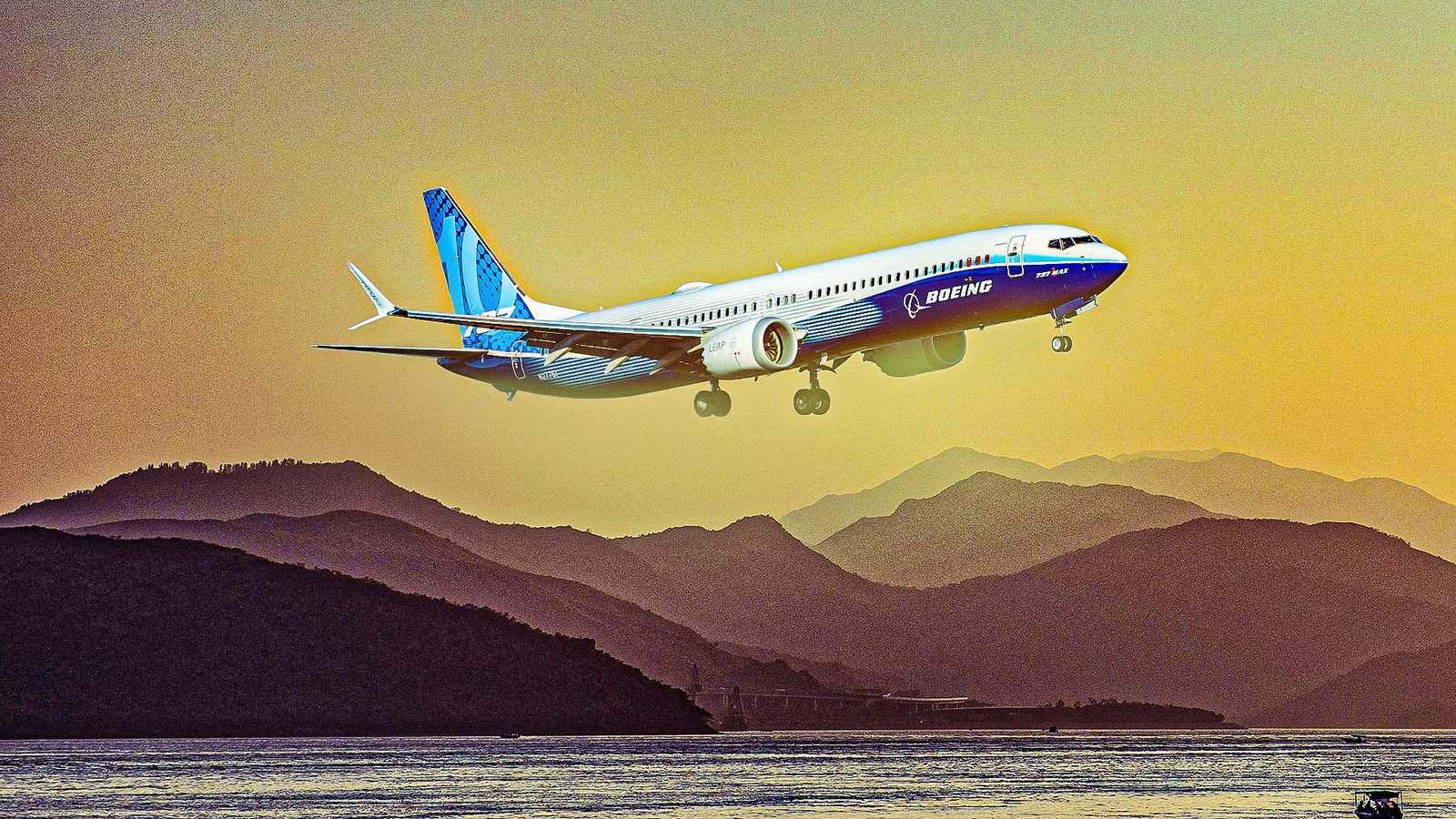
The 737 MAX 10 fuselage is 1.68 meters (66 inches) longer than the MAX 9. Standard landing gear at this length would severely limit the rotation angle during takeoff, greatly increasing the risk of tail strike. Boeing, in collaboration with UTC Aerospace Systems, developed the SLG as a two-stage mechanical assembly that extends in sync with the nose rise when the aircraft pitches up, shifting the pivot point beneath the aircraft rearward to prevent the tail from contacting the ground. Once the main landing gear wheels leave the ground, sufficient tail clearance is achieved for normal rotation.
To allow the retractable landing gear to fit into the same wheel well as smaller variants, Boeing engineers added retract linkage mechanical components. When the gear retracts upward, the linkage uses actuators common to other 737 MAX models to pull the lower assembly upward and inward, mechanically forcing the inner cylinder to move up, compressing the telescopic shock strut for a snug fit into the standard bay. These engineering solutions enable the 737 MAX to introduce innovative technology while maintaining compatibility with earlier models, which is why the series does not fully cover the landing gear wheel well doors.
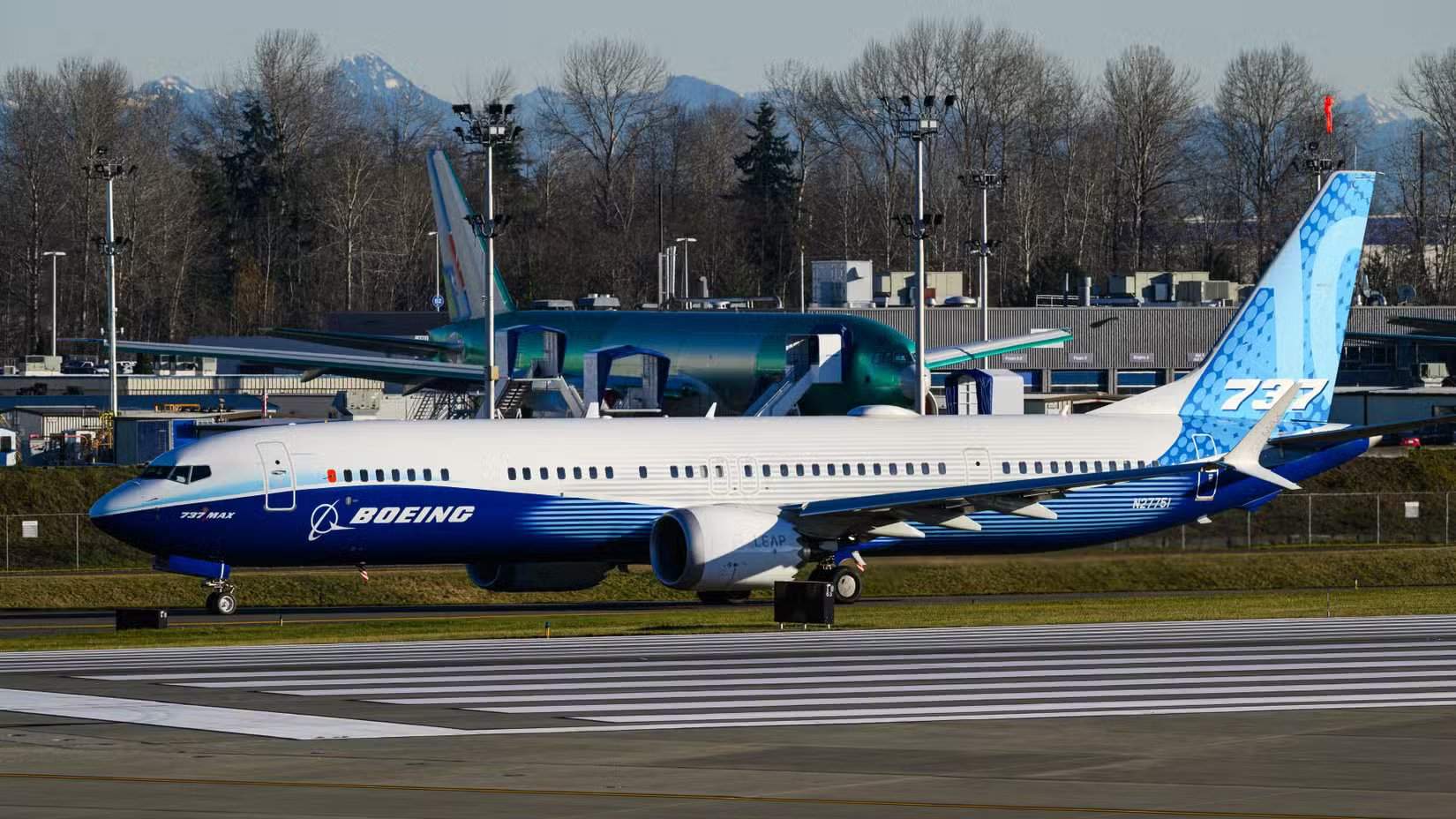
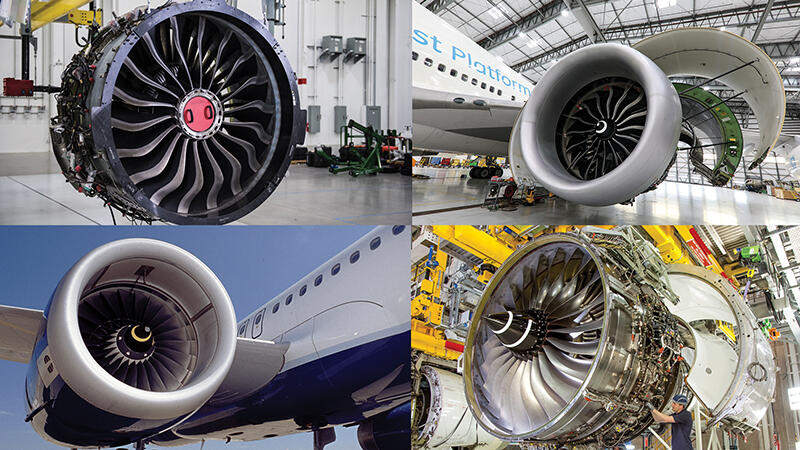
The Boeing 737 series was once the best-selling airliner ever but has been surpassed by the Airbus A320 family. The 737 MAX 7 and MAX 10 are expected to receive certification in 2026, with deliveries beginning in 2027. The MAX 10 order backlog exceeds 1,000 units. The aircraft is powered by CFM International LEAP-1B engines, offering approximately 15% better fuel efficiency than the previous-generation 737 Next Generation. Due to low ground clearance, the engines are mounted forward and upward on the wing to avoid scraping the runway. The MAX 10 requires longer landing gear, but altering the wheel well would reduce parts commonality and pilot type rating commonality with other variants. The 95% shared parts and identical cockpit operating procedures are key selling points of the 737 MAX, and the semi-lever gear is designed to achieve this commonality.
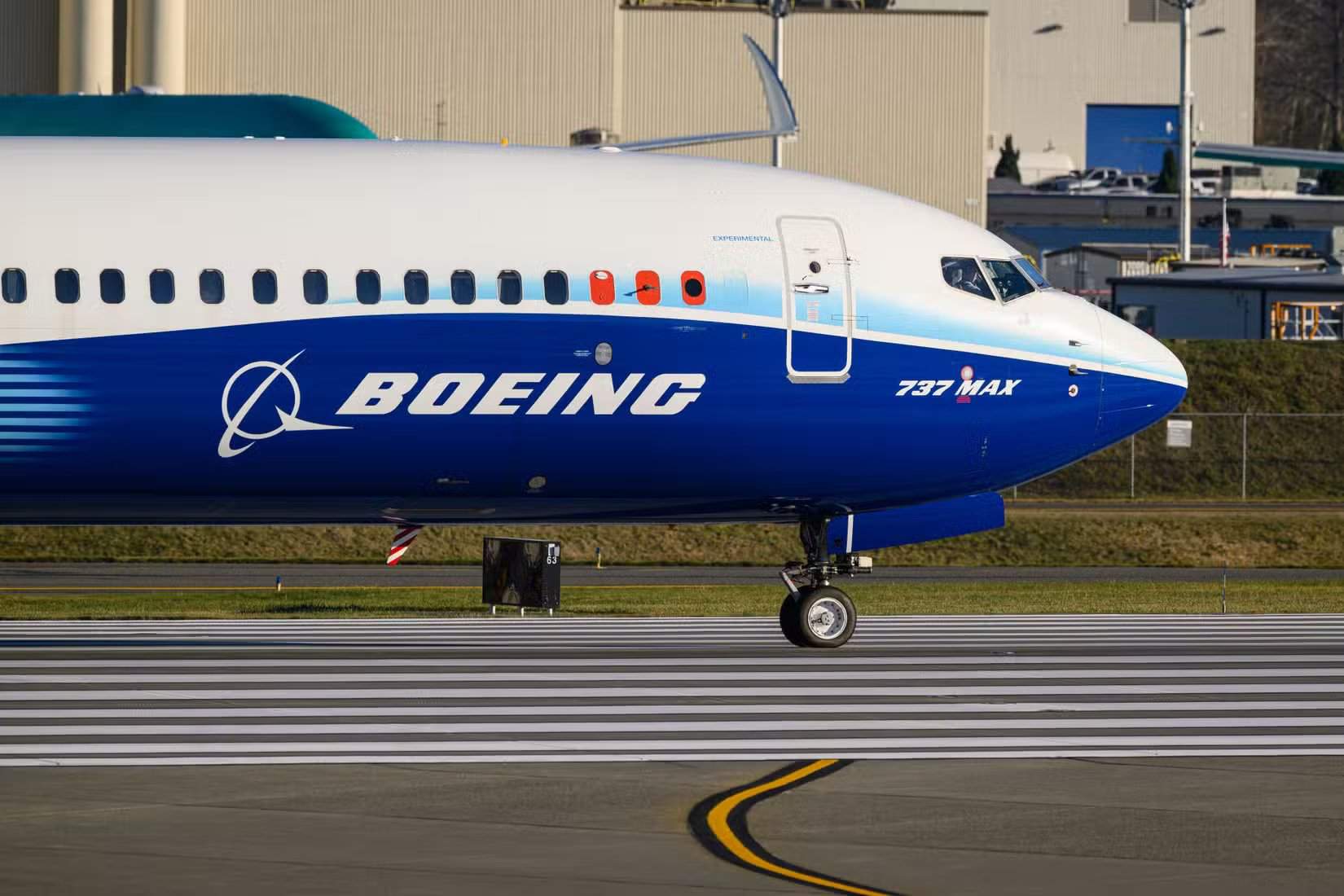
In the cockpit, the mechanical structure of the SLG assembly is completely invisible to the crew. Pilot rotation technique, V-speeds, and braking characteristics are identical to smaller MAX variants, allowing airlines to seamlessly mix crews while leveraging the MAX 10's increased passenger capacity without changing operational skills or altering takeoff and landing procedures for the MAX 8 or MAX 9. This saves airlines and pilots money by eliminating training requirements and improving flight safety in mixed fleets. Strict adherence to fleet commonality is the most valuable commercial asset of the 737 MAX family, preserving a single, grandfathered pilot type rating and a shared operating platform. For airlines, introducing an entirely new aircraft type is costly, while pilots certified on older 737 NG or other MAX models can fly the MAX 10 with only computer-based differences training.
The Maneuvering Characteristics Augmentation System (MCAS) was designed to assist pilots in flying the 737 MAX, despite its differences from the previous-generation 737. Software flaws led to two tragic crashes, killing hundreds, grounding the fleet, and forcing Boeing to completely overhaul its assembly line, allowing the A320 family to surpass the 737 as the top jetliner. To maintain a common type rating, regulations require that the aircraft feel identical to the older 737 NG when flown manually near stall. MCAS initially failed because it relied on data from only one of two external angle-of-attack sensors, and Boeing omitted MCAS from pilot manuals to minimize training requirements. After years of massive restructuring, Boeing and the 737 MAX are back on track.
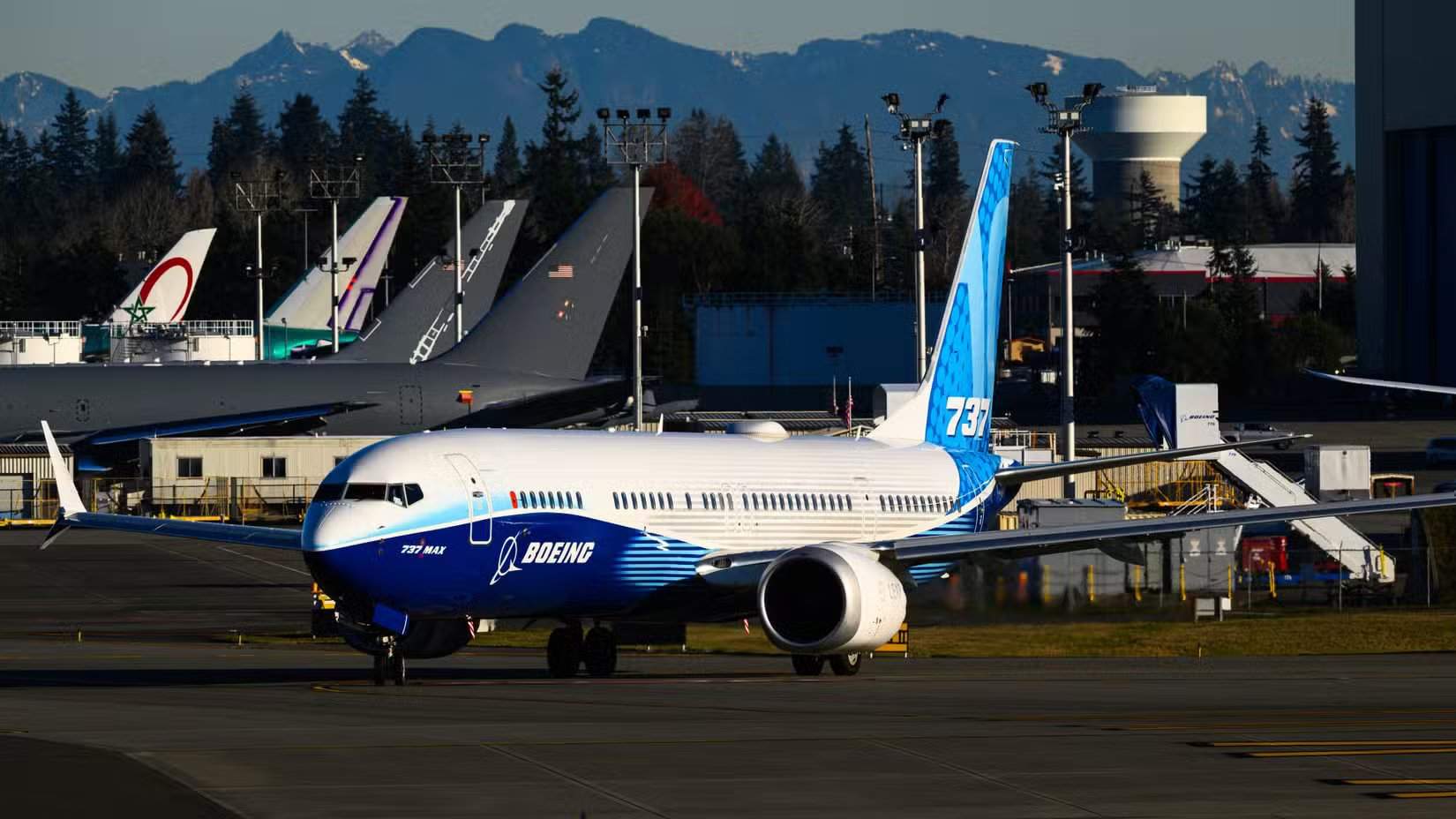
Airlines have ordered thousands of MAX 10s, with its seat-mile cost directly competing against the Airbus A321neo. Following the accidents, the U.S. Federal Aviation Administration (FAA) capped Boeing's production at 38 aircraft per month. After rigorous safety reviews under CEO Kelly Ortberg, the FAA allowed Boeing to increase production to 42 aircraft per month in 2025. As of mid-2026, the Boeing 737 MAX 10 has accumulated over 1,400 firm orders, making it one of the largest single-aisle aircraft backlogs in aviation history. With the 737 MAX 7 and MAX 10 completing certification this year and entering production readiness, Boeing aims to deliver up to 53 aircraft per month, establishing a fourth assembly line optimized for the MAX 10 at its Renton, Washington facility.
Related Products