Vale's Brucutu Develops Flotation Cell Aeration Measurement System
en.Wedoany.com Reported - Vale's Brucutu team has developed and installed a self-aspirating flotation cell aeration rate measurement system based on thermal dispersion principles and artificial intelligence technology, capable of real-time monitoring of aeration volume to avoid metal recovery losses caused by abnormal air supply.
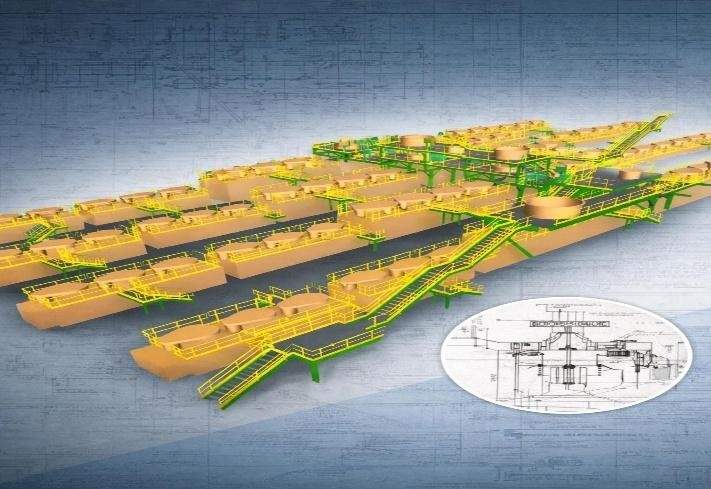
Flotation is one of the most important technologies in mineral processing, used to enrich high-value minerals and separate those of lower economic value. In self-aspirating flotation cells, air supply relies on the suction force generated by the low-pressure zone created by rotor rotation. However, these devices lack information on air intake, which is a critical variable for normal flotation operation and metal recovery. To address this challenge, the Vale Brucutu team discovered through research that calorimetric flow sensors used in refrigeration systems have no moving parts prone to jamming, making them suitable for continuous monitoring in pipelines. In collaboration with Grupo LT, the team began prototyping and testing. The first step in realizing the concept was to build a base for the sensor that could adapt to the aeration pipe without bolts, allowing easy removal for cleaning in case of blockage. The team ultimately selected a clamp-type bracket solution, which wraps around the pipe and creates a slight diameter interference, facilitating quick disassembly and reinstallation.
The calorimetric sensing element is installed vertically along the axis of the aeration flow inlet to ensure optimal sensitivity to changes in air volume. The 4-20 mA analog signal is then converted to the Profibus digital standard for integration with the plant automation system, such as the monitoring system and PI Vision platform. PI Vision records show that any disturbance in the flotation cell air supply can be detected in real time. Using artificial intelligence, the team created algorithms capable of detecting deviations from expected normal behavior. During one system operation monitoring period, a blockage caused by overflow nearly reduced the airflow to zero, and the system promptly detected this decline.
This system requires no structural modifications to the flotation cell bank during installation, and can be quickly disassembled for cleaning and unclogging without tools. This technology provides early warnings to operators and the central control room regarding decreases or loss of aeration, preventing production losses of high-value concentrate.
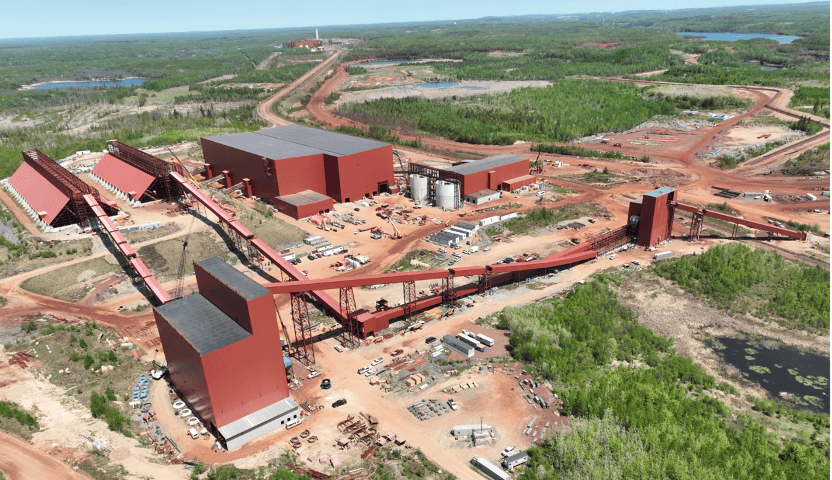
The Brucutu project began production on October 5, 2006, and is considered the world's largest initial capacity mine and concentrator complex, with an investment of approximately US$1.1 billion, located in the municipality of São Gonçalo do Rio Abaixo, 93 kilometers from Belo Horizonte. After startup, approximately 2,500 employees worked in fixed operational positions. In the first phase, Brucutu produced 12.2 million tons of iron ore annually; the second phase, launched in 2007, increased annual production to 23 million tons; and in 2016, it reached an installed capacity of 30 million tons. In 2025, Vale produced a total of 327.7 million tons of iron ore, the highest since 2018, with the Southeast System's output increasing by 3.6 million tons, mainly due to Brucutu restarting three wet processing lines and commissioning a fourth line. Brucutu's concentrator and rail loading system are fully automated, achieving 80% recycling of the water required for industrial processes and using its tailings to produce sand.
Related Products

Yunnan Phosphorus Chemical Group Co., Ltd. 2 Million t/a Phosphorus Ore Mining and Beneficiation Project
China Bluestar Lehigh Engineering Corporation
Quick-Change Single-Seat Control Valve / Quick-Change High-Pressure Single-Seat Control Valve
Beijing Consen Automation Technology Co., Ltd.

Mine Explosion-proof and Intrinsically Safe Industrial Ethernet Ring Network (10 Gigabit/Gigabit)
Chongqing Mas Sci&Tech Co., Ltd.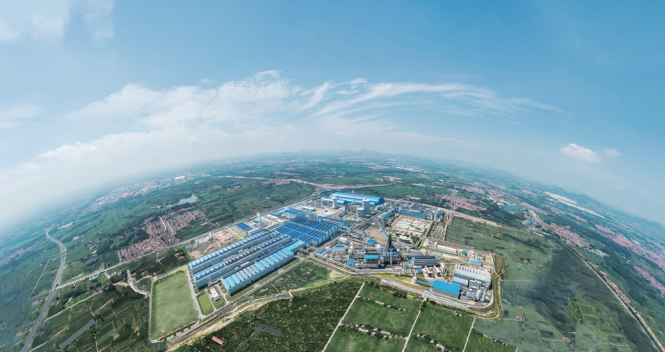
Linyi Steel Investment Special Steel 2.7 Million Tons per Year High-quality Special Steel Project
Capital Engineering & Research Incorporation Limited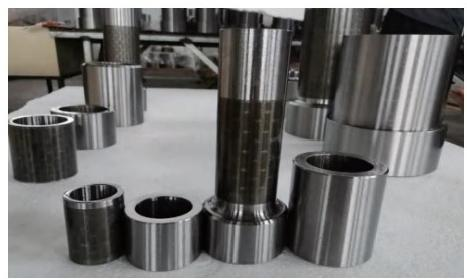
High-temperature Equal Wall Thickness High-power Screw Drilling Tool
Orient Energy & Technologies Co., Ltd.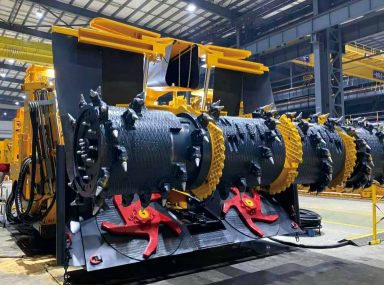
Integrated Excavation and Anchoring Machine (EJM Series)
China Railway Construction Heavy Industry Corporation Limited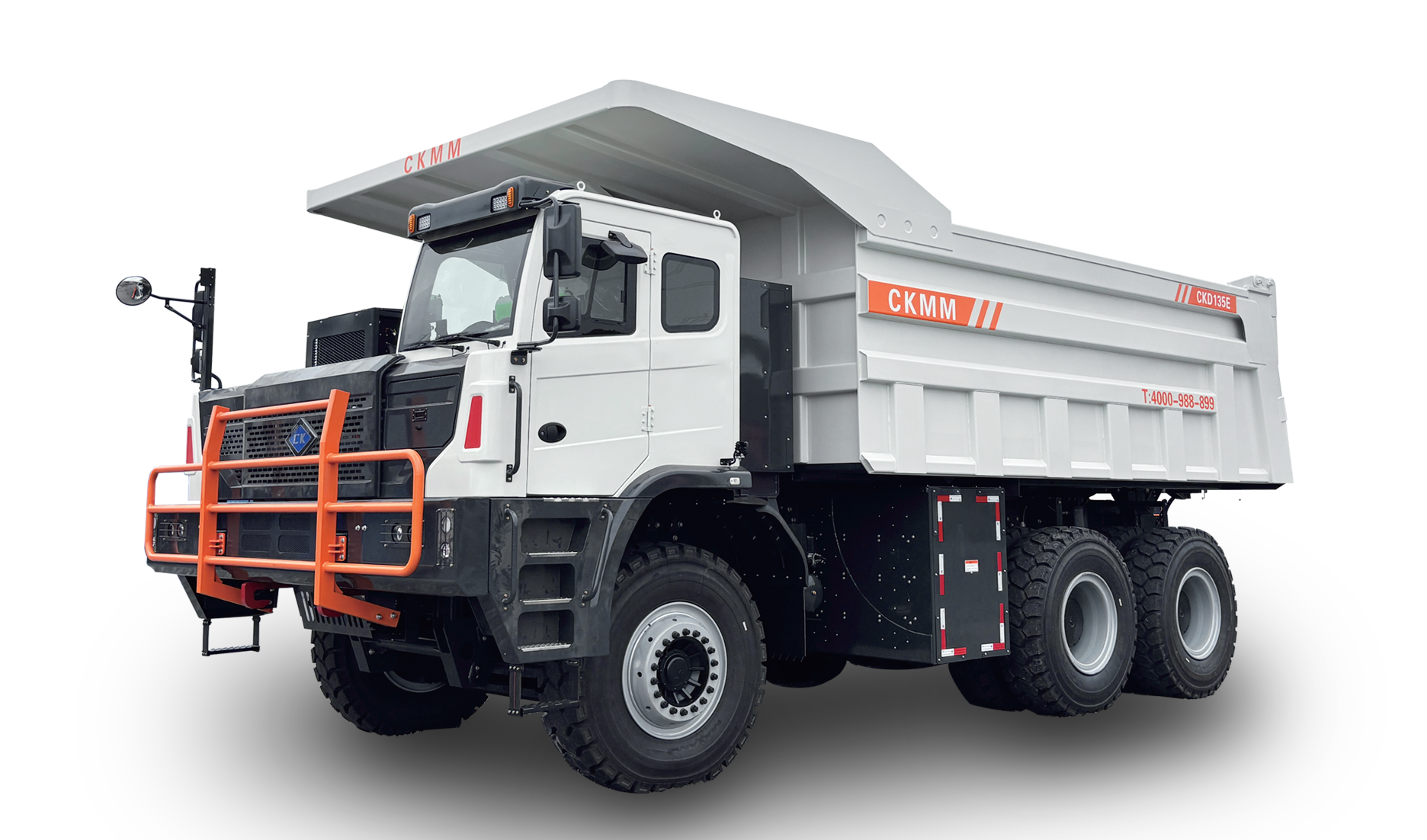
CKD135E Pure Electric Wide-body Dump Truck
Jiangsu Changkuang Engineering Machinery Co. Ltd.
New Environmentally Friendly Green Potassium Salt Collector
Chonfar Engineering and Technology Co., Ltd.