en.Wedoany.com Reported - The expansion of the Copenhagen metro network continues, with Metroselskabet (the metro development and management company) launching tenders for the civil works and transport system of the future M5 line's first phase, with a total project value estimated at approximately €1.35 billion. The tender includes two main contract packages: the civil works package valued at €800 million and the transport system package valued at €550 million. The transport system tender initially includes the procurement of more than 5 automated metro trains. According to official data, the Copenhagen metro carried 135 million passengers in 2025, an increase of approximately 8% year-on-year, setting a historic high for the network.
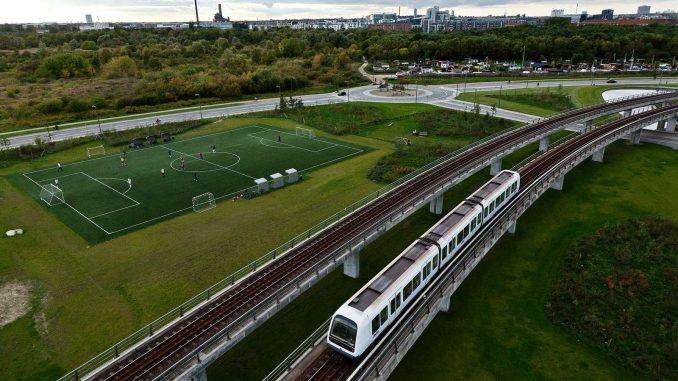
In recent years, the expansion of the metro network has become a key driver of urban planning and development in Copenhagen. In June 2024, the southern extension of the M4 line opened to Sydhavn (South Harbor) and Valby, with passenger numbers at the five new stations exceeding initial forecasts by 50%. Among them, Havneholmen station saw a 22% increase in passenger numbers in 2026 compared to the previous year, driven primarily by the rapid development of residential and office areas. This result indicates that transport infrastructure not only follows urban development but also drives it forward.
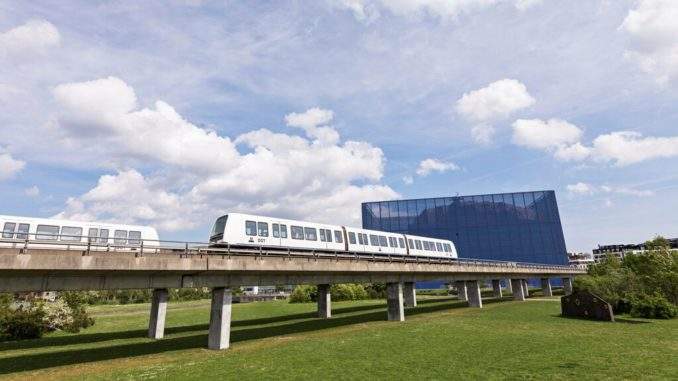
The M5 line is a planned independent line that will feature 9 stations and be built in two phases. The first phase includes 6 stations (5 underground and 1 at grade), two shield tunnels totaling 7 kilometers in length, a 2-kilometer viaduct, and a control and maintenance center. The first phase will put 14 automated trains into operation. The southern section of the first phase route covers the area from Copenhagen Central Station (København H) to north of Prags Boulevard. The tender documents were developed after three years of dialogue with the industry, during which both parties adjusted technical requirements and contract templates to suit current European market conditions. The deadline for submitting pre-qualification applications is August 25, and the contract award procedure is scheduled to take place from September 16 to December 27, 2026.
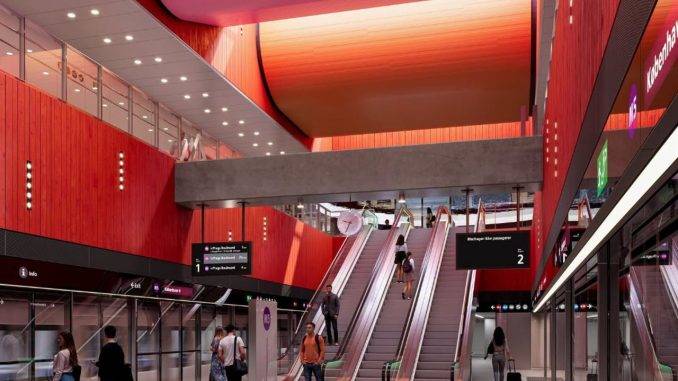
The transport system tender includes the design, supply, and integration of the main components required for the operation of the new line, covering vehicles, railway infrastructure (including GoA4 CBTC signaling system), and the control and maintenance center (CMC). The contract also includes long-term maintenance services after system commissioning, covering maintenance activities, maintenance plan development, and staff training. The transport system and maintenance services are procured as an integrated package, with a single bidder to be selected for execution. The contract also includes three expansion options: the procurement of up to 5 additional trains, an extension of the line from Prags Boulevard to Refshaleøen (Refshale Island), and a further extension from Refshaleøen to Lynetteholm (Lynette Holm). The metro trains will be specifically designed to meet particular requirements, delivered in small batches, with an initial contract for 10 to 30 vehicles and no guarantee of follow-up orders. The first section is planned to enter operation in 2036.
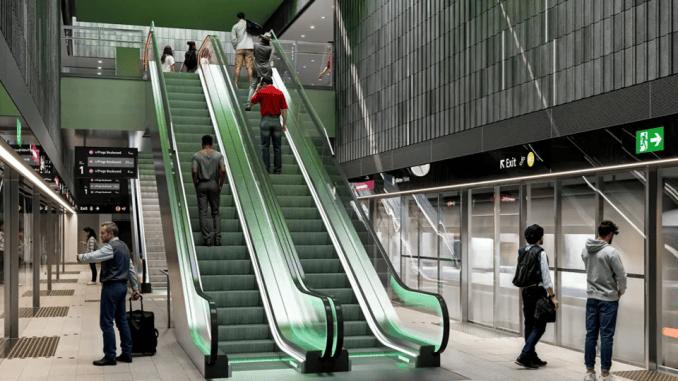
Both contracts will be awarded using a design-and-build model, but with different procedures: competitive dialogue for the transport system and a negotiated procedure for civil works. Metroselskabet is introducing modern risk-sharing mechanisms, including a geotechnical baseline concept where the beneficiary bears part of the geological risk, and a mechanism based on the "pain/gain" concept, where both parties share additional costs and savings as agreed. This approach reflects the trend of collaborative win-win outcomes in major infrastructure projects.
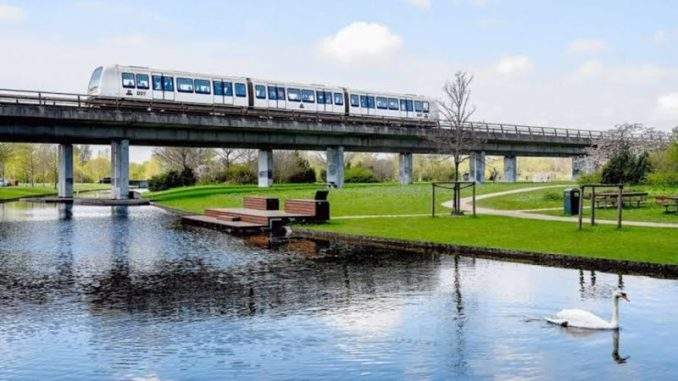
The M5 line is designed as an automated line, aiming to expand the network while increasing system capacity. The section crossing the harbor is currently one of the busiest segments of the network, and continued urban development will add pressure to existing infrastructure. The northern section of the line is included as a contract option in the transport system contract, with the final section expected to enter operation in 2045, and there is potential for further extension to form a loop line in the future. The new line will provide direct connections with the existing M1, M2, M3, and M4 lines, regional and long-distance trains, and the S-train network, transforming Copenhagen Central Station into a more significant multimodal transport hub. In terms of station design, plans include providing more natural light, direct street-level access to platforms at some stations, and more intuitive spatial guidance, with architecture designed to integrate into community characteristics. By using a limited range of materials and more compact structures, the project aims to achieve a 50% reduction in carbon footprint compared to previous metro lines. Both the civil works contract and the transport system contract include mandatory targets for reducing carbon footprint, and the new control and maintenance center must meet high standards of energy efficiency and sustainability. Metroselskabet CEO Mikkel Kjær Jensen stated that the new line will strengthen connections between different areas of the city and create closer links between existing communities as well as to new urban development zones.