Brazilian Startup InLida Receives BRL 1 Million Investment to Drive Livestock Digitalization
en.Wedoany.com Reported - Agtech startup InLida, founded in 2019 in Piracicaba, São Paulo, Brazil, launched the second generation of its herd management platform this year. According to company data, the platform now has over 30,000 registered farms, digitally tracks 90,000 artificial inseminations, records 300,000 animals, and has received over BRL 1 million in investments since its inception.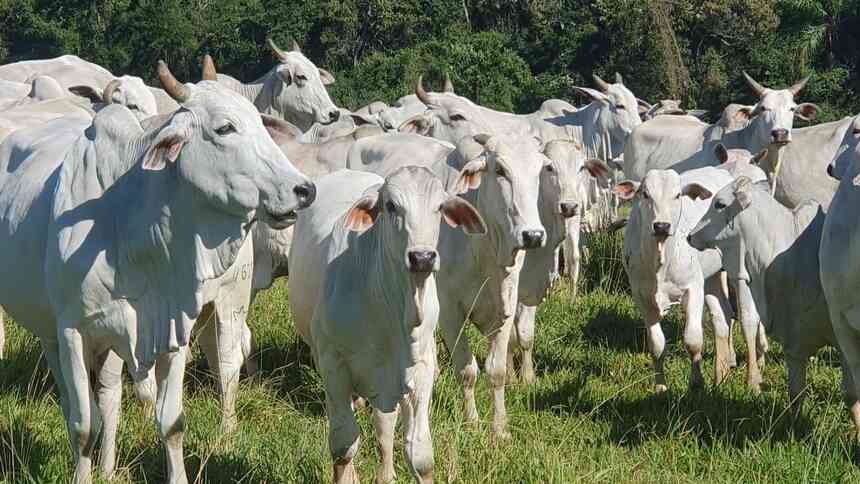
The company was founded after founder Gabriela Ribeiro identified a real-world problem while working as a researcher at Cepea/Esalq. While visiting farms to collect production cost information, she found that most livestock farmers still managed their businesses using pocket notebooks, scattered spreadsheets, and stacks of invoices. She noted that farmers' difficulty in organizing basic information became the primary obstacle to calculating production costs. After initially leaving Cepea to serve farmers as a consultant, Ribeiro, along with her husband and partner Marco Milan, decided to build their own system to address this analog management situation. They searched for existing low-cost solutions targeting small farmers but found no suitable products, so they began developing a prototype using open-source software and later collaborated with programmers to build their own platform.
The project started at the EsalqTec incubator and gained momentum a few months before the COVID-19 pandemic broke out—receiving its first angel investment from Bernhard Kiep, a farmer and livestock owner who also used the platform on his own farm. The first version of the platform was released for free, with a business model where industry companies sponsored farmers' access to the tool, helping the startup scale without charging users. Tortuga and Corteva were two companies that engaged in this partnership. This strategy enabled InLida to reach 30,000 registered users nationwide, but the pandemic and a shrinking livestock market weakened momentum. The company then decided to rebuild the platform and shift to a monthly subscription model (SaaS), while still maintaining affordable tools for small and medium-sized livestock farmers. According to the CEO, farmers with fewer than 50 cattle pay approximately BRL 30 per month.
The platform overhaul attracted new investor Marcos Ermírio de Moraes—a livestock farmer and member of a traditional industrial family, who became a shareholder after using the first version of the platform on his farm in Mato Grosso do Sul. Ribeiro stated that both he and Kiep actively participate in tool development, bringing needs observed on their daily farm operations to the team. The platform interface was designed to resemble a pocket notebook format, allowing farm employees to record information easily. In company marketing materials, the platform calls itself "Your digital field notebook."
The platform 2.0 version released this year features improved performance, with new reproductive indicators, calving predictions, cow history records, and animal management analysis tools. According to Ribeiro's estimates, about 10% of the over 30,000 registered farms are using the new platform, and the company's current priority is accelerating user migration from the previous version to the new system and expanding the subscriber base. The platform allows farmers or farm employees to record information in the field via an app even without an internet connection, with data syncing later; in the web version, these records are converted into management indicators such as conception rates, birth rates, and weaning rates, along with reports to aid decision-making.
Despite the growing supply of livestock software, Ribeiro believes there remains an underserved market for tech companies among small and medium-sized producers focused on breeding. Unlike platforms such as JetBov, which primarily serve large farms (often with hundreds or thousands of animals), InLida positions its product for smaller farms. According to her, the average farmer using the platform owns about 100 cattle, with users ranging from a farmer with just 4 cows to a large operator with 8,000 animals, but the company's focus remains on small and medium-sized producers.
Related Products



Industrial and Commercial Point-Type Gas Detector
Jinan Benan Technology Development Co., Ltd.
714CD Series C-Band Weather Radar
Chengdu Zhongdian Jinjiang Information Industry Co., Ltd.
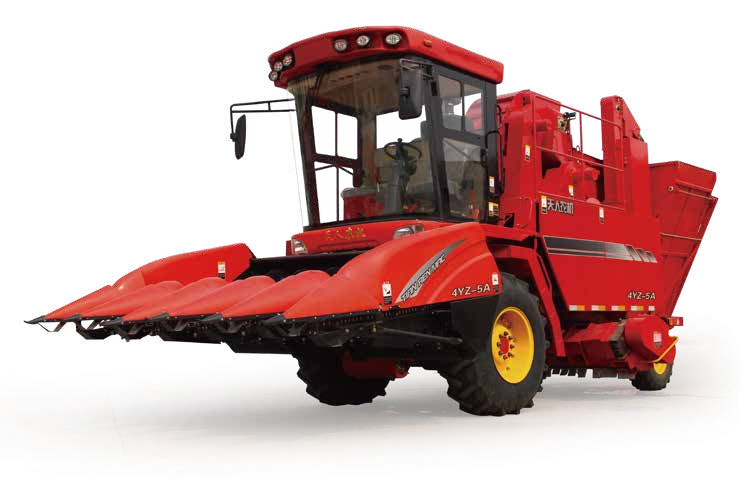
4HS-8 High-efficiency Peanut Inverted-laying Harvester
Hebei Yongfa Hongtian Agricultural Machinery Manufacturing Co., Ltd.