Chinese Academy of Agricultural Sciences Supports 2026 Summer Grain Output Exceeding 300 Billion Jin for the First Time
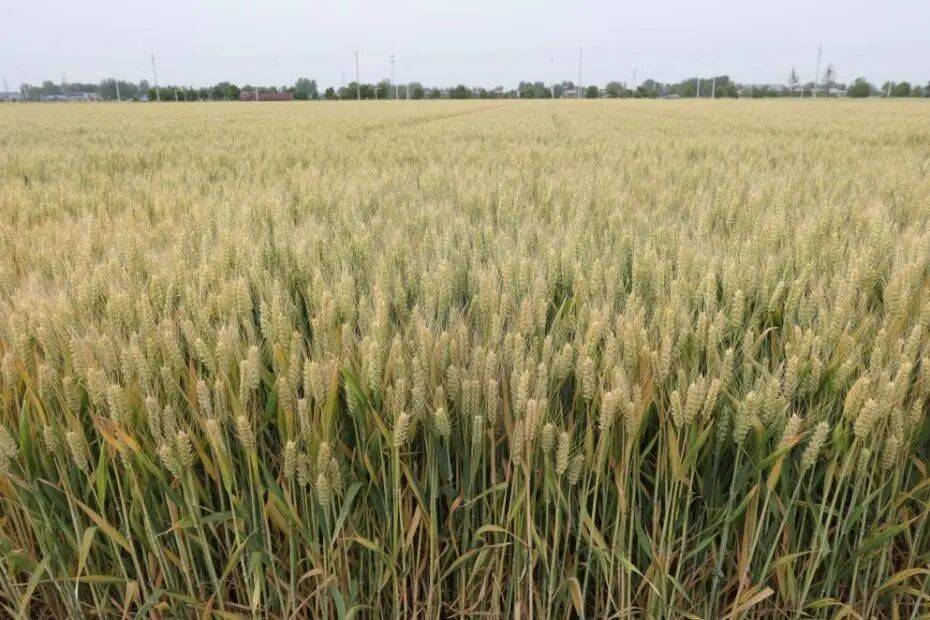
en.Wedoany.com Reported - On July 10, the National Bureau of Statistics released China's 2026 national summer grain output data. This year's summer grain output exceeded 300 billion jin for the first time, reaching 301.49 billion jin, an increase of 2.0 billion jin year-on-year, with a per-unit yield of 378.8 kg/mu, up 3.2 kg per mu compared to the previous year. Despite adverse factors such as large-scale late sowing of winter wheat in the Huang-Huai-Hai region and heavy rainfall in some areas, China's national summer grain still achieved a bumper harvest, with per-unit yield remaining stable and increasing. Behind this is the full-cycle support of agricultural technology, from variety breeding to technology promotion, from saline-alkali land improvement to the integration of agricultural machinery and agronomy, with technology becoming the core driving force for stable and increased summer grain production.
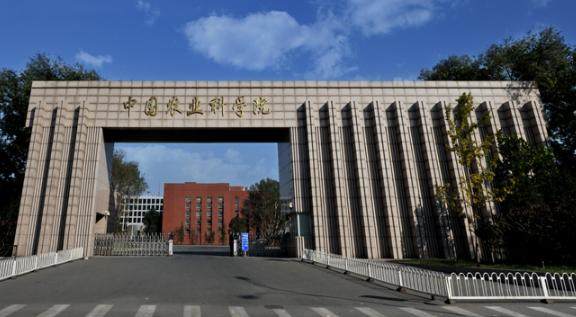
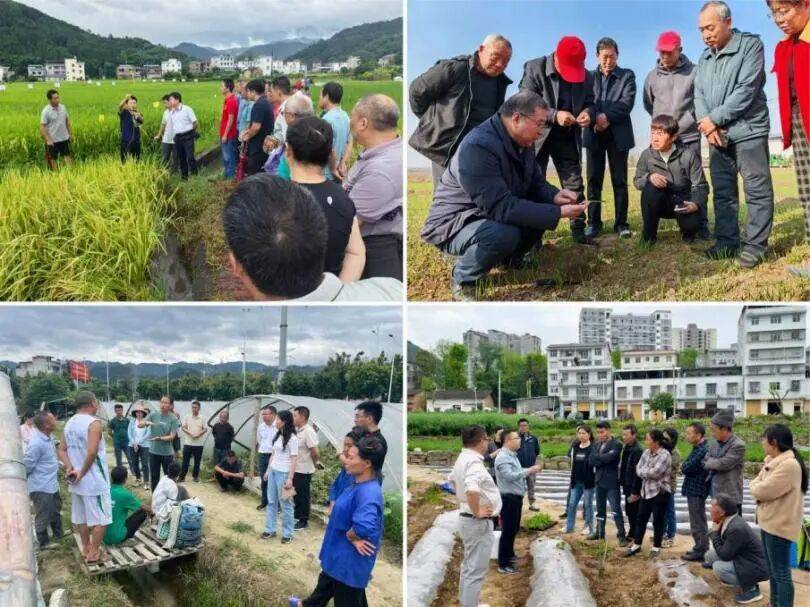
The Chinese Academy of Agricultural Sciences (CAAS) proactively assumes the role of a national strategic scientific force, constructing a full-chain support system encompassing major scientific task breakthroughs, integrated application of "technology contracting to counties," technical guidance from industrial expert teams, and "field classroom" training. This system, aligned with the demand for stable summer grain and oil production and supply, deploys scientific research initiatives to enhance staple grain production capacity and soybean-oil crop production capacity, strengthening the integration and demonstration application of high-yield and efficient technologies for crops such as wheat and rapeseed. Focusing on key nodes like overwintering, spring plowing, and spring management, CAAS organized over 20 small-scale science and technology teams to go to the front line, with more than 1,000 expert visits to 19 major summer grain-producing provinces to provide specialized technical guidance, delivering advanced varieties, technologies, and solutions directly to the fields.
In terms of germplasm resources, independently bred new varieties were widely promoted in the 2026 summer grain production. The strong-gluten wheat variety "Zhongmai 578," developed by the Wheat Quality Research and New Variety Breeding Innovation Team of the Institute of Crop Sciences (ICS) under CAAS, achieved an average yield of 701.7 kg per mu in a thousand-mu demonstration field in Xinxiang, Henan, setting a new high-yield record for local high-quality strong-gluten wheat. Another high-quality, strong-gluten, high-yield wheat variety, "Lunxuan 49," also from ICS, achieved an average yield exceeding 710 kg per mu in ten-thousand-mu demonstration fields in Jiyuan, Henan, and Gaomi, Shandong. In the Yangtze River Basin, a series of extra-early maturing rapeseed varieties developed by the team of Academician Wang Hanzhong from the Oil Crops Research Institute significantly shortened the growth cycle. Among them, "Zhongyou Zao 1" had a full growth period of 176 days in Wan'an, Jiangxi, maturing 5 days earlier than conventional varieties, with a yield of 178.3 kg per mu and an oil content of 45%. The iteratively upgraded "Zhongyou Zao 5" matured in just 166 days, setting a national record for the rice-rice-rapeseed triple-cropping system with a yield of 201.96 kg per mu in a 50-mu demonstration field in Xinfeng, Jiangxi, and an oil content as high as 48.06%, increasing oil extraction income per mu by 20% compared to traditional varieties.
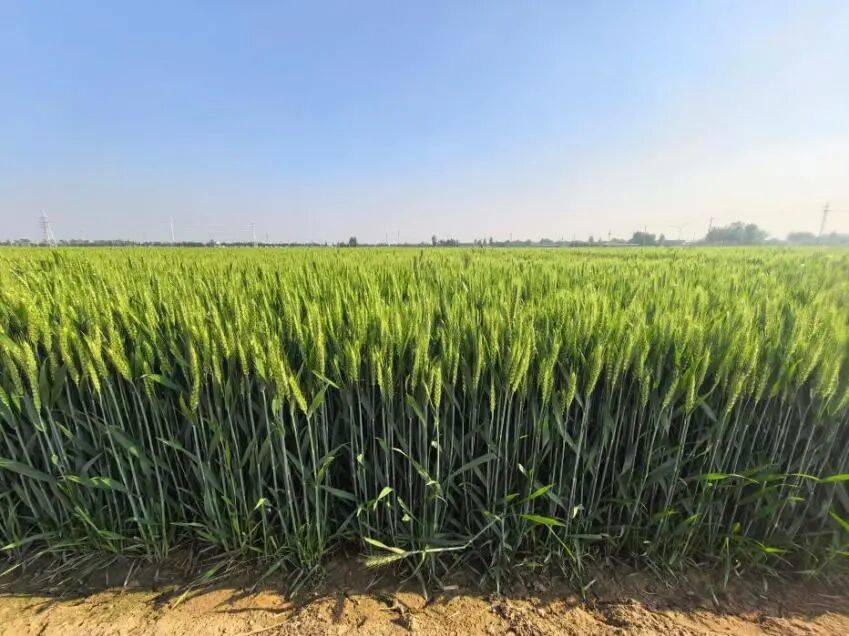
In terms of farmland improvement, the Saline-Alkali Land Improvement Team of the Institute of Agricultural Resources and Regional Planning (IARRP) used drone remote sensing to identify salt patches, combined with vertical sand drain barrier breaking, deep straw burial for salt isolation, and salt-tolerant microbial agent seed coating technology, reducing the salt patch area in the demonstration zone by 60% and significantly improving wheat seedling uniformity and tillering capacity. Four thousand-mu improved fields in Shandong and Hebei achieved an average yield increase of 15%, with the entire set of technologies being demonstrated and promoted on a cumulative area of 900,000 mu.
The Bio-water Saving and Dryland Farming Innovation Team of the Institute of Environment and Sustainable Development in Agriculture (IEDA) developed multiple efficient rainwater utilization models: the North China Plain adopted reduced row spacing and dense planting with limited supplemental irrigation; the Shaanxi V-shaped micro-topography water harvesting technology increased yield by 18% in severe drought years; the Gansu dual-use plastic film mulching model retained an additional 30 to 40 mm of rainwater. This year, a thousand-mu demonstration area in Zhenyuan, Gansu, experienced heavy rainfall; while surrounding ordinary wheat fields lodged, the plots using this technology remained upright. Local farmer Li Zhanxin said, "With the same rain, other people's wheat fields were flattened, but our plot stood firm. The new technology truly protected the harvest."
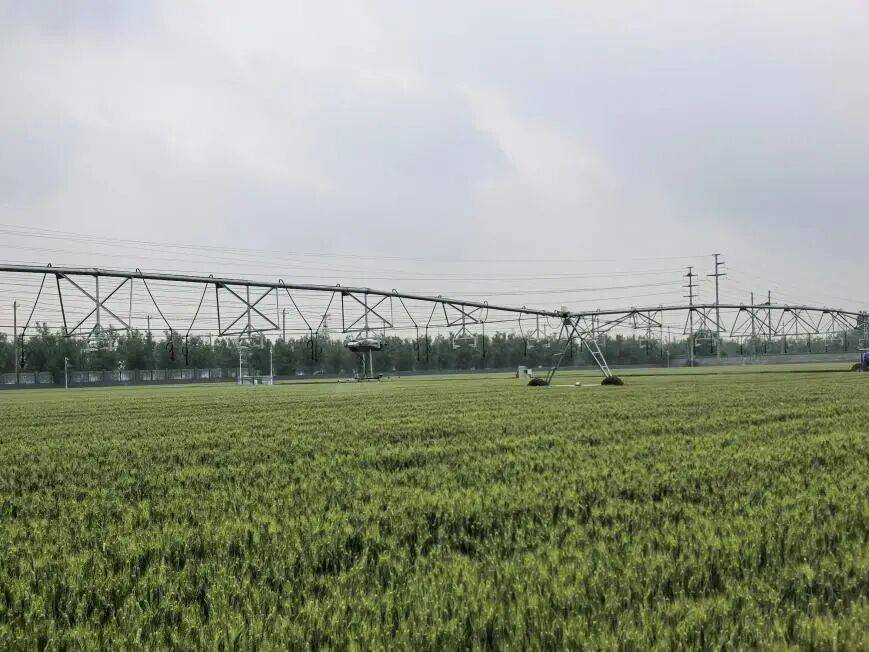
In large-scale farmland, the Institute of Farmland Irrigation (IFI) developed precision control technology for large multifunctional sprinkler irrigation machines. Through intelligent sensing and variable rate irrigation, it achieved on-demand supply of water and fertilizer. This year, it was applied on a large scale in Huang-Huai-Hai large-scale wheat planting bases, improving water and fertilizer use efficiency by over 20%.
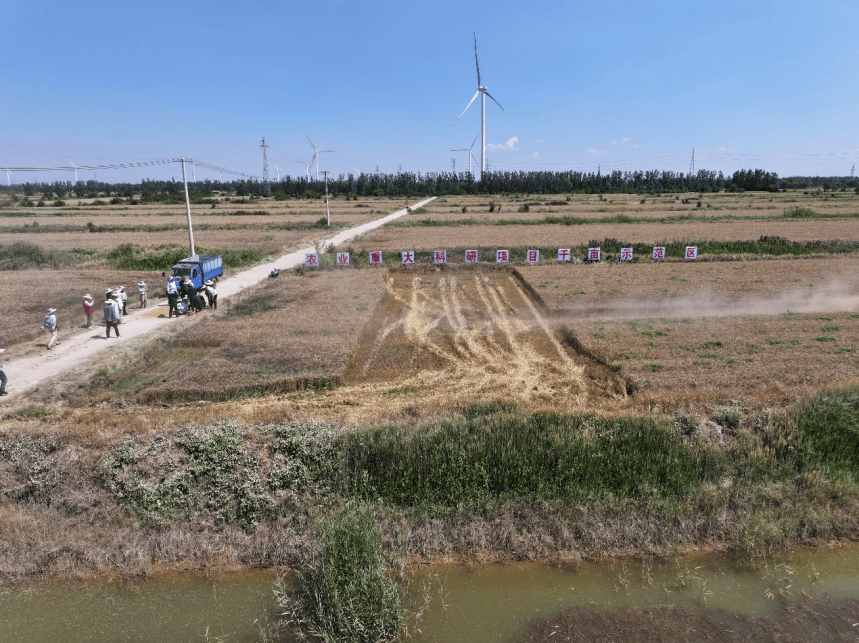
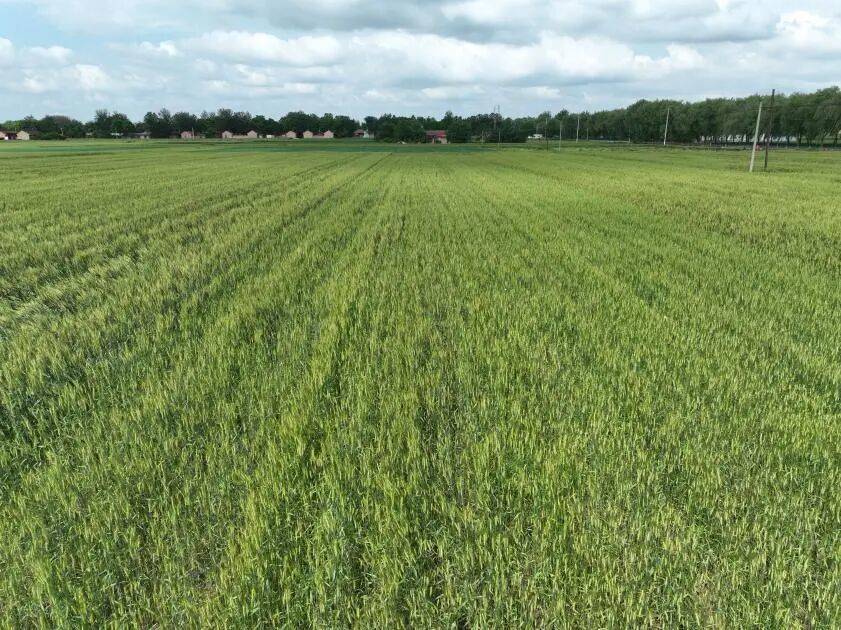
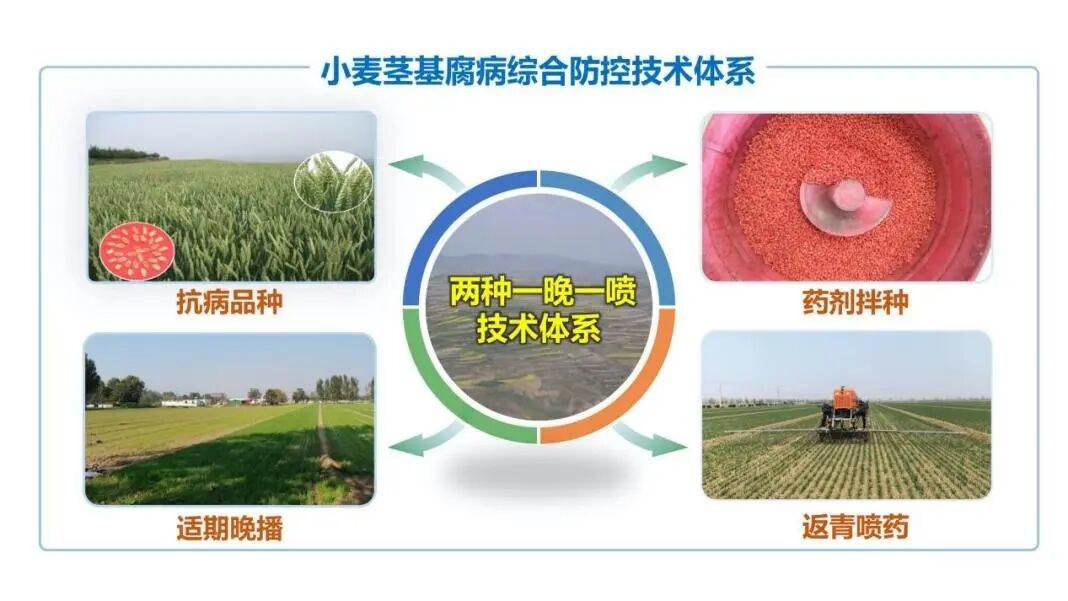
In terms of synergy between good methods and good machinery, the Fungal Disease Monitoring and Control Innovation Team for Food Crops of the Institute of Plant Protection (IPP) under CAAS developed an integrated control technology for wheat crown rot, termed "two selections, one delay, one spray." By selecting disease-resistant varieties, seed dressing with fungicides, timely late sowing, and spraying at critical stages, the disease was effectively curbed. This technology has been promoted on a cumulative area exceeding 4 million mu, achieving a control efficacy of over 90% and recovering approximately 185 million kg of potential wheat yield loss annually.
In rapeseed-producing areas, the Grain and Spike Crop Production Technology and Equipment Innovation Team of the Institute of Agricultural Mechanization (IAM) under CAAS developed intelligent low-loss rapeseed harvesting technology, breaking through core processes such as low-loss headers, flexible threshing, and intelligent control, reducing mechanical harvesting loss rates from over 12% to below 7%. This technology has been promoted and applied in the Yangtze River Basin.
The 2026 summer grain bumper harvest clearly confirms that technology is the core competitiveness of grain production, and "storing grain in technology" and "storing grain in the land" are the fundamental pathways to ensuring food security. The Chinese Academy of Agricultural Sciences stated that it will continue to focus on the core goal of increasing per-unit grain yield, deeply engaging in scientific research breakthroughs, technology integration, and service outreach, to provide scientific and technological support for safeguarding national food security.
Related Products


Industrial and Commercial Point-Type Gas Detector
Jinan Benan Technology Development Co., Ltd.

4HS-8 High-efficiency Peanut Inverted-laying Harvester
Hebei Yongfa Hongtian Agricultural Machinery Manufacturing Co., Ltd.


714CD Series C-Band Weather Radar
Chengdu Zhongdian Jinjiang Information Industry Co., Ltd.