U.S. Scorpio Gold Aims to Boost Resources to 2 Million Ounces by Early 2027
en.Wedoany.com Reported - Scorpio Gold continues its exploration activities at the Manhattan Project in Nevada, USA, with plans to increase existing resources from 740,000 ounces to at least 2 million ounces through a fully funded 50,000-meter drilling program. The project is located in a mature mining district in Nevada with over a century of mining history, surrounded by major mining companies such as Newmont, Barrick, Integra, and Hycroft. Unlike historical fragmented development, Scorpio is the first to consolidate parcels previously held by numerous small operators, along with open-pit and underground workings, into a unified district-scale project.
The Manhattan deposit is a low-sulfidation epithermal gold system, structurally controlled, with a strike length of approximately 5 kilometers, extending toward the Keystone Jumbo target. Gold is primarily hosted in quartz-carbonate veins and breccias within Ordovician sedimentary rocks, with nearby Cambrian sedimentary rocks also capable of hosting gold. Due to historical independent mining of portions of the district by companies such as Kinross and Newmont, Scorpio has inherited a wealth of scattered but rich historical data. Exploration Manager Teddy Berg stated that the team has digitized all data from Kinross, Newmont, and other operators, integrating it into 3D and Leapfrog models. Verification and interpretation are underway, with the goal of understanding the entire district as a single mineralized system. Historical data indicates that open-pit mines operated from the late 1970s to early 1980s produced approximately 250,000 ounces of gold from ore averaging 2.5 to 3 grams per tonne at a 3:1 strip ratio, while the higher-grade Gold Wedge underground mine averaged 7 to 8 grams per tonne. Scorpio is following up on both mineralized zones with modern drilling.
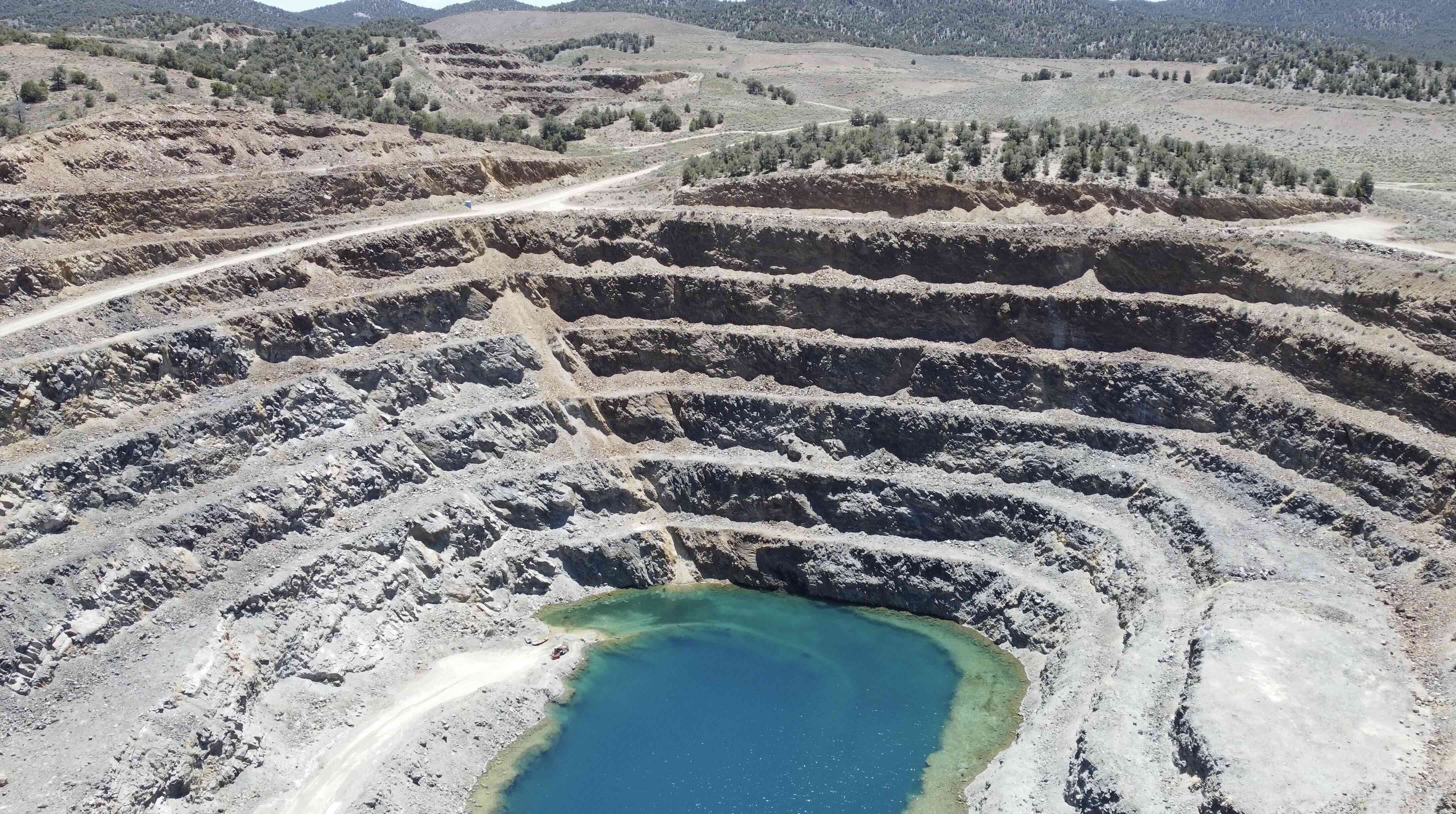
Current resources stand at 740,000 ounces at an average grade of 1.26 grams per tonne. Teddy noted that this grade is relatively high for any oxidized gold deposit in Nevada, where the more common grade is 0.6 grams per tonne. The company's fully funded 50,000-meter drilling program is approximately half complete, with 20,000 to 25,000 meters drilled so far, all focused on expansion and infill around the existing resource area. Among these, the newly discovered Zanzibar trend, adjacent to existing resources but never previously drilled, has yielded results expected to directly contribute to the 740,000-ounce resource base. Teddy indicated that upon completion of the 50,000-meter drilling program, resources are expected to reach at least 2 million ounces. Recent drilling highlights include an intercept grading over 400 grams per tonne in a hole near the Black Mammoth target, as well as a 62-meter intercept grading 0.6 grams per tonne, boosting confidence in maintaining or even slightly improving grades. A resource update is targeted for late 2026 or the first quarter of 2027.
The project is situated at the edge of the Walker Lane and the Manhattan Caldera, featuring complex structural geology with superimposed strike-slip and extensional tectonics, creating favorable conditions for epithermal gold mineralization. Teddy described the mineralized system as transtensional to possibly transpressive, overprinted by the Basin and Range extension common in Nevada. The team is using structural mapping and multi-element geochemical analysis to establish chemical fingerprints for different lithological units, including carbonate marble, limestone, mudstone, and siltstone, aiming to map stratigraphy in 3D and correlate surface observations with drilling results. Senior Geologist Lucas Pintos noted that primary mineralization follows a northwest-southeast trending structural corridor, with north-south trending faults branching off this corridor.
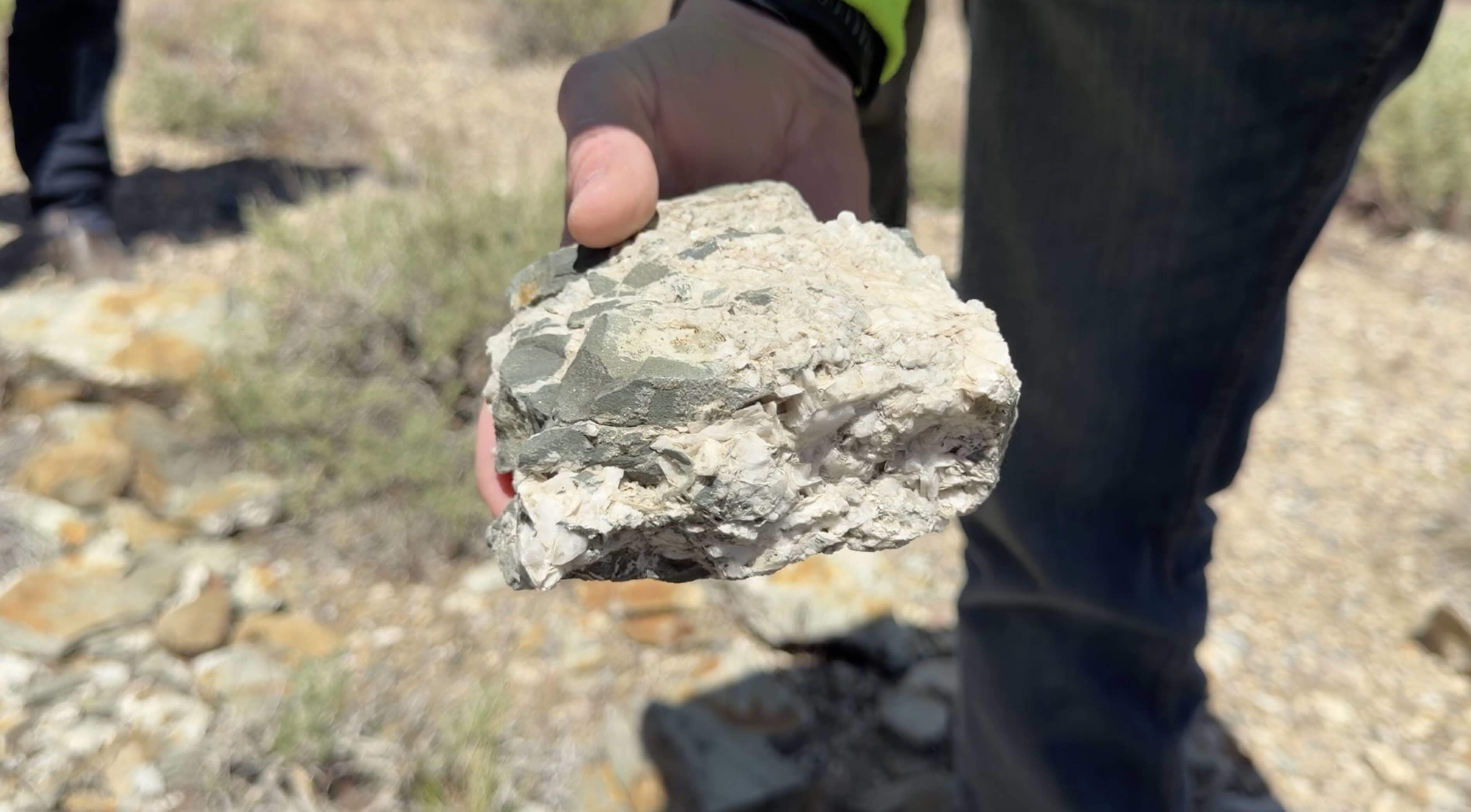
During core inspection, the team examined freshly logged core from holes drilled just hours earlier, including material from the Zanzibar trend. Teddy pointed out that visible structural deformation in the core is a favorable indicator for mineralization, suggesting that rocks have been moved and compressed, creating open spaces for gold-bearing fluids. The district exhibits a wide grade range, from consistent 1 to 2 grams per tonne to true bonanza zones. Teddy noted that the team has encountered gold grades exceeding 70 grams per tonne in some areas, as well as a 40-meter intercept grading 3 grams per tonne. While examining another section of brecciated core, Lucas described a fault gouge pseudo-breccia zone and clear hydrothermal alteration features that can be traced from surface outcrops into the drill hole.
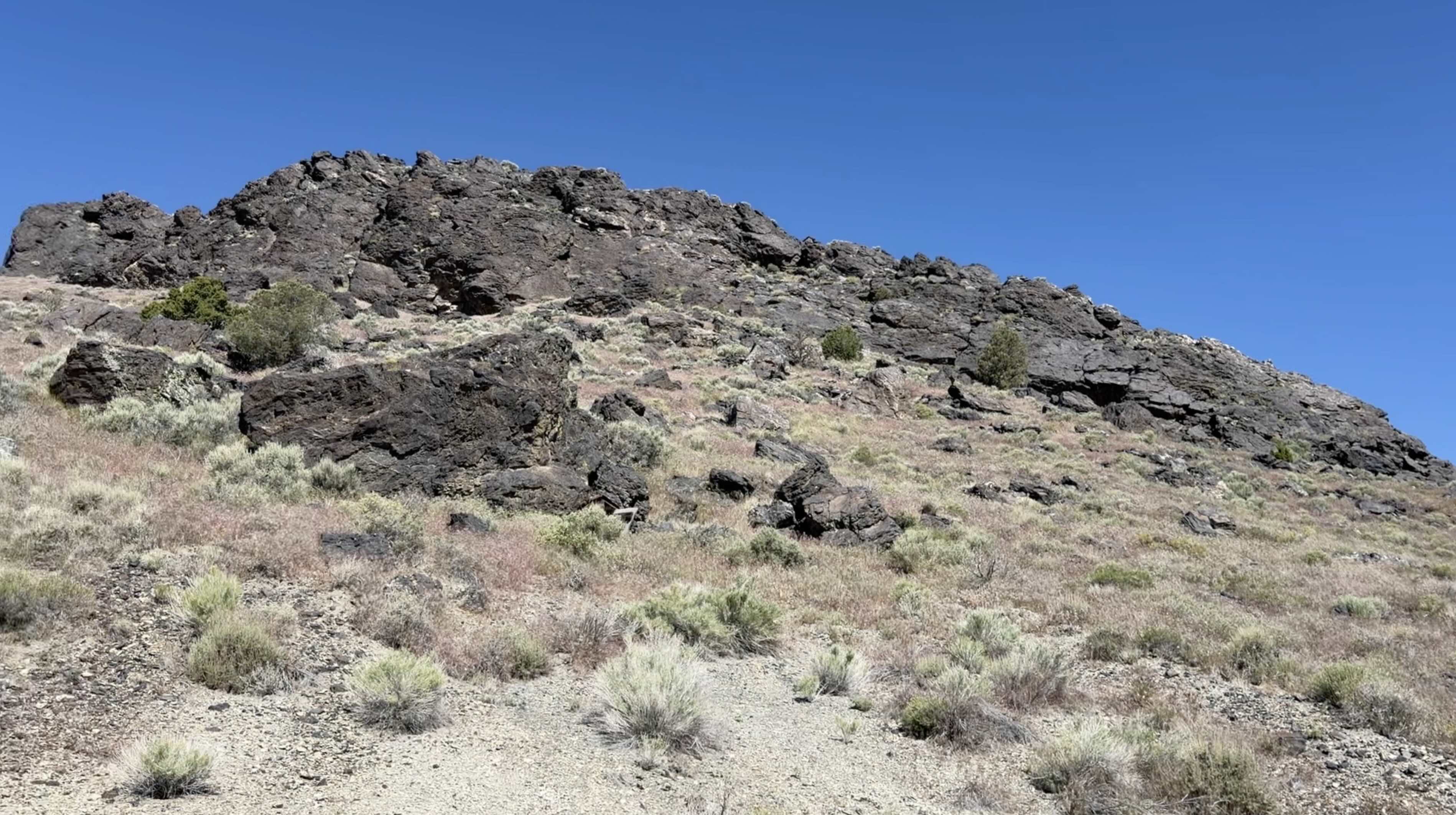
In addition to the main district, the company holds a large land package containing multiple historical satellite targets. The Keystone Jumbo target, approximately 5 kilometers along strike, hosts historical resources of about 150,000 ounces at an average grade of roughly 12 grams per tonne. The company plans to drill-test this target within the next month or two. The Black Mammoth target, about 300 meters from the main resource area, had no prior drilling history. Eight holes have been completed, and the team is focused on narrowing the exploration gap between the Goldwedge underground mine and Black Mammoth. Lucas noted that the same structural trends are visible from the surface to the ridge.
Regarding metallurgy, historical operators used gravity circuits and partial leaching processes, achieving recoveries of 60% to 70%. Based on seven independent test programs combining gravity and leaching, Scorpio has achieved recoveries of 92% to 93%, with consistent results across all tests, according to Teddy. Additionally, historical tailings and low-grade stockpiles contain residual gold grades of approximately 0.5 to 1 gram per tonne. Historical operators mined at grades around 3 grams per tonne but only recovered 60% to 70%, and Teddy believes processing these already-mined materials represents an easily recoverable supplementary opportunity. The company's Vice President of Exploration is collaborating with an external metallurgical team to quantify the tonnage and grade of these stockpiles.
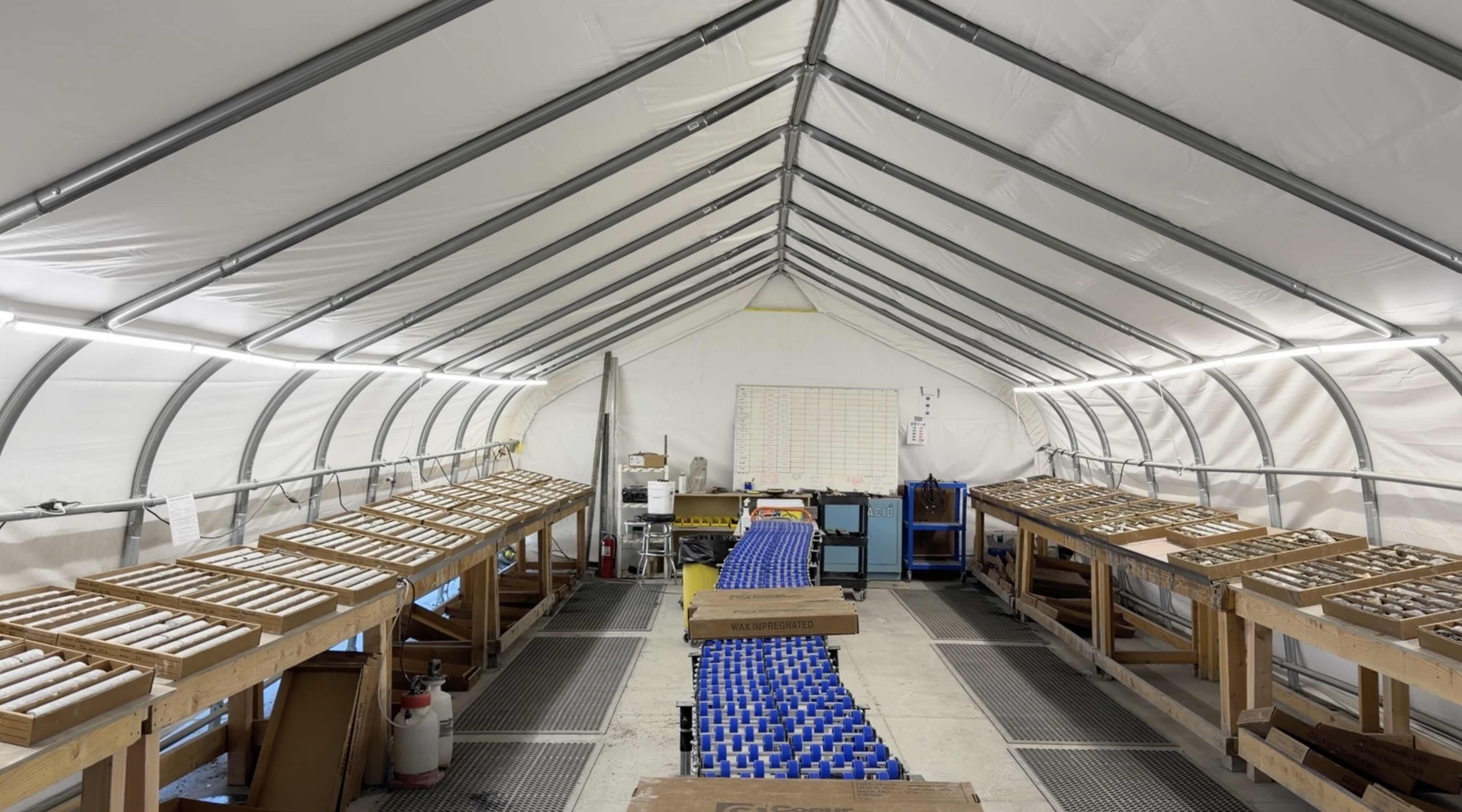
The on-site technical team includes approximately six geologists working in the core shed, supported by cutting and sampling technicians, along with several operations personnel for site construction and maintenance, totaling 6 to 10 people rotating every two weeks. Operations run nearly year-round, with three drill rigs operating 24 hours a day, a pace expected to continue at least through the end of the year. Structural genetic interpretation is closely integrated with geochemical and drilling data. Teddy likened it to baking a cake, requiring all ingredients to come together to determine the location of gold mineralization.
This site visit demonstrated the continuity of the project along the same structural corridor, from the historical Keystone open pit, through the main district, to the Black Mammoth target. With the 50,000-meter drilling program more than half complete, resource grades above the Nevada average, and management guidance targeting at least 2 million ounces by early 2027, combined with metallurgical recoveries of approximately 93%, direct tailings reprocessing opportunities, and multiple untested satellite targets, the project offers scale, grade, and a clear path to resource growth.
Related Products

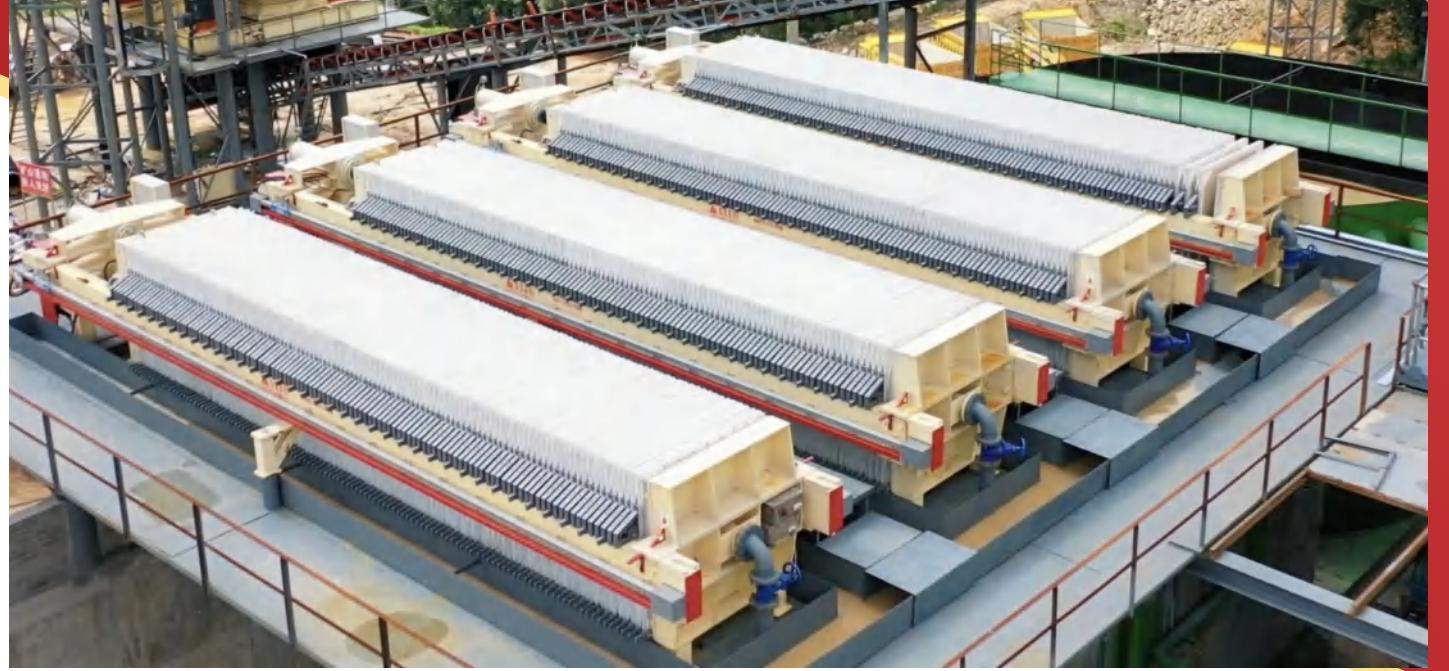
Hydraulic Plate and Frame Filter Press
Guangdong Leimeng Intelligent Equipment Group Co., Ltd.

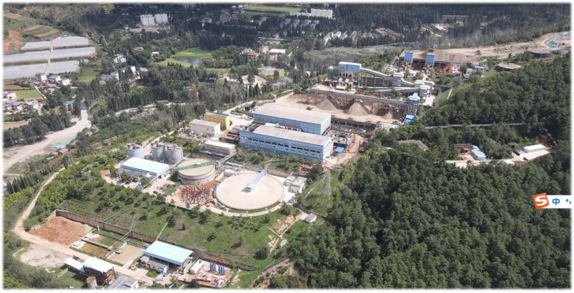
Yunnan Phosphorus Chemical Group Co., Ltd. 2 Million t/a Phosphorus Ore Mining and Beneficiation Project
China Bluestar Lehigh Engineering Corporation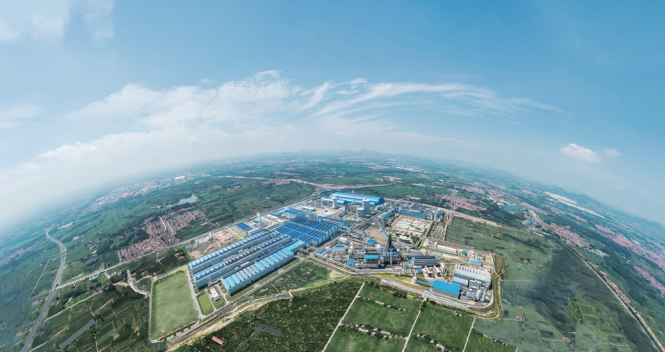
Linyi Steel Investment Special Steel 2.7 Million Tons per Year High-quality Special Steel Project
Capital Engineering & Research Incorporation Limited
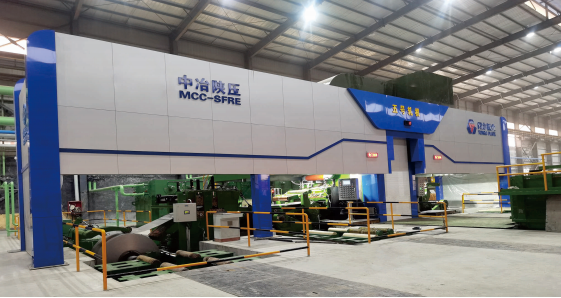
1050-1750mm Steel Strip Single-stand Reversible Cold Rolling Production Line
MCC-SFRE HEAVY INDUSTRY EQUIPMENT CO., LTD.