Volkswagen Plans to Launch Over 20 Electric Vehicles in China This Year, Investing 3 Billion Euros in Anhui Plant
en.Wedoany.com Reported - Volkswagen is adopting a development strategy in China that differs sharply from its approach in Germany, in response to the challenge of declining market share. Despite losing its position as China's largest automaker, the German automotive group still regards China as its most important market and hopes to regain share through a massive model offensive.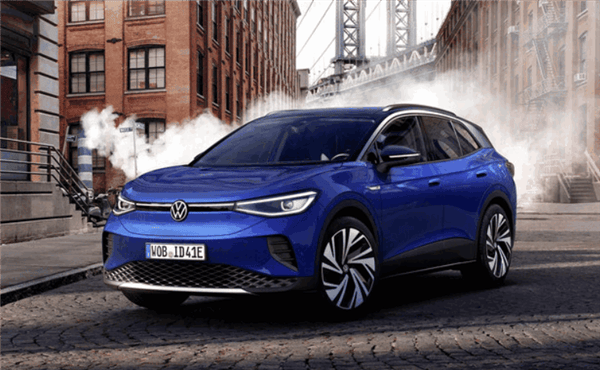
In this year alone, the Volkswagen Group plans to launch over 20 new or upgraded smart electric vehicles in China, adhering to the development philosophy of "developed in China, for China." The CEO of Volkswagen Group stated that this has become the company's core development strategy over the past three years. In terms of cost control, Volkswagen is also striving to catch up with Chinese competitors, achieving a cost reduction of 40% to 50% through a series of measures. One result is the entry-level model launched under the Jetta brand, priced at around 10,000 euros, equipped with technological features that meet Chinese consumer expectations.
Volkswagen was one of the first foreign automakers to enter the Chinese market, establishing factories and introducing technology with Chinese partners in the 1980s. It quickly became the market leader and maintained that position for decades, earning billions of euros in profits. However, management's over-reliance on the fuel vehicle business caused it to miss the critical window for the electric vehicle transition. The Chinese government and the ruling party have vigorously promoted the development of new energy vehicles for over a decade, investing heavily in research and development, battery technology, and charging infrastructure. Hundreds of electric vehicle startups have emerged across the country, and China's automotive industry has grown into a global leader. The electric vehicles manufactured are commonly equipped with features such as autonomous driving, massage seats, smart voice control, and entertainment application systems, which have become standard in China's new car market.
Due to purchase subsidy policies and restrictions on fuel vehicle licenses in cities like Beijing, electric vehicle sales in China have grown rapidly, while car prices have continued to decline, leading to extremely fierce market competition. As a result, Volkswagen has been steadily losing market share. In 2024, Volkswagen was overtaken by BYD in China, with some Chinese consumers believing that Volkswagen's electric vehicles developed in Germany are "not fashionable enough" and "too expensive" to meet their needs.
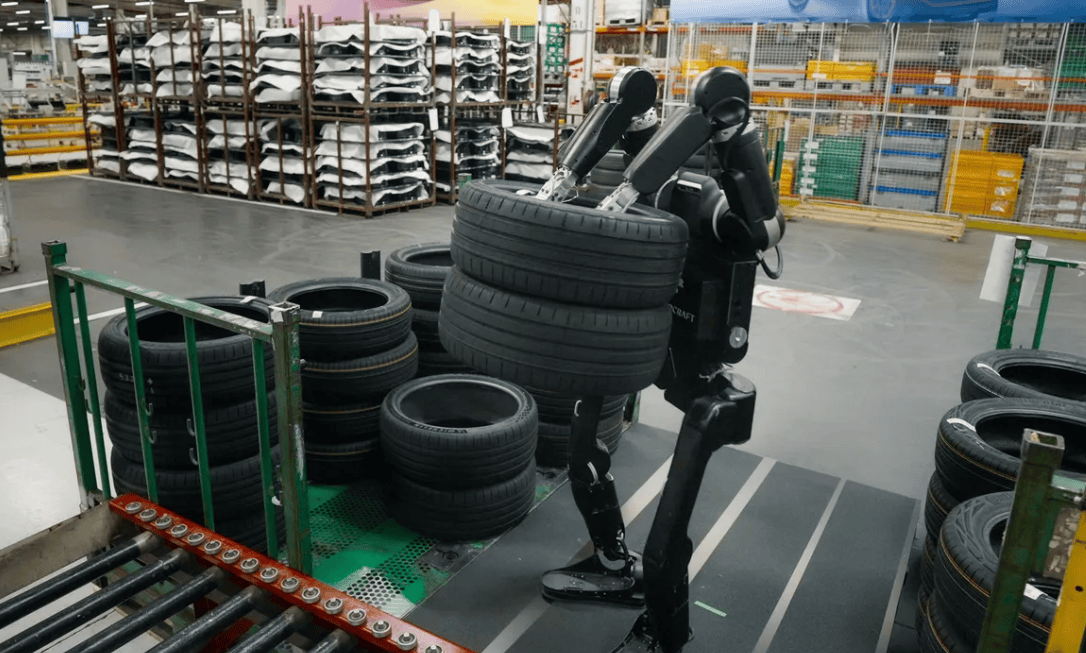
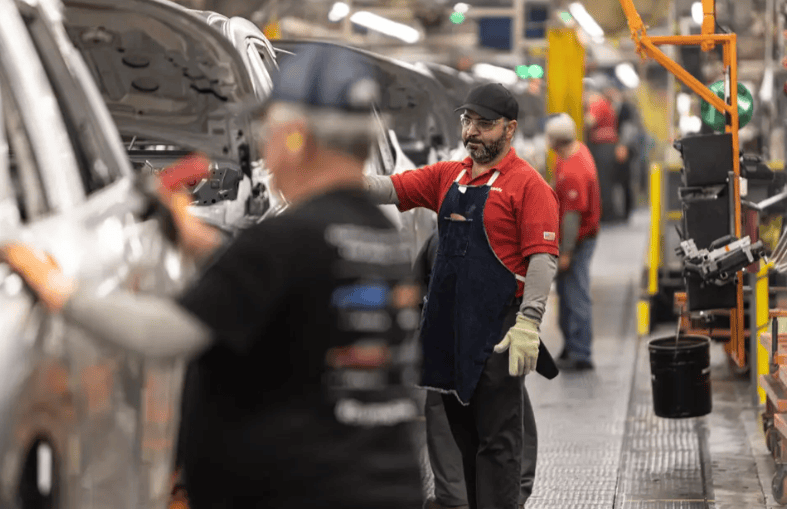
At Volkswagen's new plant in Anhui Province, robots handle a large portion of production work, while humans are primarily responsible for quality inspection, significantly reducing costs. Volkswagen has invested approximately 3 billion euros in this plant. At the research and development center, Volkswagen is developing next-generation electric vehicles and collaborating with local Chinese tech startups. In the past, Chinese companies learned from German technology; now, Volkswagen is beginning to learn from Chinese companies. Around 100 Chinese programmers and technical experts work at the Anhui plant. The core of Volkswagen's new strategy is to reduce costs and increase production speed. Due to lower wage costs in China and Volkswagen's reduction of development time through in-house software development, efficiency has improved. Vadym Finn Cemmasson, responsible for coordinating software components, explained that at the Anhui plant, because software development is done internally, issues with the door control module can be resolved directly.
Volkswagen aims to shorten the development cycle for new models from the original approximately three years to 18 months. In the Chinese market, quickly launching new products is key to competitiveness. Li Yanwei, an analyst at the China Automobile Dealers Association, believes Volkswagen may see a turnaround. He stated that consumers previously turned to Chinese brands due to a lack of suitable products, but if Volkswagen launches new models with similar prices that better meet market demand, consumers may return. However, China's economic growth is slowing, and demand in the world's largest automotive market is beginning to decline. In the first half of this year, China's car sales fell by about 20% year-on-year. To address this, Volkswagen plans to place greater emphasis on export strategies in the future, similar to Chinese automakers, not only serving the Chinese market but also selling vehicles produced in China to other countries and regions.
Related Products
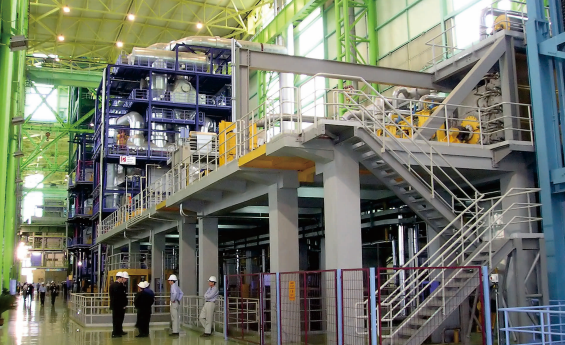

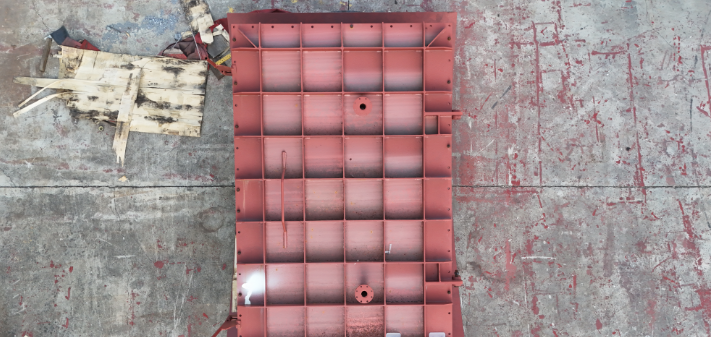
Strip Coating and Plating Production Line Equipment
MCC-SFRE HEAVY INDUSTRY EQUIPMENT CO., LTD.
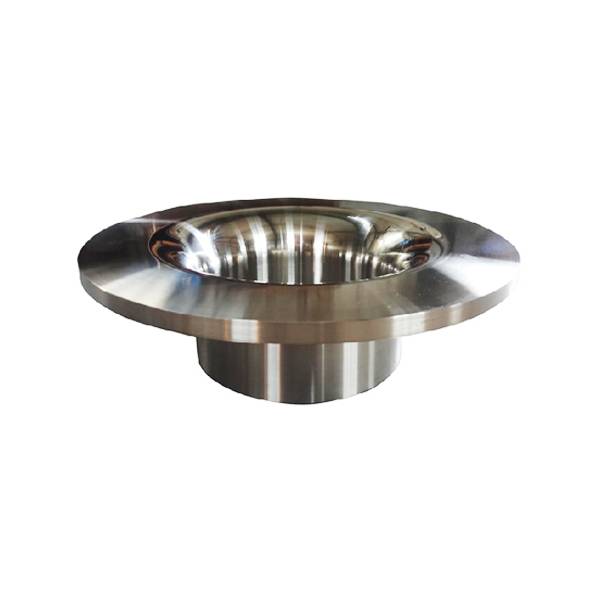
Standard Nozzle Flowmeter
Jinggong Automatic Control Instrument Complete Technology Development Company
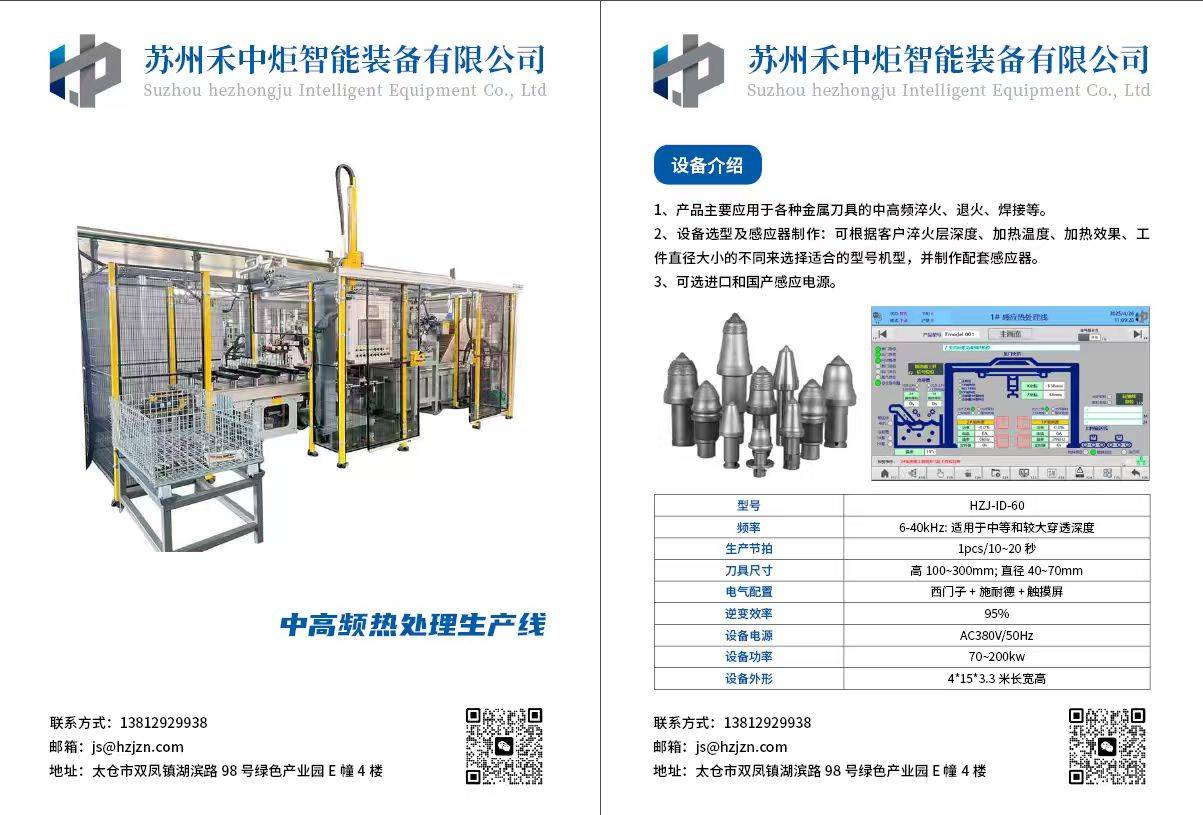
Excavator Bucket Teeth Heat Treatment Production Line
Suzhou Hezhongju Intelligent Equipment Co., Ltd.

Industrial and Commercial Point-Type Gas Detector
Jinan Benan Technology Development Co., Ltd.
High-Speed Railway Lifting, Transporting, and Erecting Equipment: Integrated Transport and Erection Machine
Hanjiang Heavy Industry Co., Ltd. of China Railway 11th Bureau Group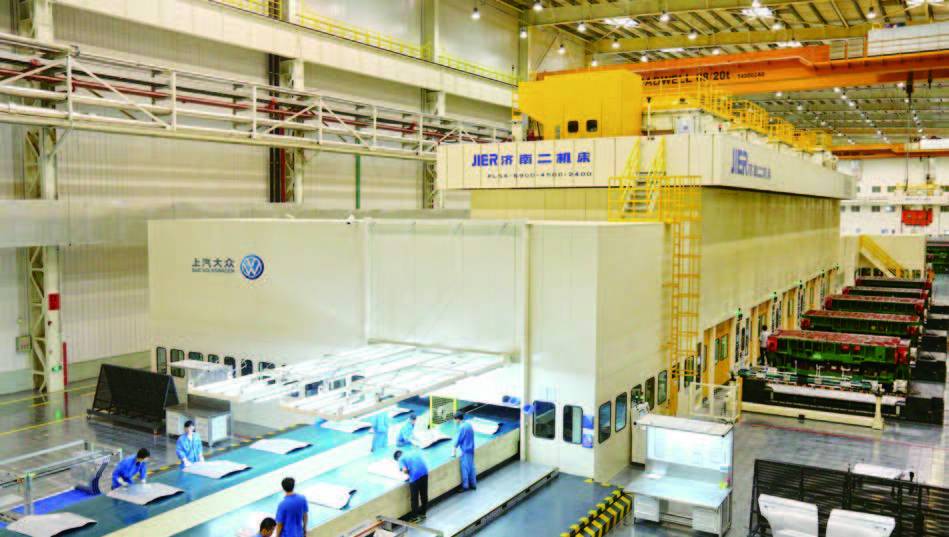
High-Speed Flexible Fully Automatic Stamping Production Line
JIER Machine-Tool Group Co., Ltd.