French 3DCeram and Avignon Collaborate on Aerospace Ceramic 3D Printing Slurry
en.Wedoany.com Reported - A video released by French company 3DCeram Sinto details its joint development collaboration with French ceramic injection molding (CIM) manufacturer Avignon Ceramic, which has been involved in ceramic 3D printing since 2017. The video demonstrates how additive manufacturing addresses core geometries that cannot be produced by injection molding, and outlines the results of the joint development of materials and processes for aerospace casting.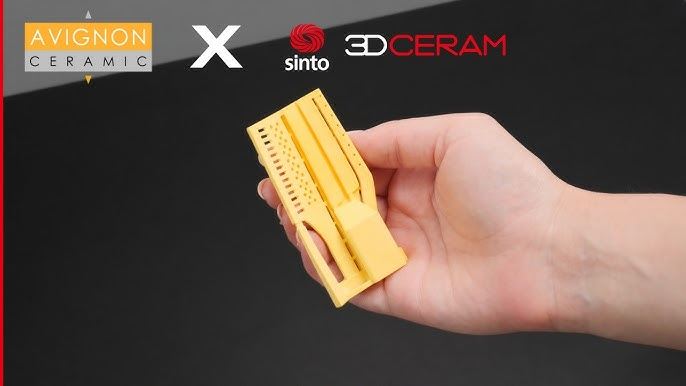
According to the video, Avignon Ceramic has historically focused on ceramic injection molding of ceramic cores for precision casting, serving aerospace and gas turbine companies such as Howmet, Rolls-Royce, and Safran. The company notes that the inability of ceramic injection molding to produce increasingly complex geometries (such as double-layer or triple-layer cores) prompted Avignon Ceramic to develop ceramic 3D printing capabilities starting in 2017, and to seek collaboration with 3DCeram.
According to the two companies, this collaboration combines Avignon Ceramic's expertise in minerals and cores with 3DCeram's knowledge of organic binders for 3D printing, resulting in a ceramic core slurry suitable for stereolithography (SLA) printing, applicable to directional solidification/single crystal casting (DS/SX casting).
Juile Josso, a chemical engineer specializing in materials at Avignon Ceramic, stated that the company uses 3DCeram's C100 Easy printer, which offers a wide range of adjustable parameters for various printing types. Josso said that the device employs a top-down SLA process, producing parts that closely match CAD designs, avoiding defects such as delamination and warping, while requiring low maintenance in regular industrial use.
According to the two companies, traditionally designing and manufacturing molds takes weeks or months, whereas 3D printing can deliver finished parts (including printing, sintering, and post-processing) within two weeks, with design changes completed in hours. 3DCeram Sinto stated that in 2025, this rapid turnaround led a major aerospace company to adopt 3D printing for military parts testing, with the project later transitioning to small-batch production.
Related Products
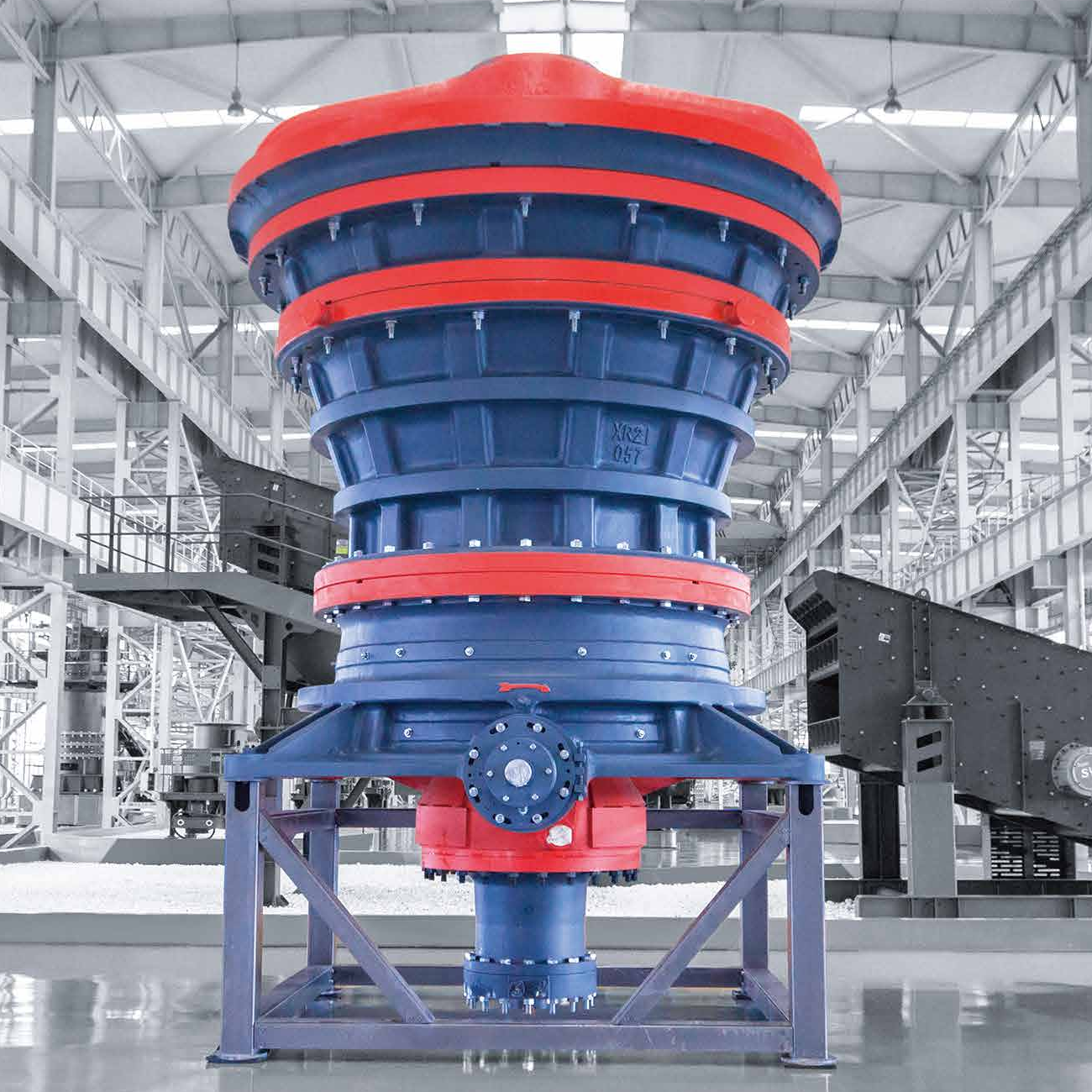


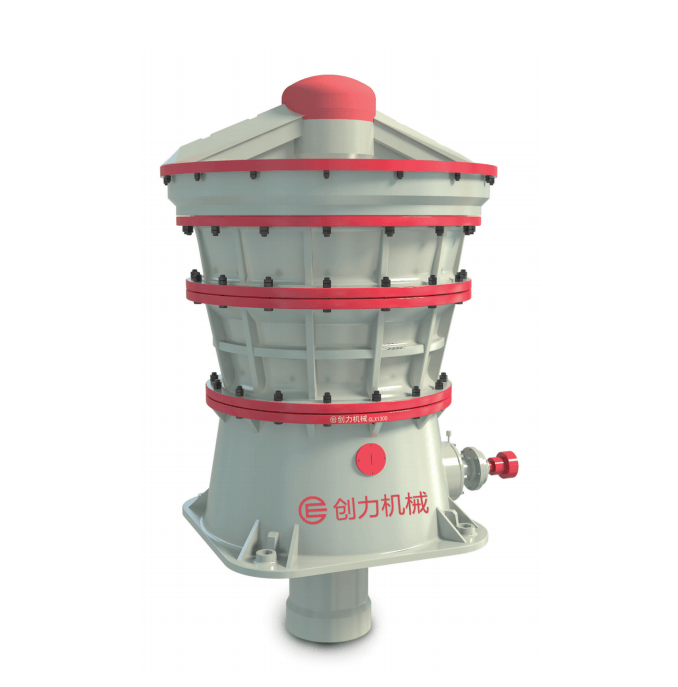
CLX Series Intelligent Hydraulic Gyratory Crusher
Guangdong CHUANGLI intelligent machinery Equipment Co., LTD
CAP1400 main feedwater flow nozzle flowmeter.
Jiangsu Hongda Instrument Technology Co., LTD.
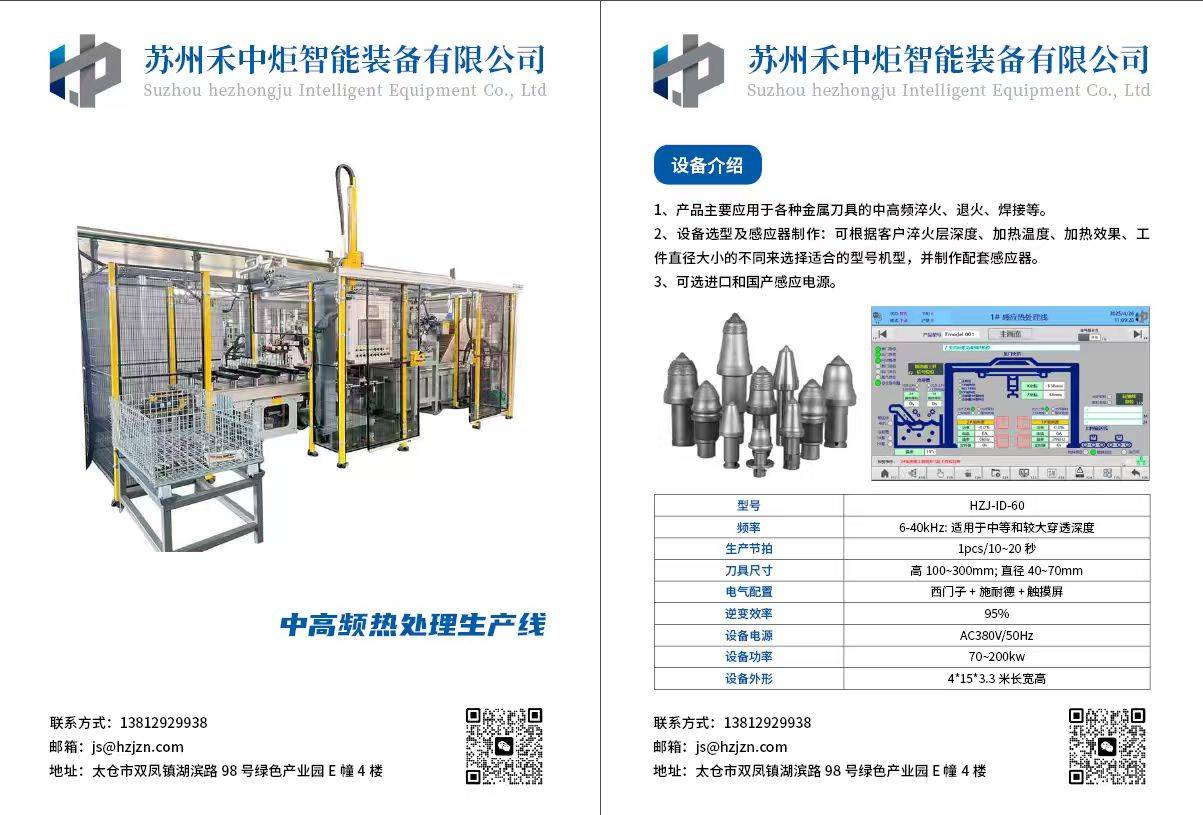
Excavator Bucket Teeth Heat Treatment Production Line
Suzhou Hezhongju Intelligent Equipment Co., Ltd.
High-Speed Railway Lifting, Transporting, and Erecting Equipment: Integrated Transport and Erection Machine
Hanjiang Heavy Industry Co., Ltd. of China Railway 11th Bureau Group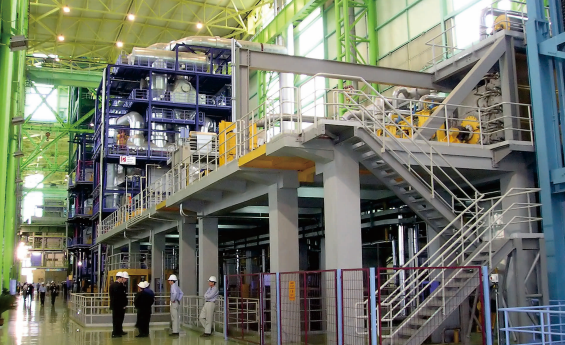
Strip Coating and Plating Production Line Equipment
MCC-SFRE HEAVY INDUSTRY EQUIPMENT CO., LTD.