European Demand Drives Surge in Secret Drone Production at Germany's Helsing SE
en.Wedoany.com Reported - In a concealed workshop in southern Germany, Helsing SE is producing 26-pound black foam attack drones. This scene reflects the rapid transformation of Europe's defense economy and military procurement models.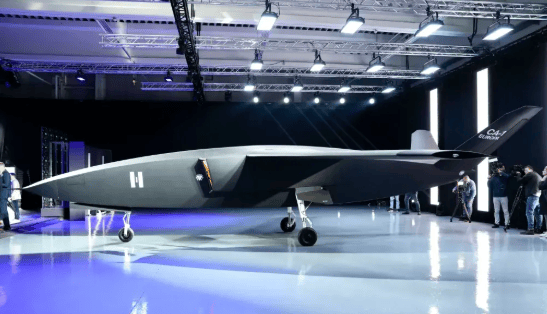
These production sites operate outside public view, but they are part of a rapidly changing landscape driven by wartime drone demand in Ukraine. Ukrainian forces currently rely on dispersed workshops and secret manufacturing lines to produce everything from $400 "kamikaze" drones to long-range platforms with a range of approximately 2,000 miles. This broader environment shapes the daily decisions of European companies like Helsing SE.
Helsing SE has become Europe's most valuable artificial intelligence defense startup, its rise tied to a procurement cycle vastly different from five years ago. Traditional suppliers like Lockheed Martin and Northrop Grumman continue to build high-end platforms that take years to deliver, but these timelines often clash with the pace of drone-centric warfare. An F-35 fighter costs over $100 million, while the drones on Helsing SE's production line cost and take only a fraction of that.
This shift did not originate in Europe. Ukraine's defense industry now supplies over half of the weapons used on its front lines, with local companies like Buntar Aerospace and General Cherry achieving mass production under battlefield pressure. According to military analysts, Ukrainian forces launch approximately 200 to 300 drones at Russian targets each night. This launch frequency reveals how high-volume, low-cost platforms influence strategy at both national and industry levels.
The U.S. Pentagon has requested a budget of $1.5 trillion for next year, with about $55 billion specifically allocated to building a new arsenal of unmanned, AI-driven weapons. The European Union, on a smaller scale, is piloting a €115 million project to fund AI defense companies and accelerate the development of similar systems. Recent reports from Reuters and Bloomberg indicate that venture capital interest in defense has grown faster than in most security-related markets.
Inside Helsing SE's factory, drones are packed into specialized transport containers immediately after assembly, ready for deployment. This rapid output echoes Ukraine's decentralized model, where approximately 250 domestic manufacturers now operate across the country. Some produce reconnaissance aircraft, while others focus on unmanned ground vehicles (UGVs). Ukrainian planners reportedly aim to field 20,000 UGVs this year. These companies share a core logic: using deliberately dispersed facilities to manufacture small, cheap systems at high volumes, thereby avoiding the risk of becoming targets.
According to MIT Technology Review, privately funded defense AI companies typically innovate faster than traditional contractors because they do not rely on multi-year procurement cycles. European defense think tanks note that NATO standards such as the STANAG series and ISO 21384-3 provide a foundation for these diverse systems to interoperate on the battlefield, but speed remains the dominant factor in development.
Countries are redesigning their arsenals around expendable systems and flexible supply chains. The drone shown by a Helsing SE manager may appear simple, but it directly embodies this logic: it can be quickly manufactured and replaced, with its autonomy reliant on software that updates far faster than any physical airframe.
Strategists are debating whether this shift will undermine the traditional defense industrial base or merely add a new layer on top of it. Many believe the two tracks will continue in parallel, as heavy platforms still play a role in deterrence and strategic missions. However, conflicts shaped by sustained drone use prioritize reliability, lower costs, and rapid re-equipment over the specific specifications of any single conventional aircraft.
Helsing SE responds to these dual priorities by developing autonomous drones and jets. These aircraft are designed to integrate with larger traditional systems while meeting the low-cost, fast-delivery standards of modern combat. The company's rise signals how Europe's defense sector anticipates changes in the nature of conflict and the speed at which the industrial base is adjusting.
This factory in southern Germany is a node in a growing network, marking a broader shift in defense technology. Emerging systems are lighter, more decentralized, software-defined, and driven by private innovators on accelerated timelines. The result is a market operating fundamentally differently from the procurement models of past decades, and Helsing SE embodies this new direction.
Related Products
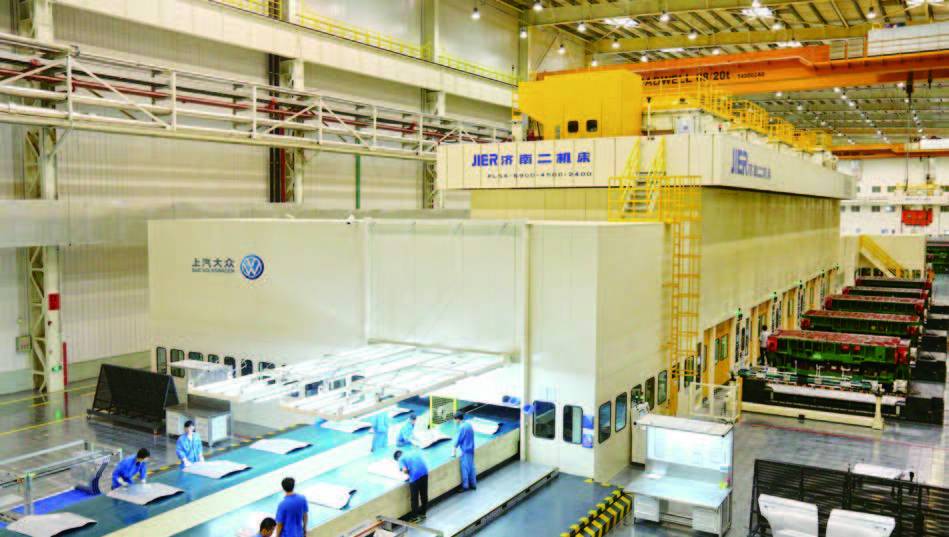

High-Speed Flexible Fully Automatic Stamping Production Line
JIER Machine-Tool Group Co., Ltd.
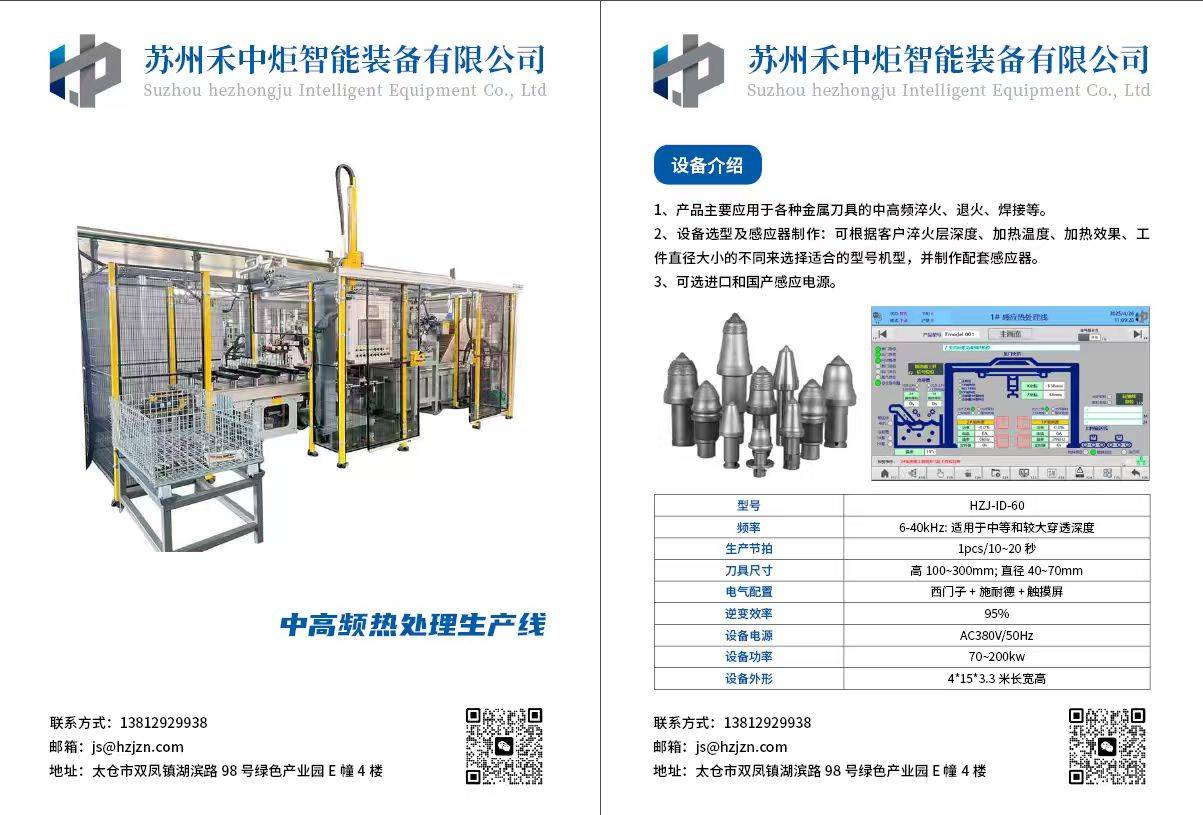
Excavator Bucket Teeth Heat Treatment Production Line
Suzhou Hezhongju Intelligent Equipment Co., Ltd.

CAP1400 main feedwater flow nozzle flowmeter.
Jiangsu Hongda Instrument Technology Co., LTD.
Strip Coating and Plating Production Line Equipment
MCC-SFRE HEAVY INDUSTRY EQUIPMENT CO., LTD.
LBH4000 Batch Environmental Protection Asphalt Mixing Plant | Asphalt Batching Plant | Asphalt Mixing Plant
Jilin Province Road Construction Machinery Co., Ltd.