China's STEP Doubles Welding Robot Shipments in H1 2026, Showcasing Nine Intelligent Workstations
en.Wedoany.com Reported - During the 29th Beijing·Essen Welding & Cutting Fair, China's STEP, as a key player in the industrial robot welding field, showcased nine intelligent robot workstations, covering smart solutions for manufacturing scenarios such as welding, cutting, and grinding.
In the first half of 2026, STEP's welding robot business shipments have already exceeded the total for the entire year of 2025. This growth is driven both by the release of demand for intelligent upgrades in industries such as heavy machinery manufacturing and automotive, and by the company's accumulated expertise in robot bodies, motion control, welding processes, and intelligent software platforms.
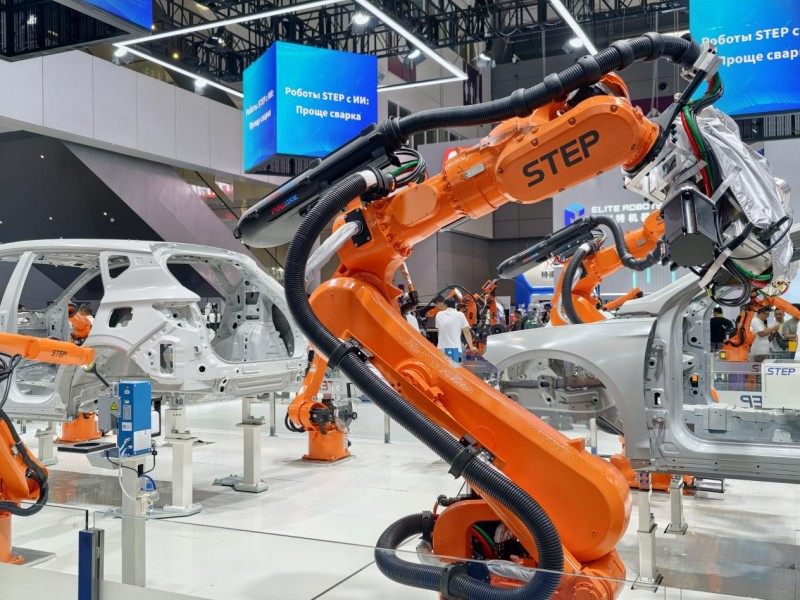
In response to the manufacturing industry's transition towards flexible, multi-variety, small-batch production, STEP demonstrated nine intelligent robot workstations at the exhibition, including automotive body-in-white spot welding, arc welding, dual-station welding, teaching-free welding, adaptive grinding, intelligent cutting, and welding process demonstrations, showcasing capabilities ranging from standalone equipment to complete intelligent manufacturing solutions.
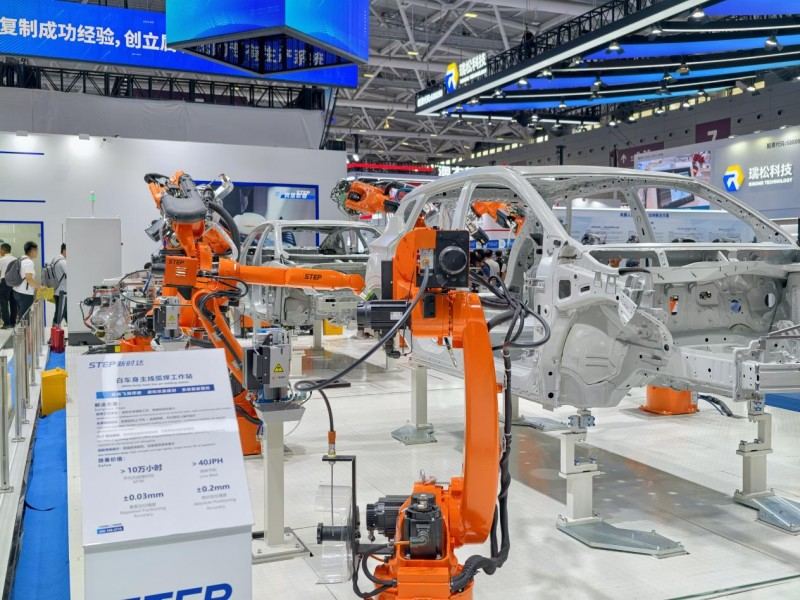
Among these, the body-in-white spot welding and arc welding solutions feature self-developed welding robots with a repeat positioning accuracy of ±0.03mm and a Mean Time Between Failures (MTBF) exceeding 100,000 hours. This solution has been deployed in welding workshops of OEMs such as Geely and is compatible with mainstream PDPS virtual simulation platforms, supporting full-line offline programming and digital commissioning.
The SmartRobot intelligent processing platform is one of the core technology platforms showcased. This platform integrates 3D vision, AI algorithms, motion control, and welding process knowledge to achieve full-process intelligence from workpiece identification and path planning to process matching. The teaching-free welding workstation built on this platform can automatically generate trajectories for complex welds in multi-variety, small-batch production scenarios such as steel structures, engineering machinery, and shipbuilding, and match parameters using a process expert library. This workstation can complete changeovers within 3 minutes, improving efficiency by over 25% and achieving a yield rate of over 98%. The platform can also be extended to processes such as cutting, grinding, and painting.
STEP continues to enhance its welding process ecosystem, developing specialized functions for arc welding applications such as high-voltage seam finding, arc tracking, multi-layer multi-pass welding, point laser seam finding, and multi-robot coordination, while integrating capabilities like tool changers, dressing, vision inspection, and PLC communication.
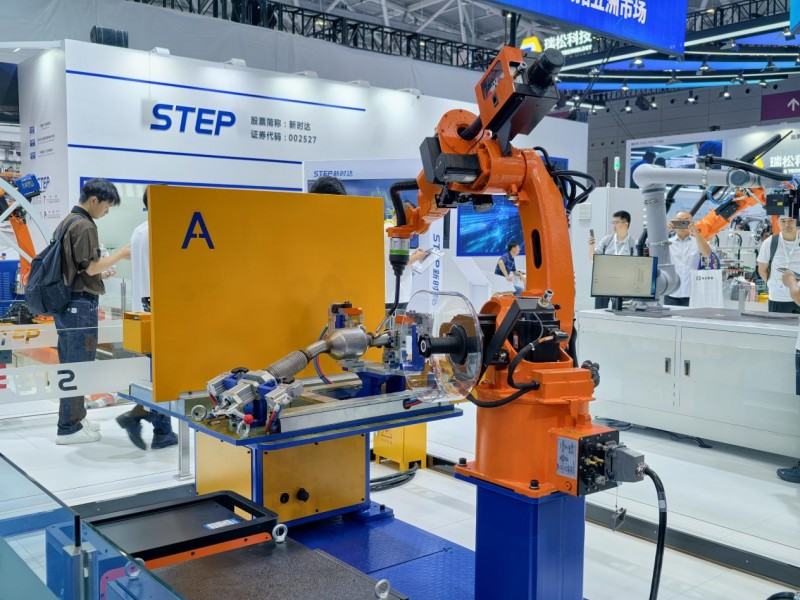
The exhibition also featured processes such as twin-wire laser filler wire and ultra-low spatter arc welding. Through deep integration of robot bodies, control systems, process software, and standardized welding packages, the products are ready for out-of-the-box use. STEP welding robots have been applied in multiple fields including automotive and parts, shipbuilding, steel structures, port machinery, and engineering machinery.
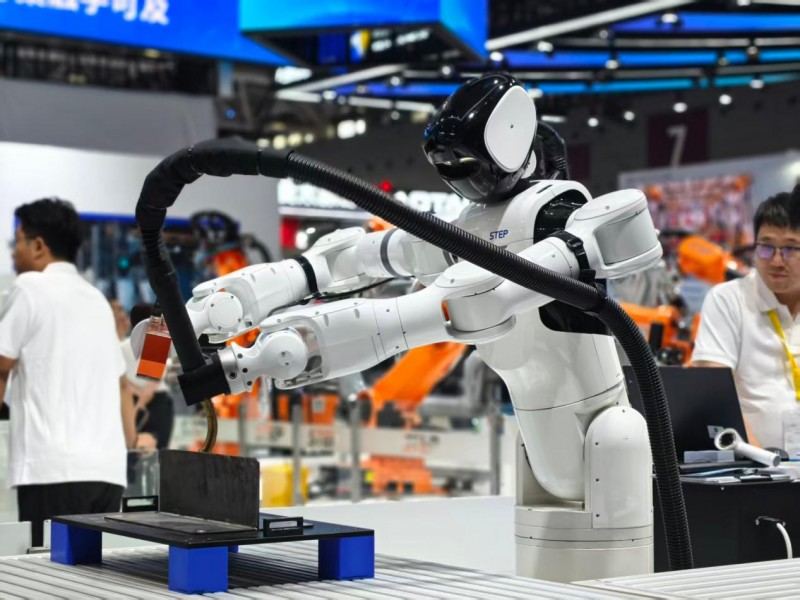
The industrial-grade humanoid robot intelligent welding workstation showcased at the exhibition adopts a dual-arm collaborative design and an integrated multi-layer heterogeneous intelligent control system. The wheeled humanoid robot handles material handling and loading/unloading, while the upright humanoid robot focuses on welding and inspection, achieving millisecond-level synchronization and "weld while inspect" capability. Changeover time is reduced to within 10 minutes, supporting 24/7 continuous operation.
From the doubling of welding robot business shipments to the debut of nine intelligent workstations and the iteration of the SmartRobot platform, STEP is progressively building a technology system covering robot bodies, control systems, process software, and intelligent platforms. Leveraging the digital capabilities and industrial application scenarios of the Haier ecosystem, the company is driving the integration of AI, visual perception, industrial software, and robotics technology, transforming welding from experience-dependent to intelligent decision-making and full-process automation.
Related Products


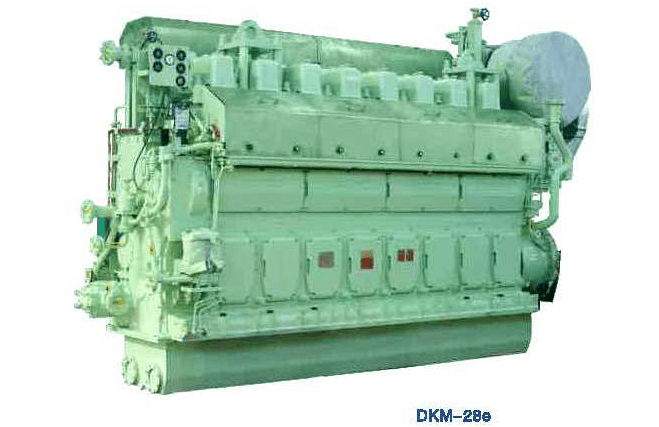

CAP1400 main feedwater flow nozzle flowmeter.
Jiangsu Hongda Instrument Technology Co., LTD.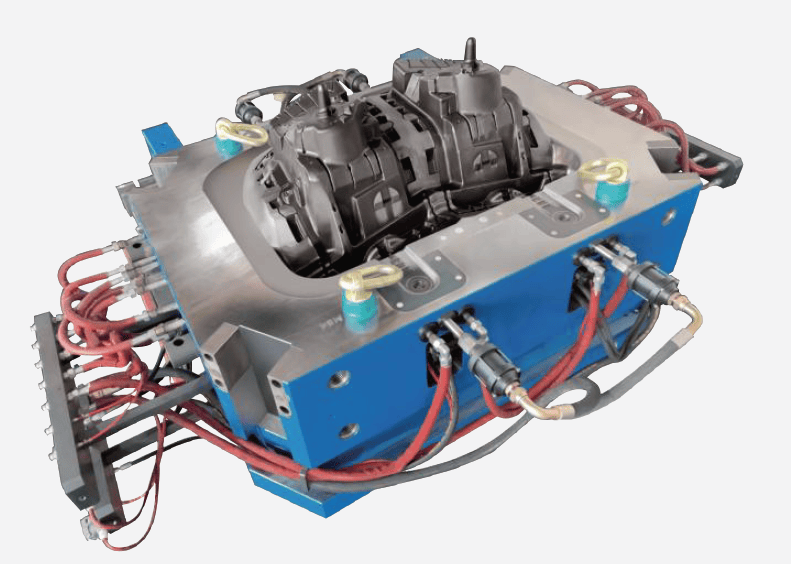
Aluminum-Magnesium Alloy High-Pressure Die-Casting Molds
NINGBO HELI TECHNOLOGY CO., LTD.
Pallet Solutions Product Line: HD3000 Double-Column Stacker Crane
Zhongding Intelligent (Wuxi) Technology Co., Ltd.
Strip Coating and Plating Production Line Equipment
MCC-SFRE HEAVY INDUSTRY EQUIPMENT CO., LTD.
Standard Nozzle Flowmeter
Jinggong Automatic Control Instrument Complete Technology Development Company
QLZNGJ Intelligent Steel Reinforcement Trolley
Luoyang China Railway Qiangli Machinery Co., Ltd.