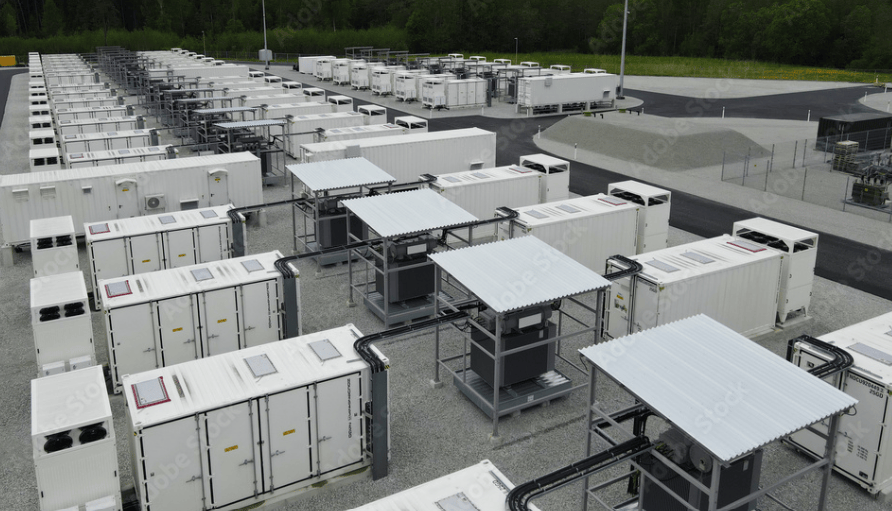
South Africa's Cinergy Launches Smart Diesel-Free Mobile Power Solutions
en.Wedoany.com Reported - Cinergy Mobile Power has recently launched smart diesel-free mobile power solutions in South Africa, targeting the film, television, and outdoor live event industries with a cleaner, quieter temporary energy system. The company claims to be the first in South Africa to focus on providing customized smart mobile power solutions for the African film and entertainment industry.
With battery prices dropping significantly over the past 15 years, the competitiveness of pure electric vehicles has improved. Maarten Vinkhuyzen previously predicted that battery prices would fall by another 70% in the next five years. This trend not only affects car retail prices but also creates opportunities in the stationary power service sector. Industries such as film, television, and outdoor events have long relied on diesel generators, resulting in high operational costs. Driven by lower-cost LFP (Lithium Iron Phosphate) batteries, diesel-free smart power systems are emerging as an alternative.
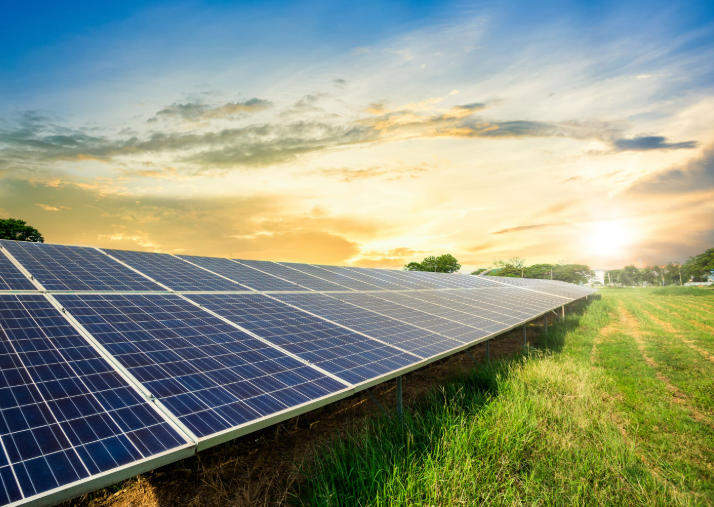
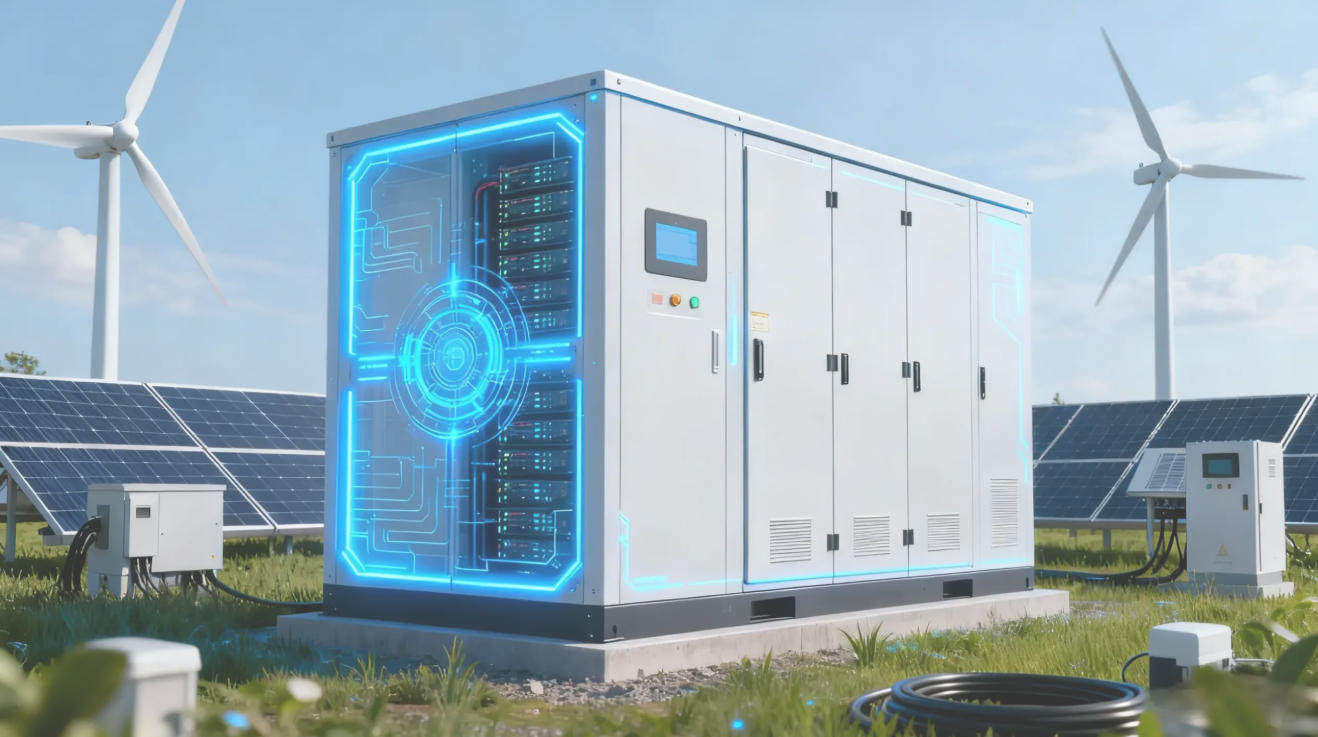
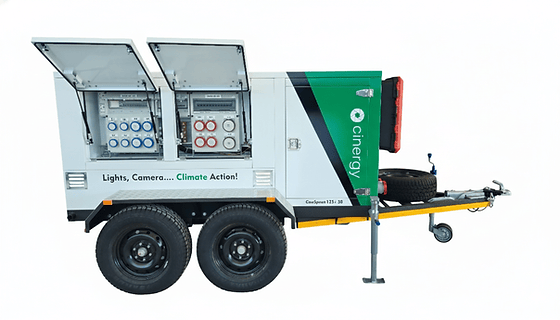
Cinergy's modular solar hybrid and battery systems are designed to replace diesel generators, providing silent, cost-effective, zero-emission, and grid-independent energy, along with real-time performance monitoring and data insights. These systems are designed to integrate with existing workflows, requiring no changes to plans for producers and event organizers.
Abe Cambridge, co-founder of Cinergy Mobile Power, stated: "Energy has become a strategic production variable, impacting schedules, filming locations, sound quality, crew health, permit applications, and budgets. Cinergy is a practical alternative to diesel, operating in line with existing practices but with lower emissions, less noise, higher reliability, and data-driven insights to maximize efficiency."
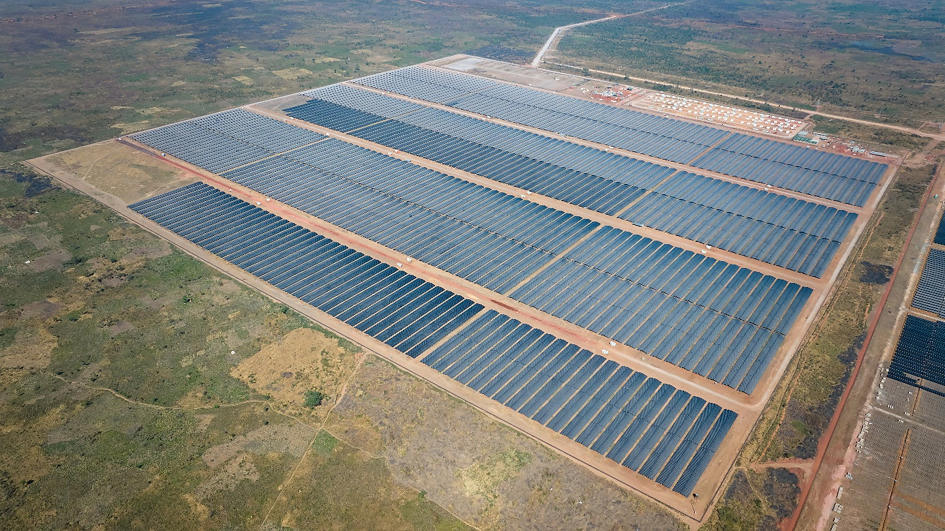
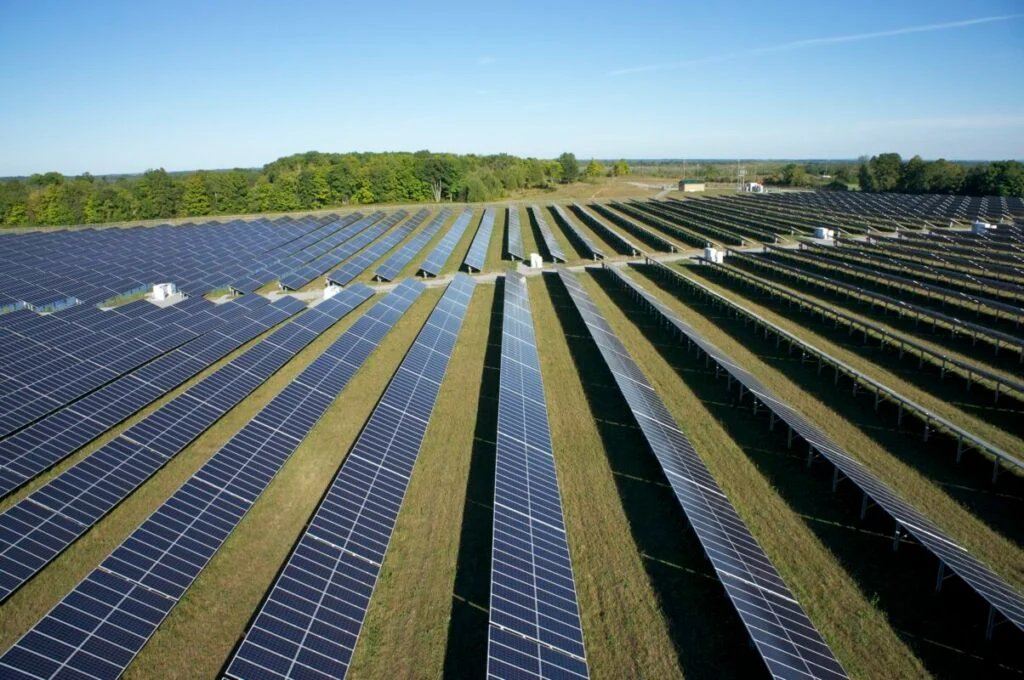
Netflix has already used Cinergy's solutions for the second season of its series "One Piece," Netflix's largest production filmed in Africa. For this project, Cinergy's CineVault 400 kWh battery and 150 kW CineRay solar photovoltaic system powered the base camp at Cape Town Film Studios for 24 weeks, avoiding approximately 78 tons of CO2 emissions. Cinergy's CineSprint 90 kWh battery and 60 kW CineRay solar photovoltaic system powered off-site filming for 8 weeks, avoiding approximately 15 tons of CO2 emissions. Thanks to Cinergy, the second season of "One Piece" became the first African film production to use a solar-powered base camp. Cinergy staff monitored and managed these systems throughout, ensuring optimal performance and providing energy usage insights.

Globally, many film studios and live event producers are reducing diesel usage and adopting alternative mobile power systems to meet emission targets, lower power costs, achieve quieter operations, and improve logistical flexibility. Cinergy is bringing these solutions to the South African market. The South African film industry is a significant contributor to the country's economy, supporting tens of thousands of jobs. A 2024 report shows that foreign film productions invested 2.52 billion South African rand in South Africa, with every rand spent generating an additional 2.50 rand in broader economic activity. It is estimated that power supply alone accounts for 10% to 15% of this investment. With rising operational and diesel costs, increasing regulatory complexity, and growing sustainability demands from international producers, clean and quiet mobile power is shifting from a preference to an operational requirement. Advances and price reductions in stationary battery storage offer opportunities to lower operational costs during film shoots.
Cinergy's mobile systems use modular solar hybrid and battery platforms to replace diesel generators, configurable for applications ranging from small commercial shoots to large productions and multi-stage outdoor festivals. Features include: point-of-use silent and zero-emission operation; remote monitoring for real-time optimization; energy usage insights for improved efficiency; rapid deployment; low maintenance costs with no refueling; seamless integration with existing workflows; and total costs comparable to or lower than traditional fossil fuel solutions. These systems have been field-proven on sets and stages.
Cinergy's systems also powered an ITV Studios reality TV production in South Africa's Mpumalanga province, using fuel-cell-free and solar systems to supply an outdoor temporary studio—including lighting, air conditioning, and cameras—for an entire week. Phil Holdgate, Head of Production Sustainability at ITV Studios, stated: "Producers are looking for innovative solutions that reduce emissions without sacrificing reliability and resilience. Cinergy has proven that clean energy can be practical and cost-effective on location."
Beyond film, Cinergy also provided temporary clean power infrastructure for the 2025 AfrikaBurn event in Tankwa Karoo. AfrikaBurn is a renowned off-grid cultural festival and the largest official regional Burning Man event. For nearly six weeks, solar hybrid and battery systems provided continuous power for all operations in the remote desert environment, with only limited generator use during peak main event hours. This deployment reduced noise, fuel transport, and on-site emissions while providing organizers with energy usage insights.
Cinergy's expansion is supported by Holocene, a climate-focused venture capital firm, which has committed approximately 8 million South African rand in investment to Cinergy. Joshua Romisher, General Partner at Holocene Ventures, said: "Cinergy is exactly the kind of pragmatic climate innovation we look for at Holocene—a company solving a real, widespread problem with better technology. Diesel generators are an overlooked source of emissions, and Cinergy is replacing them with systems that are cleaner, quieter, and save producers money. With proven traction among major international producers and a team adept at scaling climate technology in Africa, we believe this is just the beginning."
Cinergy also partners with local solution providers, with its systems utilizing high-performance, locally manufactured battery solutions from South African energy storage producer Freedom Won.
Related Products


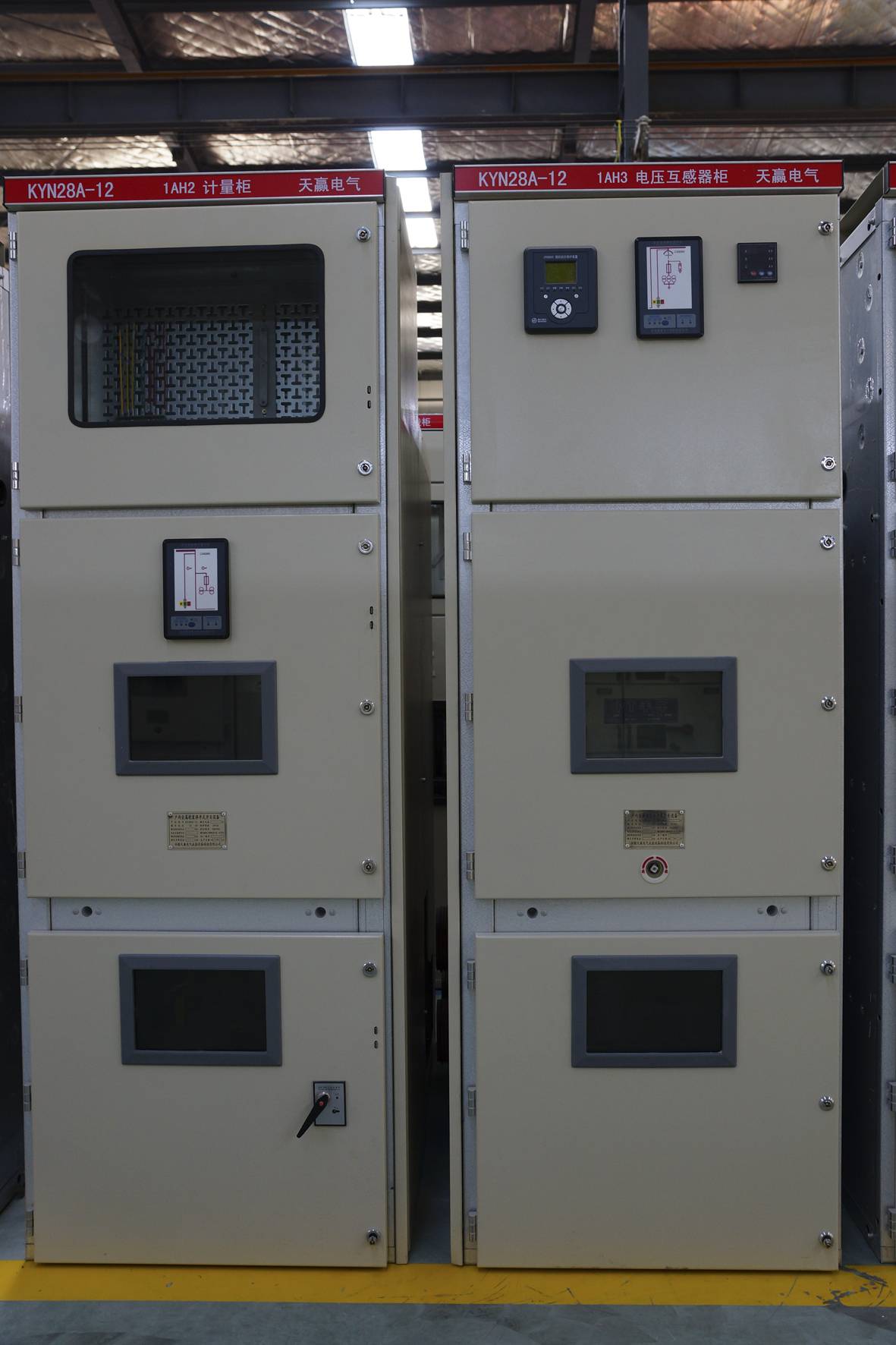
KYN28 - High Voltage Switchgear
Anhui Tianying Electrical Equipment Manufacturing Co., Ltd.
220kV Composite Outdoor Cable Terminal
Shenyang Guolian Cable Accessories Manufacture Co., Ltd.
Perfluorinated Ionic Membrane-CM-10N Series Membrane
Guizhou Juneng Century Technology Co., Ltd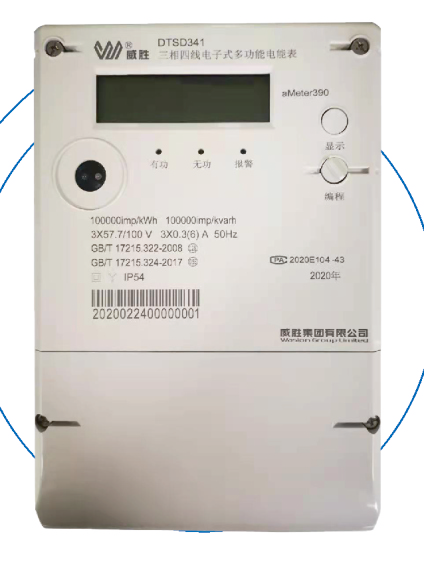
Overseas IEC Gateway Energy Meter - DTSD341/DSSD331-aMeter390
Wasion Group Limited Co., Ltd.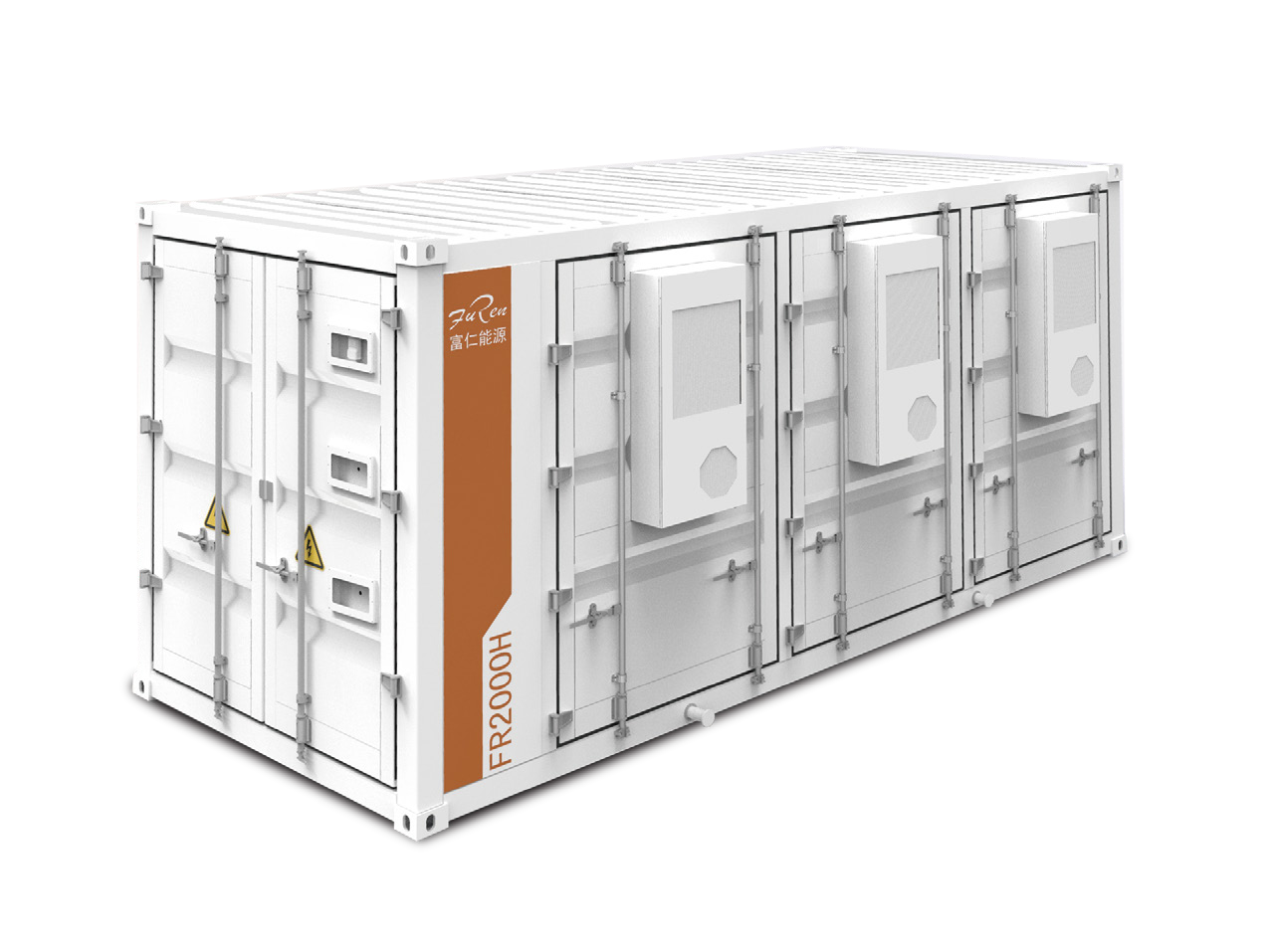
FR2000H 2.15MWh (Air-cooled) 20-foot Containerized Energy Storage System
Jiangyin Furen High-tech Co., Ltd.
6kV-35kV Medium and High Voltage Direct-Connected Energy Storage System
Hainan Jinpan Smart Technology Co., Ltd.