ATHA Energy Reports 37-Meter Composite Uranium Mineralization in Canada
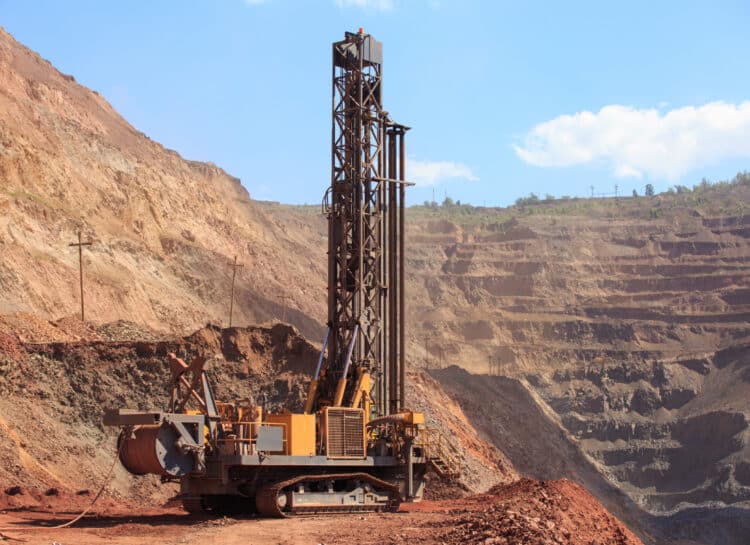
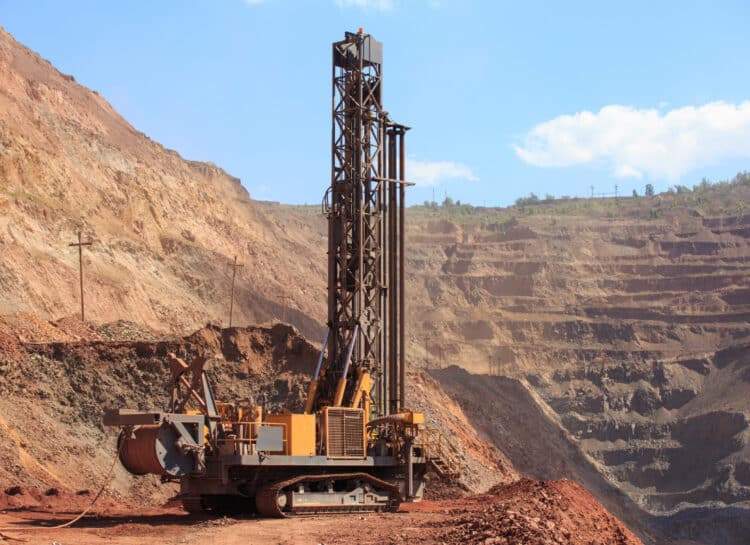
en.Wedoany.com Reported - ATHA Energy Corp. has released initial diamond drilling results from its 2026 exploration program at the 100% owned Angilak uranium project in Nunavut, Canada, confirming the continuity of uranium mineralization at the RIB North discovery zone.
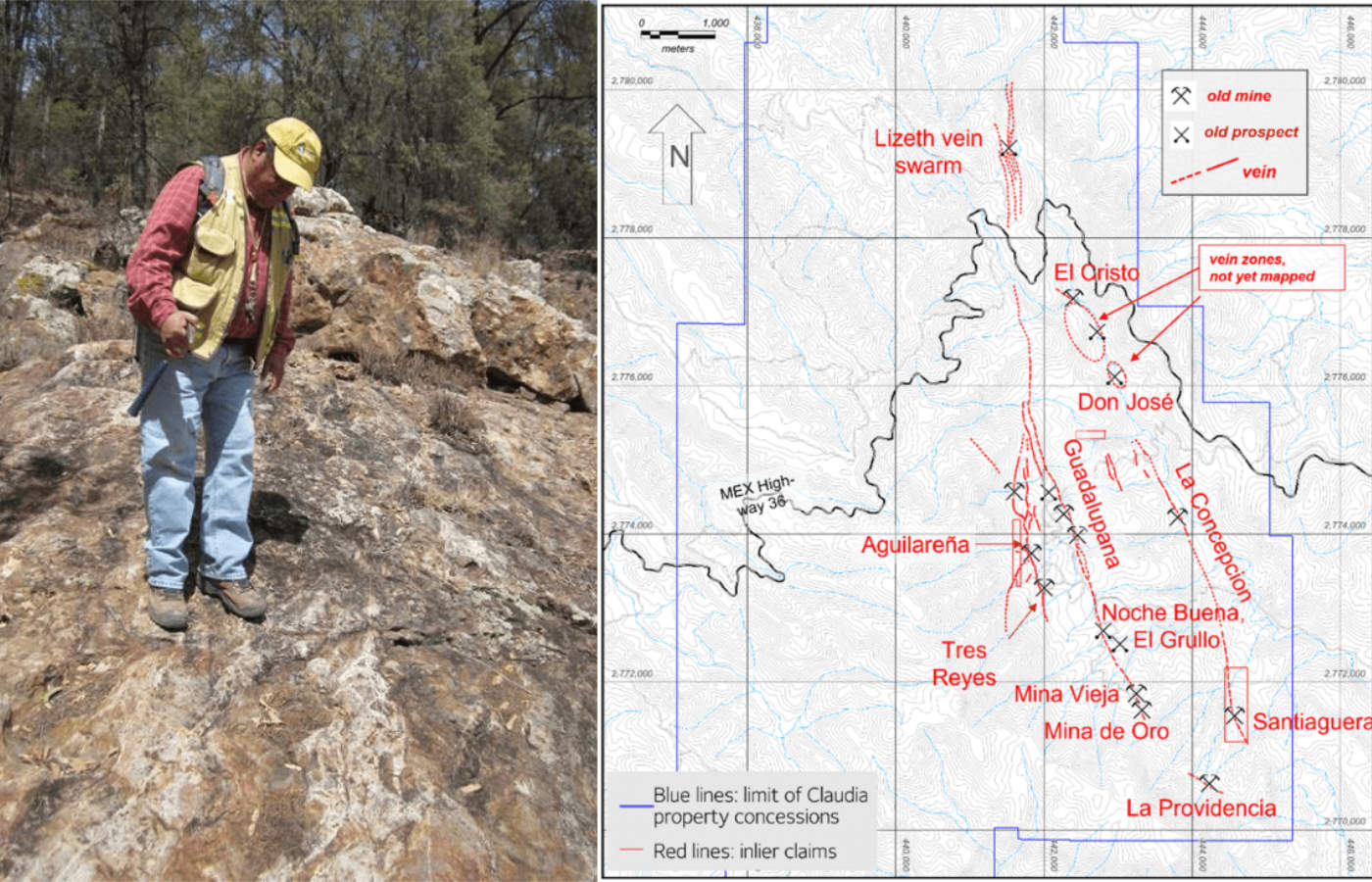
The announcement details results from the first eight diamond drill holes completed at the RIB North discovery zone. This area is located on the eastern flank of the mineralized RIB Corridor (MRC), with mineralization extending over 300 meters along strike from the initial discovery hole. Additionally, the company identified a secondary east-west mineralized structure on the western flank of the MRC, approximately 1 kilometer from the main RIB North discovery zone. The MRC spans 18 kilometers, the Lac 50 deposit corridor spans 21 kilometers, and the KU-Nine Iron corridor spans 14 kilometers, with all mineralized corridors remaining open and unconstrained.
Six of the eight drill holes intersected mineralization. The strongest results came from a hole successfully targeting uranium mineralization approximately 120 meters northwest along strike from the initial discovery hole. This hole intersected 37.0 meters of total composite uranium mineralization across 15 zones, from 541.7 meters to 652.0 meters. The widest mineralized zone was an 8.5-meter composite from 541.7 meters to 550.2 meters, averaging 696 counts per second (CPS) with a maximum of 4,612 CPS. The highest-grade interval was a 4.5-meter composite from 571.7 meters to 576.2 meters, averaging 4,589 CPS with a maximum of 14,773 CPS, including over 1.0 meter of high-grade mineralization.
A separate drill hole successfully targeted uranium mineralization on the newly identified secondary east-west horizon, 1 kilometer from the main RIB North discovery zone, intersecting 14.0 meters of total composite uranium mineralization across nine zones from 398.0 meters to 646.0 meters. High-grade mineralization occurred in two zones: the first from 427.0 meters to 429.5 meters, averaging 2,529 CPS, including 20 centimeters of high-grade mineralization with a maximum reading of 11,798 CPS; the second from 436.0 meters to 438.5 meters, averaging 2,711 CPS, including 10 centimeters of high-grade mineralization with a maximum reading of 11,725 CPS. An ongoing drill hole targeting 100 meters up-dip from the widest mineralized intersection above has so far intersected 17.5 meters of total composite uranium mineralization across six zones from 298.5 meters to 516.5 meters. The widest zone was 14.5 meters of continuous mineralization, averaging 1,507 CPS, including 20 centimeters of high-grade mineralization with a maximum reading of 13,807 CPS.
Mineralization at RIB North has now been identified on two distinct horizons, corresponding to the eastern and western flanks of the MRC. Mineralization on both horizons is basement-hosted vein-type uranium mineralization, associated with strong albitization and hematite alteration, graphite and sulfide structures, and superimposed silicification, similar in style and width to mineralization observed in other basement-hosted deposits in the Athabasca Basin.
The 2026 Angilak exploration program is the largest to date at the project, comprising both diamond drilling and airborne geophysics. Drilling commenced on May 1, 2026, with plans to complete approximately 20,000 meters using three diamond drill rigs, continuing through the end of September. The geophysics component includes a magnetotelluric (MMT) survey conducted by Expert Geophysics, scheduled to begin in early July, with 3D inversion modeling expected to be completed in the fourth quarter of 2026.
The company plans to advance testing of three target zones through drilling. Within the mineralized RIB Corridor, further discovery and step-out drilling builds on the 2025 program, which yielded four separate uranium mineralization discoveries, including the RIB North initial discovery hole intersecting 34.7 meters of composite uranium mineralization, with a 0.5-meter interval grading up to 8.16% uranium oxide. Within the Lac 50 deposit corridor, drilling will test new high-priority targets generated from 3D inversion modeling. Within the KU-Nine Iron corridor, drilling will follow up on high-priority 3D inversion targets directly aligned with uranium mineralization encountered in the 2025 KU program and historical Nine Iron discoveries. The geophysics component will acquire complete MMT coverage over ATHA's 100% owned Angikuni Basin, with the resulting survey data used to develop a 3D inversion model for the entire basin.
In next steps, the company will continue its systematic wide-spaced drilling approach for the remainder of the 2026 Angilak exploration program to define the extent of the RIB North mineralized footprint, which remains open in all directions. Beyond RIB North, ATHA also intends to follow up on additional RIB East, West, and South discoveries identified during its 2025 exploration campaign. The MMT airborne geophysical survey is scheduled to begin in early July, with diamond drilling planned to continue through the end of September. The 18-kilometer MRC, 21-kilometer Lac 50 deposit corridor, and 14-kilometer KU-Nine Iron corridor all remain open and unconstrained.
Related Products


Comprehensive Mining Automation Control System
Beijing Tianma Intelligent Control Technology Co., Ltd.


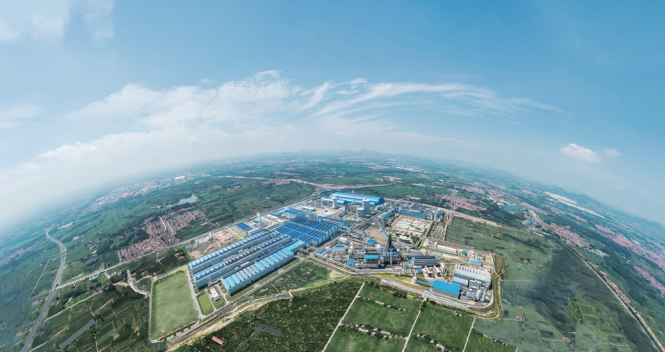
Linyi Steel Investment Special Steel 2.7 Million Tons per Year High-quality Special Steel Project
Capital Engineering & Research Incorporation Limited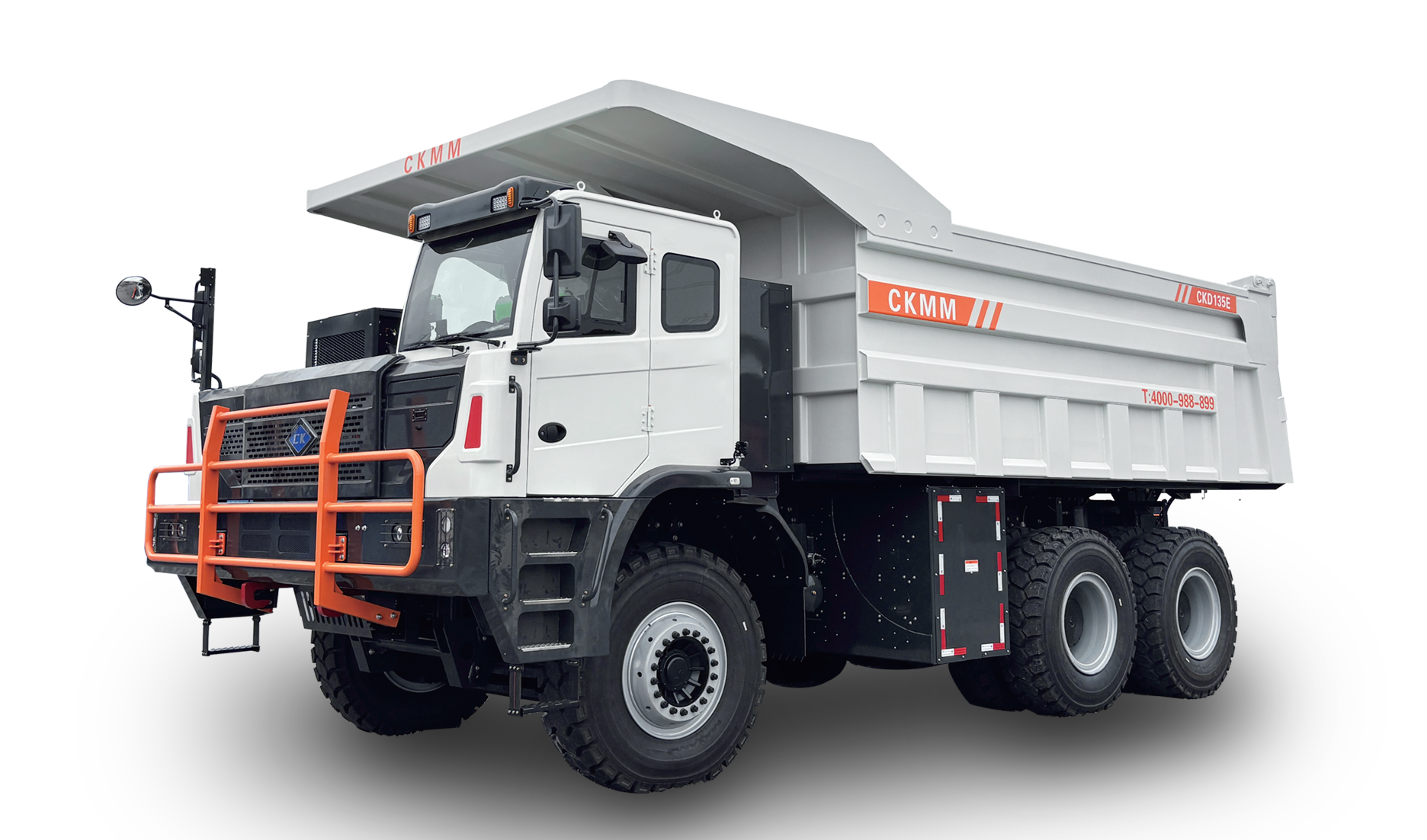
CKD135E Pure Electric Wide-body Dump Truck
Jiangsu Changkuang Engineering Machinery Co. Ltd.

CITIC Heavy Industries Metallurgical Equipment Steel Smelting Engineering Equipment
CITIC Heavy Industries Co., Ltd.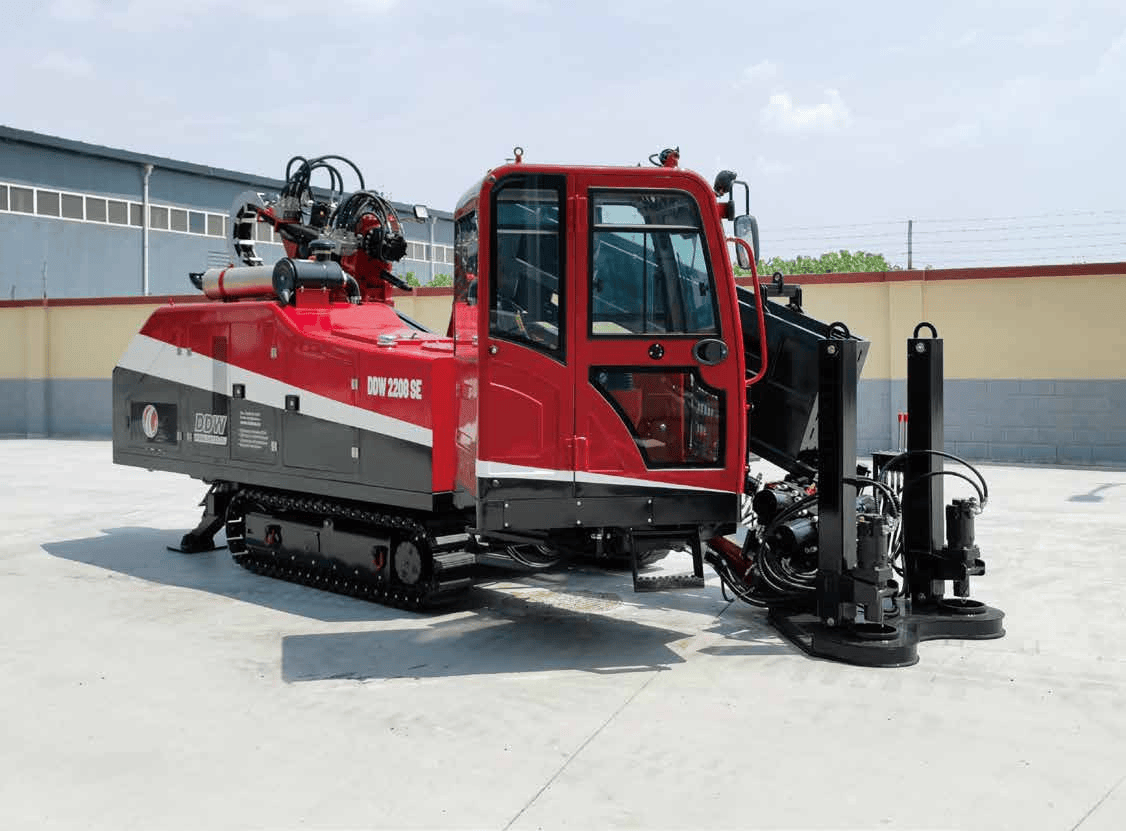
DDW22/08SE-HORIZONTAL DIRECTIONAL DRILL
DW/TXS Construction Equipment (Beijing) Co., Ltd.