SanDisk BiCS10 Chip Sampling, Plans to Launch 512TB SSD in 2027
en.Wedoany.com Reported - SanDisk and Kioxia have begun sampling the BiCS10, their jointly developed tenth-generation 3D NAND flash chip. This 1Tb TLC chip features a design with 332 storage layers integrated into a single die, achieving an areal bit density of over 29Gb per square millimeter, which SanDisk claims is industry-leading.
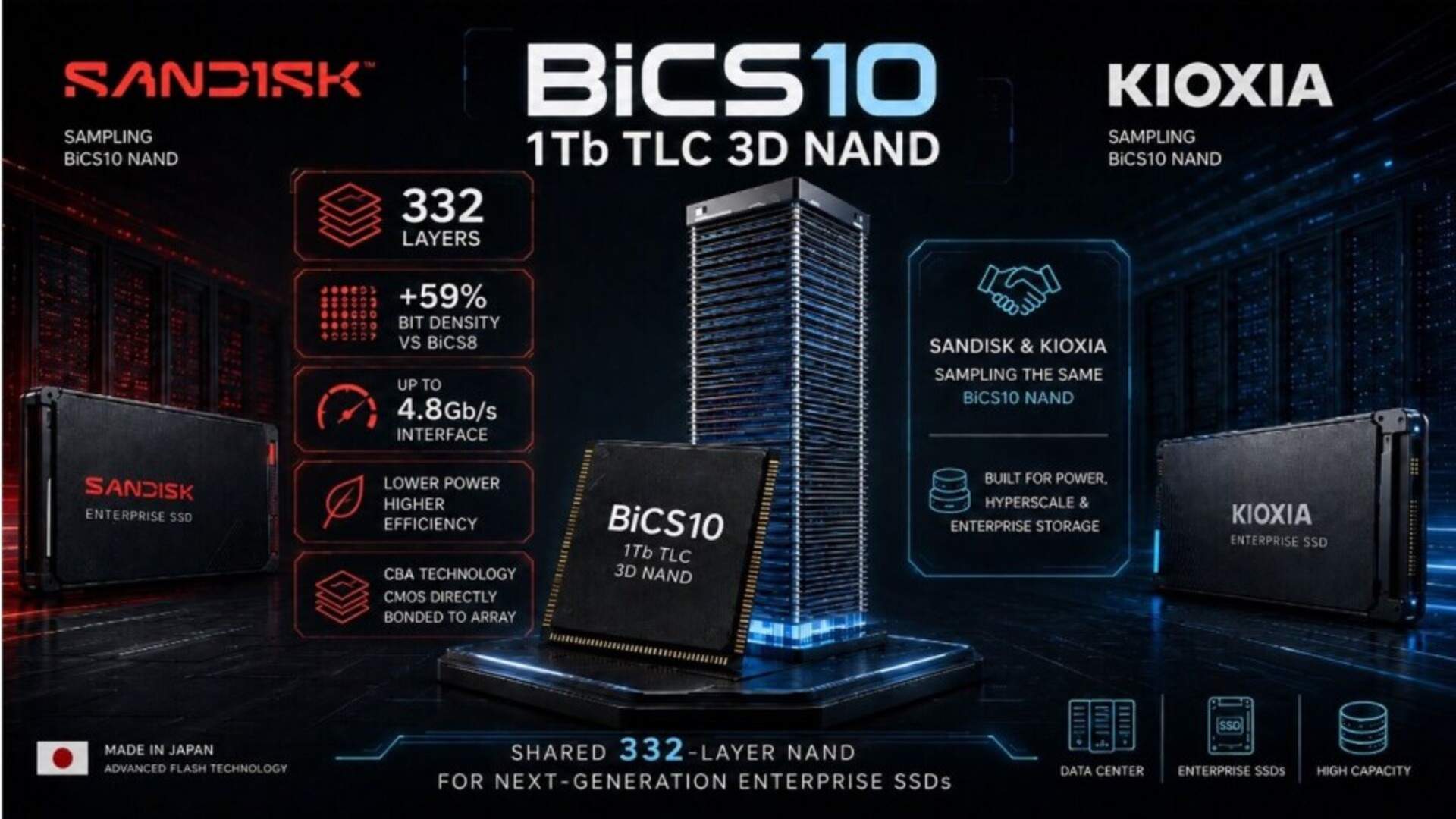
The bit density of BiCS10 is 59% higher than the currently mass-produced previous generation BiCS8. The chip utilizes SanDisk's CMOS directly bonded array architecture and is paired with a new Toggle DDR6.0 interface, boosting data transfer speeds to 4.8Gb/s, a 33% improvement over the previous generation interface speed. Energy efficiency has also been enhanced, with input power consumption reduced by 10% and output power consumption by 34% compared to BiCS8.
SanDisk has outlined a roadmap centered on this chip, targeting a 256TB SSD in 2026 and a 512TB drive in 2027. The company also revealed plans for a future 1PB data center drive, though no specific launch year has been set. These capacity increases rely on the adoption of QLC memory, with SanDisk planning to transition most capacity-focused products to QLC by 2028.
The BiCS10 uses a 1Tb TLC die design, with capacity improvements achieved through layer stacking and enhanced lateral scaling. The two companies increased density by adding more layers, improving layouts, and adopting new circuit designs, rather than increasing the number of bits per storage cell. The new generation achieves a data transfer rate of 4.8Gbps, while read energy consumption is reduced by 29% compared to previous designs. These improvements aim to boost capacity without compromising endurance and reliability.
Pricing for existing high-capacity enterprise drives can serve as a reference. Solidigm's 122.88TB D5-P5336 series currently retails for approximately $49,275 to $64,168. Based on cost per TB, SanDisk's 512TB drive could exceed $300,000 when it launches in 2027. Competition in this space remains fierce, with Kioxia, Samsung, Solidigm, and Micron all racing to achieve similar capacity milestones on comparable timelines. Samsung has separately confirmed plans to launch a 512TB PCIe 6.0 drive around 2027, with a 256TB Gen 5 product expected in 2026. NAND supply remains tight, with flash contract prices projected to rise 70% to 75% quarter-over-quarter through mid-2026, driven primarily by enterprise demand related to generative AI infrastructure.
Related Products


MUX Series Communication Interface Device for Security and Stability Control System
Nanjing NR Electric Co., Ltd.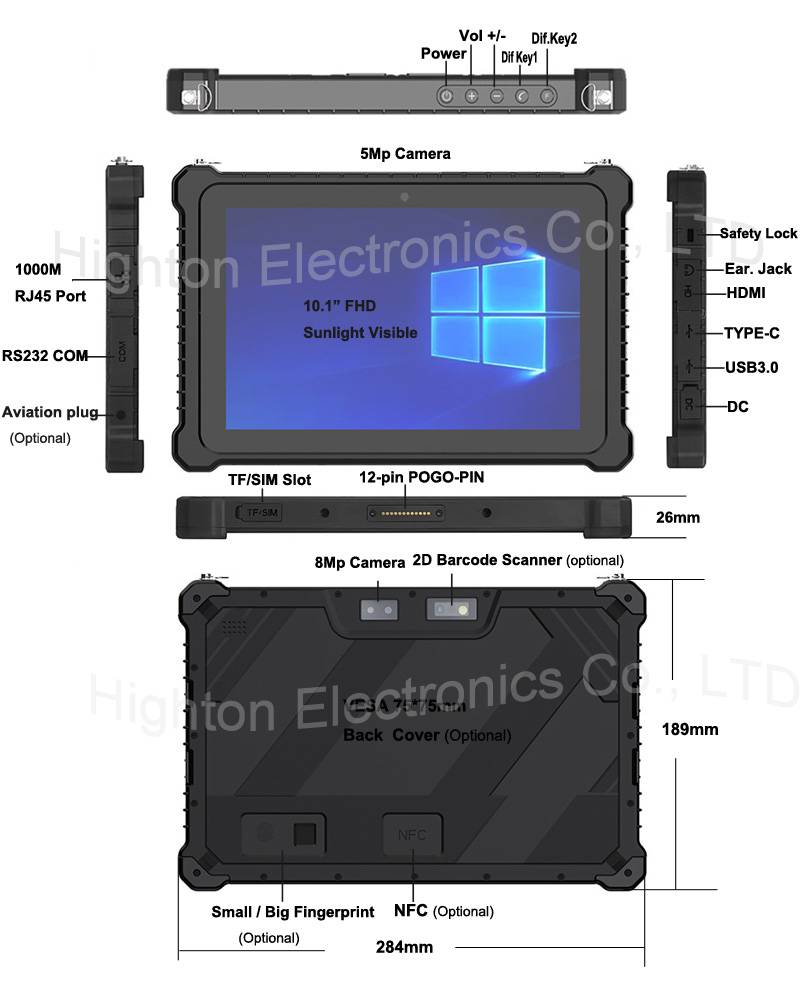
Hot Selling 10 Inch Intel N5100 I5 I7 FHD 8 +128GB 16+256GB Win10 Pro Win11 Pro 4G 5G Rugged Tablet PC Pad with NFC Barcode
Highton Electronics Co., Ltd.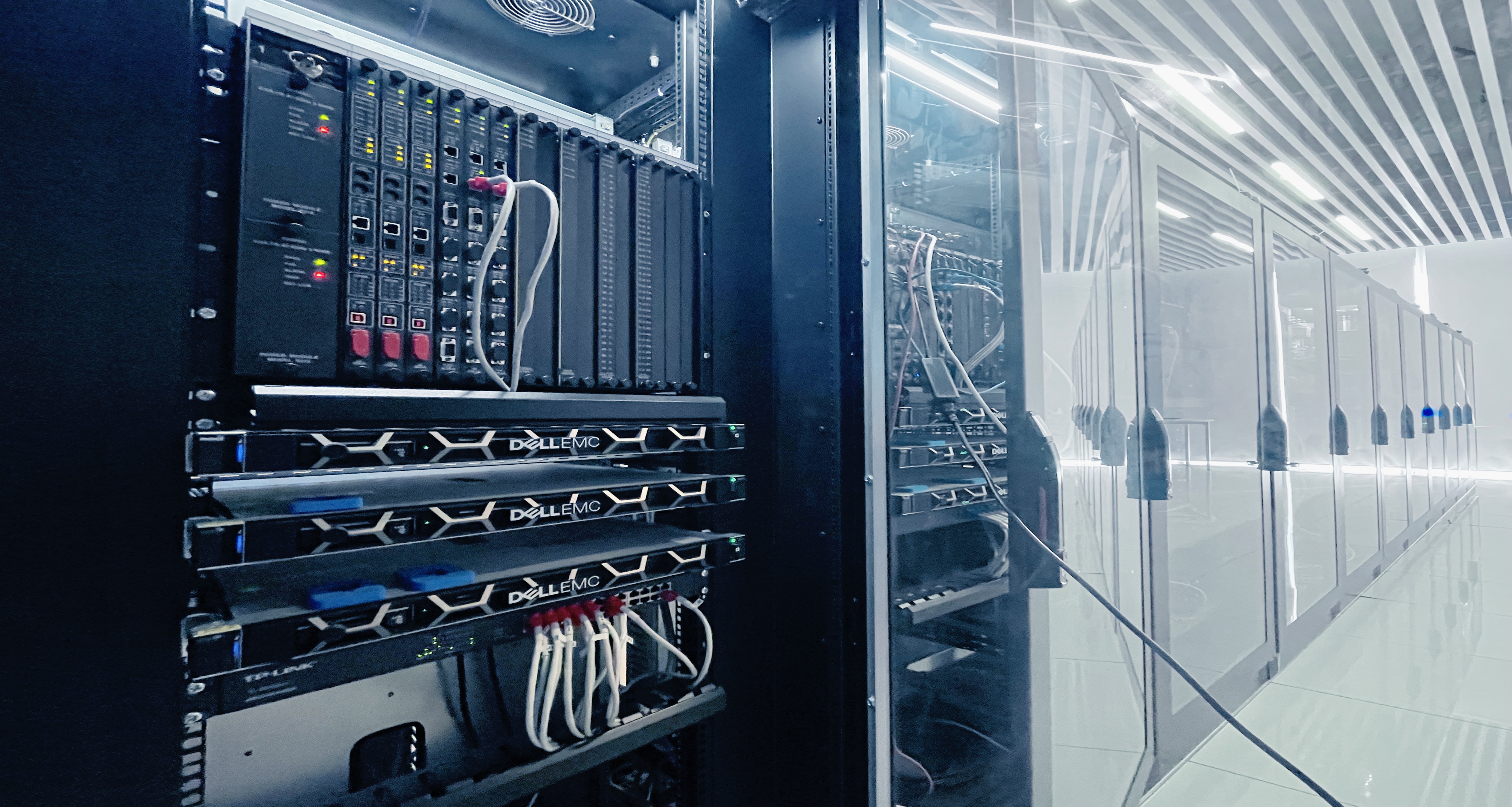

TWP16 P-Band Tropospheric Wind Profile Radar
China Huayun Meteorological Technology Group Co., Ltd.
Mine Explosion-proof and Intrinsically Safe Industrial Ethernet Ring Network (10 Gigabit/Gigabit)
Chongqing Mas Sci&Tech Co., Ltd.
Flat Portable Satellite Terminal 0.35m Aperture Manual Portable Terminal
China Starwin Science & Technology Co., Ltd.
20 Inch 1600*900 Full HD 60Hz TFT LED Monitor with VGA and DP Interfaces for Desktop Computers-Business Use
Guangzhou Zanying Optoelectronics Technology Co., Ltd.
Comprehensive Mining Automation Control System
Beijing Tianma Intelligent Control Technology Co., Ltd.