Sarawak Advances AI-Native Economy Strategy
en.Wedoany.com Reported - Sarawak is positioning itself as a pioneer in regional technology through its proposed AI-native economy strategy. The state plans to build a business ecosystem fully based on artificial intelligence technology from the ground up, achieving structural transformation beyond simple software applications and integrating AI into all decision-making areas. To participate in this transformation, Sarawak focuses on four pillars: cybersecurity, talent management, computing power, and connectivity.
This AI-native economy represents a fundamental shift in digital productivity methods, with the entire economic system built around developing intelligent AI agents capable of performing multiple tasks. By placing AI at the core of its strategy, Sarawak gains a unique competitive advantage. The state's strategy is based on grasping current global technology trends, aiming to become one of Southeast Asia's emerging innovation hubs. This move not only keeps pace with global industrial trends but also shapes its unique identity as innovative and digitally advanced.
This forward-looking initiative aims to enhance productivity and prepare the economy for the future. The AI-assisted economy is seen as part of economic restructuring, focusing on improving human productivity and efficiency through the implementation of AI systems. Sarawak is investing in digital infrastructure and research, and cultivating a knowledge-oriented workforce capable of creating and improving AI systems based on local and international needs. This comprehensive strategy combines educational reform with high-tech innovation to keep pace with the digital revolution.
From a strategic perspective, Sarawak is on the brink of economic transformation, where industries will heavily rely on adding value through knowledge and technology. The state has deployed human resource development efforts to ensure employees possess technical skills and innovative thinking. Rather than viewing the arrival of AI as an external factor, Sarawak strategically positions itself to let local people drive change. The goal is to transform Sarawakians from end-users of global technology products into innovators. Currently, the state is undergoing socio-economic change defined by an appropriate vision that creates synergy between human potential and a sustainable future.
By creating quality career prospects and matching the needs of rapidly evolving industries, Sarawak is enabling young people to take a leading position in the global market. The state's decisions focus not only on economic growth but also incorporate environmental protection into the policy framework, creating a mutually supportive development model that combines economy and ecology. The Sarawak Sustainability Blueprint 2030 integrates environmental protection, social development, and economic growth within a single framework.
At the core of this vision are education, research, and human capital, aimed at ensuring Sarawakians transform from technology users into technology creators and bridge the digital divide. The Sarawak Net Zero Strategy and Carbon Plan echoes the goals of the 2015 Paris Agreement. Sarawak's leaders view net-zero emissions as an evolutionary approach, planning to maintain net-negative carbon emissions while ensuring economic resilience, green investment, and innovative industries.
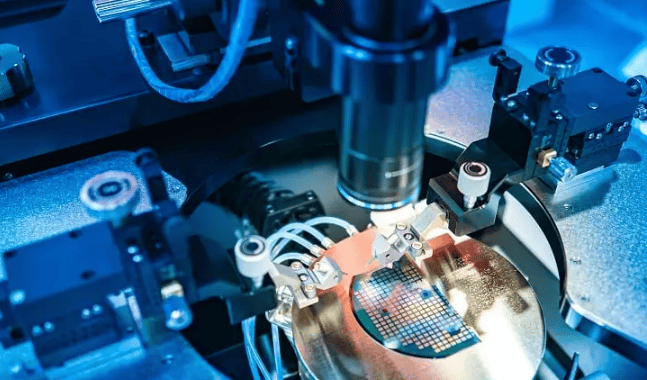
Western Digital maintains a long-term partnership with Sarawak, seen as a model of public-private cooperation. The company recently signed a renewable energy agreement with Sarawak Energy Berhad to promote a sustainable future. Western Digital's second factory in Sarawak, a highly advanced manufacturing facility, symbolizes nearly three decades of endurance, mutual trust, and transformation since its establishment in 1995. To fully integrate AI into the economy, industries must address structural and ethical issues, including ensuring explainability, cybersecurity to solve the AI "black box" problem, and mitigating concerns over data privacy and intellectual property. The financial and legal sectors should advocate for developing flexible governance structures to prevent systemic bias. The energy and infrastructure sectors need to offset the carbon footprint of AI system operations by transitioning to sustainable and localized energy sources. Industries must also invest in employee skills development to leverage AI as an economic multiplier and bridge the digital divide.
Related Products


Automatic Aiming Laser Remote Obstacle Removal Robot
Pinggao Group Weihai High-Voltage Apparatus Co., Ltd.
Hot Selling 10 Inch Intel N5100 I5 I7 FHD 8 +128GB 16+256GB Win10 Pro Win11 Pro 4G 5G Rugged Tablet PC Pad with NFC Barcode
Highton Electronics Co., Ltd.

MUX Series Communication Interface Device for Security and Stability Control System
Nanjing NR Electric Co., Ltd.

Flat Portable Satellite Terminal 0.35m Aperture Manual Portable Terminal
China Starwin Science & Technology Co., Ltd.

20 Inch 1600*900 Full HD 60Hz TFT LED Monitor with VGA and DP Interfaces for Desktop Computers-Business Use
Guangzhou Zanying Optoelectronics Technology Co., Ltd.
TWP16 P-Band Tropospheric Wind Profile Radar
China Huayun Meteorological Technology Group Co., Ltd.

Conveyor Belt Intelligent Monitoring System
LUO YANG WIRE ROPE INSPECTION TECHNOLOGY CO., LTD.