University of Pretoria in South Africa Builds Race Car with B.E.D. Support, Completion Expected by End of October
en.Wedoany.com Reported - A student team from the Department of Mechanical Engineering at the University of Pretoria (UP) in South Africa is advancing a project to build a Formula Student race car, with bolt and bearing support provided by the Tshwane branch of engineering solutions company Bolt and Engineering Distributors Group (B.E.D.).
With over 40 years of experience in supplying bolts and other industrial equipment, B.E.D. is not only sponsoring the required bolts but also offering engineering expertise in bolt and bearing selection. The single-seat race car is expected to be completed by the end of October, in time for a major competition and sponsor showcase event scheduled for November 30.
The collaboration aims to cultivate students' engineering skills through the design and manufacture of various vehicle components, including sub-assemblies such as the chassis, wings, steering, suspension, hubs, and drivetrain. The car will be built in stages, with the first stage being the chassis, which requires designing a jig to secure the pipes for welding in accordance with Formula Student rules. Professor Dirk van Vuuren, a lecturer in UP's Department of Mechanical and Aeronautical Engineering, explained that the engine will be installed into the chassis along with the necessary wiring, followed by the installation of components such as the radiator, rear differential, suspension, and steering to form a rolling chassis. Finally, the front wing, side pods, rear wing, floor, seat, and seat belts will be added. Although component integration poses a significant challenge, the project aims to enable students to tackle challenges and produce a final product by combining theory with practice.
Phil van der Westhuizen, Director and Operations Manager of B.E.D.'s Tshwane branch, stated that the company's precision engineering expertise and fastener solutions ensure students have everything needed to build the race car. The company will provide a range of certified fastener solutions capable of withstanding high vibration, high temperatures, and high aerodynamic and suspension loads. He emphasized that the difference between correctly specified, certified fasteners and ordinary alternatives could determine the outcome between finishing the race and catastrophic failure. The supplied fasteners include: high-strength socket head cap screws in property classes 8.8, 10.9, and 12.9; hex head bolts and set screws in high-strength and stainless steel grades; self-locking nuts for vibration-critical joints; matching grade flat washers, spring washers, and load-spreading washers; button head and countersunk socket head cap screws for bodywork and aerodynamic components; stainless steel fasteners suitable for corrosion-sensitive areas such as cooling and fuel systems; as well as studs, threaded rods, and specialized hardware for brackets and adjustable suspension components. All high-strength fasteners comply with relevant international standards such as ISO 898-1, applicable ISO and DIN dimensional standards, and locally used SANS standards; stainless steel fasteners comply with ISO 3506.
Pieter Cilliers, B.E.D.'s Bearing Product Specialist, stated that the company is also assisting students by providing technical expertise in bolt and bearing solutions, ensuring suitability for the demanding operating conditions of a Formula Student race car. B.E.D. actively supports educational institutions and engineering development programs, with innovations this time including outcomes from past projects for other engineering departments, such as solar car development. Storm Boshoff, a representative of the South African Institute of Steel Construction (SAISC), an industry body, stated that the institute's engineering handbook (Red Book) has been adopted by UP to ensure high-quality engineering and safety standards, and has designated long-term member B.E.D. as the product supplier and supporter. Boshoff added that the project is progressing well, with students demonstrating a firm commitment to applying theoretical knowledge, and believes the steel industry needs to support more such projects. This is the first project of its kind in South Africa and will empower future engineers. Van der Westhuizen concluded that sponsoring UP's Formula Student team is an investment in the future of South African engineering, as the students will become design engineers, project managers, and plant engineers—the very people the industry will rely on.
Related Products


Pneumatic high-pressure wear-resistant ball valve
Zhejiang Deca Control Valve Meter Co., Ltd.
LBH4000 Batch Environmental Protection Asphalt Mixing Plant | Asphalt Batching Plant | Asphalt Mixing Plant
Jilin Province Road Construction Machinery Co., Ltd.


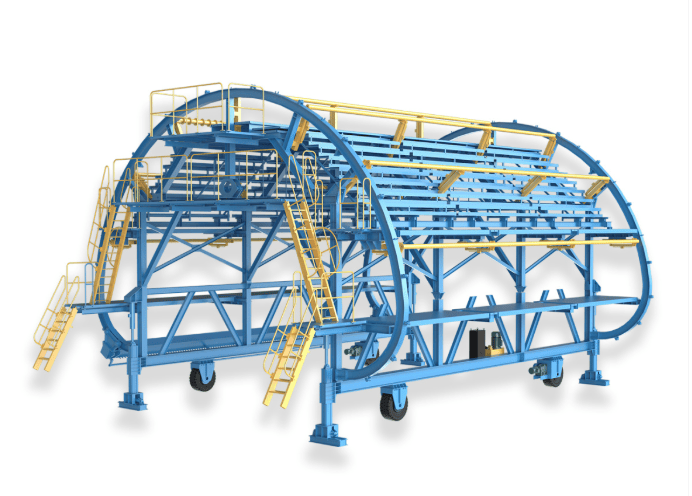
QLZNGJ Intelligent Steel Reinforcement Trolley
Luoyang China Railway Qiangli Machinery Co., Ltd.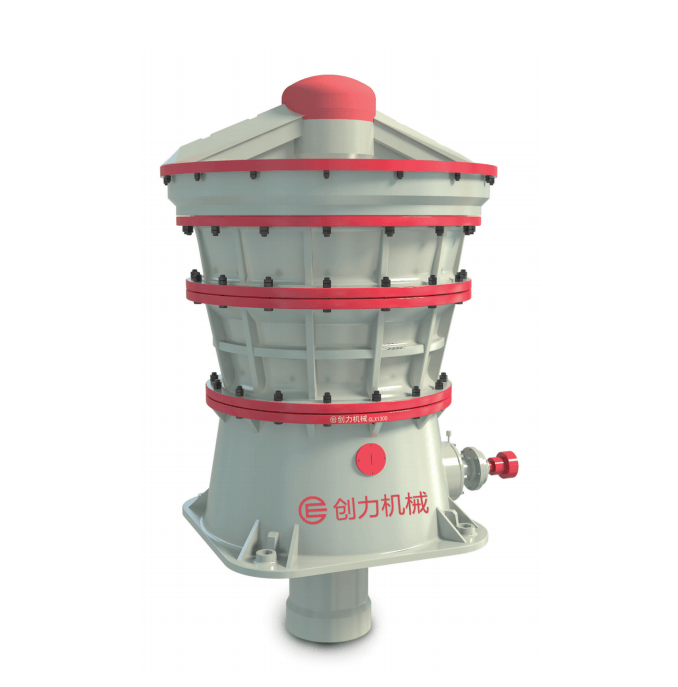
CLX Series Intelligent Hydraulic Gyratory Crusher
Guangdong CHUANGLI intelligent machinery Equipment Co., LTD
CAP1400 main feedwater flow nozzle flowmeter.
Jiangsu Hongda Instrument Technology Co., LTD.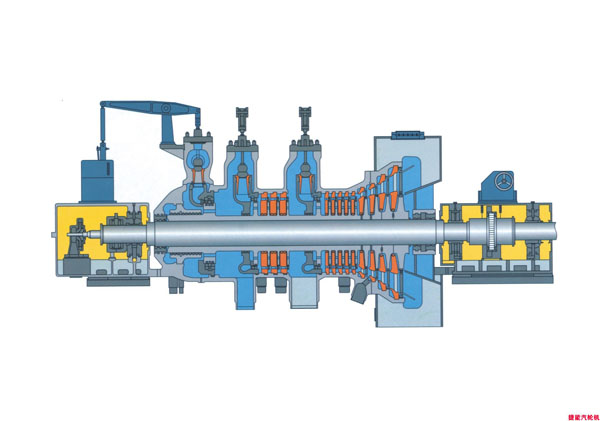
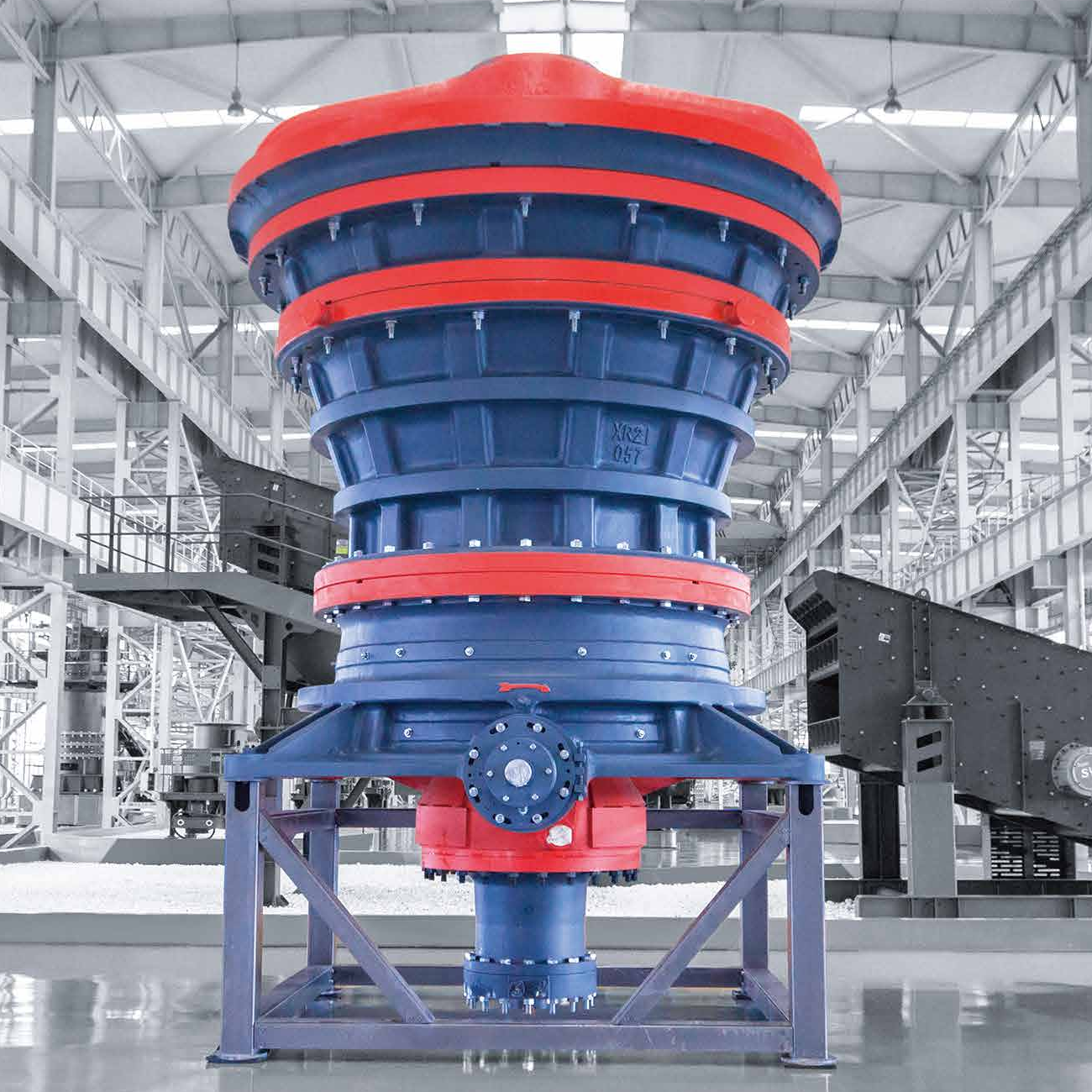
Standard Nozzle Flowmeter
Jinggong Automatic Control Instrument Complete Technology Development Company