Turkcell Builds AI Infrastructure Across Five Strategic Technology Layers
en.Wedoany.com Reported - Turkcell CEO Dr. Ali Taha Koç announced at the "AI for Good Summit" organized by the International Telecommunication Union (ITU), a United Nations agency, that the company is building artificial intelligence infrastructure across five strategic foundational layers, aiming to become a regional technology provider carrying Turkey's digital future.
Speaking at two different sessions of the summit, Koç emphasized that the AI race is no longer about competing over models. Koç stated that the outcome of AI depends on infrastructure, and whoever controls the infrastructure controls the future. He further elaborated that AI infrastructure is built upon five foundational layers: energy, chips and processing power, data centers and cloud, models, and applications, with the network serving as the primary platform connecting all these layers.
At the energy layer, adhering to the principle of "more bits, less watts," Turkcell has increased its total effective installed capacity from wind and solar power plants to 99.1 megawatts. As one of the first eight operators globally to participate in the GSMA Mobile Net Zero initiative, the company sources all its electricity from renewable energy, aiming to become a net-zero emissions company by 2050 and leading the industry with its sustainability-focused efforts. In the Carbon Disclosure Project (CDP), a global environmental reporting platform, Turkcell holds the highest "A" rating in both climate change and supplier engagement ratings, and ranked first in its industry in the "2026 World's Best Sustainable Growth Companies" compiled by Time magazine and Statista.
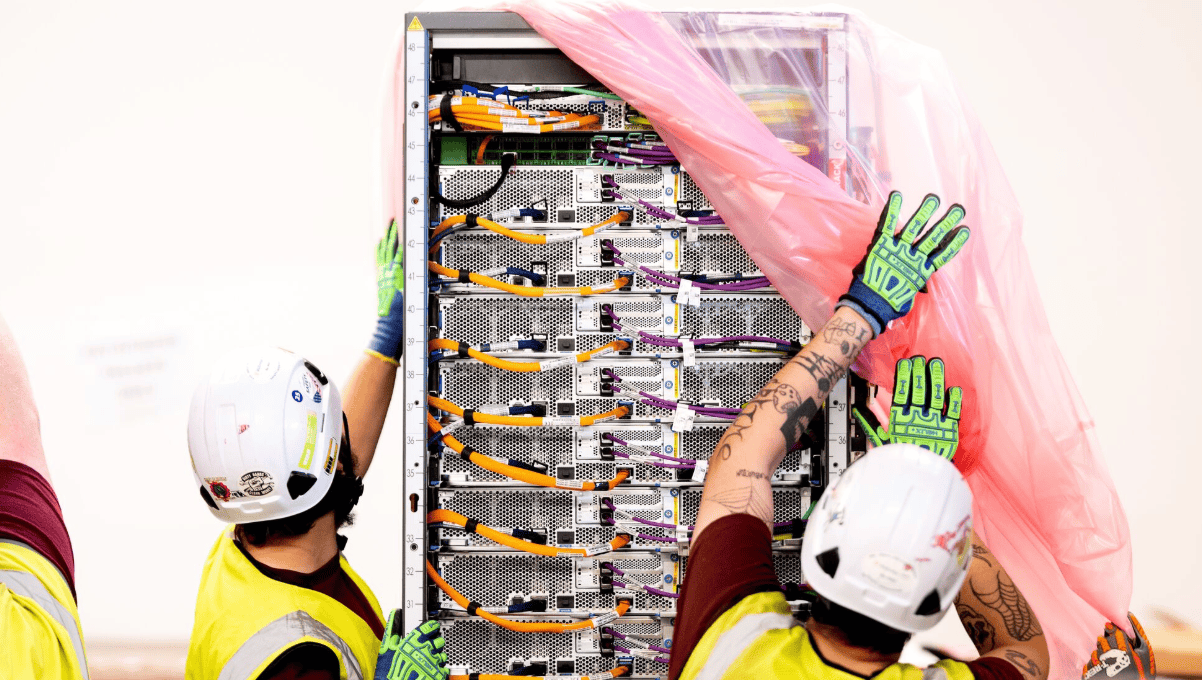
In terms of chips and processing power, Turkcell does not directly manufacture chips but focuses on technology partnerships and a multi-source procurement strategy, building systems in an open, balanced, and multi-source manner, aiming to provide the processing power required for the AI era through a secure, flexible, and scalable infrastructure.
Regarding data centers and cloud, as of the first quarter of 2026, Turkcell's investment in data center operations reached 598 million euros, with data center and cloud service revenue rising to 8.5 billion Turkish lira, serving over 4,000 enterprises. The company will collaborate with Google Cloud to implement Turkey's first hyperscale cloud region. This partnership will provide advanced cloud and AI capabilities under Turkish regulations, thereby creating a critical threshold in data security and data sovereignty.
At the model layer, Turkcell is not limited to a single model but adopts an approach that connects the right model with the right task, focusing on developing a Turkish-language AI architecture that more accurately understands customer issues, interprets context more precisely, and provides more personalized responses.
At the application layer, 25% of the code generation in the company's software development process is supported by AI, and AI is integrated into operations through next-generation chatbots, digital assistants, and customer experience solutions. Teknocan represents Turkcell's digital face and the outcome of its transformation into a technology company, serving as a visible example of this vision. Turkcell aims to apply the developed AI solutions to strategic sectors such as public administration, finance, defense, and aerospace, becoming a trusted technology business partner in Turkey's digital transformation.
Related Products


Industrial and Commercial Point-Type Gas Detector
Jinan Benan Technology Development Co., Ltd.
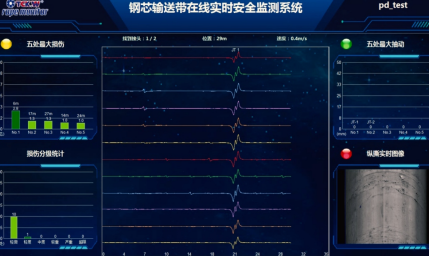
Conveyor Belt Intelligent Monitoring System
LUO YANG WIRE ROPE INSPECTION TECHNOLOGY CO., LTD.
Comprehensive Mining Automation Control System
Beijing Tianma Intelligent Control Technology Co., Ltd.
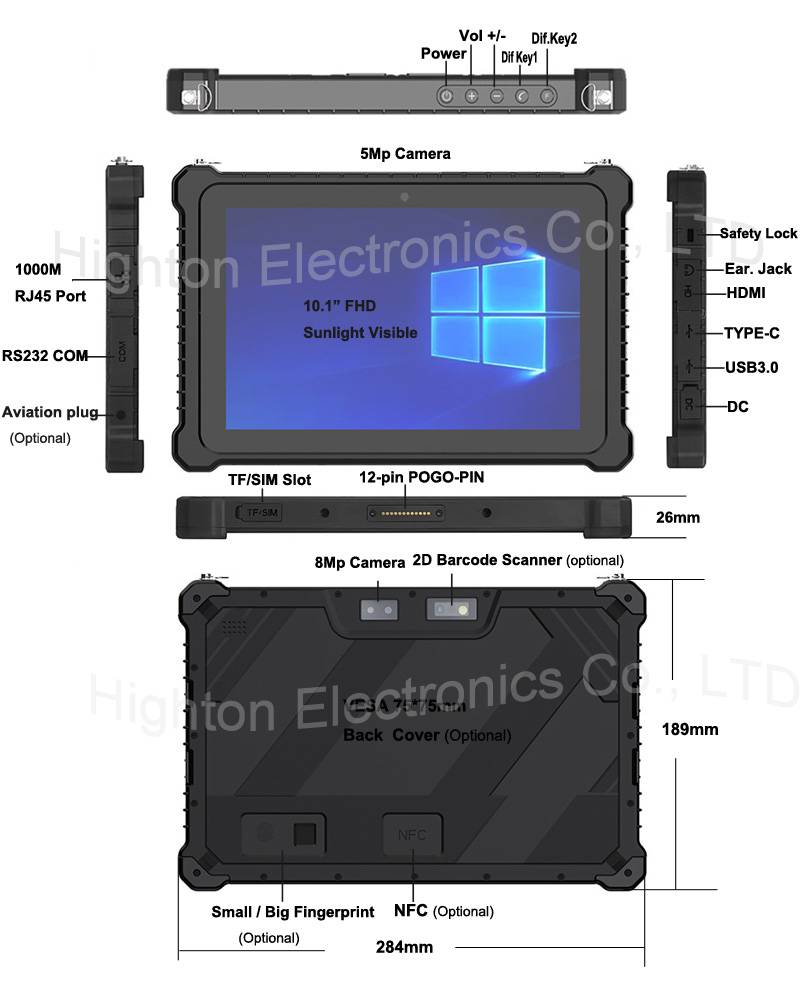
Hot Selling 10 Inch Intel N5100 I5 I7 FHD 8 +128GB 16+256GB Win10 Pro Win11 Pro 4G 5G Rugged Tablet PC Pad with NFC Barcode
Highton Electronics Co., Ltd.
Multi-function Marine Monitoring Low-altitude Detection Radar Sea-air Boundary Ocean Dynamic Environment Measurement
Chengdu Dixin Technology Co., Ltd.