Brazil to Add 19.2 GW of Solar Capacity in 2025
Wedoany.com Report-May 17, Brazil’s solar energy sector, a leader in distributed generation, is projected to experience a slight growth slowdown in 2025, according to SolarPower Europe’s “Global Solar Power Market Outlook 2025-2029.” The report forecasts a marginal increase in installed solar capacity to 19.2 gigawatts in 2025, up from 18.9 gigawatts in 2024, due to regulatory adjustments for self-consumption and delays in grid connections for distributed generation projects.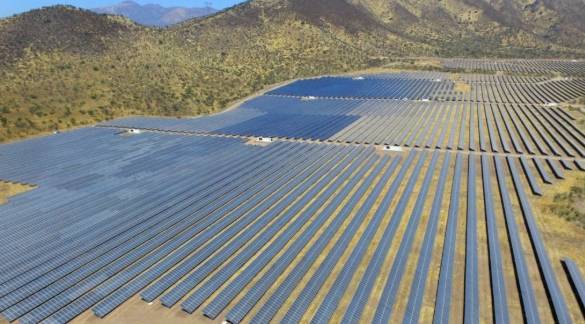
The report highlights challenges, including transmission infrastructure limitations affecting large-scale solar initiatives. However, new energy storage regulations introduced in 2025 are expected to boost the sector’s development. Combining data from Absolar and the Brazilian Energy Research Corporation (EPE), Brazil’s cumulative solar photovoltaic capacity by 2029 is projected to range from 90 gigawatts in a conservative scenario to 107.6 gigawatts in an optimistic scenario. Distributed generation is expected to reach between 54.2 and 63.9 gigawatts, while centralized generation is forecasted to add an average of 3.7 to 5.3 gigawatts annually by 2029.
In 2024, Brazil achieved a record 18.9 gigawatts of new solar capacity, following robust growth of 60%–81% in 2021–2022 and a 15% increase in 2023, which positioned the country as the third-largest solar market globally. However, the 21% growth in 2024 was outpaced by India (30.7 gigawatts), the United States (50 gigawatts), and China (329 gigawatts), placing Brazil fourth worldwide.
A spokesperson from Absolar stated: “High electricity prices, abundant solar resources, auctions, and favorable net metering standards underpinned the country’s success in the sector through 2024.” Despite challenges such as increased import tariffs on solar modules, high curtailment rates, and macroeconomic difficulties, Brazil’s solar market has consistently exceeded government projections.
The anticipated introduction of energy storage regulations in 2025 is expected to enhance grid reliability and support further solar adoption. Brazil’s abundant solar resources and established market mechanisms continue to drive its position as a regional leader in renewable energy, even as growth moderates in the near term.
The projected capacity increases by 2029 reflect Brazil’s commitment to expanding its clean energy infrastructure, balancing distributed and centralized generation to meet rising demand. These efforts position the country to maintain its prominence in the global solar market while addressing infrastructure and regulatory challenges to sustain long-term growth.
Related Products

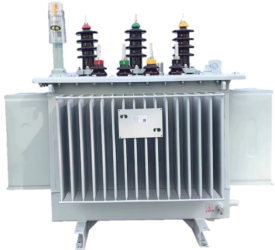
Oil-immersed Amorphous Alloy Core Distribution Transformer
Pinggao Group Smart Electric Co., Ltd.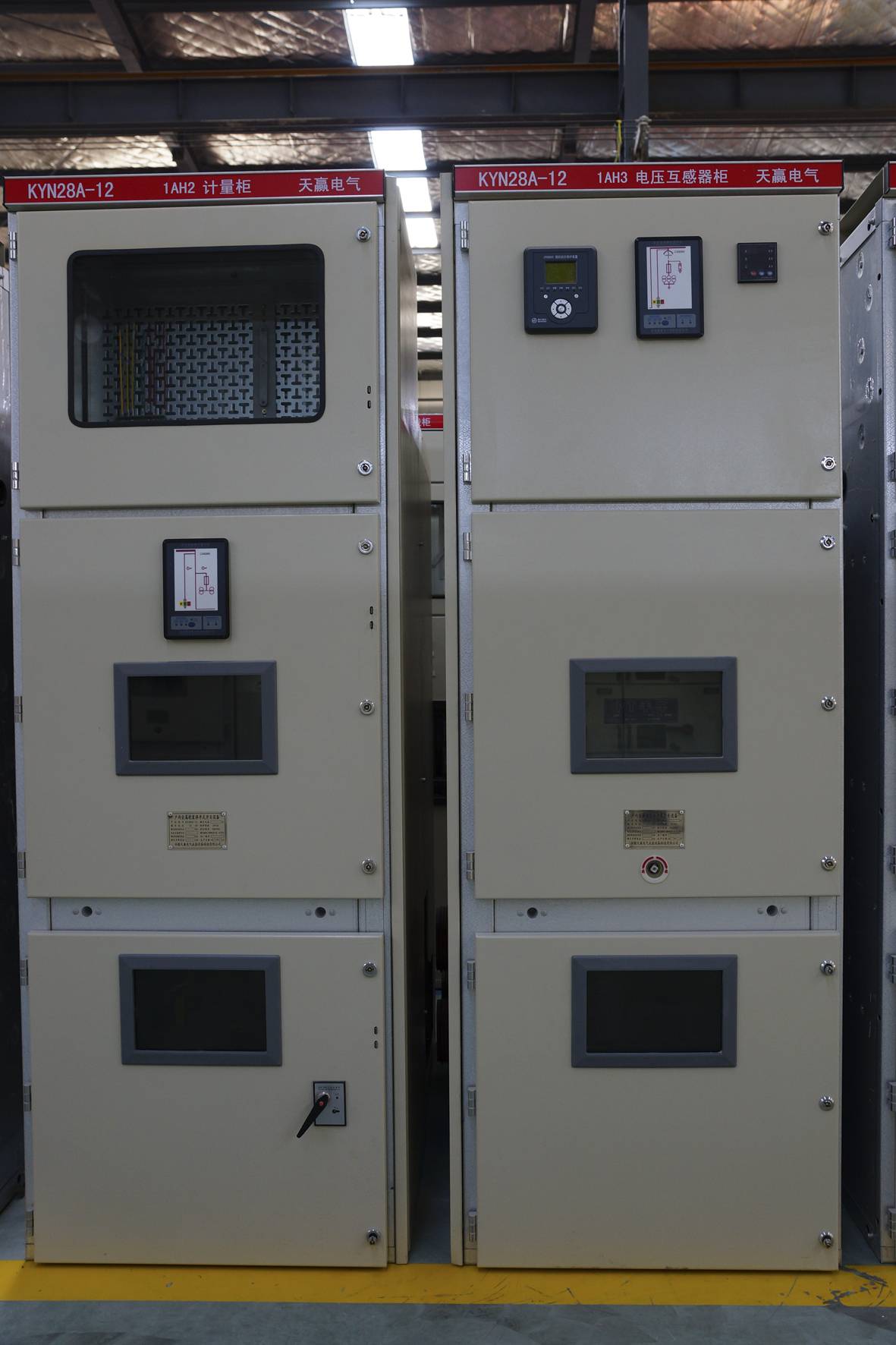
KYN28 - High Voltage Switchgear
Anhui Tianying Electrical Equipment Manufacturing Co., Ltd.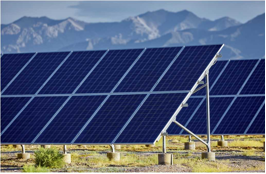
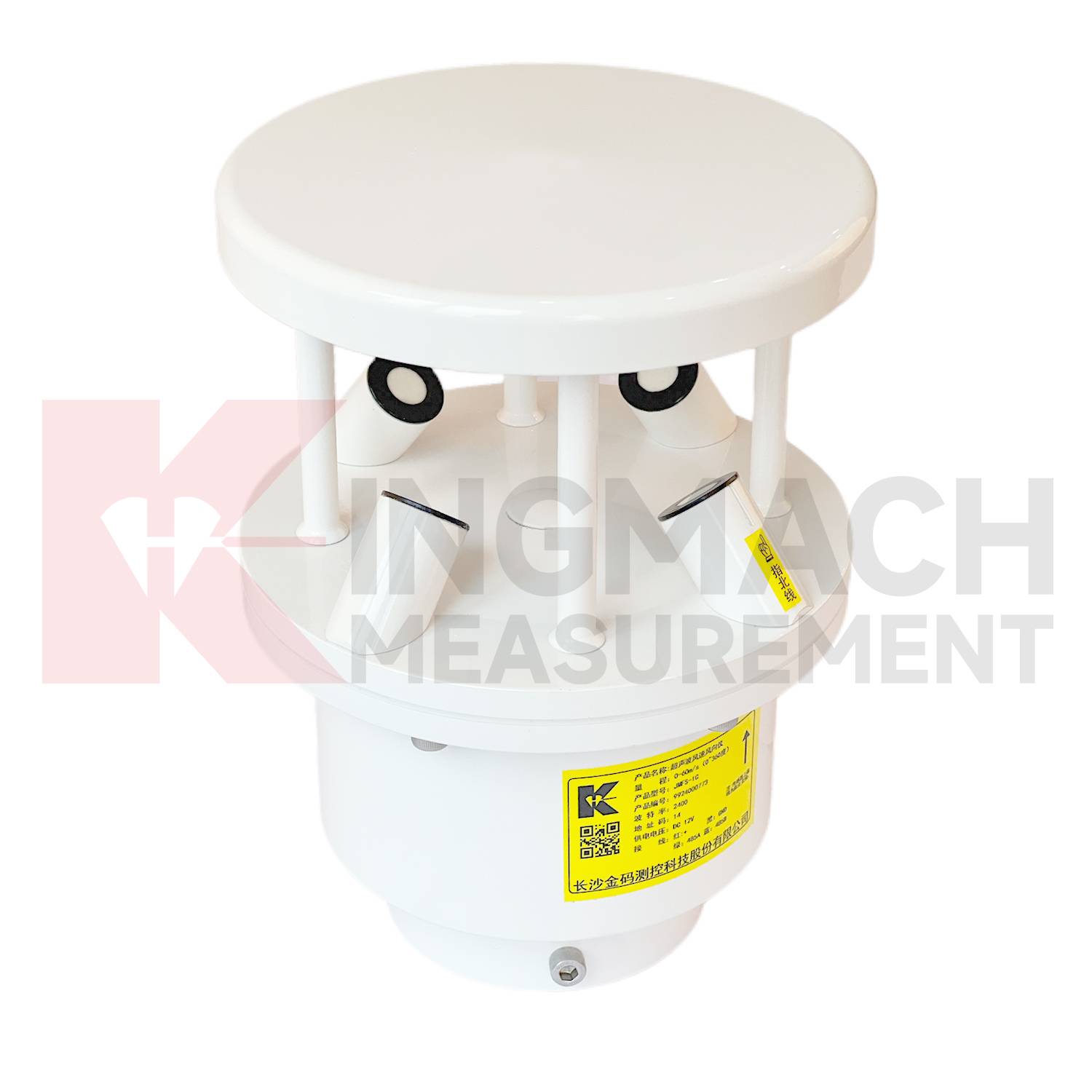
Ultrasonic Wind Speed and Direction Instrument
Kingmach Measurement & Monitoring Technology Co., Ltd.
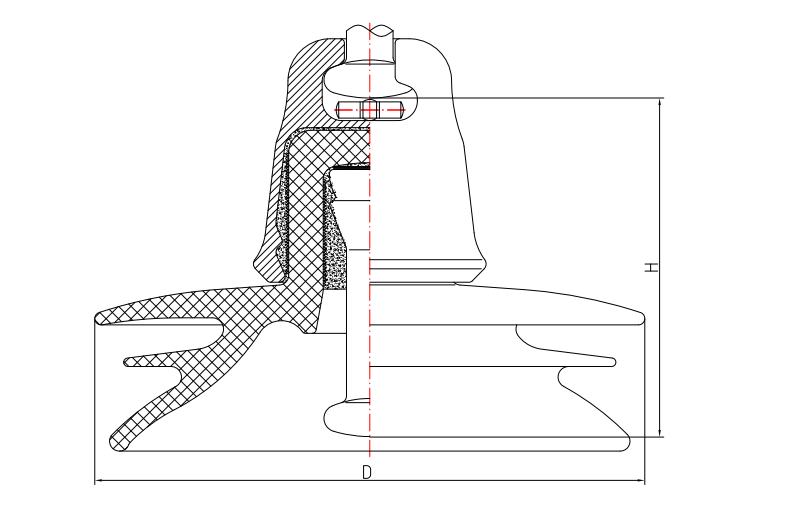
Post-type AC Pollution-resistant Disc Suspension Porcelain Insulator (Triple Umbrella Type)
Shandong High Voltage Insulator Co., Ltd.

Off-Grid Fuel Cell Supercharging Station (180kW Configuration)
Shanghai REFIRE Group Limited