Canadian Federal Government Unveils Plans for Five Provincial Power Interconnection Lines
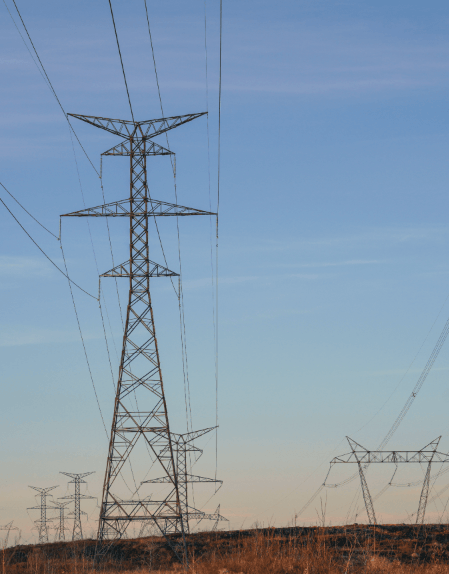
en.Wedoany.com Reported - The Canadian federal government recently unveiled plans for five specific provincial power interconnection lines, advancing the long-discussed national grid expansion strategy to a verifiable stage. These five proposed lines will connect British Columbia with Yukon, Alberta with British Columbia, Alberta with Saskatchewan, Saskatchewan with Manitoba, and Prince Edward Island with New Brunswick.
Compared to past national strategies that remained at the visionary level, this move makes grid planning more concrete. However, these lines alone are still insufficient to form a complete national grid system. The key to evaluating these interconnections lies not in the number of projects, but in each project's transmission capacity, expected frequency of power flow, the generation sources they replace, the reliability constraints they address, investment and ownership structures, Indigenous government participation methods, and the expected asset commissioning timeline. Until these clear answers are obtained, the interconnections remain policy intentions rather than operational power assets.
For a long time, Canada has treated fossil fuel infrastructure as a matter of national economic affairs, while power construction has largely remained within provincial borders. Pipelines, rail corridors, export terminals, and ports have been regarded as nation-building assets, while power transmission has been treated as a utility issue. As electrification progresses, electricity is becoming a key platform for industrial development, mining, data centers, transportation, building heating, and household affordability, and long-distance energy transport is shifting from moving molecules to moving electrons.
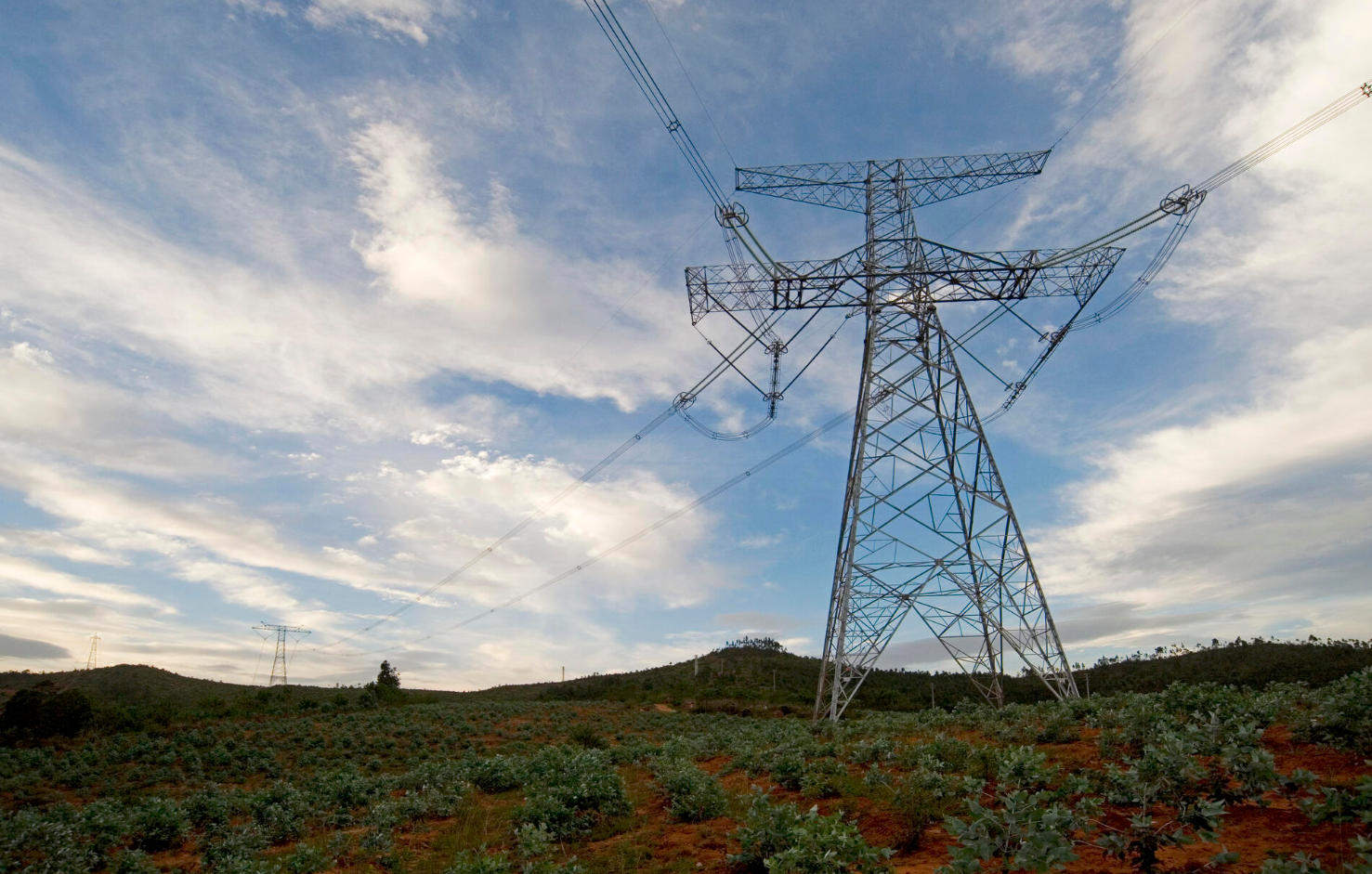
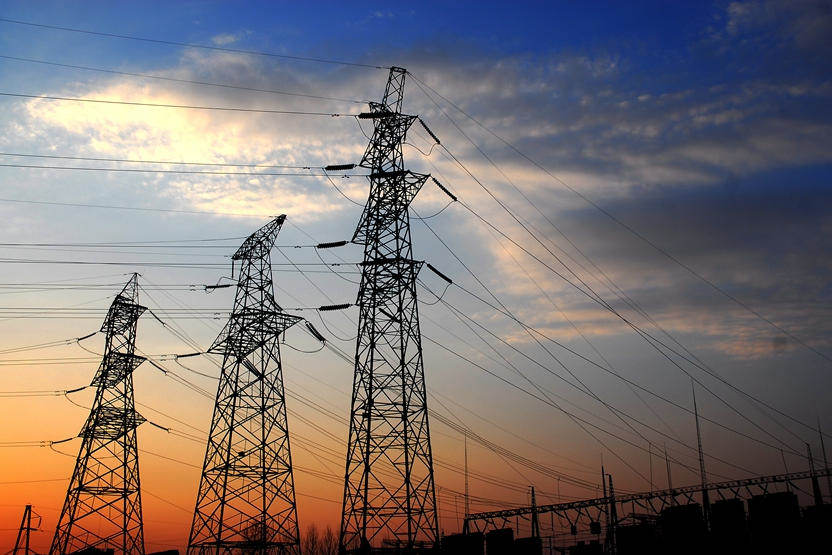
In this context, High-Voltage Direct Current (HVDC) transmission is seen as an extension of the new pipeline logic. The choice of technology depends on distance, capacity, grid synchronization, terrain, and the characteristics of the connected systems, but the more fundamental realization is that transmission lines are becoming strategic energy infrastructure. Canada's first transcontinental railway had a symbolic golden spike as its endpoint, but the national power network requires a series of projects—interconnections, reinforced corridors, substations, converter stations, grid-enhancing technologies, energy storage, and market agreements—to ensure provincial systems no longer operate like islands.
The strategic value of the five proposed lines is not equal. Among them, the Saskatchewan-to-Manitoba line may be the most critical link. Manitoba has flexible hydropower resources, while Saskatchewan's grid is predominantly fossil-fuel-based but also has abundant wind and solar potential. Strengthening the connection between the two provinces would allow hydropower to balance variable renewable generation, transmit clean surplus power when electricity prices are high, and reduce the reserve capacity each province must maintain independently.
The interconnections for Alberta address different issues. The province's load continues to grow, it has abundant renewable energy resources, and its electricity market is highly competitive, but the grid remains heavily dependent on natural gas. Strengthening connections with British Columbia and Saskatchewan could expand options for clean electricity imports and exports, improve system balancing, and reduce the risk of isolation during periods of stress. However, whether new capacity can actually replace fossil fuel generation depends on market rules, generation investment, transmission tariffs, and operational agreements.
The British Columbia-to-Yukon project has both energy security and development attributes. Northern communities, mines, and industrial projects still rely on diesel logistics and limited local generation capacity. Where distance, load, and construction costs are reasonable, grid extension can reduce fuel dependence. This project still requires a comprehensive comparison with distributed renewables, energy storage, local generation, and energy efficiency measures.
The Prince Edward Island-to-New Brunswick line involves core issues of power supply reliability in the Maritime provinces, the vulnerability of submarine cables, and whether Atlantic renewable energy can become an operational grid asset. The real test lies in whether transmission capacity, operational agreements, and generation development are synchronized.
None of the five projects involve Canada's most important east-west corridors, such as the strong connections between Ontario and Quebec, or Manitoba and Ontario. A complete national power plan should place these corridors at the strategic core, while also studying how Atlantic wind power can complement hydropower flexibility, and how grid-enhancing technologies can replace the need for entirely new corridors.
Approximately 80% of Canada's national grid electricity generation comes from non-emitting sources, but this average masks significant differences between provinces: hydropower-rich provinces, Ontario with its nuclear-dominant grid, Alberta and Saskatchewan with fossil-fuel-heavy grids, Atlantic provinces with abundant wind resources, and northern communities dependent on diesel—each faces different resource constraints, cost structures, and political environments. Canada has not yet formed a coherent electricity system.
As electricity demand grows, these differences become increasingly important. Ottawa has proposed doubling grid capacity by 2050, but annual electricity consumption and peak load are different dimensions of planning. Electric vehicle loads, industrial loads, and some heating demand can be shifted or managed; if building energy efficiency is low and loads are uncontrolled, the infrastructure spending triggered by a few extreme weather hours could far exceed average annual demand.
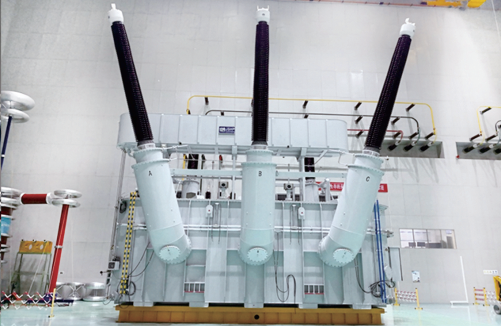
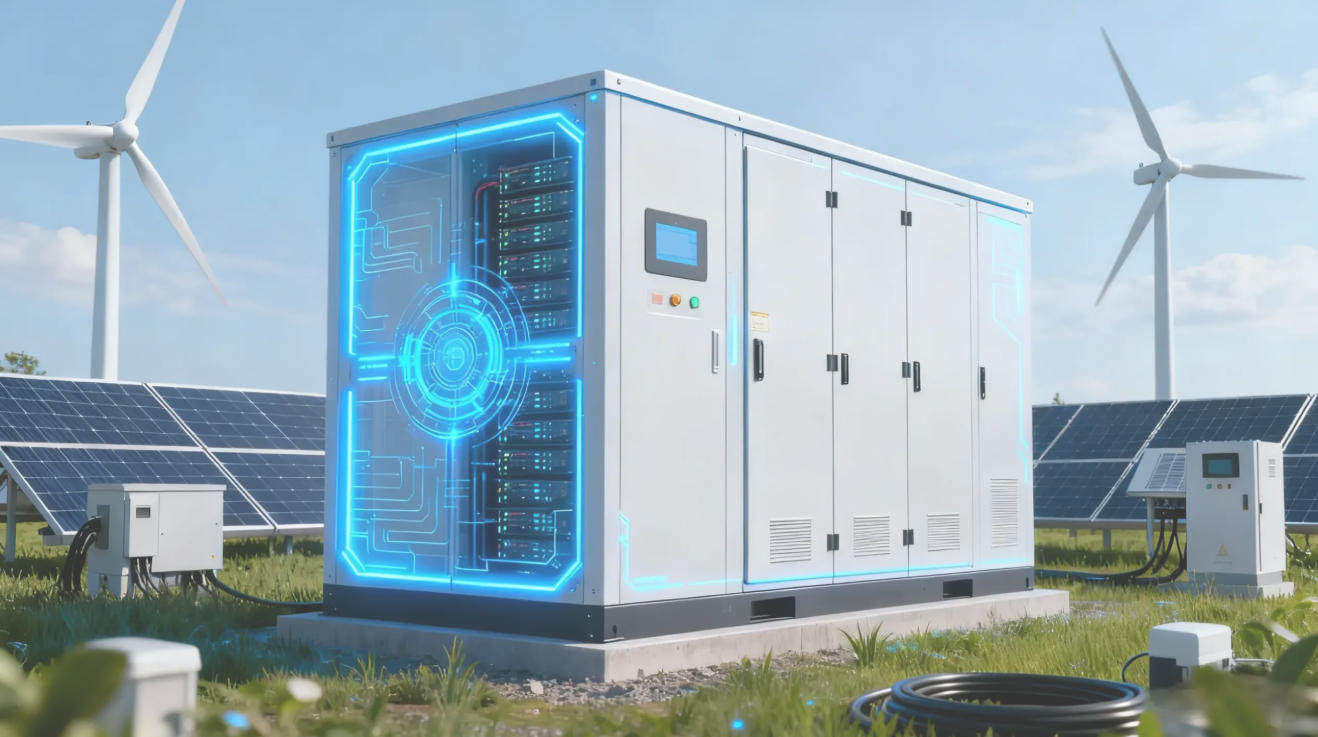
Transmission is only one part of the system. Batteries can buffer constrained connections, shift solar output, and provide frequency and voltage services; dynamic line ratings can safely increase the capacity of existing lines when weather conditions permit; reconductoring can replace old wires with higher-capacity materials using existing towers and rights-of-way; power flow control can redirect electricity around bottlenecks. These technologies do not replace the need for new major lines, but they can change the sequence of construction, distinguishing between constraints requiring decade-long projects and issues that can be mitigated more quickly on existing corridors.
Delivering transmission projects involves both technical and institutional factors. Legally, regulatorily, in terms of utility ownership, system operation, and politically, electricity remains under provincial jurisdiction. Ottawa can promote projects by lowering financing costs, adjusting tax credits, leveraging the Canada Infrastructure Bank, supporting Indigenous equity, and introducing federal approval mechanisms, but it cannot directly order provincial utilities and regulators to operate as a unified system.
Therefore, project governance becomes a core rather than an administrative issue. A cost-sharing mechanism could stall a line, even if its national value is obvious; a province might pay for an asset whose reliability benefits flow elsewhere; an exporting province might worry about rising local electricity prices; a utility might resist losing operational autonomy; Indigenous governments might be treated only as consultation subjects rather than equity partners and decision-makers.
Canada needs to establish a public project ledger for each priority interconnection line, detailing transmission capacity, expected annual energy flow, capital costs, cost sharing, avoided fossil fuel generation, reliability contributions, permitting milestones, Indigenous ownership or benefit structures, target service dates, and the specific constraints each line addresses. This ledger can distinguish political priorities from actual delivery progress and provide concrete planning basis for manufacturers, construction companies, utilities, and training institutions. A trillion-dollar electricity strategy cannot scale up transformers, cables, converter stations, engineering teams, and skilled tradespeople on promises alone.
While incomplete, the five proposed lines mark a shift in national grid construction from an abstract concept to a concrete sequence. Whether they truly become the backbone depends on whether they secure capacity, owners, financing, permits, Indigenous equity structures, construction schedules, and operational agreements—and whether Ottawa subsequently advances the next set of interconnections needed to connect the power advantages of Canada's various regions.
Related Products
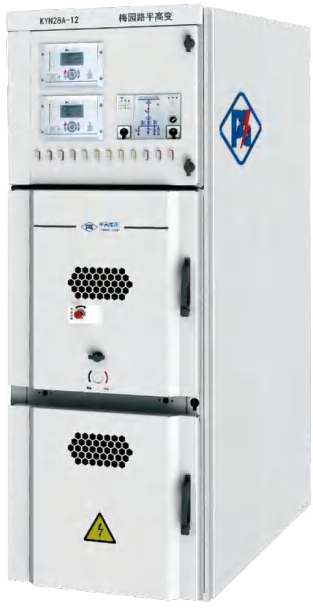

KYN28A-12 Metal Armored Removable Switchgear
Tianjin Ping Gao Intelligent Electric Co., Ltd.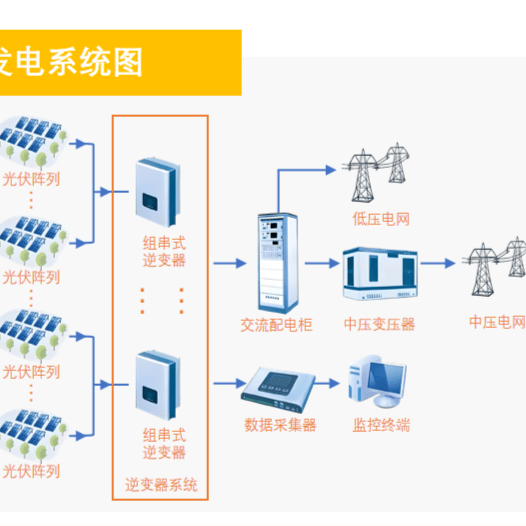
Photovoltaic and Wind Power Generation Technology
Beijing Boqi Electric Power SCI-TECH Co., Ltd.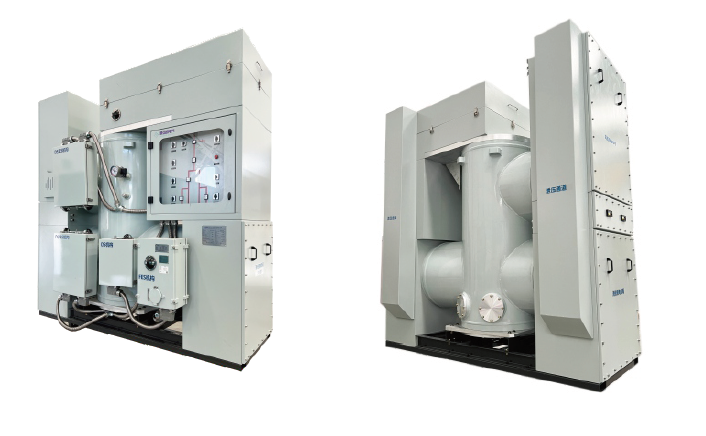
72.5kV 1250A 31.5kA SF6 free Gas-insulated Metal-enclosed Switchgear
Zhejiang Juhonkia Intelligent Electric Co., Ltd.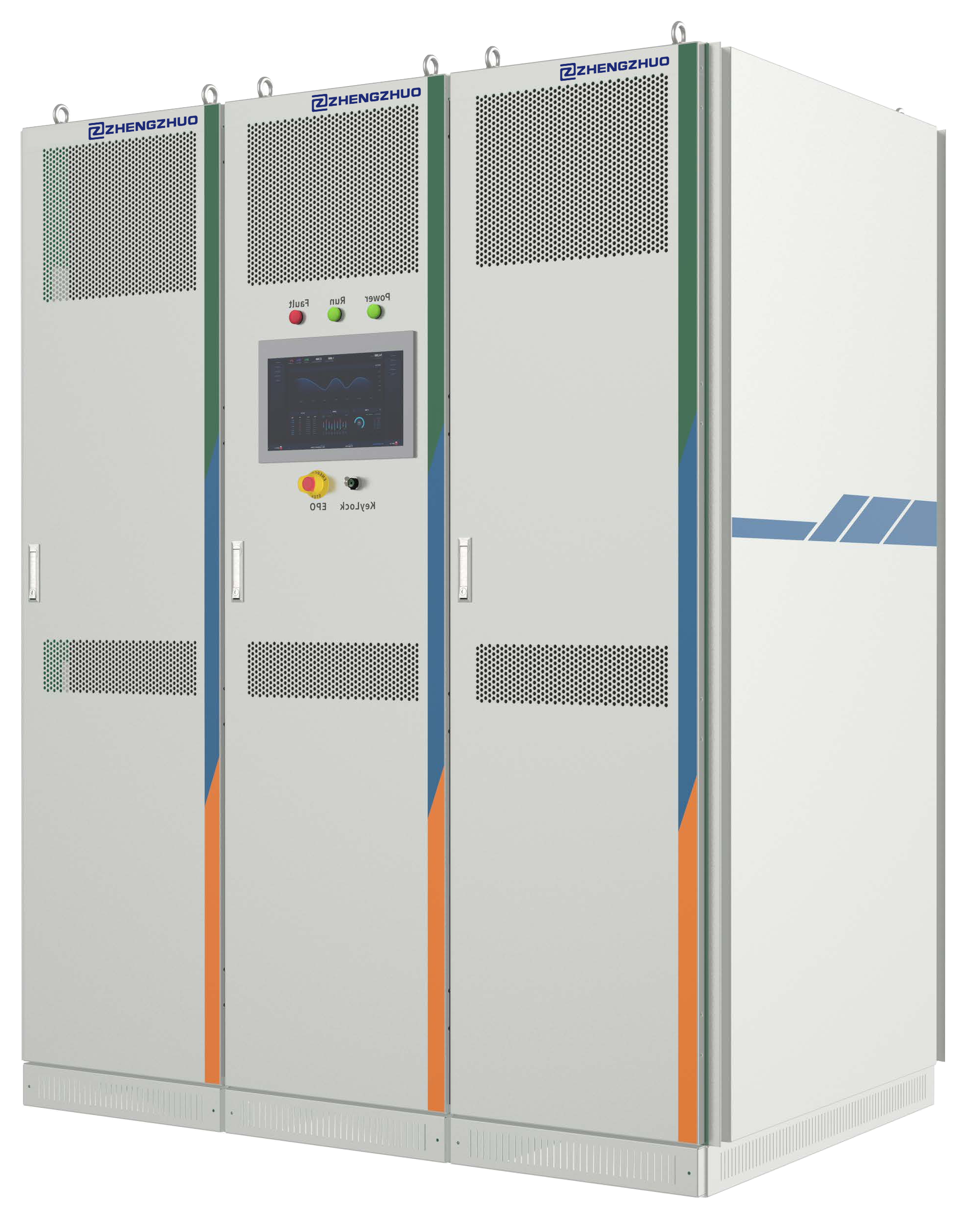
IGBT Hydrogen Production Power Supply - High Power Air Cooling
Beijing Zhengzhuo Engineering Technology Co., Ltd.
714CD Series C-Band Weather Radar
Chengdu Zhongdian Jinjiang Information Industry Co., Ltd.
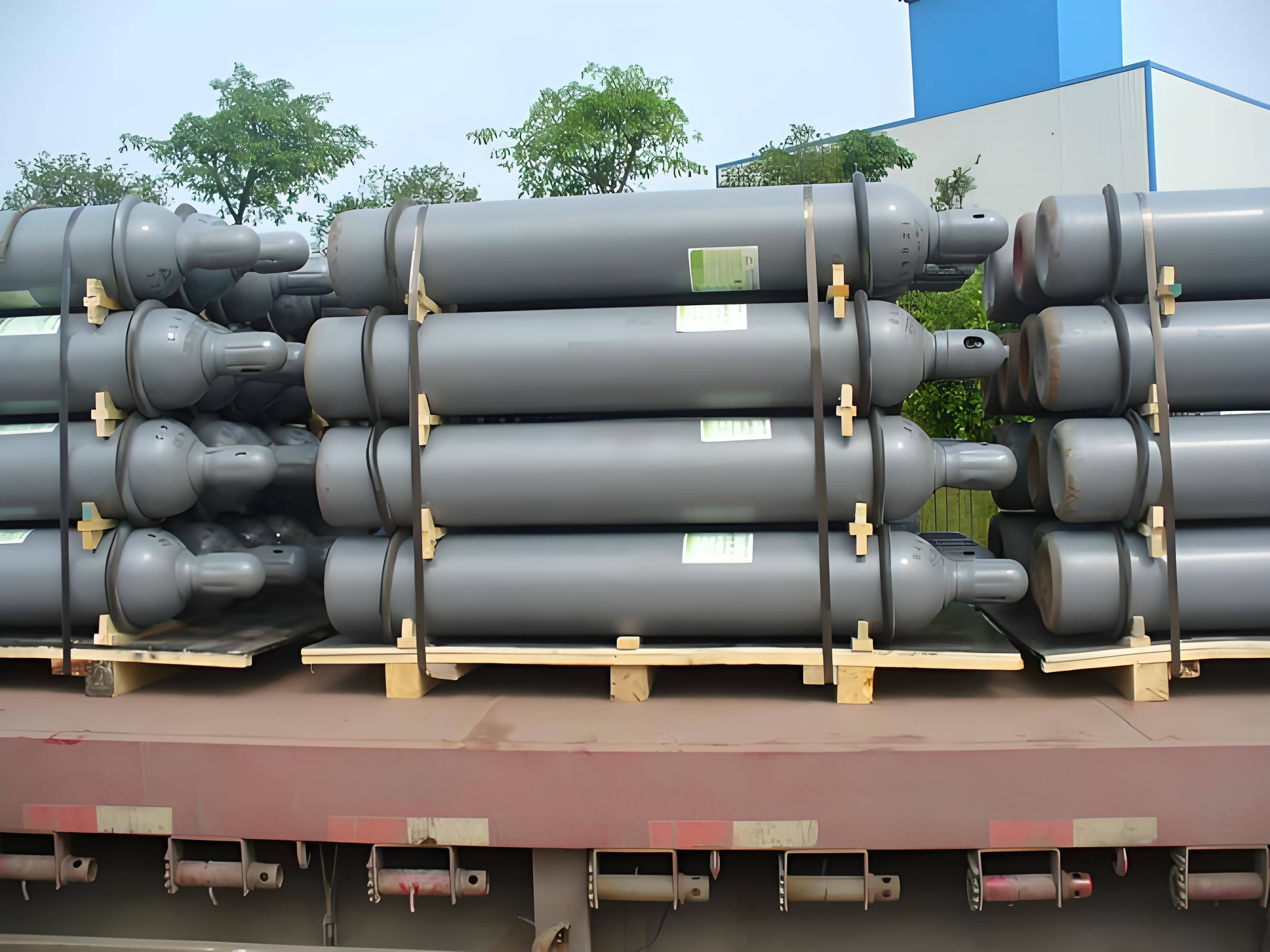
Global Sulfur Hexafluoride Gas Supply and Cylinder Export
Foshan Yuexin Industrial Gas Co., Ltd.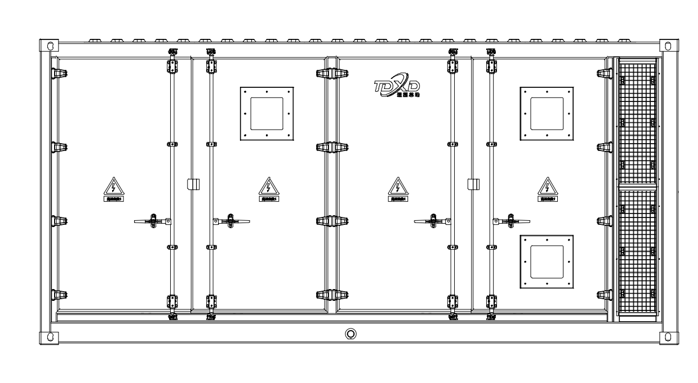
5012kWh DC Energy Storage System TD-EES-5012kWh
Suzhou Tongding Xindong Energy Storage Technology Co., Ltd.
Electromagnetic Fluid Seawater Floating Oil Separation and Recover Equipment
Huate Magnet Group Co., Ltd.