Deutsche Telekom and AIT Appointed by European Commission to Lead Two Quantum Communication Infrastructure Projects
en.Wedoany.com Reported - Germany's Deutsche Telekom and the AIT Austrian Institute of Technology have been awarded two Coordination and Support Actions (CSAs) by the European Commission to lead the development, standardization, and large-scale deployment of the European Quantum Communication Infrastructure (EuroQCI). Under these complementary initiatives, Deutsche Telekom will coordinate the PETRUS² project, while AIT will lead the HarmoniQCI project. The goal of these two companion programs is to transition advanced quantum cryptography technologies from local testbeds to a resilient cross-border European framework.

Led by Deutsche Telekom, in collaboration with Thales, AIT, Airbus, and SES, the PETRUS² project focuses on the strategic evolution of the pan-European quantum communication infrastructure. Building on the outcomes of the initial PETRUS program, the project coordinates national and European-level activities to prepare for large-scale deployment, including cross-border Quantum Key Distribution (QKD) networks funded by the Connecting Europe Facility (CEF) and satellite ecosystem projects under the IRIS² program.
The HarmoniQCI project, coordinated by AIT, will address key challenges in standardization and interoperability for the European quantum communication infrastructure. Establishing common technical standards is crucial for building a domestic industrial base and for creating a unified technical framework for future network components and security certification. By harmonizing different stakeholders and technologies, AIT aims to create a coherent, secure, and trustworthy EuroQCI ecosystem.
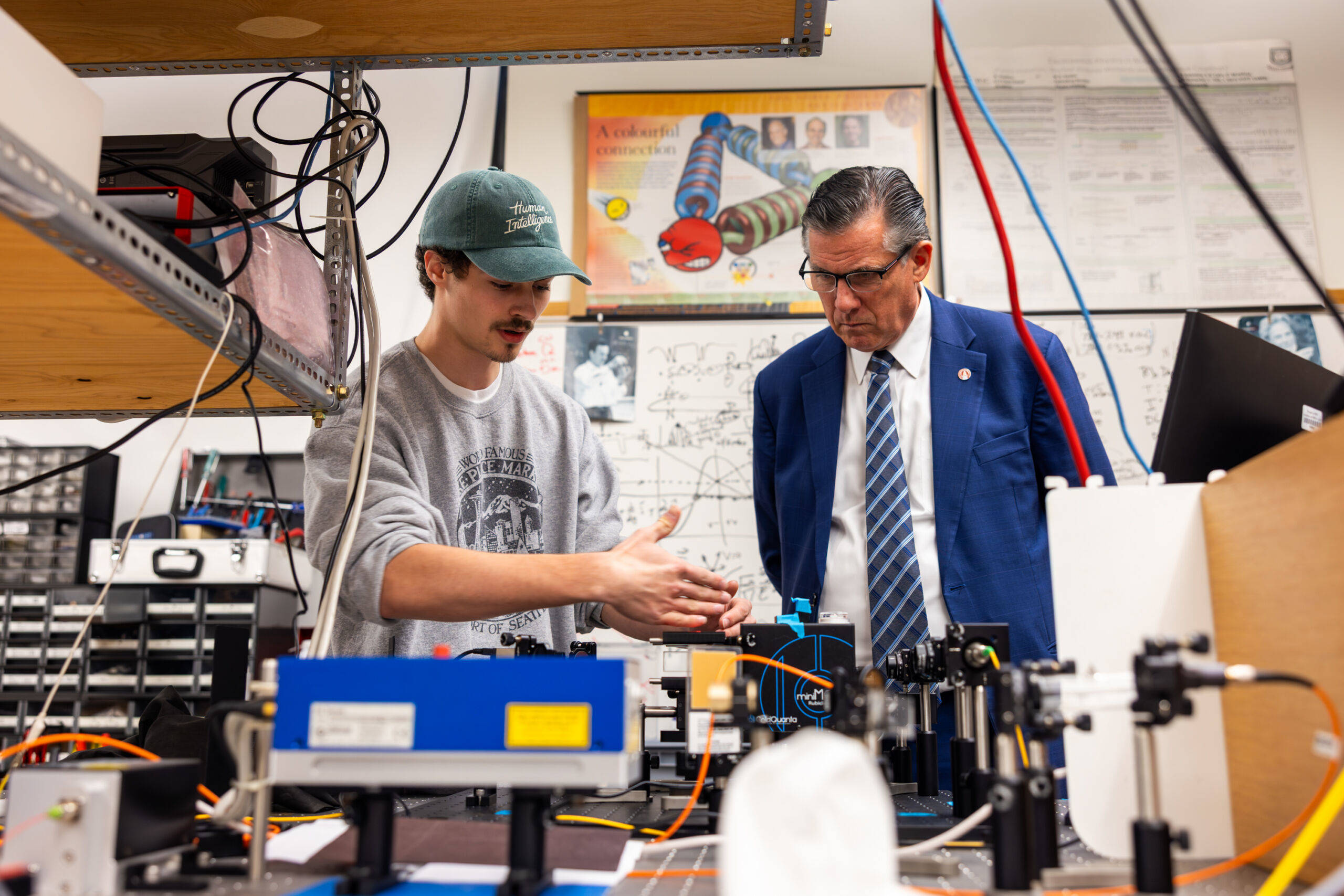
The two projects will maintain a structured collaboration mechanism, including joint workshops and unified contributions to the European security roadmap. This initiative builds on the partners' existing work in European Commission-supported projects, such as the NOSTRADAMUS project. The framework combines AIT's scientific expertise in quantum optics and physical QKD mechanisms with Deutsche Telekom's operational leadership and large-scale network integration capabilities.
Related Products


Automatic Aiming Laser Remote Obstacle Removal Robot
Pinggao Group Weihai High-Voltage Apparatus Co., Ltd.

20 Inch 1600*900 Full HD 60Hz TFT LED Monitor with VGA and DP Interfaces for Desktop Computers-Business Use
Guangzhou Zanying Optoelectronics Technology Co., Ltd.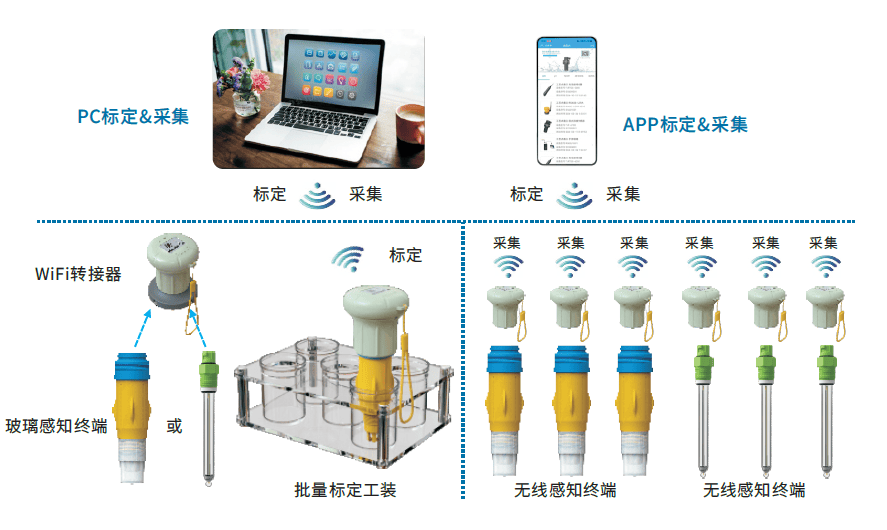
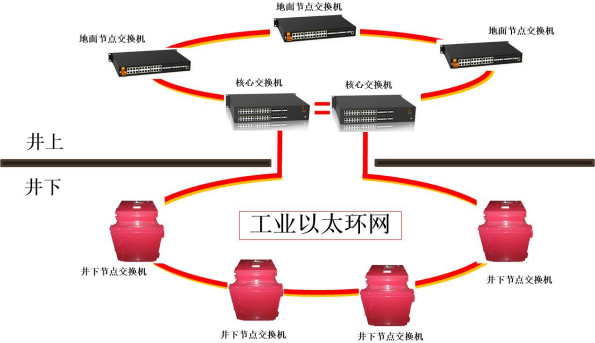
Mine Explosion-proof and Intrinsically Safe Industrial Ethernet Ring Network (10 Gigabit/Gigabit)
Chongqing Mas Sci&Tech Co., Ltd.


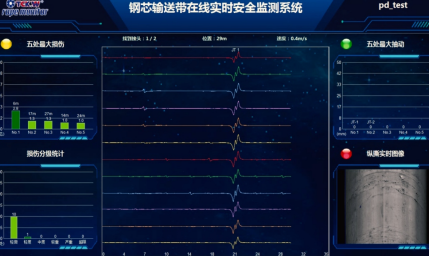
Conveyor Belt Intelligent Monitoring System
LUO YANG WIRE ROPE INSPECTION TECHNOLOGY CO., LTD.