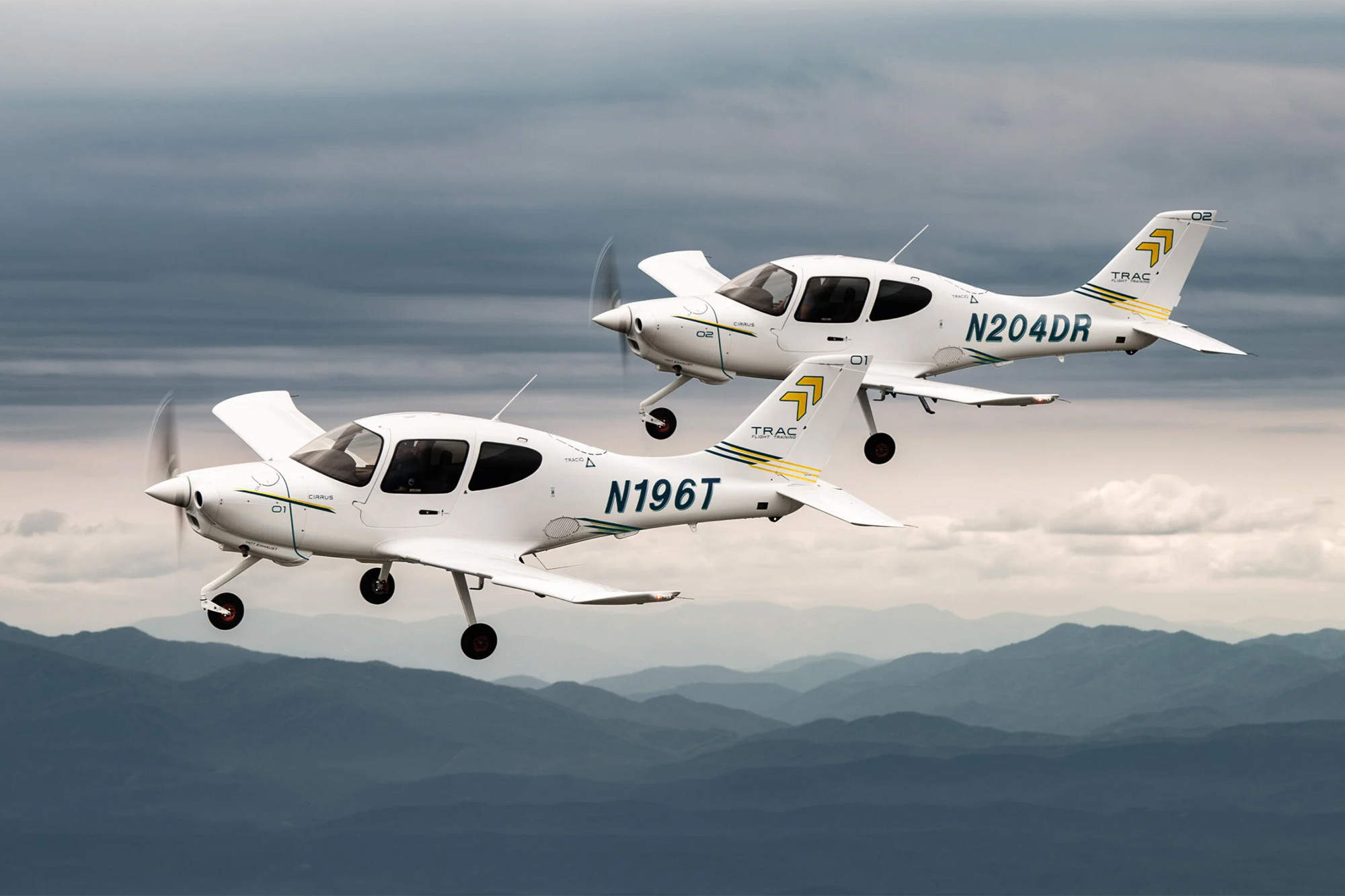
en.Wedoany.com Reported - Cirrus has introduced the TRAC10 training aircraft, designed specifically for professional flight schools, universities, and pilot training organizations, to meet the evolving demands of modern commercial pilot training. This model expands the company's dedicated training product line, aiming to help operators reduce operating costs and improve training efficiency.
The global aviation industry is facing a persistent pilot shortage, prompting airlines, training academies, and universities to increase investments in modern training fleets. The TRAC10 was developed against this backdrop, and its launch comes at a time of growing demand for training platforms that combine advanced technology with low operating costs.
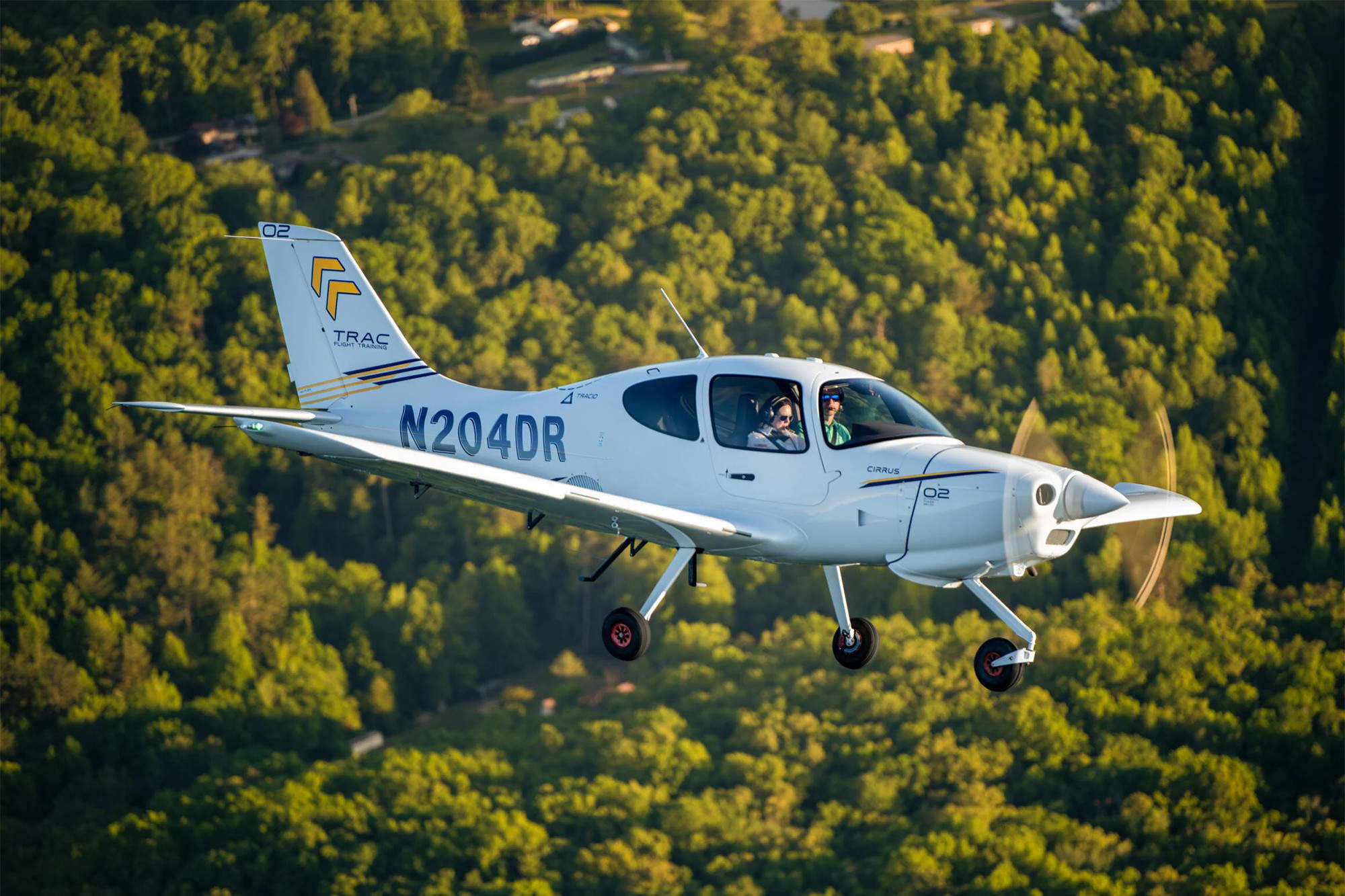
The TRAC10 will be manufactured at Cirrus' headquarters in Duluth, Minnesota. The manufacturer plans to begin deliveries to US customers in 2027, with international deliveries expected in 2028. According to Cirrus, it has already received over 100 orders from 13 professional flight schools worldwide.
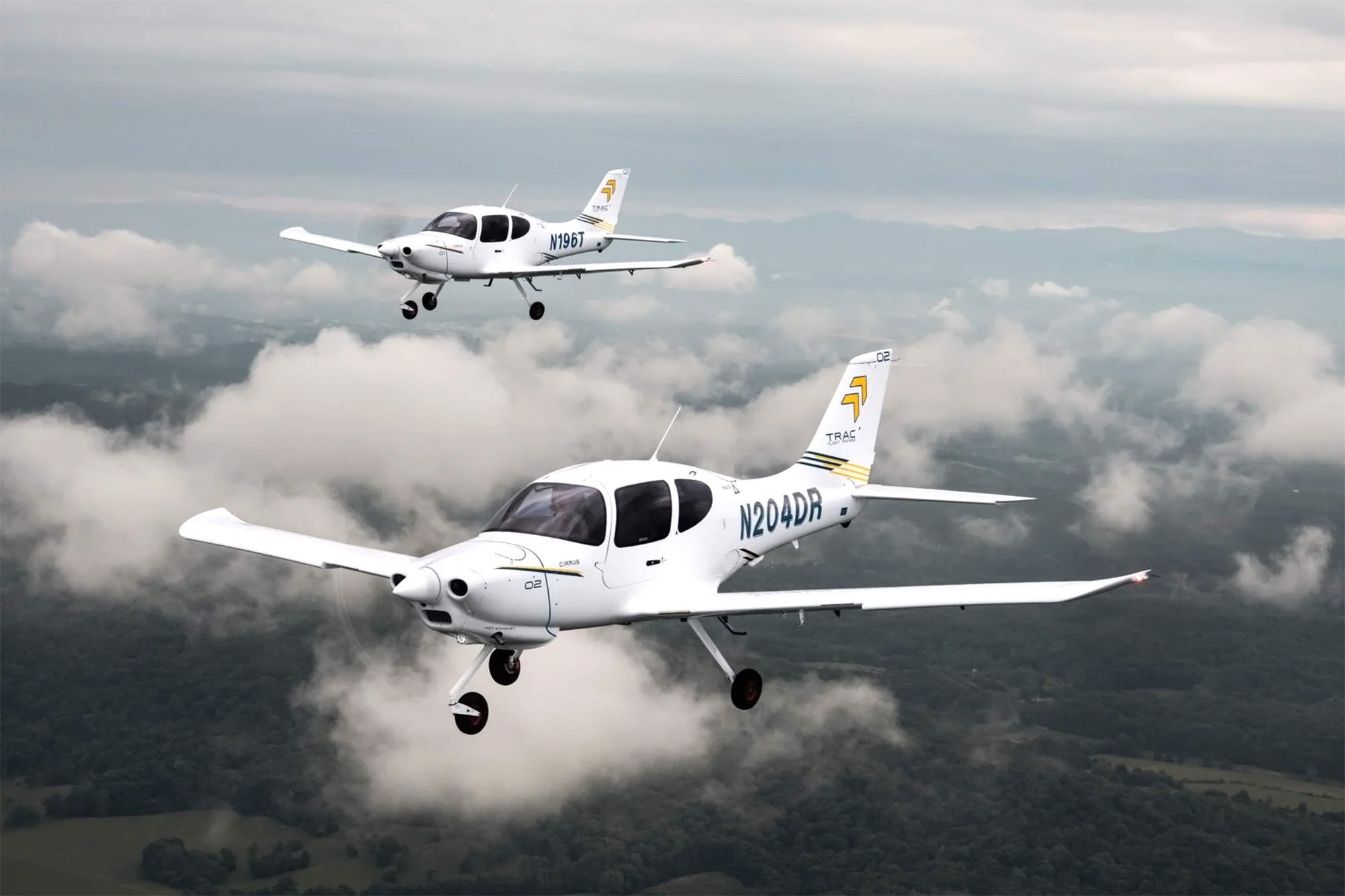
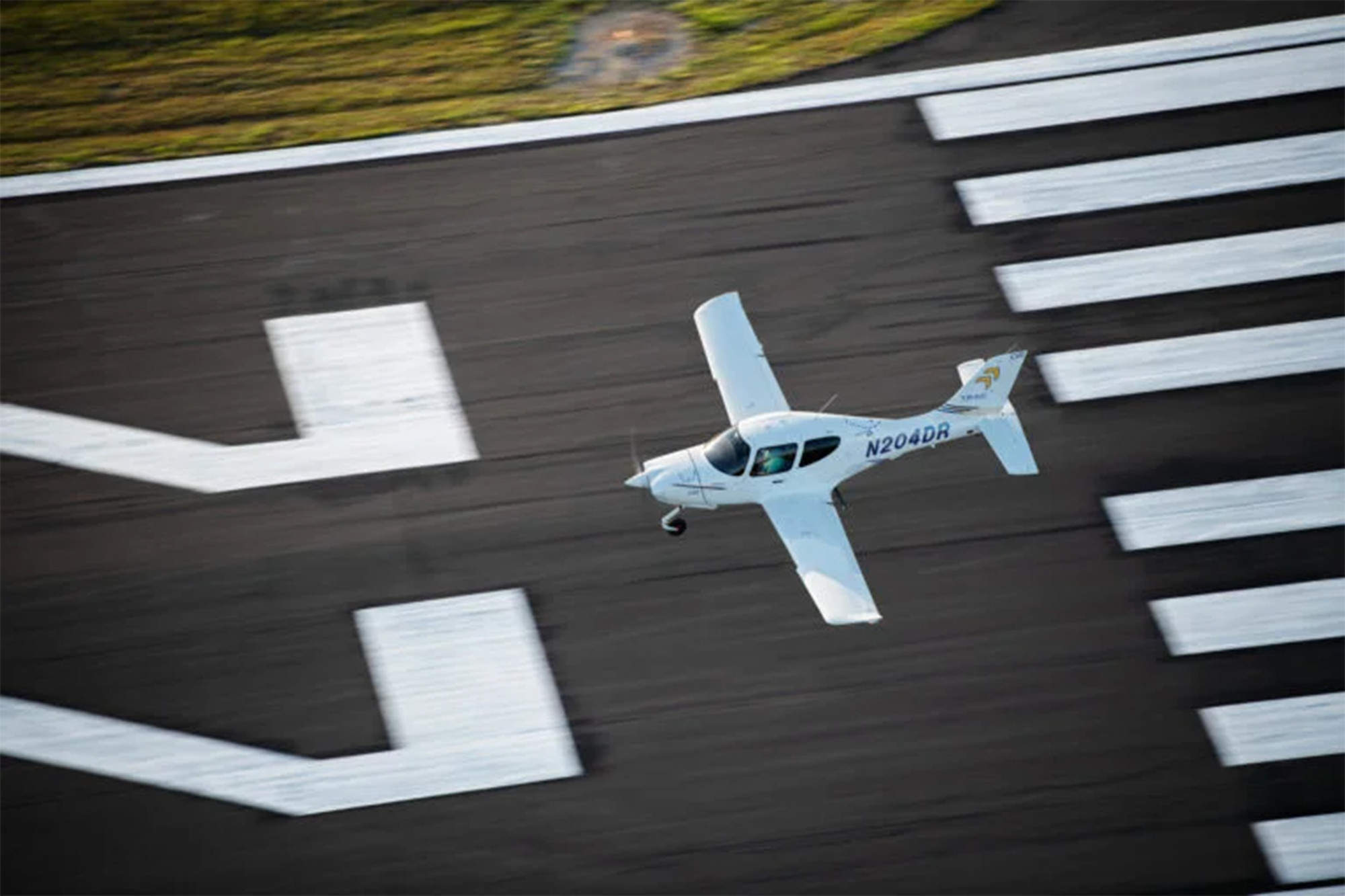
Unlike many aircraft converted from private planes for training use, the TRAC10 is purpose-built around the needs of professional flight instruction. The aircraft features a three-seat configuration, integrating advanced avionics, modern safety systems, and digital fleet management capabilities, designed to enhance training efficiency and reduce operating costs.
Cirrus CEO Zean Nielsen stated that the TRAC10 is the company's response to the changing needs of professional flight schools. Leveraging over three decades of experience in designing, manufacturing, and supporting aircraft, this model represents the company's most thoughtful solution for the successful operation of flight schools.
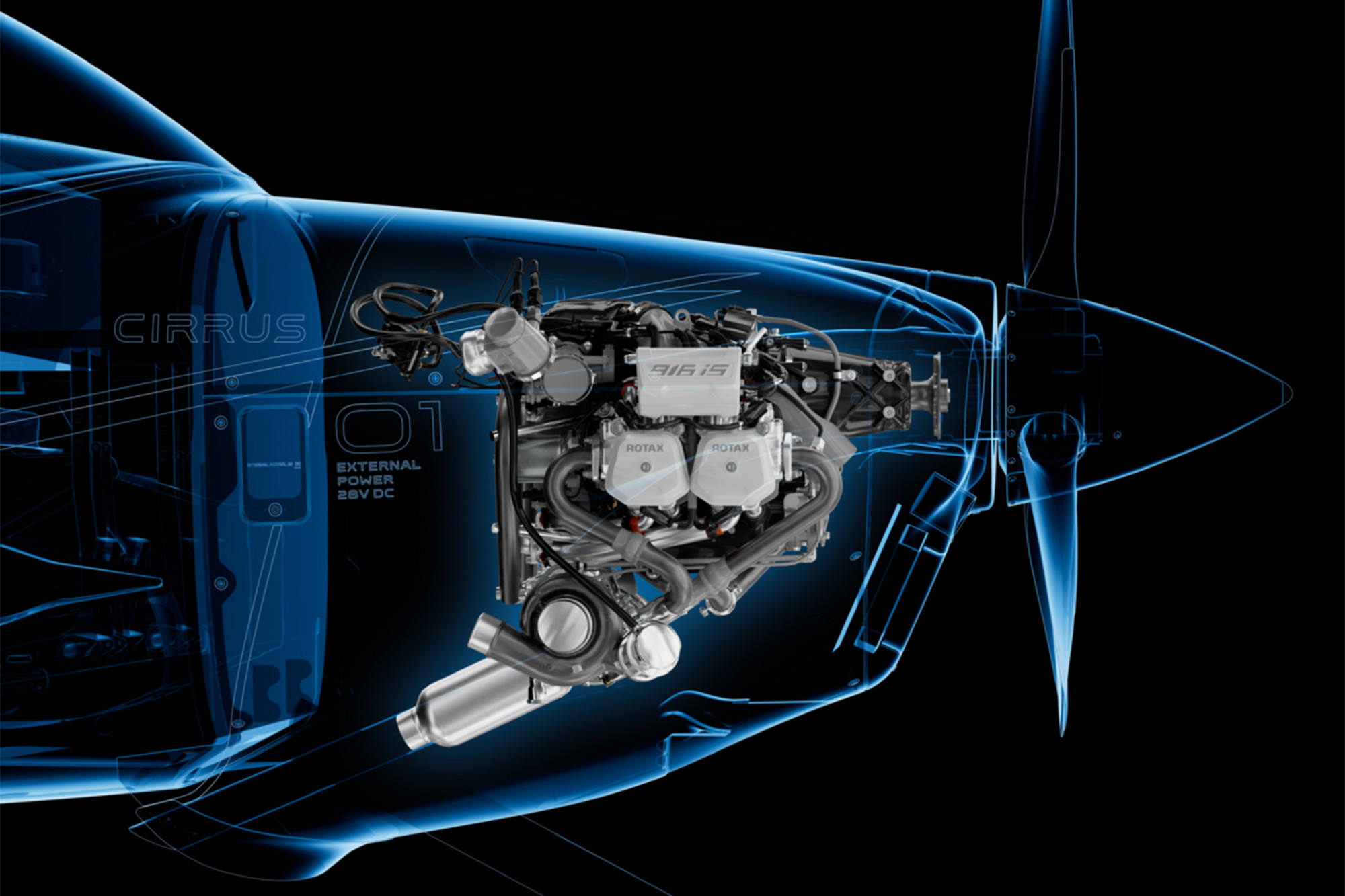
In terms of power, the TRAC10 is equipped with a 160-horsepower Rotax 916 iSc turbocharged engine featuring a Full Authority Digital Engine Control (FADEC) system. This choice aims to reduce pilot workload while improving fuel efficiency and simplifying engine management. Cirrus states that at 65% cruise power, the aircraft consumes only 22.3 liters of fuel per hour, a figure that can significantly reduce fuel costs for operators conducting multiple training missions daily.
The engine supports multiple fuel types, including traditional 100LL avgas, 91/94 unleaded avgas, and approved specific automotive gasoline (Mogas) blends. This fuel flexibility is attractive in regions where avgas supply or pricing is challenging. For flight schools operating large fleets, lower fuel consumption and simplified maintenance schedules help control overall training costs.
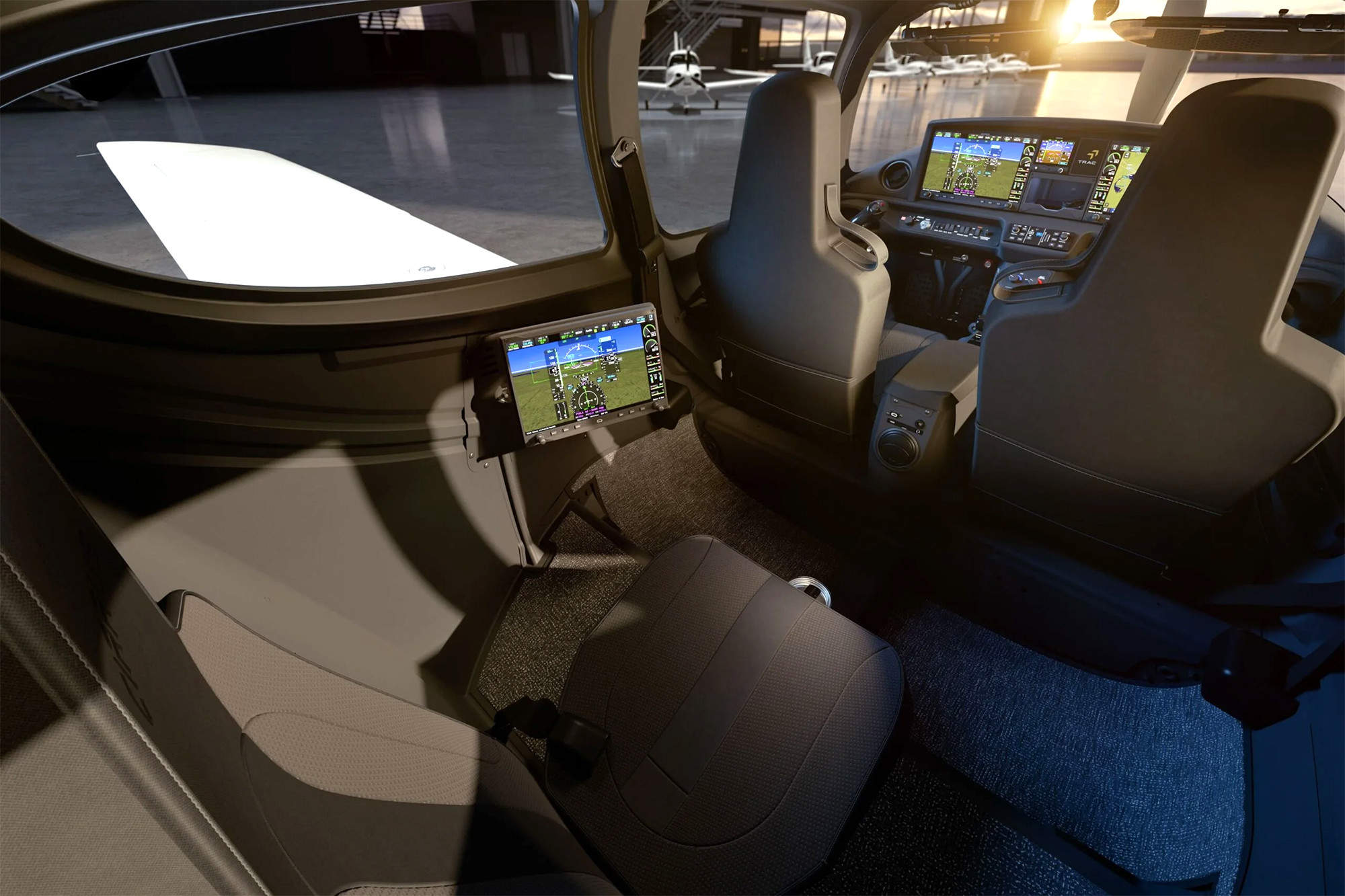
One of the most notable features of the TRAC10 is its three-seat cabin layout. In addition to the instructor and student seats, an extra observer seat allows another student or instructor to participate in training flights without occupying a control seat, enabling observational learning and allowing trainees to gain experience before taking the controls themselves.
The rear seat is positioned higher than the front seats, between two large windows, providing a better view of the external environment and cockpit activities. An optional display can be installed in the rear seat for the observer to follow flight information during the lesson. The cabin is described as one of the widest in its class, featuring adjustable seats and rudder pedals to accommodate pilots of different sizes.
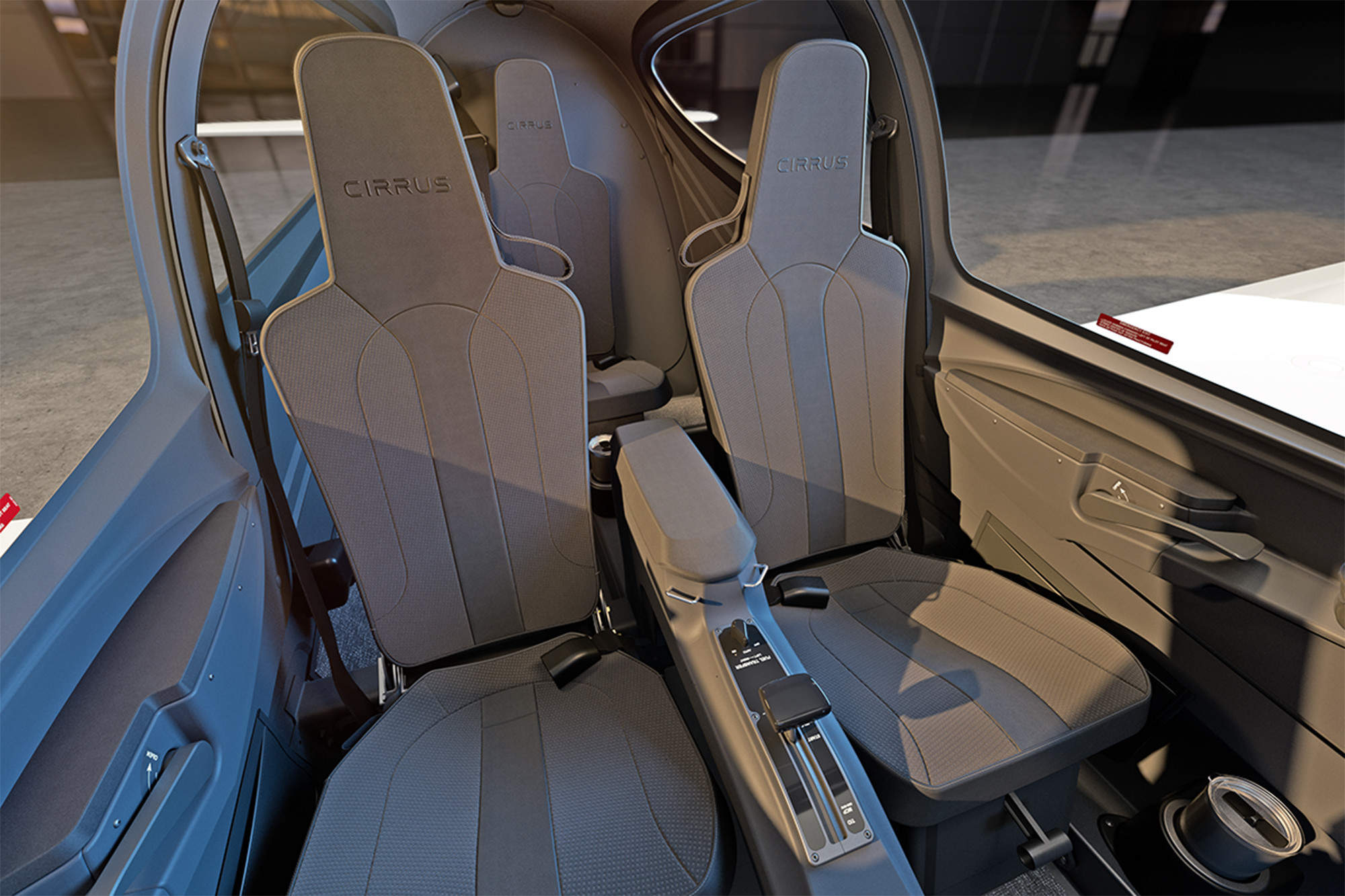
To improve the daily training experience, the aircraft is equipped with multiple USB-C charging ports, individual cup holders, additional storage space, optional air conditioning, and durable materials designed for high-intensity daily use. These features help enhance comfort for both flight instructors and students during long training days.
In terms of safety, the TRAC10 incorporates Cirrus' signature technologies. Standard safety features include the Cirrus Airframe Parachute System (CAPS), which can allow the entire aircraft to descend safely under a parachute in certain emergency situations.
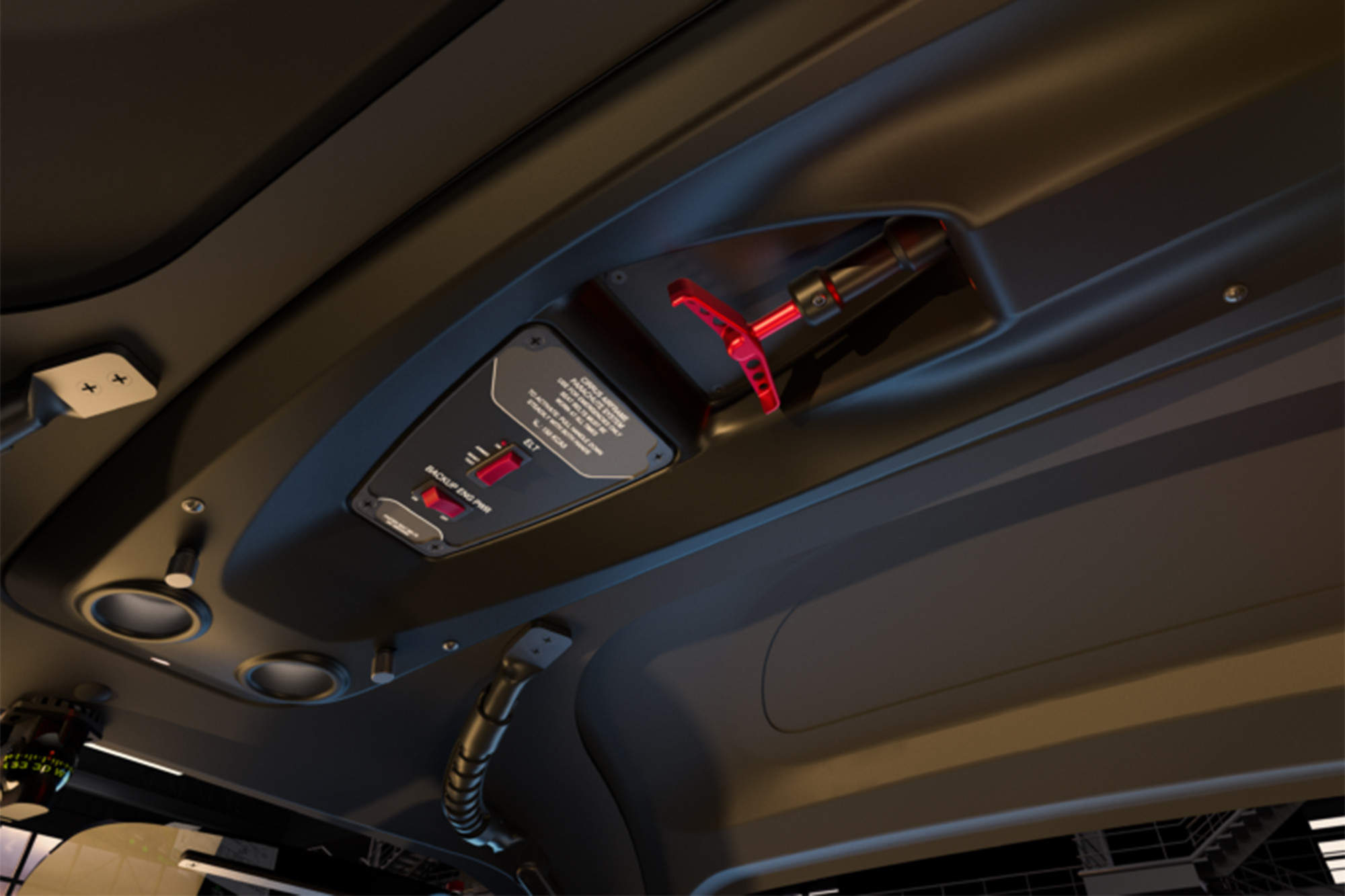
Other systems include Electronic Stability and Protection (ESP), which prevents excessive bank angles or unusual attitudes; the Blue Level Button (LVL), which returns the aircraft to straight-and-level flight with a single press; a stall warning stick shaker, providing tactile warning before an aerodynamic stall; and wing design with winglets, aimed at improving stall characteristics and enhancing resistance to spins. The Rotax FADEC system reduces pilot workload during busy training by automating engine management functions.
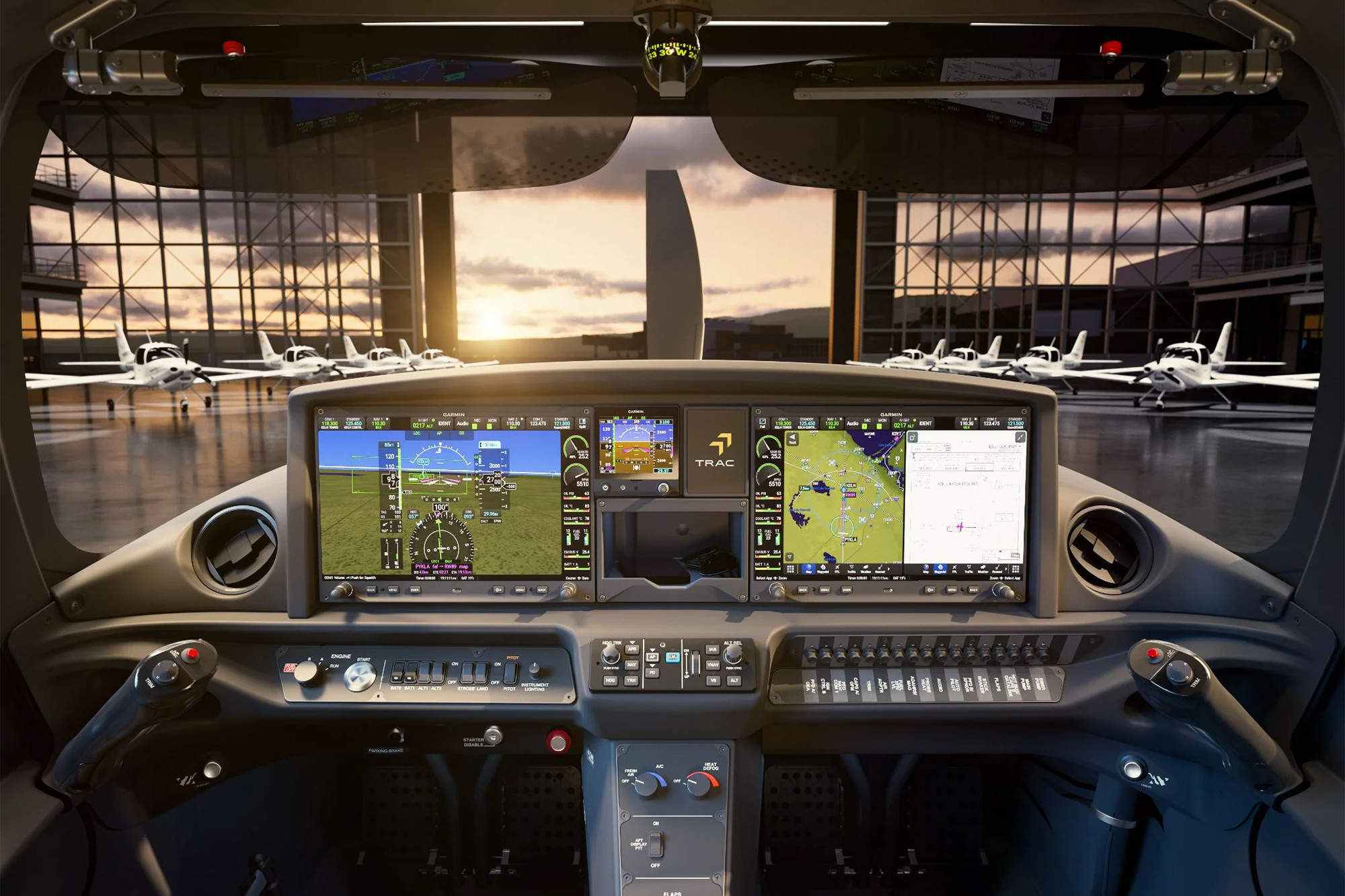
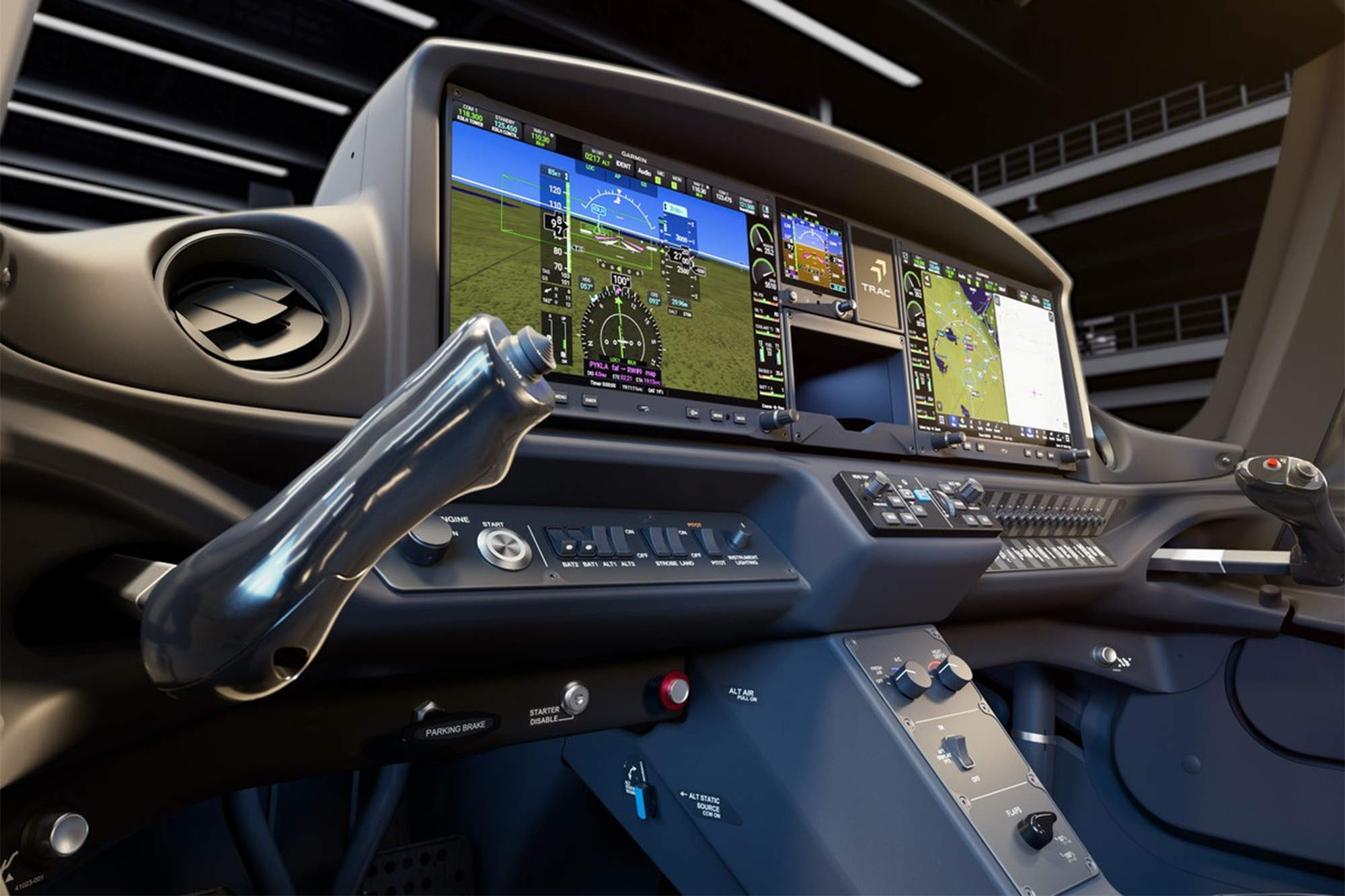
The TRAC10 is equipped with a Garmin integrated flight deck, reflecting the prevalence of glass cockpit avionics in commercial aviation. Many training organizations want students to become familiar with digital avionics early in their flying careers to shorten the learning curve when transitioning to more advanced aircraft later.
Additionally, Cirrus has integrated digital fleet management through the Cirrus IQ™ platform. This system wirelessly transmits aircraft data, enabling operators to remotely monitor fleet health, maintenance status, and operational information. Features include automatic navigation database updates, aircraft usage monitoring, fuel and engine parameter tracking, oil and coolant monitoring, maintenance interval management, and integration with third-party flight debriefing and fleet management software. For large training organizations, this connectivity can reduce administrative workload and improve aircraft availability and maintenance planning efficiency.
The launch of the TRAC10 reflects broader trends in flight training. As demand for air travel grows, airlines continue to recruit new pilots, driving investment in modern training infrastructure. Aircraft manufacturers are responding by developing platforms that balance low operating costs with advanced technology and safety features. New designs are no longer just replacements for aging training aircraft but serve as stepping stones to airline operations, exposing student pilots early to digital avionics, automated systems, and data-driven fleet management.