Polish PLK Approves PLN 861 Million Funding for 29 Level Crossing Upgrades
en.Wedoany.com Reported - Polskie Linie Kolejowe (PLK), the Polish national railway infrastructure manager, has approved a funding plan totaling PLN 861 million (approximately EUR 202 million) to replace 29 railway-road level crossings with overpasses and tunnels nationwide. As part of the second phase of the national program to enhance level crossing safety, PLN 430.5 million (approximately EUR 101 million) will be allocated for the construction of grade-separated junctions at 29 locations.
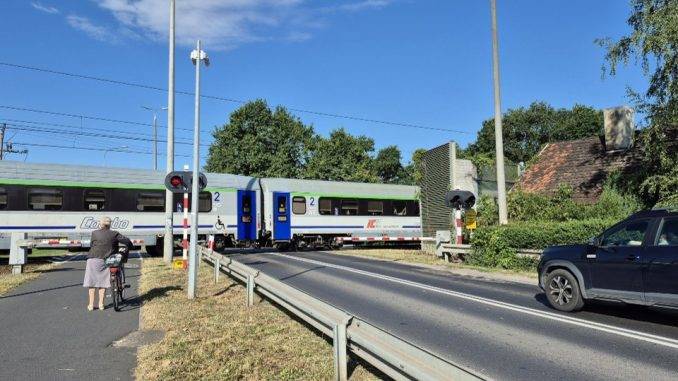
The program is organized on a competitive basis, targeting local governments and road authorities interested in co-financing the construction of grade-separated junctions. The first phase of the program provided similar funding for an additional 17 projects. Consequently, as part of both phases of the program, a total of 46 overpasses and underpasses will be built across Poland.
Polish Infrastructure Minister Dariusz Klimczak stated that the number of projects annually invested in railway-road crossing safety continues to grow. The program aims to replace level crossings with modern overpasses and tunnels to enhance safety for all road users and improve mobility in cities and regions, benefiting drivers, pedestrians, and rail passengers.
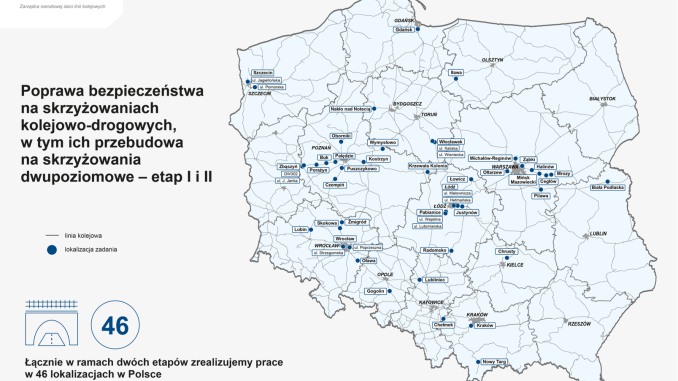
The program is funded from the state budget. PLK provides a maximum co-financing of PLN 60 million (approximately EUR 14 million) per individual project. Eligibility criteria include the removal of existing level crossings, integration of the new overpass or tunnel into the road network, and approval from the local community. PLK co-finances the construction of overpasses or underpasses above or below the railway line, as well as costs for technical documentation and the removal of level crossings.
Maciej Kaczorek, CEO of Polskie Linie Kolejowe, noted that constructing grade-separated junctions not only improves safety for both rail and road traffic but also enhances the reliability of the railway network. Eliminating level crossings reduces the impact of road traffic on train operations and contributes to the more efficient functioning of the entire railway network.
During the program's call for projects, which closed on February 5, 2026, a total of 17 local governments and road authorities submitted 23 new applications. According to regulations, an additional 14 projects from the reserve list of the first phase were automatically included in the evaluation process. Following technical, operational, and economic analyses, as well as an assessment of document readiness, a total of 35 projects entered the final ranking. Of these, 29 were selected for funding, while the remaining 6 were placed on a reserve list. PLK noted that the final project list may change based on cost reassessments and the ability of local governments to provide the required co-financing.
Related Products



Wheel and Track Technology Business
Beijing Research & Design Institute of Rubber Industry Co., Ltd.

3m intelligent buoy combining navigation safety and real-time marine monitoring integrated navigation and marine monitoring system for real-time maritime data
Chengdu Dixin Technology Co., Ltd.
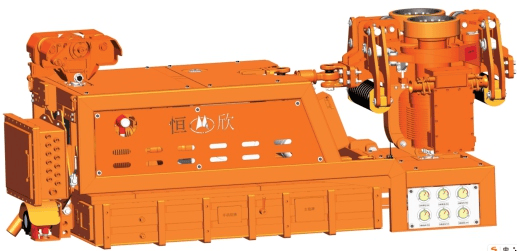
Explosion-proof lithium battery dispatching monorail crane locomotive (permanent magnet frequency conversion integrated machine)
Xiangtan Hengxin Industrial Co., Ltd.