en.Wedoany.com Reported - Air Canada (AC) and Avianca are seeking to establish a strategic partnership, planning to integrate their cargo and passenger route networks. This move will help the North American carrier gain smoother access to the South American market, while opening up channels for Avianca to connect its markets with Europe and Asia.
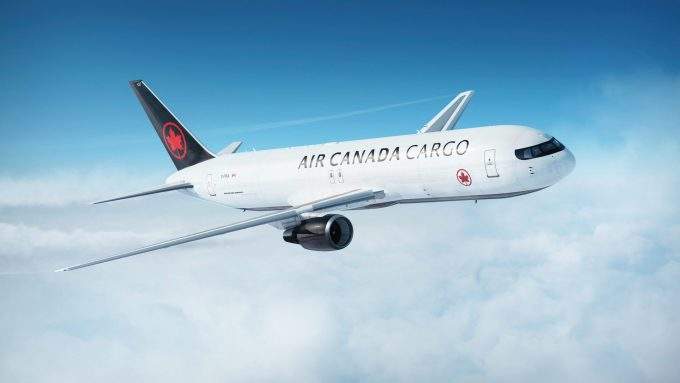
The Canadian carrier and Abra Group, which controls both Avianca and GOL, have signed a joint business agreement. The agreement aims to advance commercial integration, primarily focusing on passenger services, but both parties have emphasized their ambitions for cooperation in the cargo sector, distinguishing this from typical passenger airline partnership agreements.
Mark Galardo, Executive Vice President, Chief Commercial Officer, and President of Cargo at Air Canada, stated that based on the highly complementary business operations of both parties in the Americas, this memorandum of understanding opens the way for two world-class airlines to further strengthen cooperation, enhance customer experience, and improve global connectivity.
On the cargo side, the two airlines already have an interline agreement, which is one of many such agreements between them. Matthieu Casey, Managing Director of Commercial Cargo at Air Canada, described the existing arrangement as "good" but added that it "could be more active." He noted that this agreement allows both parties to focus more on the possibilities this partnership can bring.
Avianca has been more proactive in seeking airline partnerships. A late 2025 agreement with Turkish Airlines introduced a B777 freighter flying from Istanbul via Liège to Miami, connecting with Avianca in Miami for onward flights to South America. The Latin American carrier uses the eastbound transatlantic capacity of this flight to serve the European market. Similarly, Avianca utilizes northbound capacity from Amazon freighters flying from Miami to Bogotá and Quito.
For Air Canada Cargo, Latin America has become a growth market for its transpacific and transatlantic intercontinental routes. Given the limitations of the domestic market, the airline has long focused on intercontinental volumes transiting through Canada to the Americas, primarily the United States. Due to trade uncertainties between Canada and the U.S., other regions of the Americas have become new targets for Air Canada's intercontinental cargo flows.
Casey emphasized the complementarity of the two airlines' route networks rather than individual markets and routes. For Air Canada, this partnership aims to create a broader Latin American network for customers. Miami, Bogotá, and San José are three natural primary connection points for cargo exchange between the two airlines, with both operating passenger and freighter flights to Miami.
Currently, the cooperation primarily focuses on bellyhold capacity, with discussions on freighter connectivity expected to be incorporated into the alliance later. On the cargo side, the agreement mentions coordination of airport ramp services and integration of bellyhold cargo flows. GOL is not mentioned in the agreement, as it focuses on domestic narrow-body operations in Brazil. On the other hand, this low-cost carrier operates a domestic cargo network using B737 freighters and began wide-body passenger flights this month from Rio de Janeiro to New York using a leased A330.
The cooperation agreement allows for revenue sharing and deeper commercial integration, but this is subject to regulatory approval of a binding agreement favored by both parties. According to the cooperation announcement, commercial integration will include expanding codeshare arrangements. Casey stated that it is too early to discuss codesharing.