NVIDIA and Toyota Expand Collaboration on Four Physical AI Applications
en.Wedoany.com Reported - On July 15, NVIDIA and Toyota Motor Corporation expanded their physical AI collaboration, further applying accelerated computing, AI software, and simulation technologies to intelligent vehicles, industrial robots, automotive factories, and urban transportation systems. This partnership connects vehicle-side computing, industrial digital twins, and urban visual intelligence, broadening the deployment scope of physical AI in mobility and industrial operations.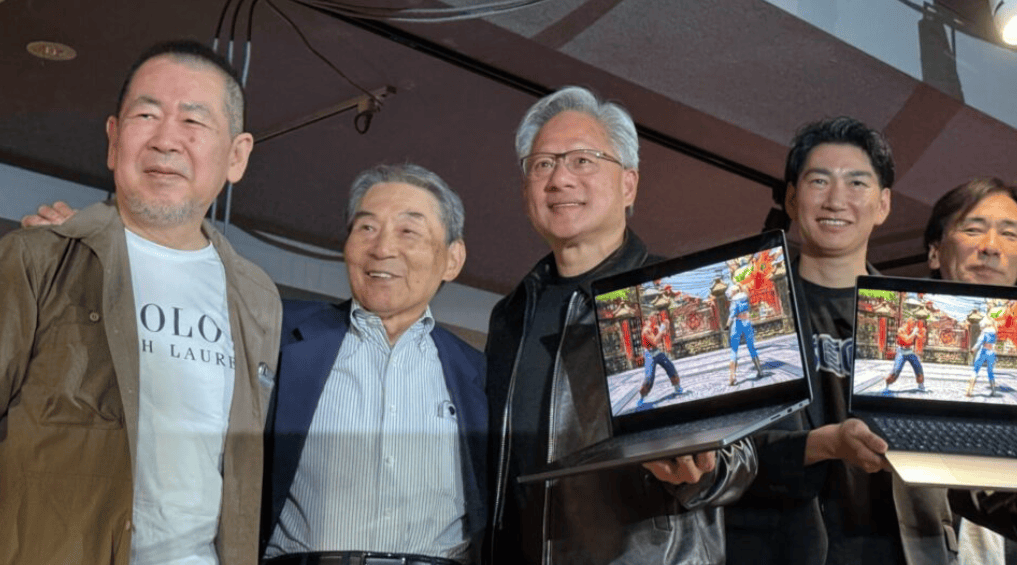
In the automotive sector, Toyota is developing next-generation vehicles equipped with L2++ advanced driver-assistance features based on NVIDIA's DRIVE AGX in-vehicle computing platform and the safety-certified DriveOS operating system. This system will process information from vehicle sensors such as cameras and radar, providing capabilities for road environment recognition, scenario judgment, and assisted driving decisions. Currently, the two companies have not yet disclosed the first models to be equipped, production scale, or launch timeline.
Automotive software development is also included in this collaboration. Toyota has used NVIDIA's Megatron-LM to train and fine-tune a code assistant model compliant with MISRA automotive software standards, combined with Nemotron-related data to improve the efficiency of generating, reviewing, and verifying safety-critical code. This development framework will serve software-defined vehicles, enabling faster development of vehicle control programs under functional safety and software specification requirements.
Factory-level collaboration focuses on digital twins and robot simulation. Toyota will use NVIDIA's Omniverse library and Isaac Sim open framework to simulate automotive production processes, robot movements, and factory work environments. Engineers can test robot grasping, handling, and operational paths in a virtual environment, and verify process plans before making actual adjustments to production lines, reducing equipment downtime and on-site iterative debugging.
Urban applications are being advanced by Toyota's subsidiary, Woven by Toyota. The company has used NVIDIA's H100 Tensor Core GPU and Megatron-Core to develop the Woven City AI Vision Engine, a multimodal visual language model. This model is designed for urban transportation intelligence, capable of recognizing real-world scenarios on roads and in public spaces, assessing event trends, and providing response support for transportation, mobility, and urban infrastructure systems.
This expansion establishes four physical AI workstreams, covering in-vehicle computing, automotive software engineering, factory robot simulation, and urban transportation intelligence. The collaboration has extended from vehicle advanced driver-assistance systems to automotive manufacturing and urban operations systems, but the two companies have not disclosed additional investment amounts, equipment procurement scales, or the timeline for full operational deployment of each system.
Related Products
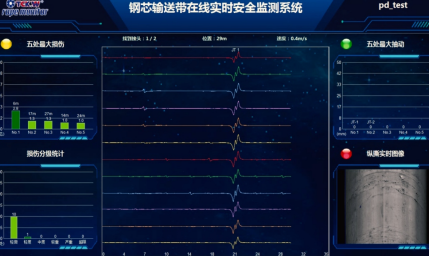

Conveyor Belt Intelligent Monitoring System
LUO YANG WIRE ROPE INSPECTION TECHNOLOGY CO., LTD.
GYTA Type Non-Self-Supporting Aerial/Duct Optical Cable
TONGDING INTERCONNECTION INFORMATION CO., LTD.
20 Inch 1600*900 Full HD 60Hz TFT LED Monitor with VGA and DP Interfaces for Desktop Computers-Business Use
Guangzhou Zanying Optoelectronics Technology Co., Ltd.
TWP16 P-Band Tropospheric Wind Profile Radar
China Huayun Meteorological Technology Group Co., Ltd.

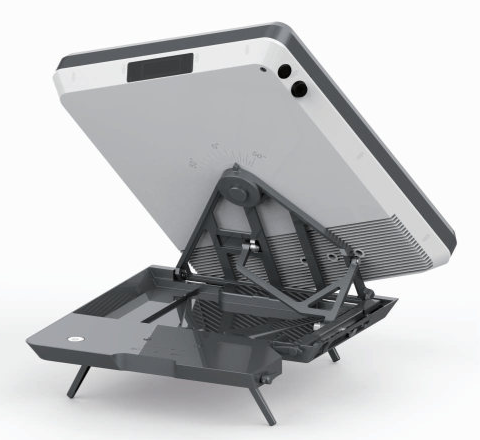
Flat Portable Satellite Terminal 0.35m Aperture Manual Portable Terminal
China Starwin Science & Technology Co., Ltd.

Industrial and Commercial Point-Type Gas Detector
Jinan Benan Technology Development Co., Ltd.
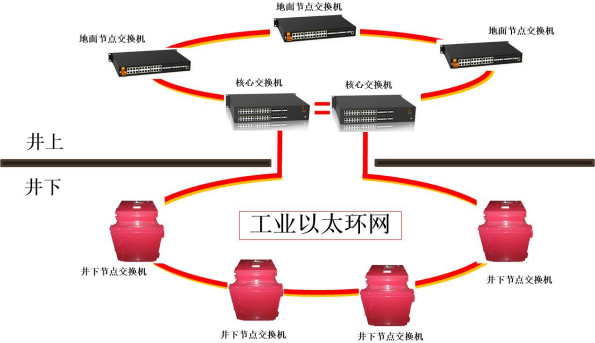
Mine Explosion-proof and Intrinsically Safe Industrial Ethernet Ring Network (10 Gigabit/Gigabit)
Chongqing Mas Sci&Tech Co., Ltd.