Spain's Ministry for Ecological Transition Tightens Construction Restrictions in Floodplains
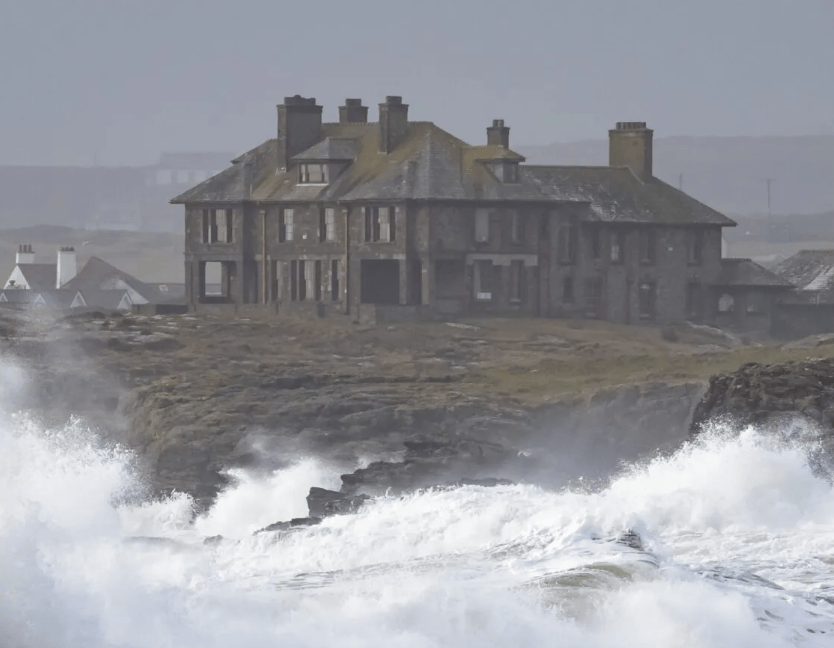
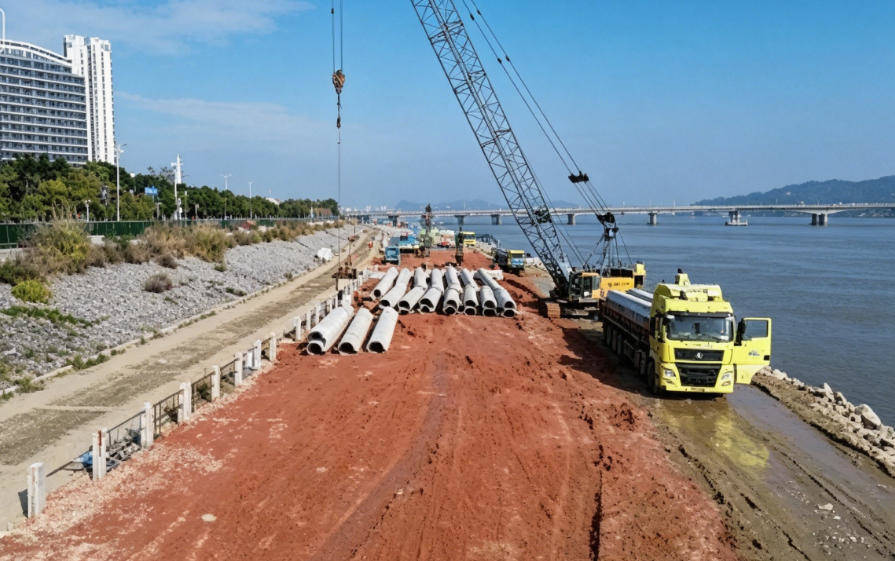
en.Wedoany.com Reported - Spain's Ministry for Ecological Transition (Ministerio para la Transición Ecológica) plans to submit a draft royal decree to tighten construction conditions in areas at the highest risk of flooding. The draft stems from reflections following the Valencia floods in late 2024, which caused 230 deaths. The ministry has now opened a public consultation period, aiming to restrict or even prohibit construction in high-risk areas.
The decree will mandate that municipal authorities in high-risk towns approve plans adapted to flood risk. Its core provision is that property owners in floodplains must note this condition in the registry when conducting sales. This obligation covers declarations of new construction, property financing operations, and urban development actions involving land re-zoning. Sources from the Ministry for Ecological Transition acknowledge that this requirement will "affect" the market price of plots or homes.
According to ministry sources, after the consultation period and relevant reports from the Council of State (Consejo de Estado), the regulation is expected to be finally approved by the Council of Ministers within the current legislative term. The draft's preamble notes that losses caused in Spain by "a series of storms in 2019, 2023, 2024, 2025, and 2026" are examples of the increase in extreme rainfall events. It emphasizes that "the hydrological cycle is intensifying, becoming more unstable and extreme."
Spain has had regulations restricting construction and activities in high-risk areas since 2015. This revision aims to strengthen these restrictions in response to the intensifying impacts of climate change. Flood-prone soils are divided into two categories: one is the "preferential flow zone," the area with the highest probability of water level rise, where the risk is 1%, meaning it is expected to flood once every 100 years; the other is the remaining floodplain, with a lower probability.
Restrictions are set based on soil type (rural or urbanized). In rural preferential flow zones, the draft maintains the obligation not to convert this soil into developable land, allowing only flood protection measures. On already urbanized land in urban preferential flow zones, it adds "explicit prohibitions," including "no new residential use," and "explicit prohibition of underground garages, basements, and any underground construction."
For other lower-risk areas, requirements for new construction are also tightened. For example, residential buildings are only allowed on developable land "one meter above the expected flood level," and "no underground garages, basements, or any underground construction" is permitted. The ministry explains that the goal is to establish a "safety margin." For lower-risk rural floodplains, "new construction and basic services or infrastructure, such as hospitals, schools or medical centers, residences for the elderly or disabled, indoor sports centers, large commercial premises, campsites, camping accommodation areas, etc., are prohibited."
The Ministry for Ecological Transition emphasizes that the memory of disasters is fragile. The draft addresses this by giving legal force to the creation of the National Catalog of Historical Floods (Catálogo Nacional de Inundaciones Históricas), requiring affected municipalities and administrative bodies to register significant events. The draft also urges "the development of specific signage in urban environments to identify flood years and water levels reached in key areas," for "practical education on risk perception."
The decree mandates that municipalities incorporate "flood hazard and risk maps and the resulting use restrictions" into urban planning, which will be regularly updated based on flood and sea-level rise information. The draft adds that these tools should be adjusted "within five years of the entry into force of this Royal Decree." Furthermore, municipal councils must approve "flood risk adaptation plans," including identifying vulnerable areas and buildings, analyzing affected populations, adaptation measures, and local early warning systems, accompanied by specific decrees on how to respond to floods.
The draft acknowledges that despite existing regulations, the occupation of building land in Spain's highest-risk preferential flow zones continues to grow. "Ongoing urban developments and various exceptions have led to a continued increase in building space in risk areas, raising the risk exposure and vulnerability of local populations and assets," the draft states, justifying the further tightening of regulations.
Related Products



300mm Segment Type Countdown Traffic Light (Core Type)
Yangzhou FAMA Intelligent Equipment Co., Ltd.
Ceiling light | led Ceiling Light | LED Indoor light | LED Ceiling lighting
Queendom Group Technology Co., Ltd.
Acoustic Mineral Fiber Ceiling Tile 595x595x12mm
Shanxi Pano Trading Co., Ltd

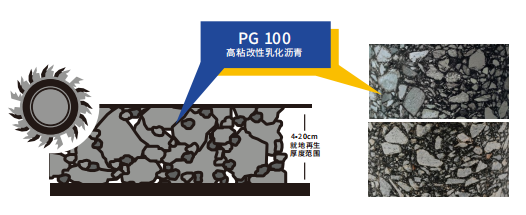
High-toughness in-Situ Cold Recycling Technology for Original Structural Layers
Central Fortune Creation Technology Group Co., Ltd.
145kV Porcelain Column Type Sulfur Hexafluoride Circuit Breaker
TBEA ZONFA Shanghai High Voltage Switchgear Co., Ltd.
Ultra-Pure Ferrite Stainless Steel Products
Gansu JISCO Group Hongxing Iron and Steel Co., Ltd.