Amara Raja India Launches Battery Certification Plant, Invests 5 Billion Rupees
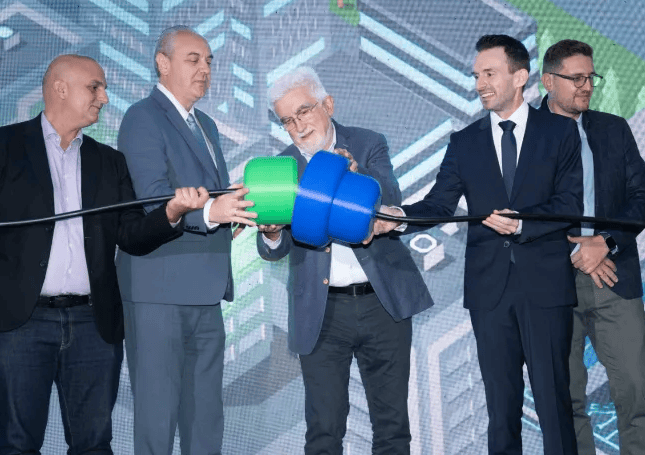
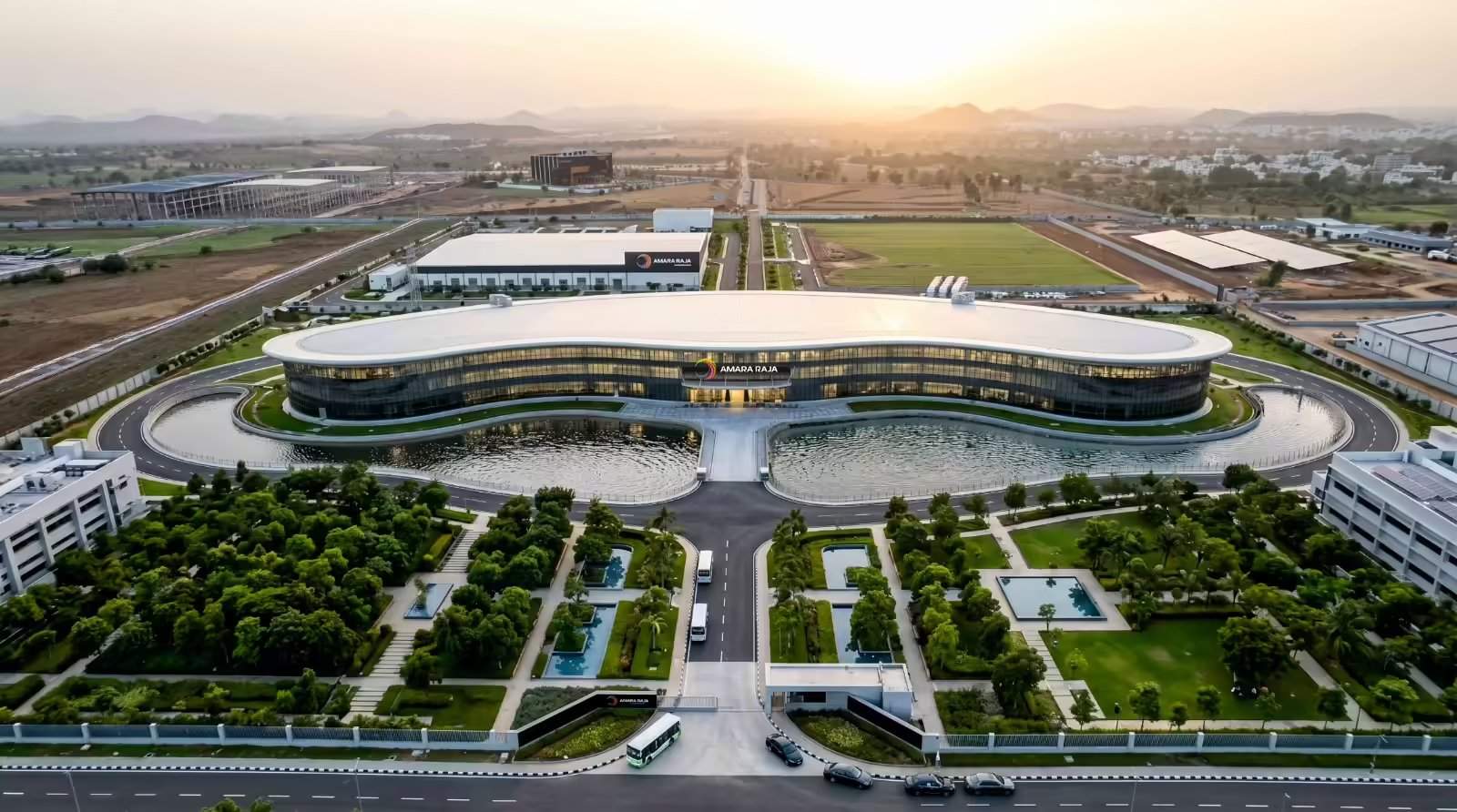
en.Wedoany.com Reported - Amara Raja Advanced Cell Technologies has launched a Customer Qualification Plant (CQP) in the Giga Corridor in Telangana, India, marking a new phase in the company's lithium-ion battery manufacturing plans.
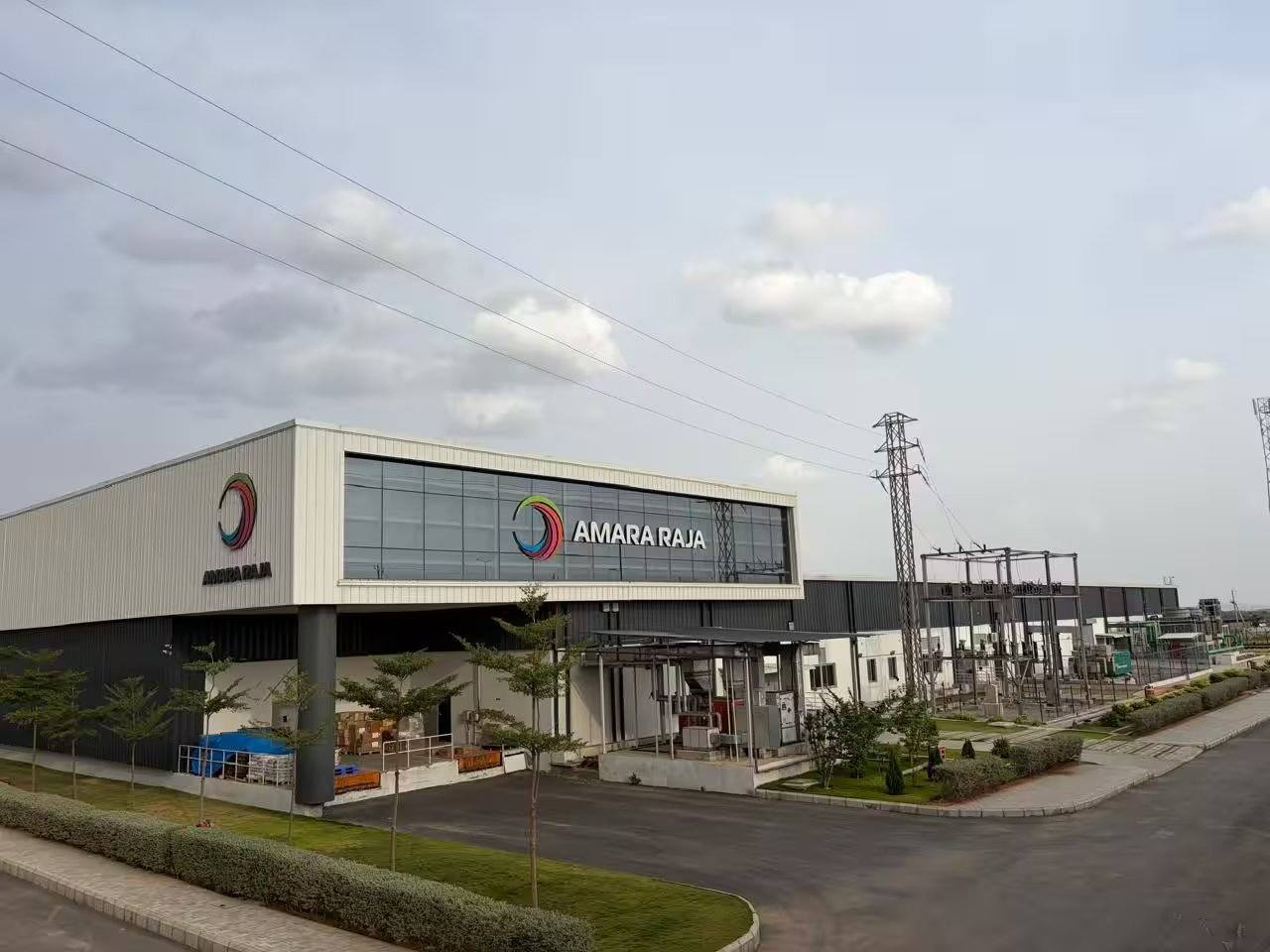
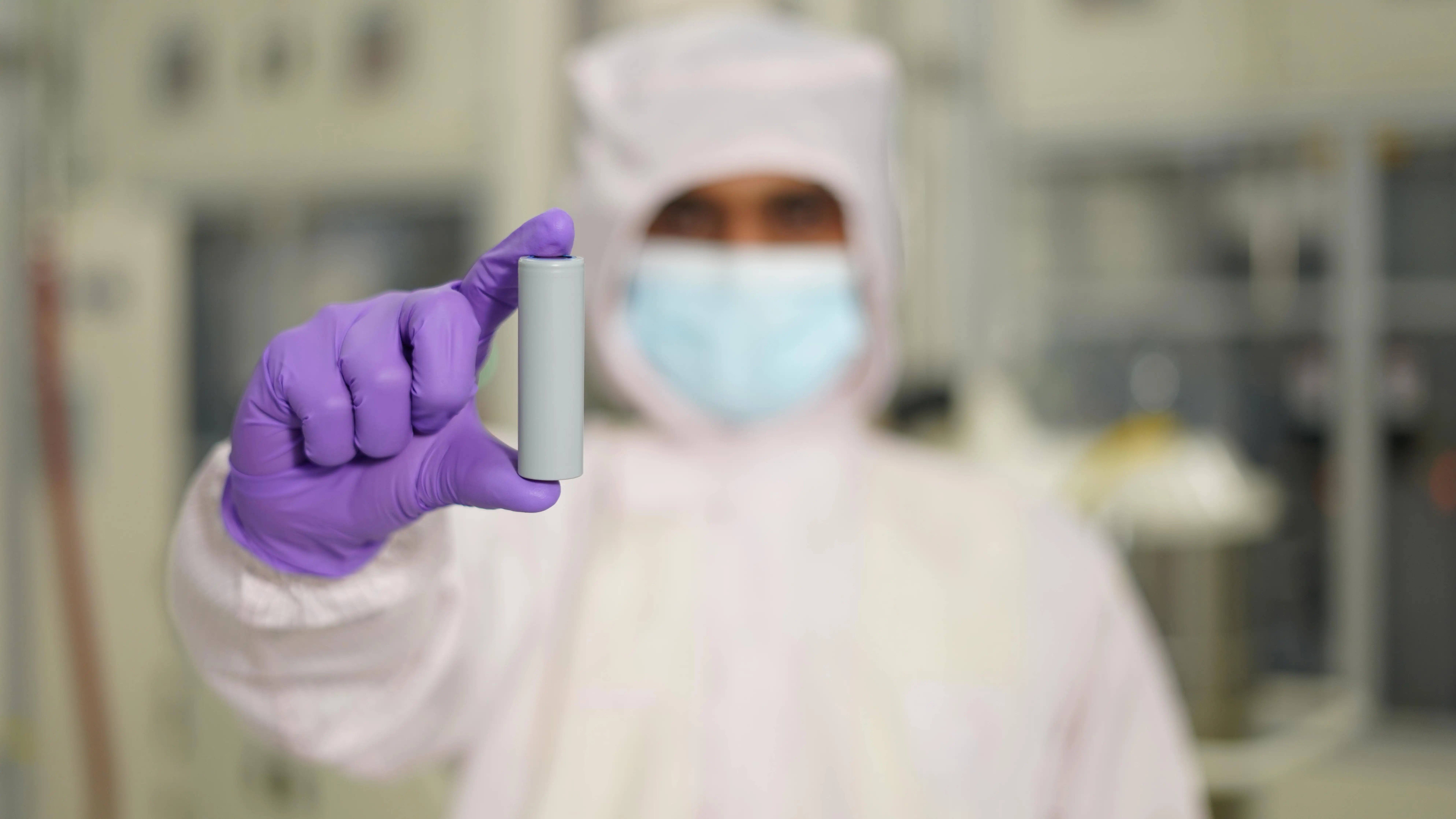
The CQP involves an investment of approximately 5 billion rupees and is part of the company's 95 billion rupee mega-factory plan. Under an agreement with the Telangana government, Amara Raja is building 16 GWh of capacity. The newly operational plant will produce cylindrical and prismatic lithium-ion batteries covering multiple chemical systems for OEM qualification before commercial-scale production begins.
Commercial battery production from the first 2 GWh line is targeted for 2027, with customer validation of CQP batteries expected to begin in August this year. Vikram Gourineni, Executive Director of New Energy Business at Amara Raja Energy and Mobility, stated after the launch ceremony that the CQP is part of a three-tier industrialization strategy. The first tier is the ePositive Energy Labs, a research and engineering center near Hyderabad airport; the second is the CQP; and the third is the first mega-factory, currently under construction across the road from the new plant.
Gourineni noted that the CQP has a nominal capacity of 60 MWh but may not operate at full capacity, as it is a multi-chemistry, multi-cell format, high-flexibility plant capable of simultaneously validating process and product technologies. The manufacturing equipment used in this plant is highly similar to that of commercial production lines, enabling the company to validate manufacturing processes before scaling up.
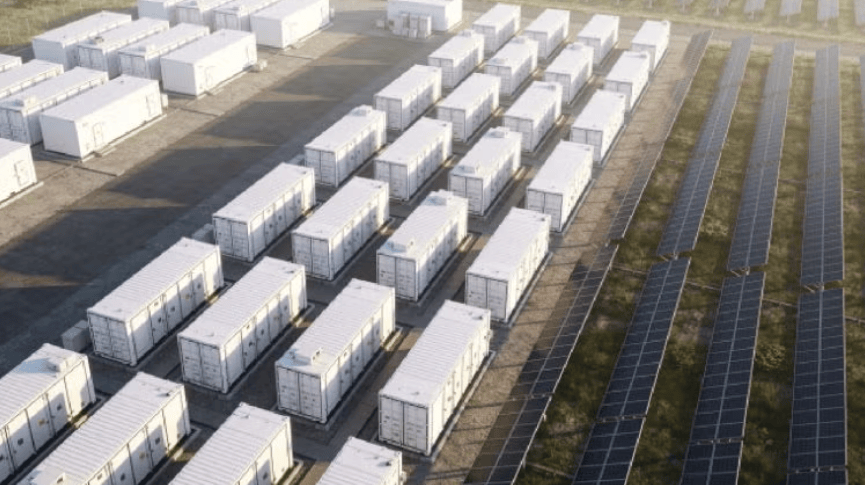
Beyond battery cell manufacturing, Amara Raja is expanding into the Energy Storage System (ESS) sector. Gourineni revealed that the company is building a 10 GWh energy storage facility on its campus. Battery pack assembly remains a current focus, with plans to expand into higher-voltage battery packs and discussions underway with passenger car manufacturers to establish dedicated battery pack facilities. The first commercial mega-factory is ultimately planned for 6 GWh of capacity, with an initial phase producing 2 GWh.
Jayadev Galla, Co-founder and Chairman of Amara Raja, emphasized the company's long-term commitment to the Telangana government, including an investment of 95 billion rupees, the creation of 4,000 jobs, and the construction of 16 GWh of capacity. Gourineni added that the total planned manufacturing capacity at the site could exceed 30 GWh, but the formal commitment remains capped at 16 GWh. The company has received approximately 262 acres of land from the government and has expanded the plant site through private acquisitions, with about 90 acres currently under construction.
Initial commercial production will focus on Nickel Manganese Cobalt (NMC) cylindrical batteries, primarily for electric two-wheelers, before transitioning to Lithium Iron Phosphate (LFP) chemistry. Gourineni stated that after completing initial NMC capacity, future plans will mainly revolve around LFP, with potential involvement in sodium-ion or other novel chemistries. The company also plans to develop ESS cells tailored for localization in India, promoting localization in the stationary energy storage sector.
Senior management acknowledged that domestically manufactured battery cells will initially be more expensive than imported Chinese products. Gourineni estimated a price premium of 20% to 25%. Galla stated that the CQP is designed to reduce manufacturing risks before scaling up, avoiding the high scrap rates associated with directly building a mega-factory. Even after the mega-factory becomes operational, the CQP will remain an integral part of the manufacturing process, with each new battery technology undergoing research, qualification, and then commercial manufacturing.
Related Products

Perfluorinated Ionic Membrane-CM-10N Series Membrane
Guizhou Juneng Century Technology Co., Ltd

G.652.D Wavelength-extended Non-dispersion Shifted Single-mode Optical Fiber
HONGAN GROUP CO., LTD.
Standard Nozzle Flowmeter
Jinggong Automatic Control Instrument Complete Technology Development Company