France-Germany Onshore Wind Auctions Oversubscribed, Awarded Capacity Exceeds 3 GW
en.Wedoany.com Reported - France and Germany recently held onshore wind auctions, both of which were significantly oversubscribed, with a combined awarded capacity exceeding 3 GW and average winning prices continuing to decline. WindEurope noted that the auction results reflect intense competition but also warned that limited auction visibility is forcing developers to rush projects to market.
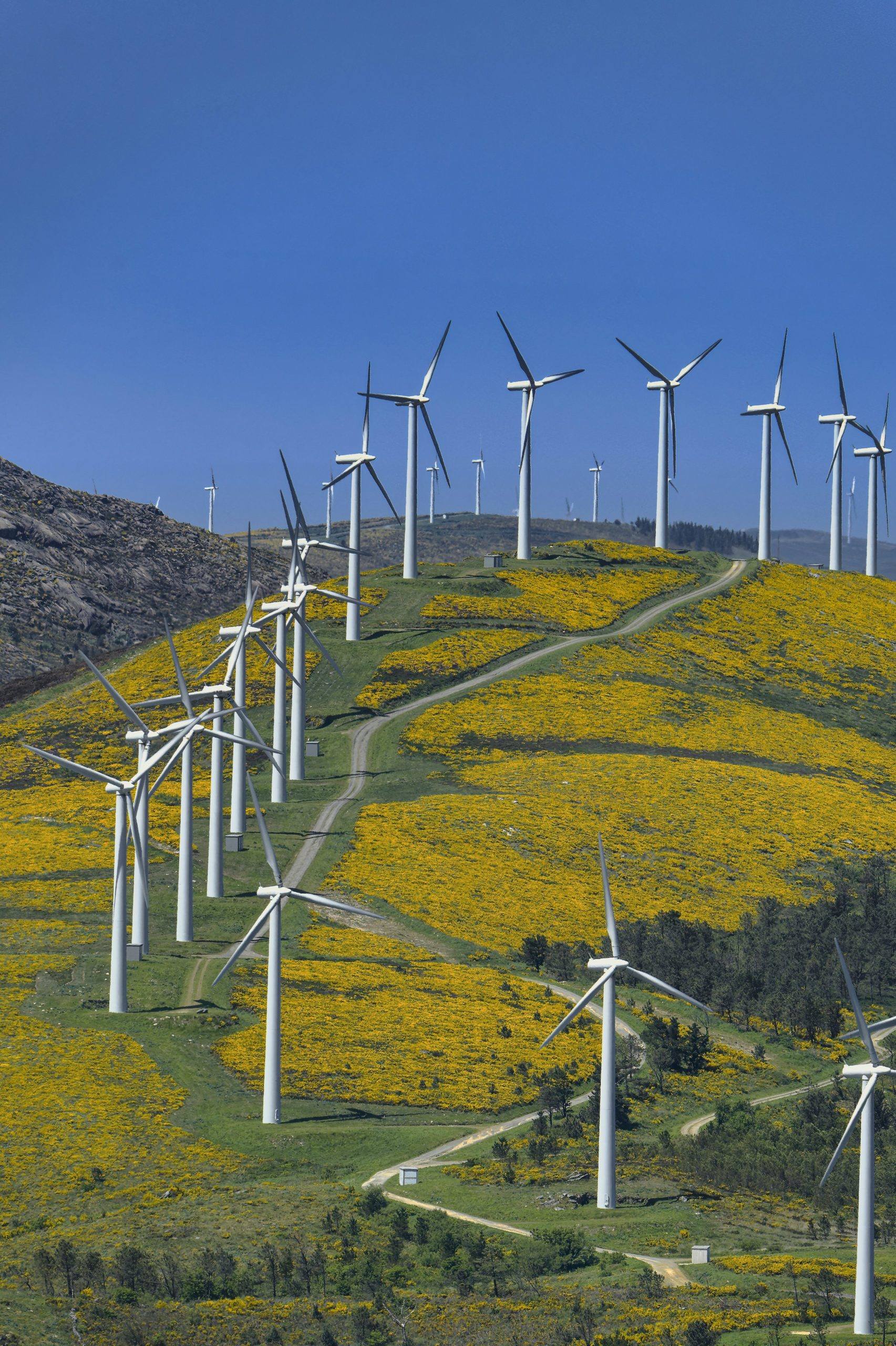
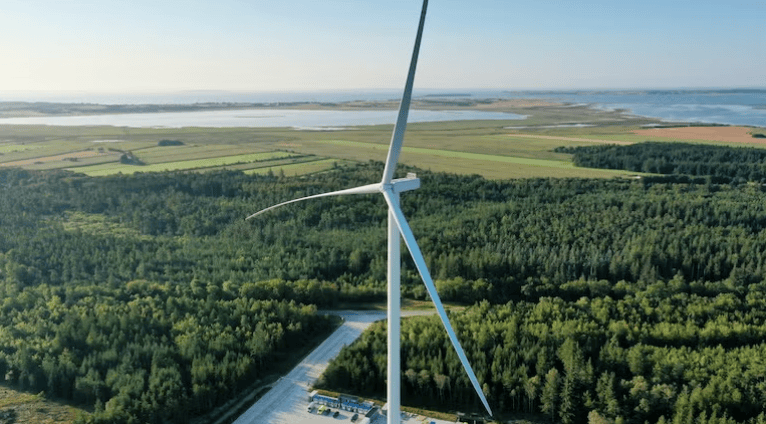
Onshore wind remains the main driver of new wind power installations in Europe, accounting for 94% of new capacity last year and is expected to represent nearly 80% of new installations by 2030. France's latest auction awarded 0.8 GW, with bids totaling 2.4 GW, and the average winning price fell to €77/MWh, down about €10/MWh from recent rounds. Repowering projects accounted for 66% of awarded capacity, benefiting from France's recent simplification of permitting processes for some repowering projects.
WindEurope warned that the high bid volume reflects France's low onshore wind targets and a lack of auction visibility beyond 2026, forcing many projects—including some without full permits—to bid early. Pierre Tardieu, Chief Policy Officer at WindEurope, stated that France has compressed a large number of projects into two small-scale auctions this year, driving down prices, but developers are essentially competing for market access. He called for a genuine multi-year auction plan.
Germany approved a record 21 GW of onshore projects last year, with its latest auction awarding 2.5 GW at an average price of €51/MWh and a minimum bid of €44/MWh. WindEurope noted that Germany's new wind power prices are far lower than alternatives cited by Fraunhofer ISE—new nuclear power at €139 to €490/MWh, and new natural gas, hard coal, and lignite at even higher costs. However, the organization also warned that extremely high oversubscription rates could prompt developers to submit risky bids that may not be deliverable, and urged the German government to launch the announced additional auctions for 12 GW by 2030 to avoid "artificial scarcity."
The auction dynamics offer lessons for the Baltic Sea region. As countries in the region expand onshore and offshore wind capacity, predictable multi-year auction schedules are increasingly seen as key to reducing costs and advancing projects.
Related Products
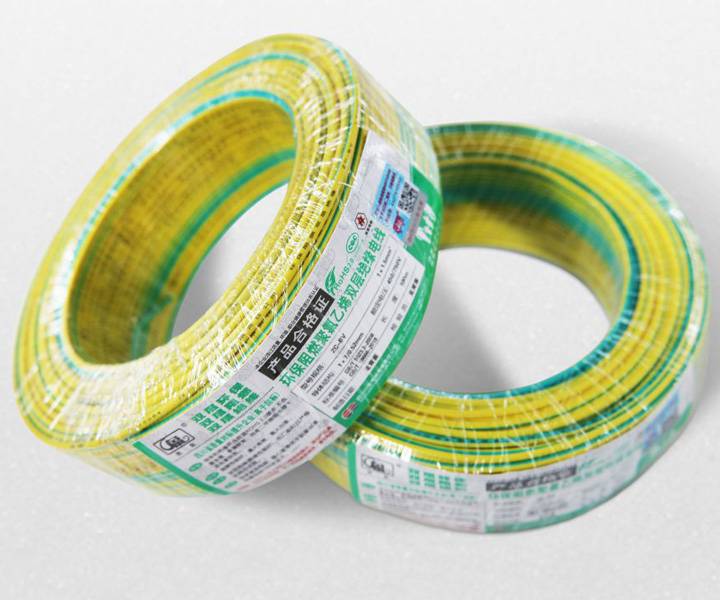

Environmentally Friendly Flame-retardant PVC Double-layer Insulated Wire
Sichuan Chndo Cable Co., Ltd.
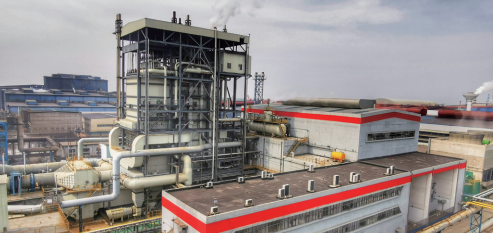
Jiujiang Pinggang 125MW Subcritical Gas Power Generation Project
Capital Engineering & Research Incorporation Limited
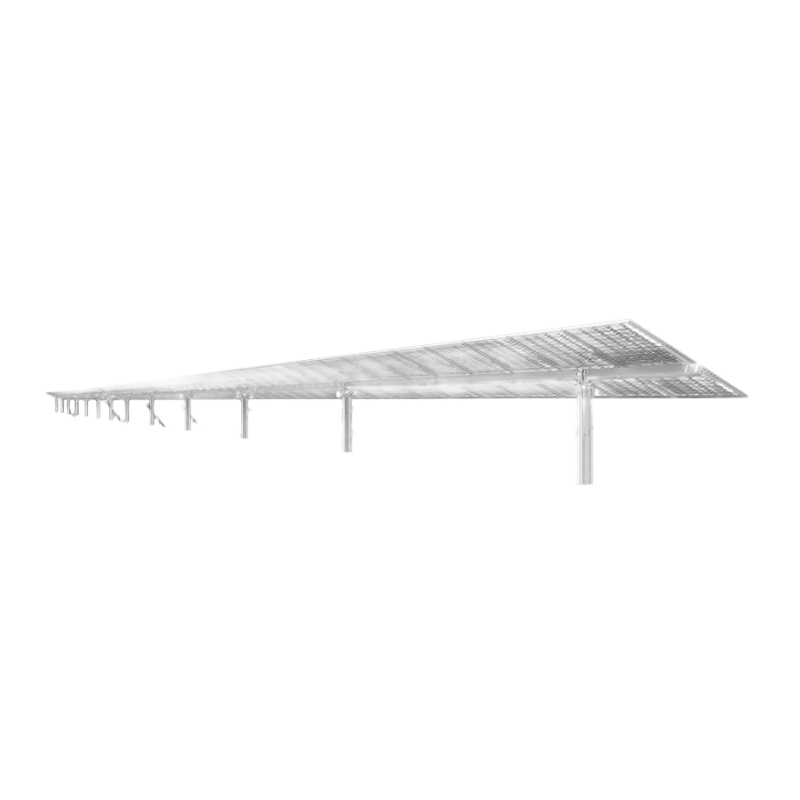
TAI Slew-drive Single-axis Independent 1P Tracking Bracket System
ANTAI TECHNOLOGY CO., LTD.
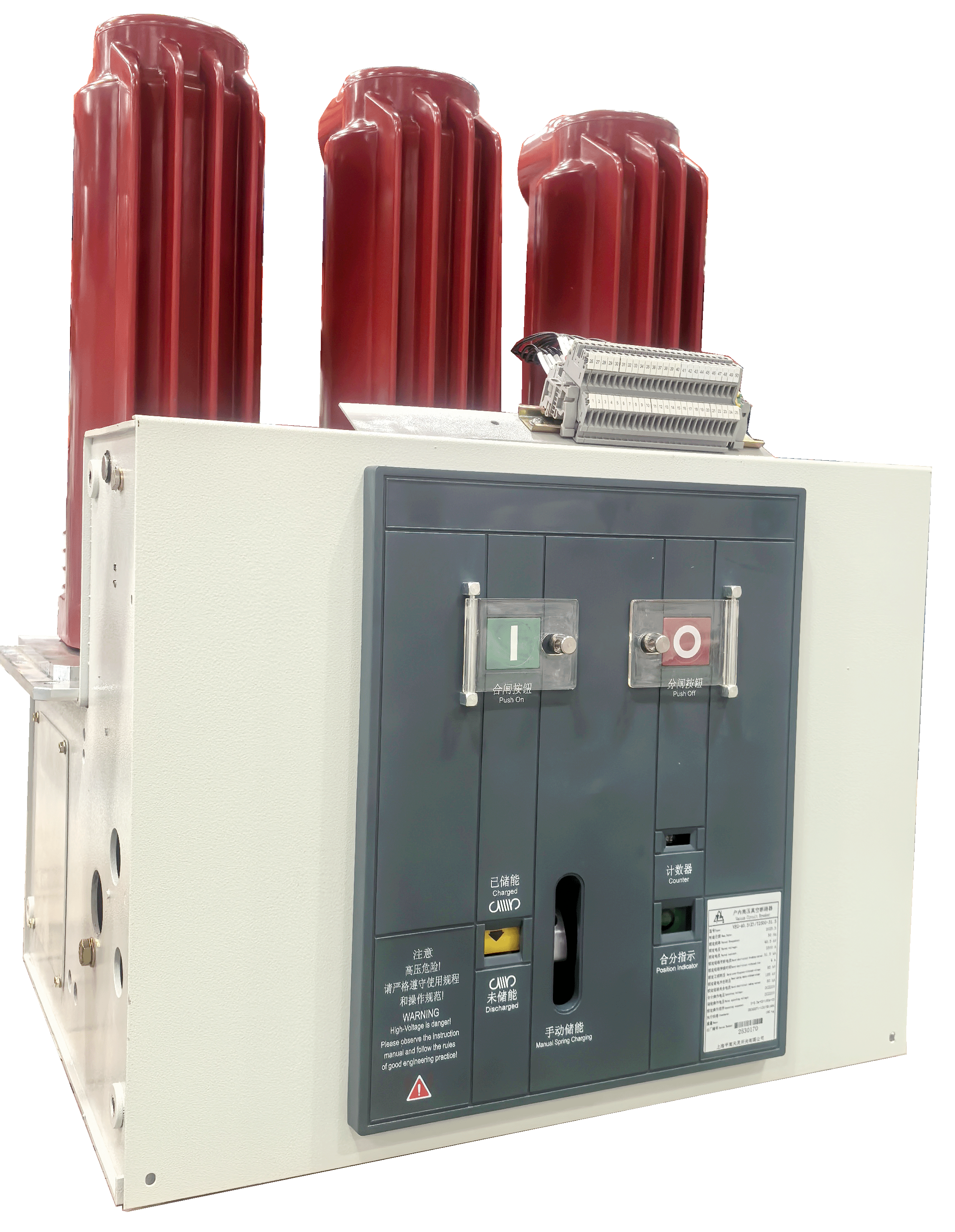
VEG-12/24/40.5 Series Vacuum Circuit Breaker
SHANGHAI PINGGAO TIANLING SWITCHGEAR CO., LTD.