China's Guangzhou Port Nansha Port Area Three Terminals Pass Acceptance, Adding 4.7 km of Foreign Trade Shoreline
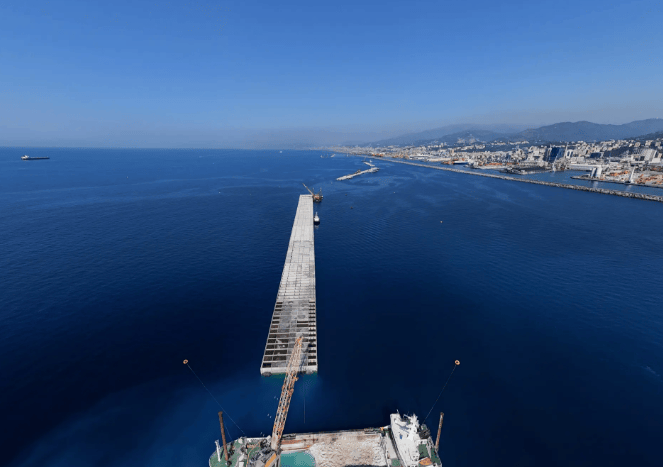
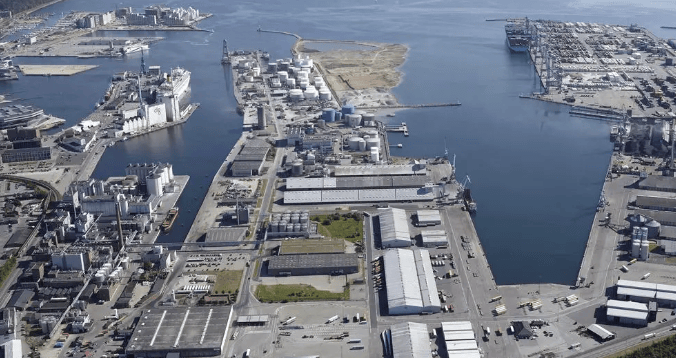
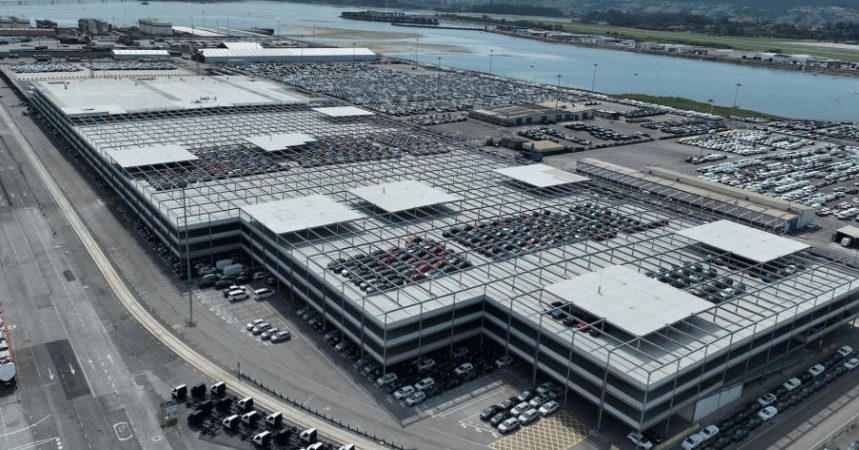
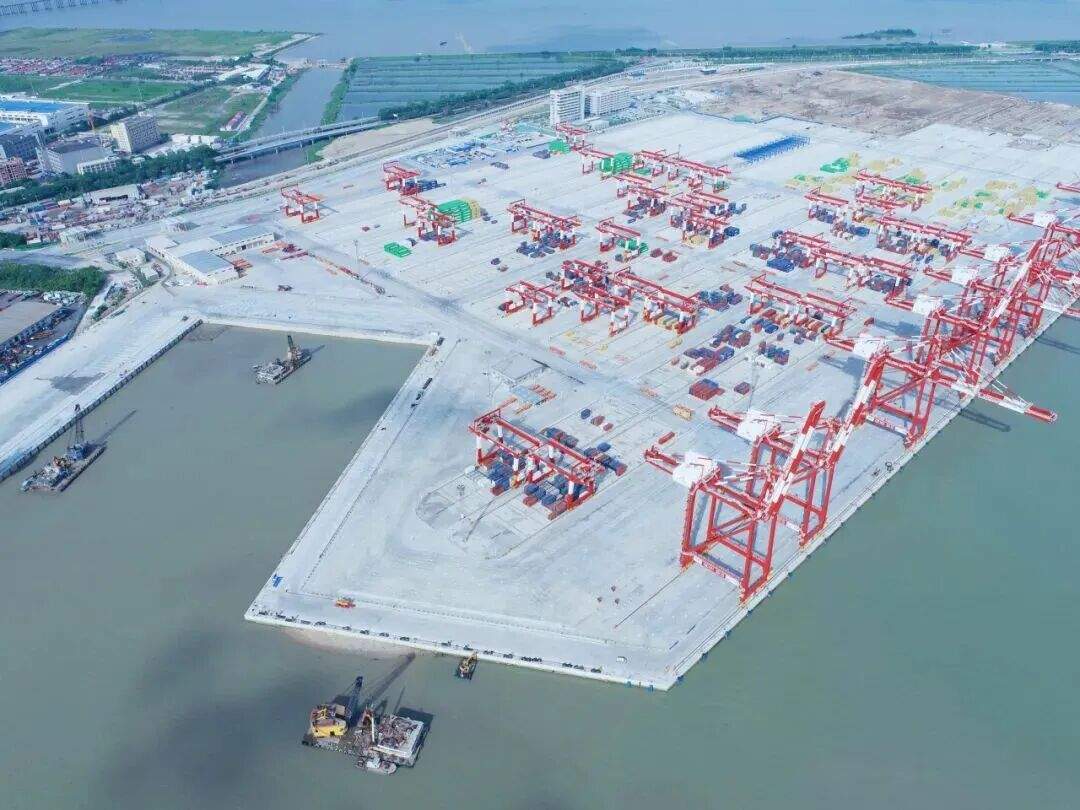
en.Wedoany.com Reported - The Phase IV terminal of the Nansha Port Area at China's Guangzhou Port, the expansion project of the Grain General Terminal, and the Jinyang Terminal have recently passed the acceptance inspection for opening to the outside world. With the opening of these three projects, Guangzhou Port has added 4.7 kilometers of foreign trade shoreline, increasing its foreign trade container throughput capacity to 4.9 million TEUs, foreign trade bulk and general cargo throughput capacity to 12.92 million tons, and foreign trade vehicle throughput capacity to 200,000 units. This further unleashes the foreign trade operational capacity of the Nansha Port Area and enhances the function of Guangzhou Port as an international shipping logistics hub.
The Phase IV terminal of the Nansha Port Area, designed by CCCC-FHDI, constructed by CCCC Fourth Harbor Engineering Co., Ltd., and provided with intelligent equipment and integrated services by ZPMC, along with the expansion project of the Grain General Terminal, also designed by CCCC-FHDI and constructed by CCCC Fourth Harbor Engineering Co., Ltd., together add 3.9 kilometers of foreign trade shoreline to Guangzhou Port. This helps to smoothen foreign trade channels in the Guangdong-Hong Kong-Macao Greater Bay Area, reduce logistics costs, and enhance the transshipment guarantee capacity for grain and materials, injecting momentum into regional supply chain stability and the opening of external gateways.
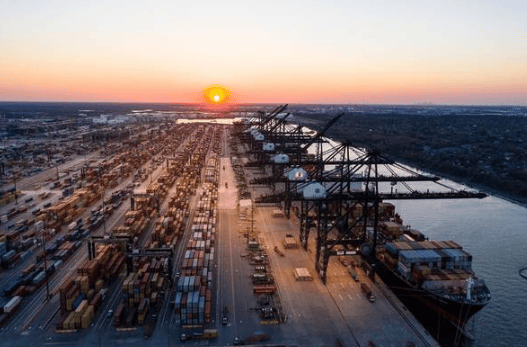
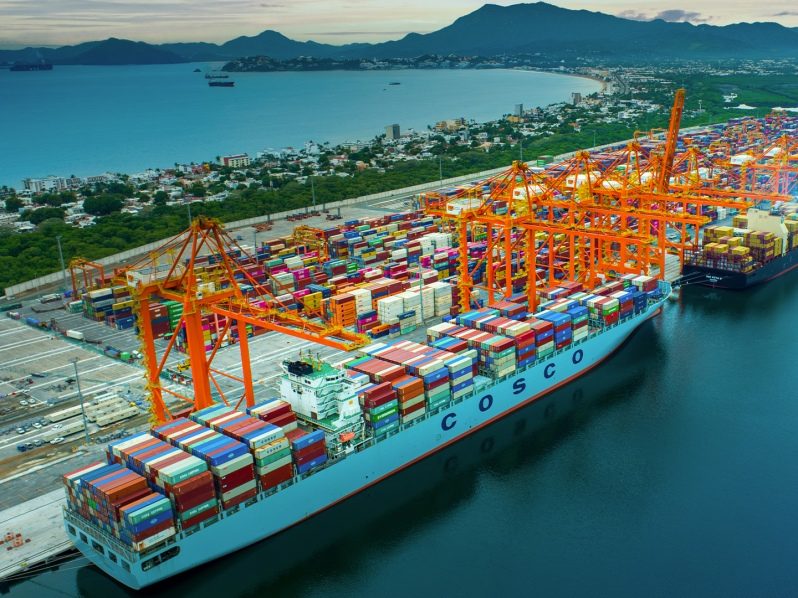
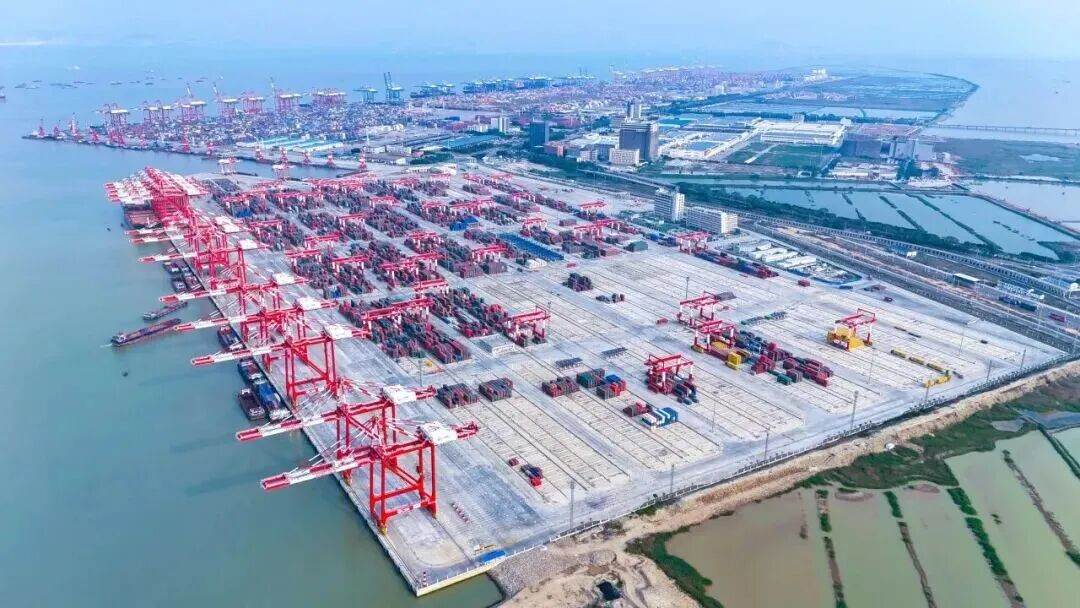
The Phase IV terminal of the Nansha Port Area is the first fully automated container terminal in the Guangdong-Hong Kong-Macao Greater Bay Area. As a key shipping hub project of the Ministry of Transport, the terminal features 4 berths for 100,000 DWT seagoing vessels and 12 berths for 2,000 DWT barges, with a total shoreline length of 2.6 kilometers and a designed annual throughput capacity of 4.9 million TEUs. The terminal is equipped with 20 quay cranes, 56 rail-mounted gantry cranes, and 158 unmanned guided vehicles (IGVs). After its opening, the terminal will enhance the foreign trade container throughput capacity of the port area, optimize the customs clearance environment, strengthen the agglomeration capacity for global high-end factors, and provide support for enterprises in the Pearl River Delta to reduce logistics costs and improve supply chain resilience.
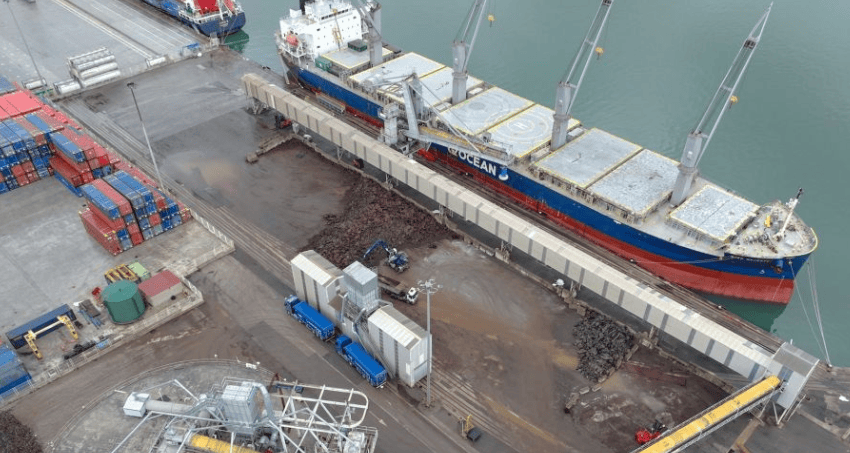
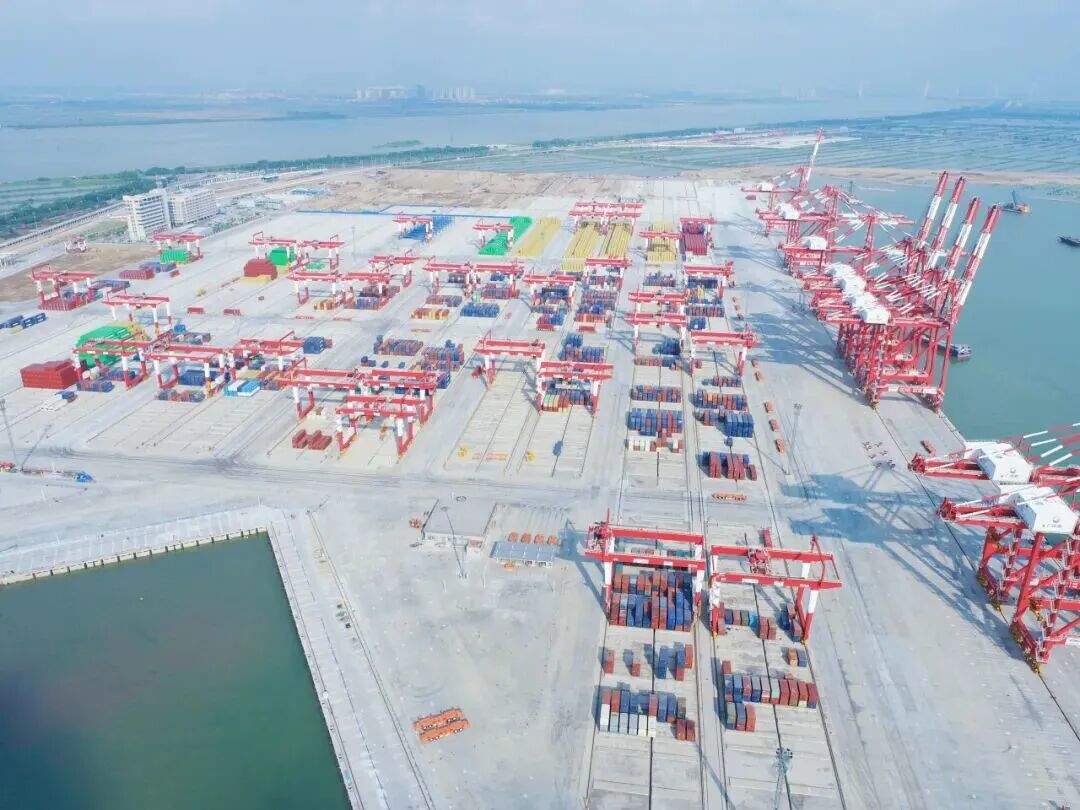
The expansion project of the Grain General Terminal is a key project of Guangdong Province and Guangzhou City. It includes the construction of 2 berths for 100,000 DWT general cargo vessels, 1 berth for 40,000 DWT break-bulk cargo vessels, and 5 berths for 5,000 DWT barges, with a total berth shoreline length of 1.3 kilometers and a total designed annual throughput capacity of 12.92 million tons. Upon completion of the expansion, the terminal's total annual throughput capacity will reach 36 million tons, making it a leading logistics and transshipment base for grain, steel, equipment, and pulp in the Greater Bay Area of China, helping to fortify the defense line for grain security and material transshipment in the region.
These two major projects have different functional orientations but echo each other in construction concepts and technical paths. Facing complex foundation conditions, stringent settlement control standards, and high-precision installation requirements, the project team adopted multiple independent innovation technologies, forming a replicable and scalable smart green port construction model. The core competitiveness of the newly added 3.9 kilometers of foreign trade shoreline relies precisely on these technological empowerments.
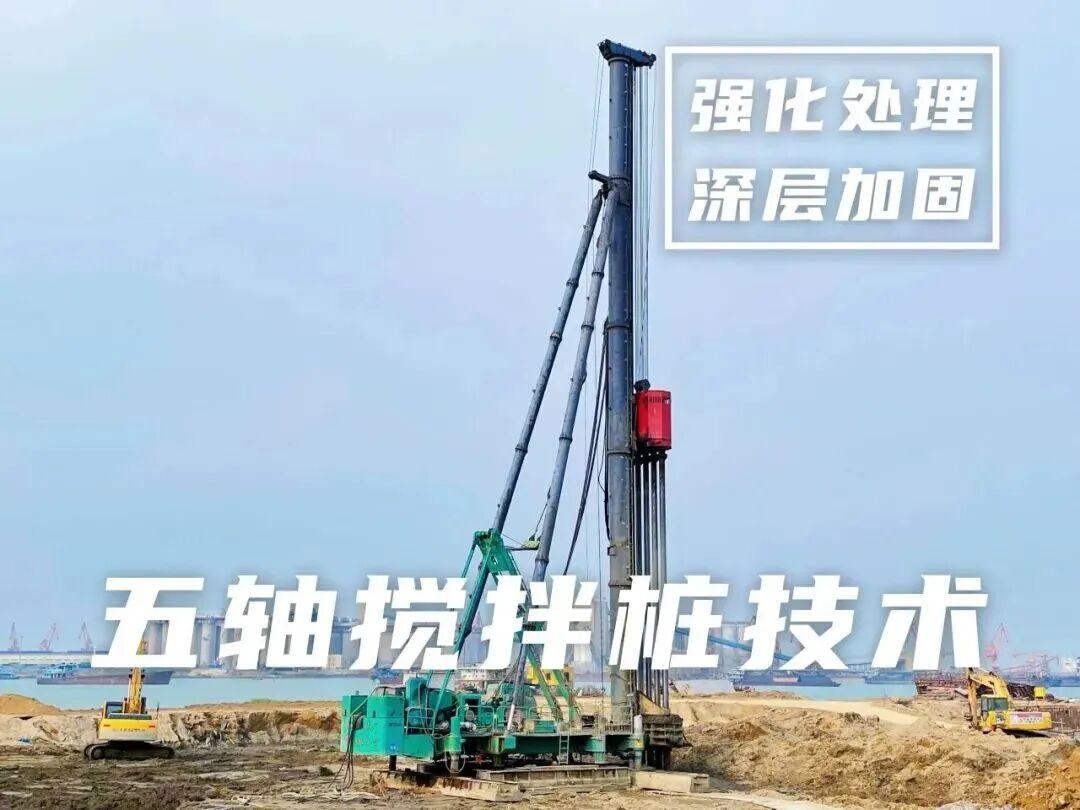
In terms of foundation construction, the project uniformly adopted the depth-measurable drainage board process, adding scale lines to the drainage board filter mold and embedding steel wires of the same length as the drainage board. After construction, the steel wires are pulled out to directly measure the length, making the inspection work simple and efficient, laying a foundation for the stability of subsequent engineering structures. In the secondary foundation reinforcement phase, the project team introduced the five-axis mixing pile technology, increasing construction efficiency by 6 to 7 times and enhancing the strength and stability of the terminal surface foundation.
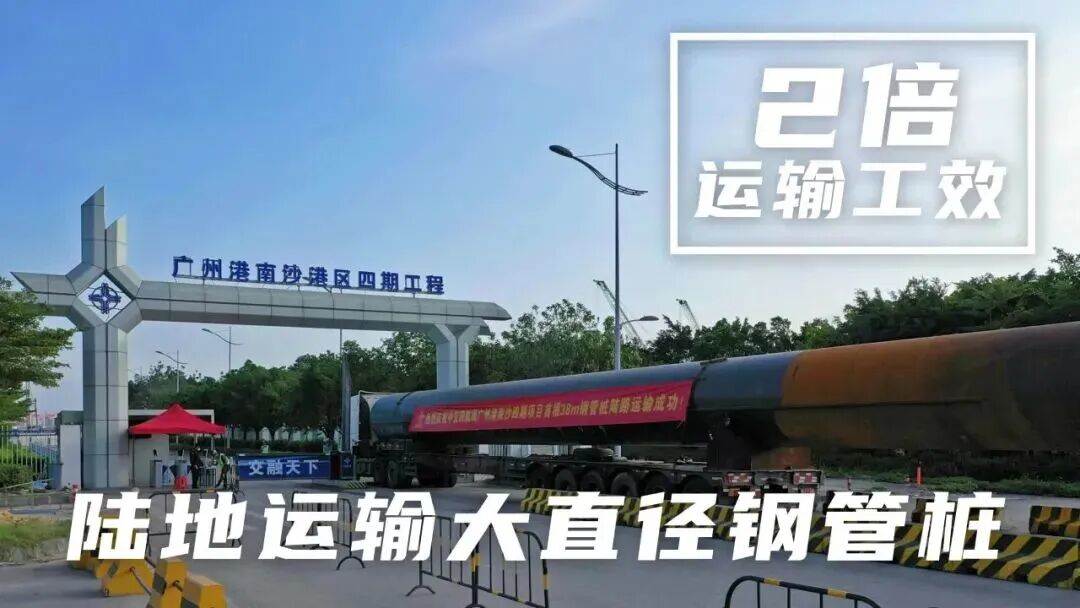
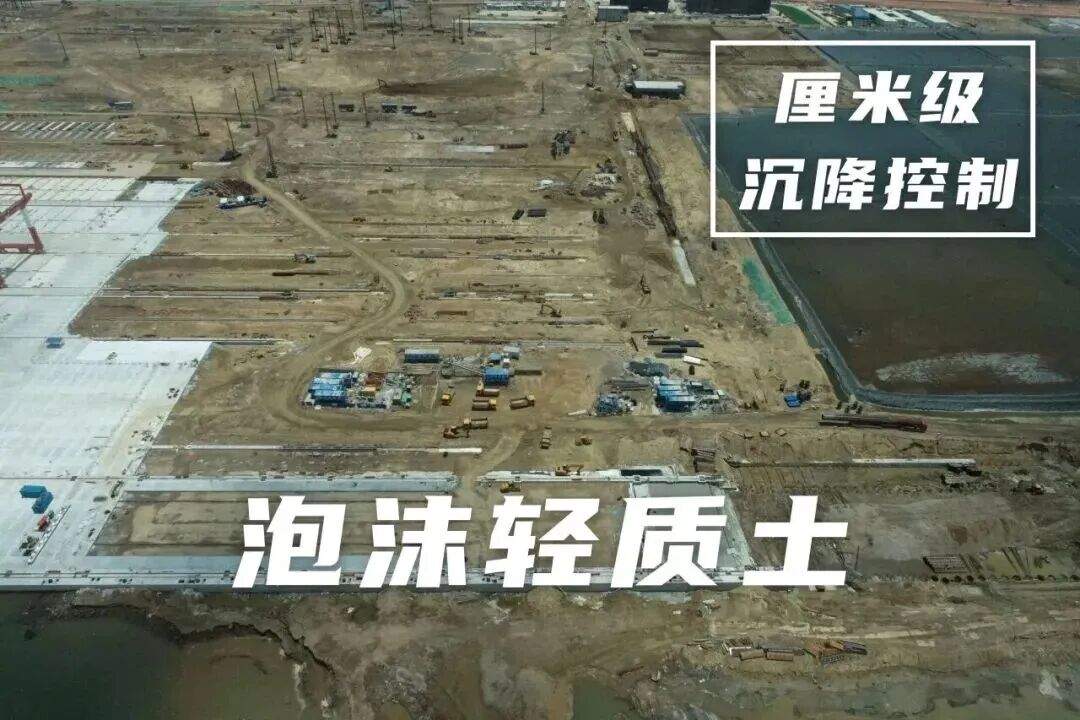
In the structural design and construction phase, the seagoing vessel terminal adopted a large-scale steel pipe sheet pile combined structure, a first in China. Facing ultra-large steel pipe piles with a maximum diameter of 2 meters and a weight of 43.3 tons, the project used land transportation for large-diameter steel pipe piles and sheet piles combined with steel tie rod structures for the first time, saving nearly half of the transportation costs and doubling construction efficiency. The team independently developed a fixed guide frame, equipped with high-precision measuring instruments such as theodolites and total stations, ensuring that the steel pipe piles are driven 100% vertically into the ground, with a precise 1.4-meter spacing reserved between adjacent piles, controlling construction errors within a small range. The project also used foam lightweight soil backfill technology for the first time in Chinese port engineering. After dozens of tests, the optimal mix ratio was formulated to solve the hidden danger of settlement height differences affecting the safe operation of IGV vehicles.
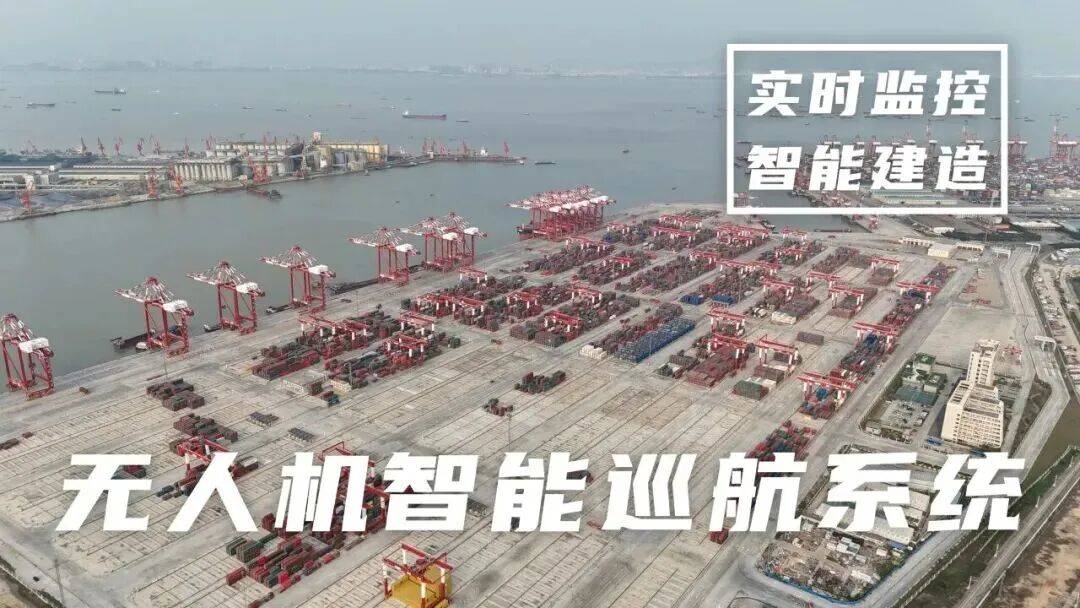
In terms of intelligent construction, the project introduced an unmanned aerial vehicle intelligent cruise system to achieve round-the-clock full coverage monitoring of multiple construction sites; used BIM technology to build a digital intelligent management system to guide the entire process of engineering design and construction; and simultaneously explored and developed a "smart construction site" management platform to enhance the project's intelligent construction level. Intelligent construction technology not only accelerated the project construction progress but also built a data foundation for the subsequent operation and maintenance of the terminal.
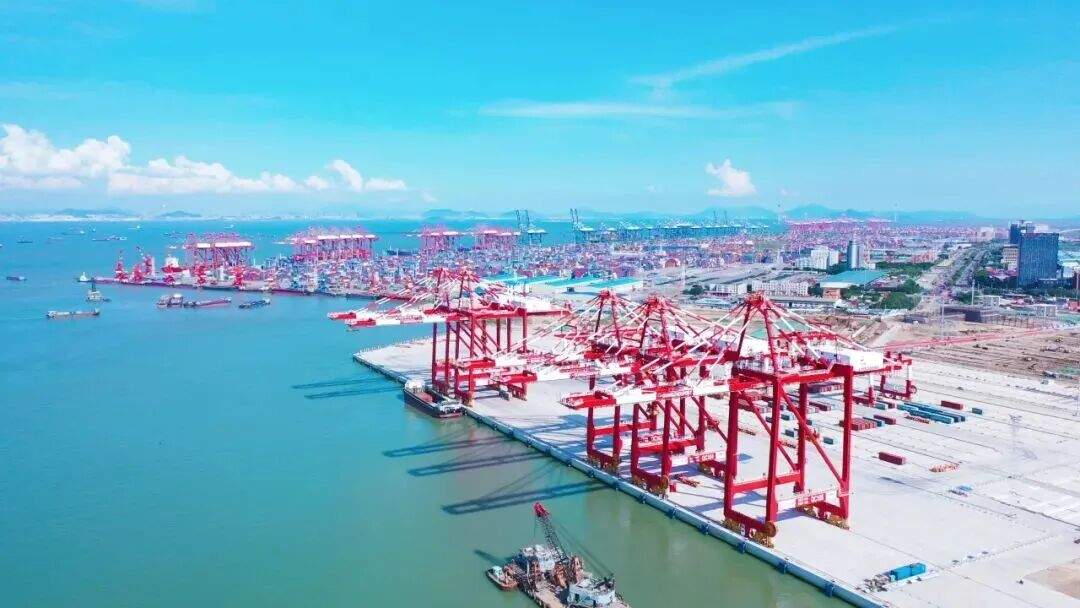
In terms of green construction, the project introduced the sponge city design concept for the first time in domestic port construction. The storage yard adopts a concave design, and the auxiliary area is equipped with ecological facilities such as green roofs and permeable pavements. The overall water storage capacity of the port area exceeds 40,000 cubic meters, allowing for rapid absorption and storage of rainwater.
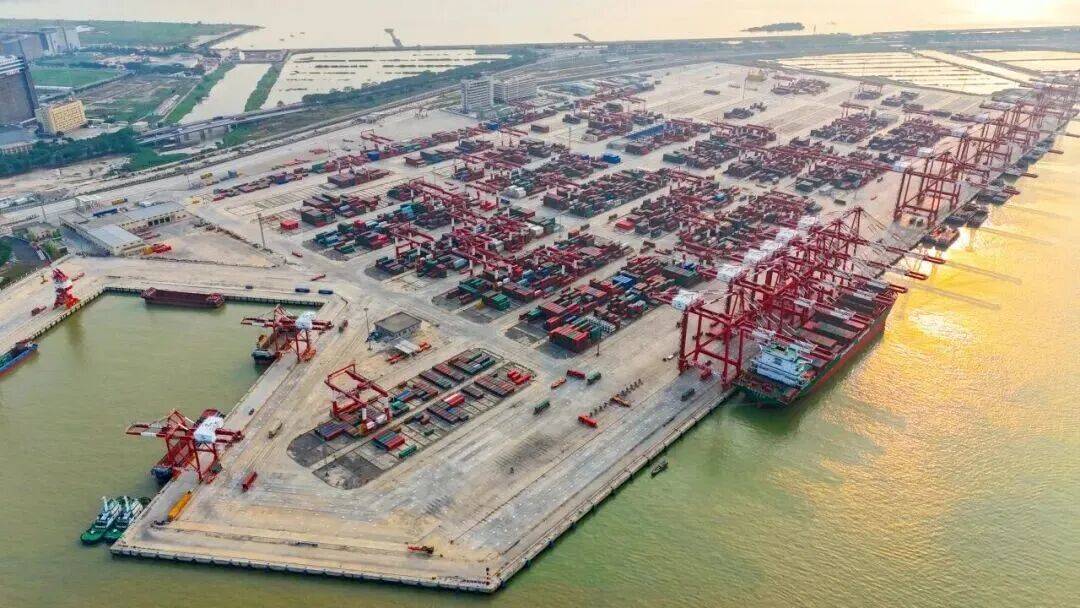
From the busy "unmanned port" of Nansha Phase IV to the efficient Grain General Terminal, the newly added 3.9 kilometers of foreign trade shoreline transforms technological advantages into openness advantages, providing impetus for Nansha to build a high-level gateway for opening up to the outside world and contributing practical experience to the construction of a world-class port cluster.
Related Products

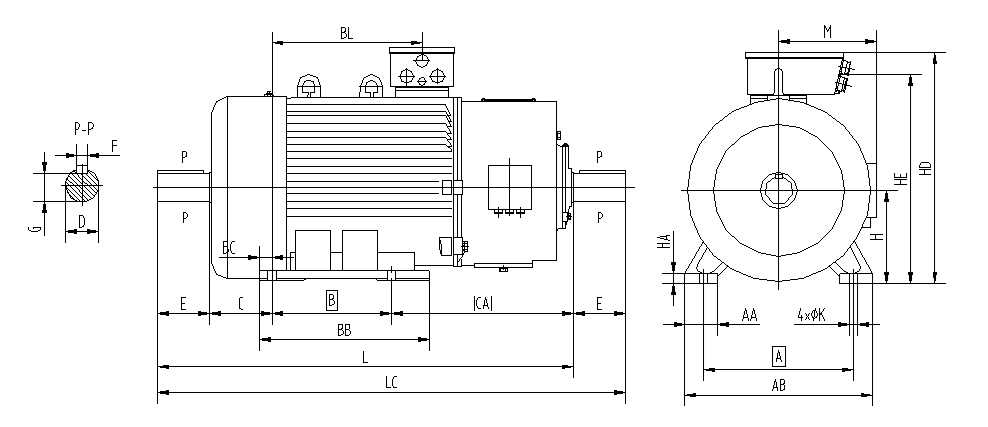
YZR (450-560) Series Wound Rotor Three-Phase Asynchronous Motors for Crane and Metallurgical Applications
Jiamusi Electric Machine Co., Ltd.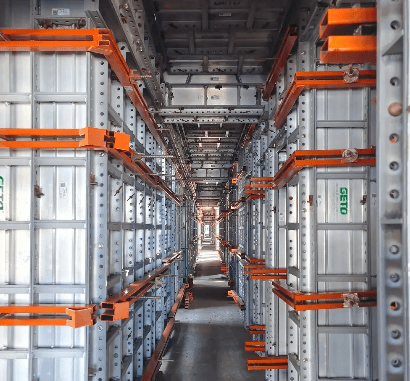
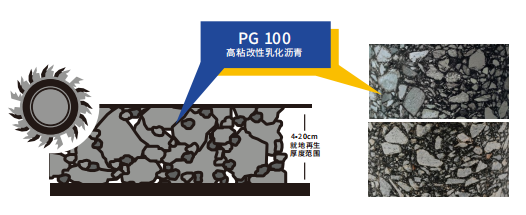
High-toughness in-Situ Cold Recycling Technology for Original Structural Layers
Central Fortune Creation Technology Group Co., Ltd.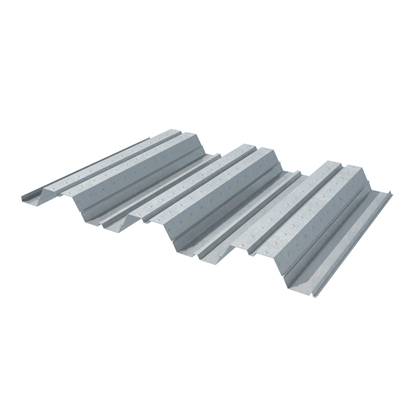
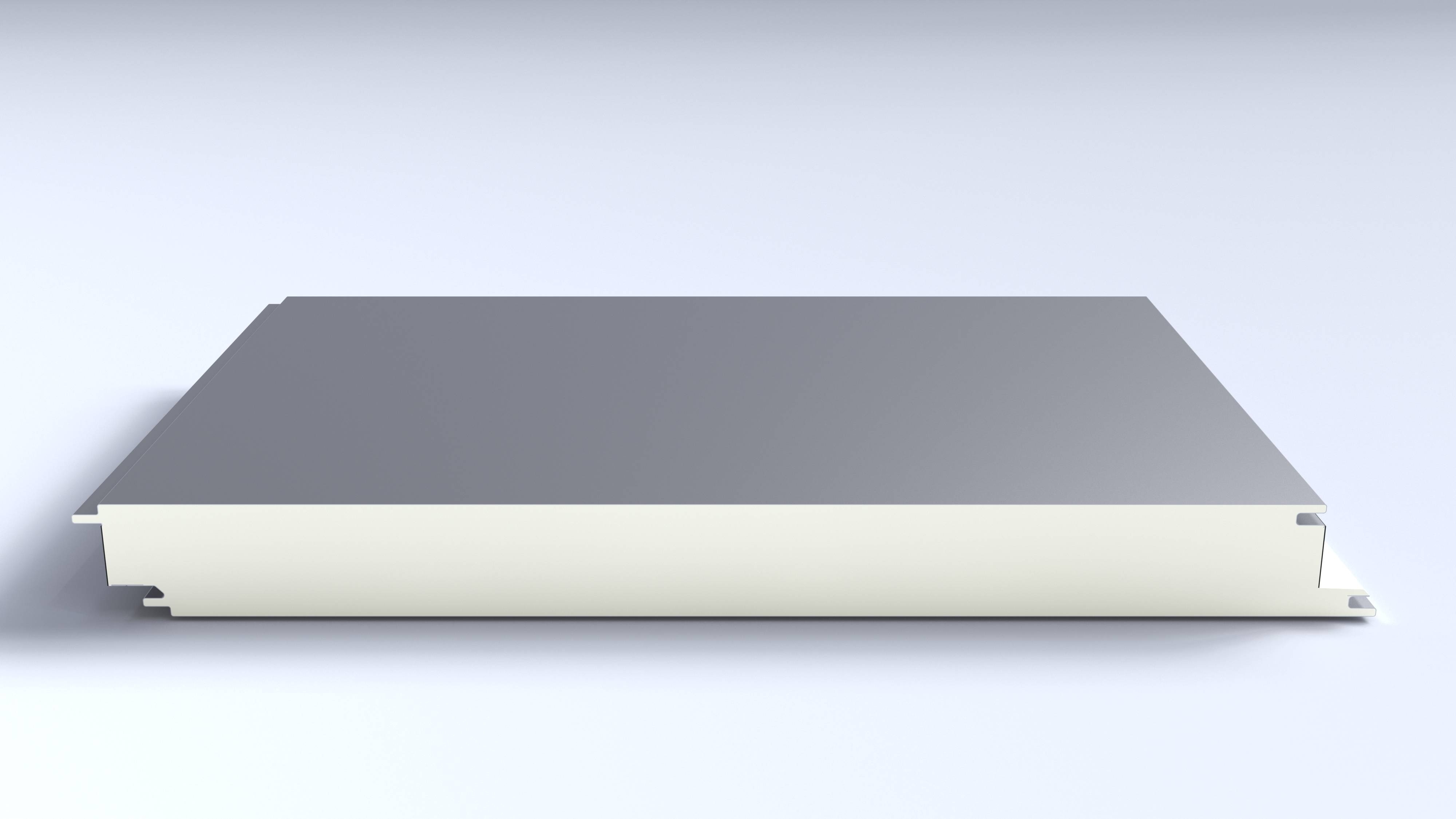
Pure Polyurethane Wall Panel BD-AEF-PIR-01
Baodu International Engineering Technology Co., Ltd.
West China Xiamen Hospital of Sichuan University
Wuhan Huakang Century Clean Technology Co., Ltd.
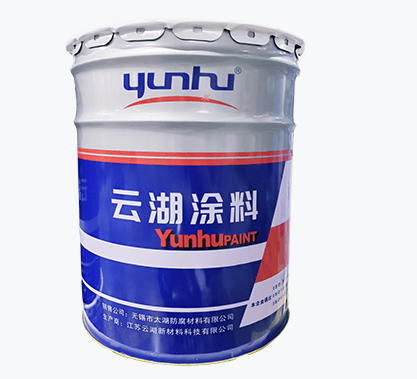
YHTank8400N Solvent-Free Liquid Epoxy Coating
JIANGSU YUNHU NEW MATERIAL TECHNOLOGY CO., LTD.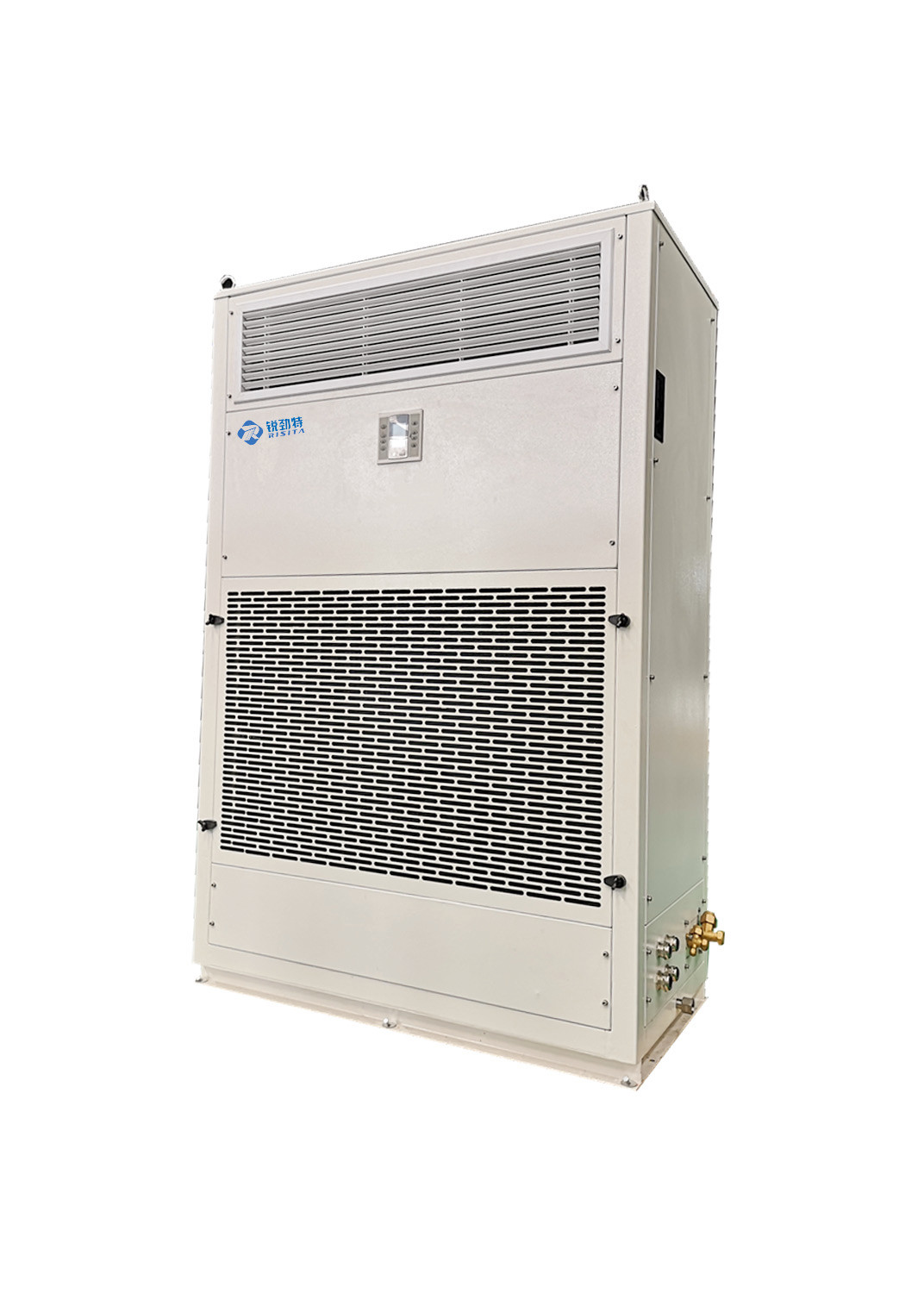
RISITA explosion-proof air conditioning
Guangdong RISITA Air Conditioning Equipment Co.,Ltd.