Key Components of CFM Open Fan Pass Preliminary Design Review
en.Wedoany.com Reported - CFM International has begun manufacturing parts for the first open fan ground demonstration engine, following the completion of preliminary design reviews for key components including the core engine, fan blades, and outlet guide vanes.
On the eve of the Farnborough Airshow, the joint venture between GE Aerospace and Safran updated progress on its next-generation engine program, stating that over 500 tests have been completed since the launch of the Revolutionary Innovation for Sustainable Engines (RISE) technology program in 2021.
Pierre Cottenceau, Vice President of Engineering, R&T and Technology at Safran Aircraft Engines, said the preliminary design review is a very important milestone in this field, meaning that parts can now be manufactured for assembly into the open fan ground demonstrator.
CFM said it has also completed 400 hours of wind tunnel testing and over 5,000 durability and dust ingestion tests using representative RISE high-pressure turbine blades in Leap-1B and F110 donor engines.
Mechanical and material testing of the open fan outlet guide vanes is underway, including impact, ingestion, fatigue, durability, load, icing, and vibration response tests. CFM stated that preliminary results from testing activities, including wind tunnel facilities, indicate that aeroacoustic performance has exceeded technology maturity targets.
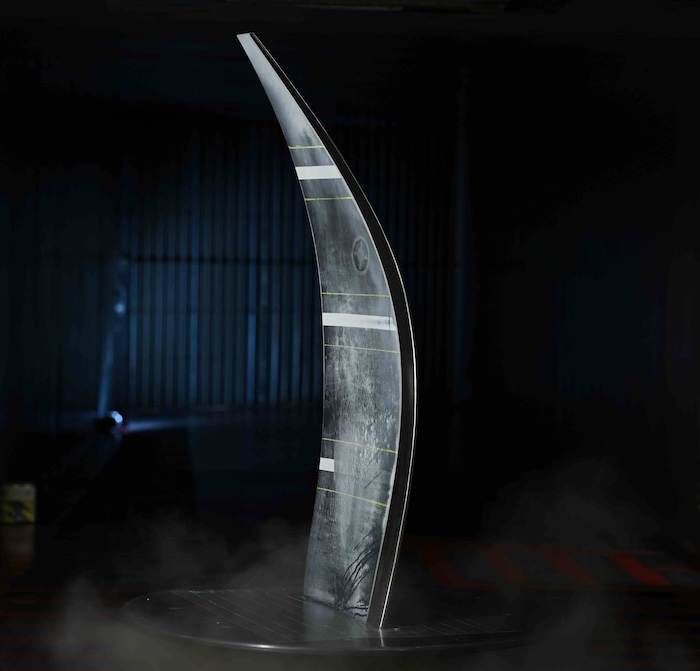
The first high-speed low-pressure turbine recently completed over 1,000 hours of testing, with results validating the low-pressure turbine aerodynamic design and its aerothermal performance.
Dust ingestion testing continues before the start of ground test engine assembly. Arjan Hegeman, Vice President of Future Flight Engineering at GE Aerospace, said the open fan architecture includes adaptive cycle features for dust particle extraction, which will provide inherent durability advantages over next-generation conventional engine designs, with the open fan ingesting 50% less dust than a ducted configuration.
Hybrid electric ground testing is also underway to support the RISE program. At Safran's facility in Istres, France, under the Phileas ground test project funded by the French DGAC, a Silvercrest engine modified with two electric motors is being evaluated. The two motors, installed on the high-pressure and low-pressure shafts respectively, can operate as either motors or generators. The tests aim to evaluate power extraction and injection from the high-pressure and low-pressure shafts during different phases of flight.
The test plan includes power management scenarios, such as balancing power extraction between the high-pressure and low-pressure shafts, transferring power from one shaft to the other, and managing power exchange between the engine and the aircraft.
On the GE side, a megawatt-class hybrid electric engine system is being tested on a modified Saab 340B testbed. The company previously completed ground testing of the propulsion system at its facility in Peebles, Ohio. Developed under NASA's Electric Propulsion Flight Demonstration project, the propulsion system is based on a GE CT7 turboprop engine, equipped with a GE-developed motor/generator, power converter, inverter, and controller. The engine also features a Dowty propeller, Avio Aero gearbox, and BAE Systems batteries, with the engine nacelle provided by Boeing subsidiary Aurora Flight Sciences.
Related Products


Industrial and Commercial Point-Type Gas Detector
Jinan Benan Technology Development Co., Ltd.





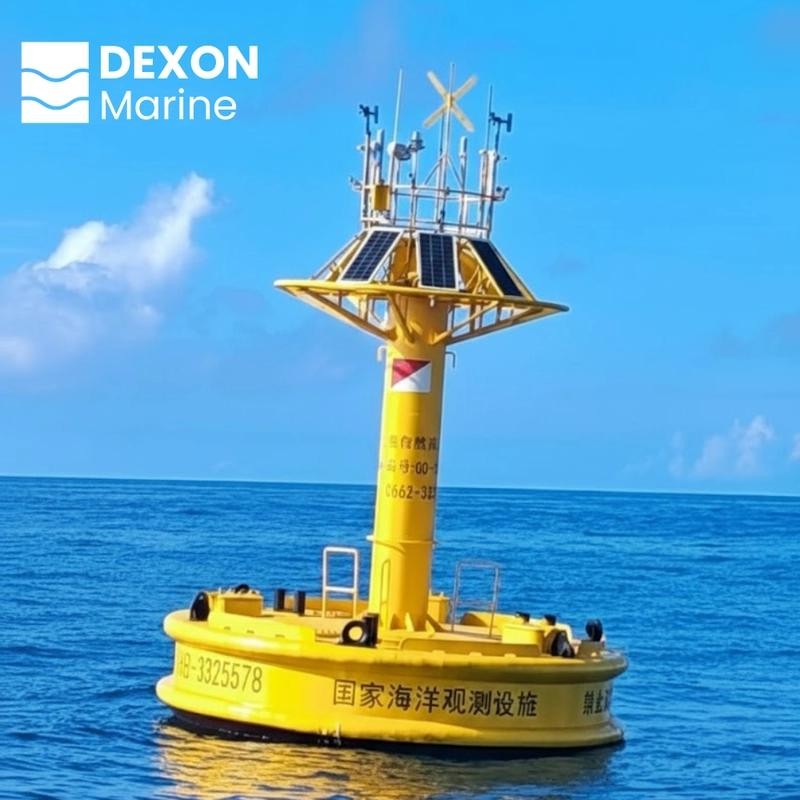
3m intelligent buoy combining navigation safety and real-time marine monitoring integrated navigation and marine monitoring system for real-time maritime data
Chengdu Dixin Technology Co., Ltd.
CLW5180TXSD6 Dongfeng Tianjin Washing and Sweeping Truck
ChengLi Special Automobile Co., Ltd.