US Rocket Lab Wins NASA Contract for Three Science Missions in 2027
en.Wedoany.com Reported - Rocket Lab has been selected by NASA to provide three dedicated Electron launches for two independent science missions—PolSIR and TSIS-2—starting in the first quarter of 2027. Rocket Lab will leverage its experience from over 90 launches, the proven deployment precision of the Electron rocket, and its ability to meet the tight turnaround schedules of both missions.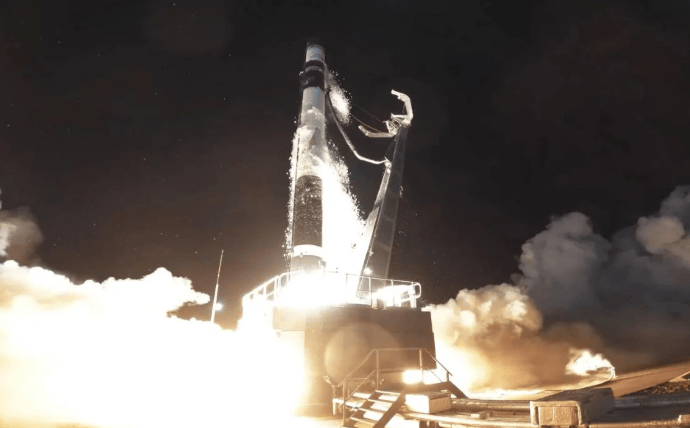
Under the contract, two identical CubeSats for the PolSIR (Polarized Submillimeter Ice-cloud Radiometer) mission will be launched back-to-back from Launch Complex 1 in New Zealand no earlier than June 2027. These satellites will be deployed into separate, non-sun-synchronous orbits at a 52-degree inclination to study the formation, diurnal variation, and ice content of high-altitude ice clouds in tropical and subtropical regions. The collected data will be fed into Earth system models to improve global weather forecasts. Rocket Lab stated that the Electron rocket's record in precise orbit deployment—capable of placing satellites within meters of the target, compared to the industry standard of kilometers—was key to meeting NASA's unique requirements for this mission.
The TSIS-2 (Total and Spectral Solar Irradiance Sensor-2) mission will launch a single satellite via Electron from the same launch site in early 2027 for solar-terrestrial energy science research. This mission will measure solar brightness at the top of Earth's atmosphere and its energy distribution across ultraviolet, visible, and infrared wavelengths, with data helping to predict Earth's ozone layer recovery or provide air quality forecasts. NASA has allocated only seven months from contract signing to launch to meet the mission's time-sensitive requirements.
Sir Peter Beck, founder and CEO of Rocket Lab, stated that the Electron rocket has become synonymous with reliability, precise orbital accuracy, and on-demand launch capability, having served NASA missions for nearly a decade, and expressed pride in once again supporting PolSIR and TSIS-2.
In addition to the above two missions, upcoming NASA launches by Rocket Lab include the Aspera astrophysics mission (studying galaxy formation and evolution) and the LOXSAT mission, planned for later this year using its own Photon spacecraft, which will demonstrate in-space refueling technology, potentially playing a role in future lunar missions and human exploration of Mars.
Related Products


Pantograph-Catenary Comprehensive Detection Device (1C)
CHENGDU TANGYUAN ELECTRIC CO., LTD.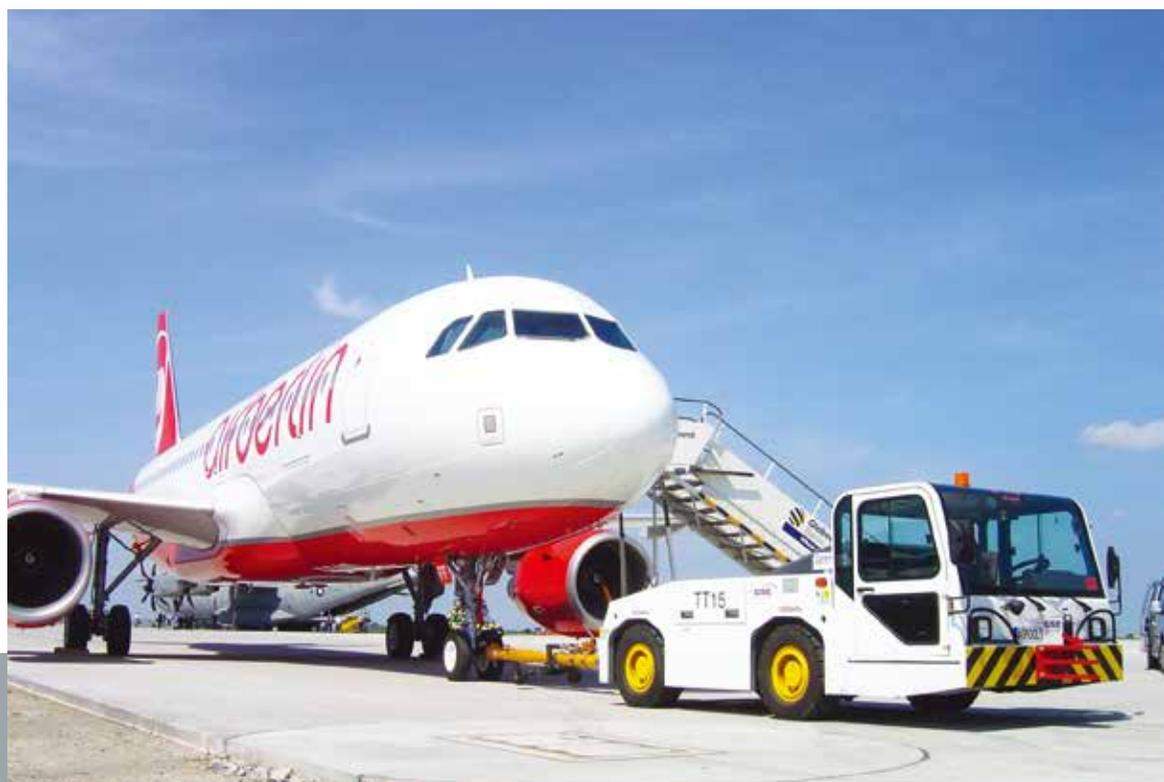
WGQY Series Aircraft Tow Tractor-WGQY15, WGQY27
Weihai Guangtai Airport Equipment Co., Ltd.
ERW Welded Pipe (Black Pipe and Hot-dip Galvanized Steel Pipe)
Handan Zhengda Steel Pipe Co., Ltd.