ESA's Plato Passes Electromagnetic Compatibility Tests, Launch Set for 2027
en.Wedoany.com Reported - The European Space Agency's Plato spacecraft has passed its final major qualification test before launch, completing electromagnetic compatibility testing in the Maxwell chamber at ESA's technical center in the Netherlands. This result allows the exoplanet-hunting mission to proceed as planned for launch aboard an Ariane 6 rocket in 2027.
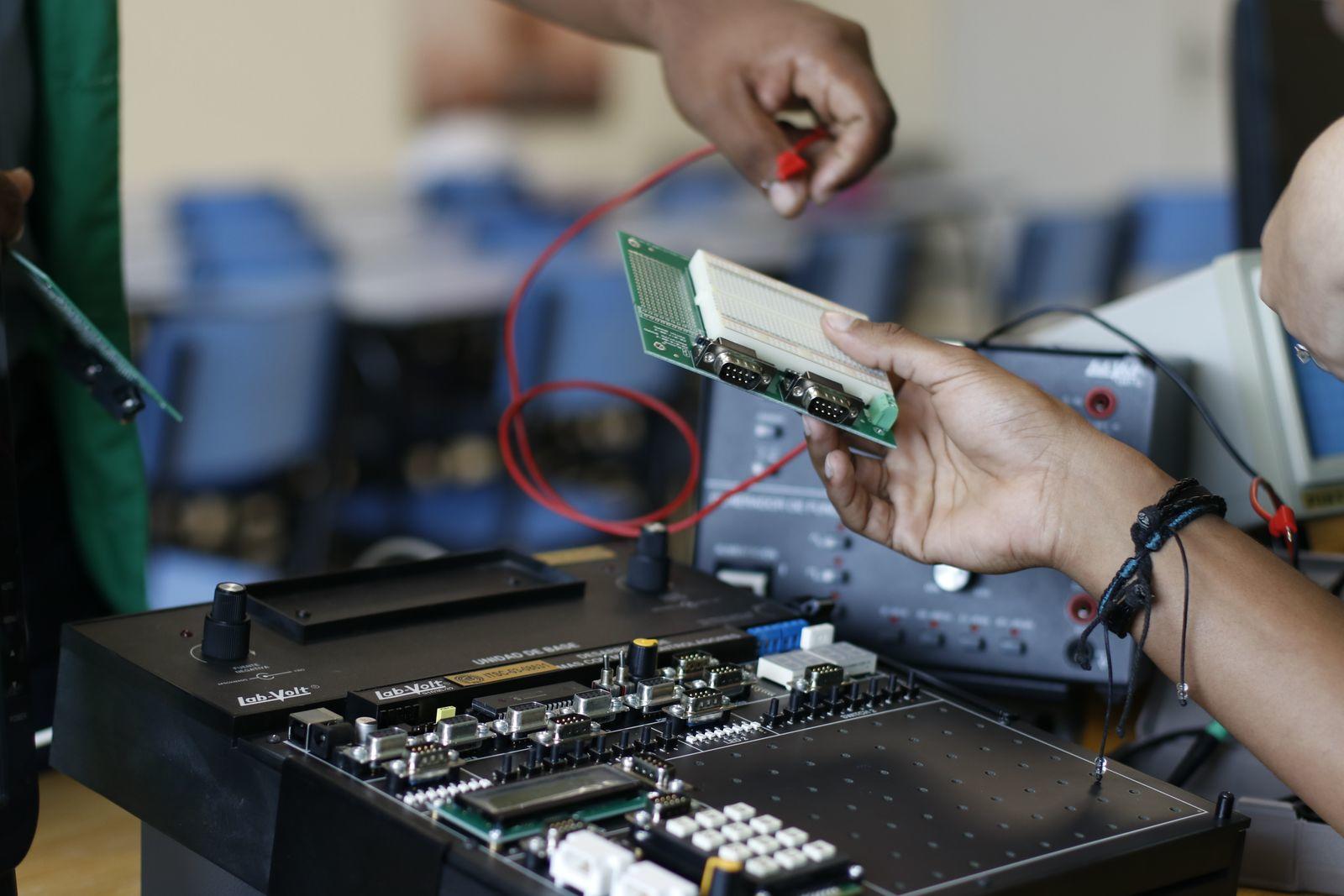
In 2026, during testing at ESA's technical center in the Netherlands, engineers sealed Plato inside the Maxwell chamber while simultaneously operating all 26 of its cameras and subsystems to verify the spacecraft could function properly amid interference from its own electronics. The Maxwell chamber is a 9-meter-tall Faraday cage lined with foam spikes that absorb stray radio signals, recreating the electromagnetic silence of deep space. Inside this anechoic chamber, engineers ran Plato's electronics in parallel to confirm that subsystems would not interfere with each other—no crosstalk, no unintended pickup from onboard transmitters, and no spurious noise that could contaminate detection of faint signals. Electromagnetic compatibility is an engineering discipline that rarely receives public attention until problems arise, but for Plato, failure was not an option for science.
Plato's mission is to find rocky Earth-like planets around Sun-like stars by observing the tiny dips in brightness caused by planetary transits. ESA project scientist Ana Heras stated that the mission must resolve stellar brightness changes smaller than 80 parts per million. At this photometric precision, noise from the spacecraft's own electronics could drown out the signal. Twenty-six cameras stare at the same patch of sky simultaneously, each requiring temperature control of its optical tube to within fractions of a degree to maintain focus. The spacecraft's switching power supplies, reaction wheel motors, and data buses are all potential sources of interference. The goal of the Maxwell chamber test was to confirm that when all equipment—cameras, computers, transmitters, heaters—operates simultaneously, the electronic environment remains clean enough for scientific data to be usable.
The electromagnetic test was Plato's final major environmental qualification. This campaign began earlier this year with vibration and acoustic tests simulating the violent shaking and roar of an Ariane 6 launch. The spacecraft was then moved to the Large Space Simulator at the European Space Research and Technology Centre (ESTEC) for a month-long thermal vacuum test. Inside the simulator, pumps evacuated the chamber to about one-billionth of an atmosphere, while liquid nitrogen cooled the chamber walls to space temperature. Heating elements simulated solar illumination on Plato's solar panels and sunshield. Engineers pushed the spacecraft to hot cases, where the solar panel side was heated to 150°C and the shaded side cameras were kept between –70 and –90°C, as well as cold cases, where onboard heaters prevented the cameras from freezing below their operating range. Project manager Thomas Walloschek said engineers deliberately pushed conditions beyond what the spacecraft would encounter in orbit, aiming to verify performance under both nominal and off-nominal thermal states.
The mission is named Plato, reflecting its dual goals: to find planets and to analyze the stars they orbit through asteroseismology. These measurements combined provide information often missing from exoplanet catalogs, including reliable ages and radii of host stars and their orbiting planets. NASA's Kepler mission has confirmed that small rocky planets are common. The Transiting Exoplanet Survey Satellite is finding them around nearby bright stars. Plato is designed to fill a specific gap: Earth-sized worlds in the habitable zones of Sun-like stars, characterized well enough for follow-up spectroscopic analysis using ground-based extremely large telescopes and space missions like the James Webb Space Telescope. Most confirmed exoplanets orbit close to their stars; finding true Earth analogs—roughly Earth-sized, with roughly one-year orbital periods, orbiting G-type stars—requires staring at the same patch of sky for years. Plato was built for this, operating from the second Sun-Earth Lagrange point.
Plato's launch is also significant for its carrier rocket, Ariane 6. Ariane 6 is Europe's response to changes in the commercial launch market, and each timely delivery of a high-profile institutional payload strengthens the argument that Europe still has sovereign heavy-lift capability. The 2027 launch date represents a slight delay from earlier plans, but for a mission of this complexity, a two-month adjustment is not unusual, reflecting that qualification campaigns rarely go exactly as planned.
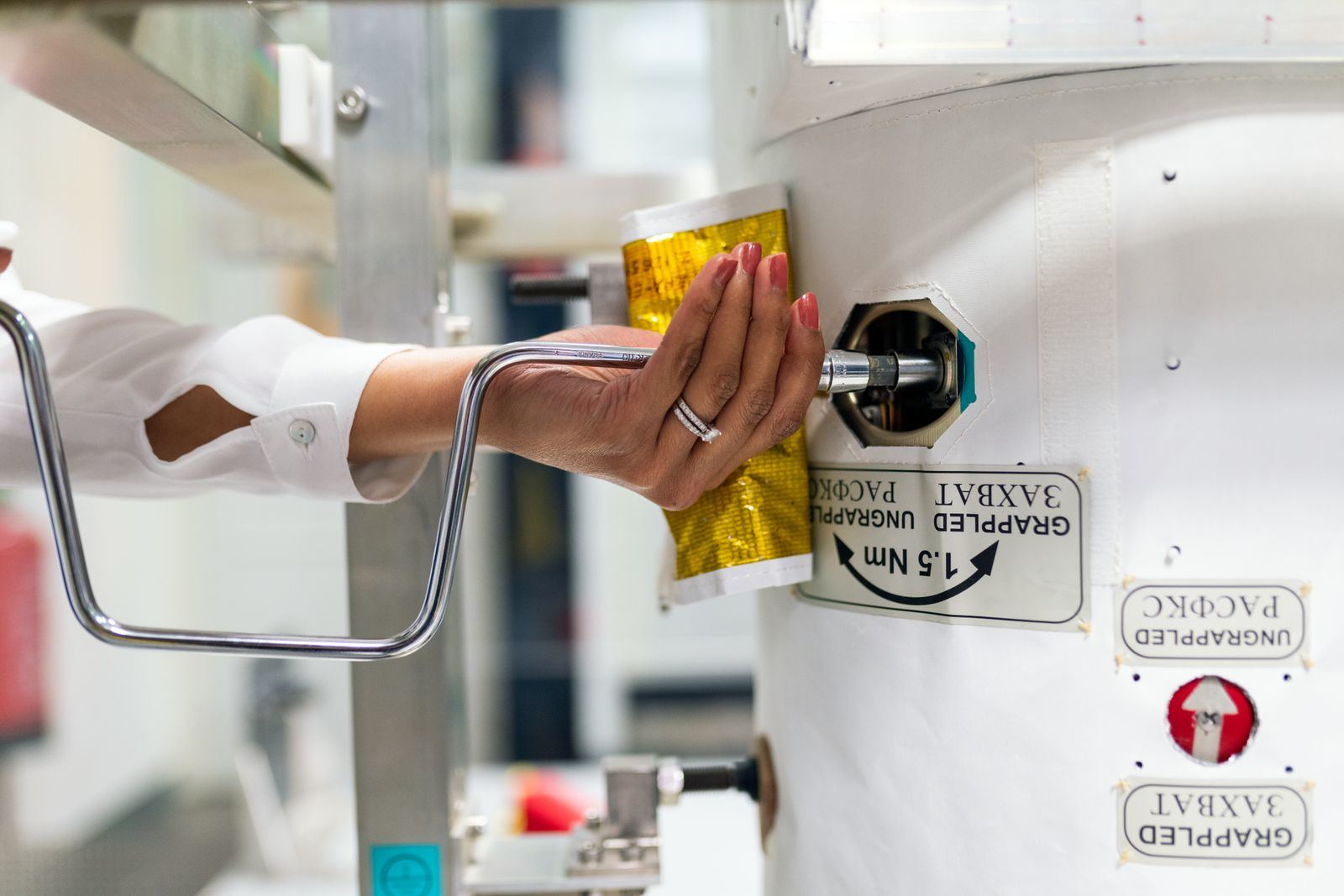
Space missions are often described by their scientific achievements, but the work that truly gets them into orbit is months of testing in chambers. These tests include vibration tables that reproduce launch loads, acoustic horns that blast the spacecraft with the sound pressure of a rocket ignition, and thermal vacuum operations. Electromagnetic compatibility testing comes at the end of this sequence, to verify that all the equipment engineers have spent years building and integrating truly works together as a single machine. A spacecraft that passes vibration and thermal tests but fails electromagnetic compatibility must be disassembled, rewired, and retested. Plato passing on schedule indicates that the integration work was very clean. The mission's ground segment will now shift to launch preparation, transportation logistics, and analysis of data collected during environmental testing. Thermal models built from Large Space Simulator data will be used to predict camera behavior in flight, enabling operators to distinguish real astrophysical signals from thermally induced noise.
Plato joins a steadily growing European exoplanet program. The Characterising Exoplanet Satellite, launched in 2019, characterizes known planets by precisely measuring their radii. The Atmospheric Remote-sensing Infrared Exoplanet Large-survey, planned for launch later this decade, will study exoplanet atmospheres. Plato takes on the discovery role; if it works as designed, it will produce a catalog of small planets around Sun-like stars for next-generation instruments to study in detail. The key lies in statistics rather than any single detection—these numbers determine how astronomers design the next round of missions, including proposed direct-imaging observatories. None of this would happen without the catalog Plato is planned to generate. The Maxwell chamber test shows the electronics are ready, and the Ariane 6 launch slot confirms the rocket is booked.
Related Products



"Shunyi 1600" Deep-submerging Bottom-sitting Multi-functional Wind Power Engineering Vessel
Zhengli Offshore Engineering Co., Ltd.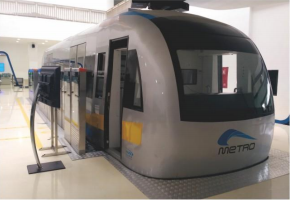
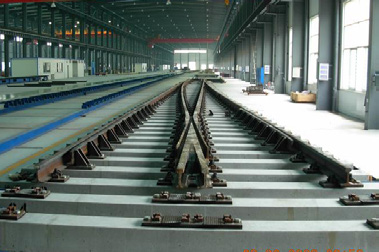
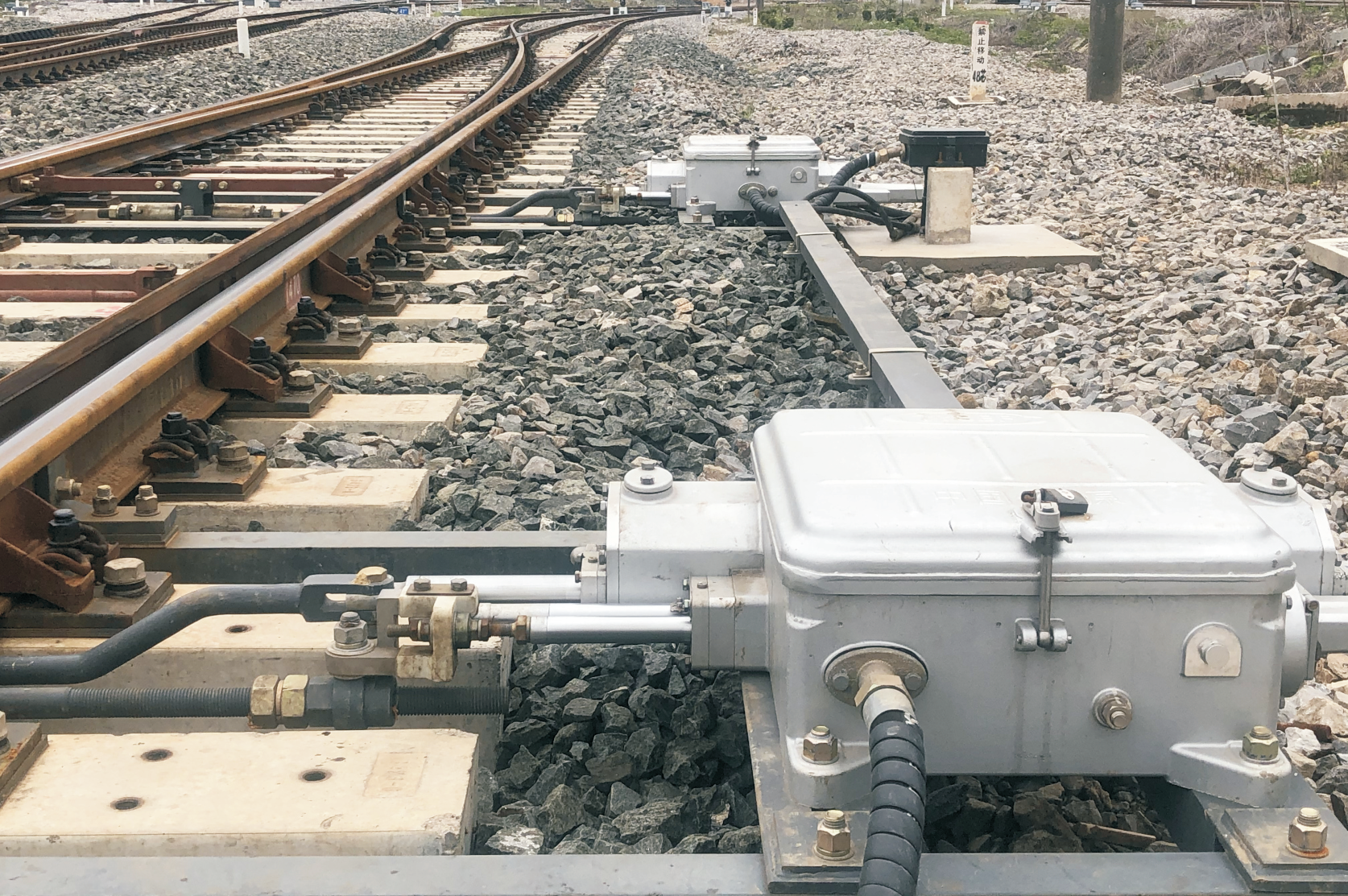
ZY(J)7(M) Sealed Type Electro-Hydraulic Turnout Machine
TAIYUAN CR JINGFENG EQUIPMENT TECHNOLOGY CO., LTD.
China - Alashankou/Khorgos - Europe Full Range Transportation (Mala/Hamburg/Duisburg/Budapest, etc.)
Shenzhen Neptune Logistics Co., Ltd.

Pantograph-Catenary Comprehensive Detection Device (1C)
CHENGDU TANGYUAN ELECTRIC CO., LTD.
XC-6000e Type Aviation Catering Truck (Fuel Type)
Shenzhen CIMC-TianDa Airport Support Ltd.