High-Power Charging Is Moving Competition Toward Power, Cooling and Grid Coordination
en.Wedoany.com Reported - User demand for faster energy replenishment is pushing Charging and Battery Swapping Equipment toward high-power fast charging and ultra-fast charging. For passenger car users, shorter charging time reduces range anxiety. For logistics vehicles, buses, taxis and heavy-duty trucks, charging time directly affects vehicle utilization, route efficiency and operating revenue.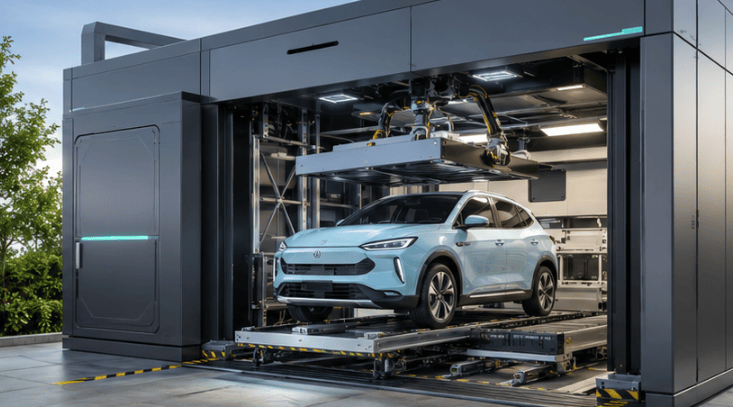
The core of high-power fast charging is not simply increasing charger rating. As single-connector power rises, equipment must solve issues related to power module efficiency, liquid-cooled charging connectors, cable weight, connector reliability, thermal management, electrical safety, insulation monitoring and communication protocols.
If heat dissipation is weak or power allocation is poorly designed, charging speed, user experience and equipment life can all be affected. This makes thermal design and power electronics reliability central to high-power charging systems.
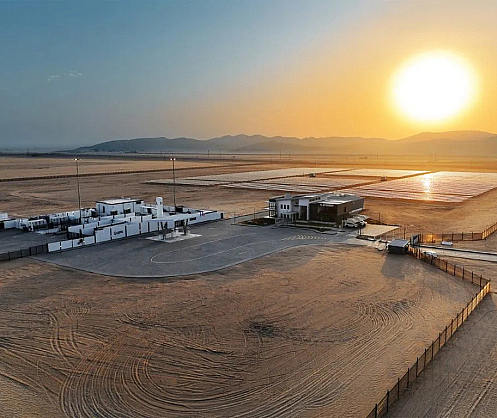
Grid connection is another major constraint. A station with multiple high-power chargers may create peak load comparable to a commercial building or small industrial site. If the project relies only on grid expansion, construction time and investment cost may increase. For this reason, more stations are considering solar-storage-charging or storage-assisted charging solutions. Battery storage can reduce instantaneous grid impact by charging during lower-load periods and discharging when many vehicles charge at the same time.
Flexible power allocation is also becoming important. Vehicles differ in battery capacity, charging rate, state of charge and parking time. If each charging terminal has fixed power, some modules may remain underused while users wait. With centralized power pools, dynamic allocation and intelligent dispatch, a station can distribute power according to real vehicle demand and improve equipment utilization.
In the future, competition in high-power charging will move from maximum rated power to overall operating efficiency. Operators will care about stability, maintenance convenience, vehicle compatibility, remote diagnostics and coordination with storage and energy management systems. For charging equipment suppliers, competitiveness will come from integrating power electronics, thermal management, grid access and operation platforms into one reliable system.
Related Products

NISELA Series Environmentally Friendly Gas-Insulated Ring Main Unit
XJ DELISHIER ELECTRIC CO., LTD.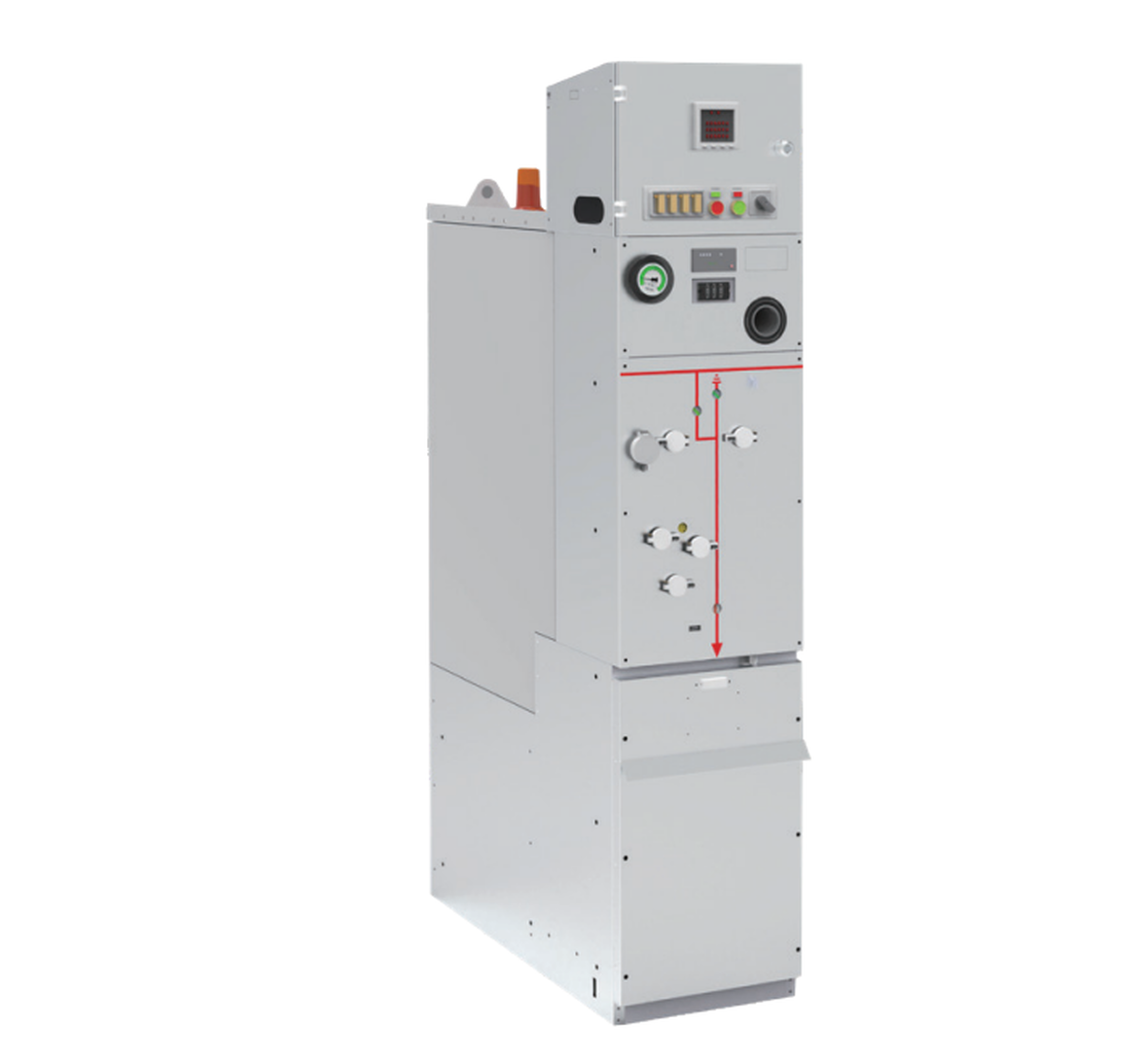

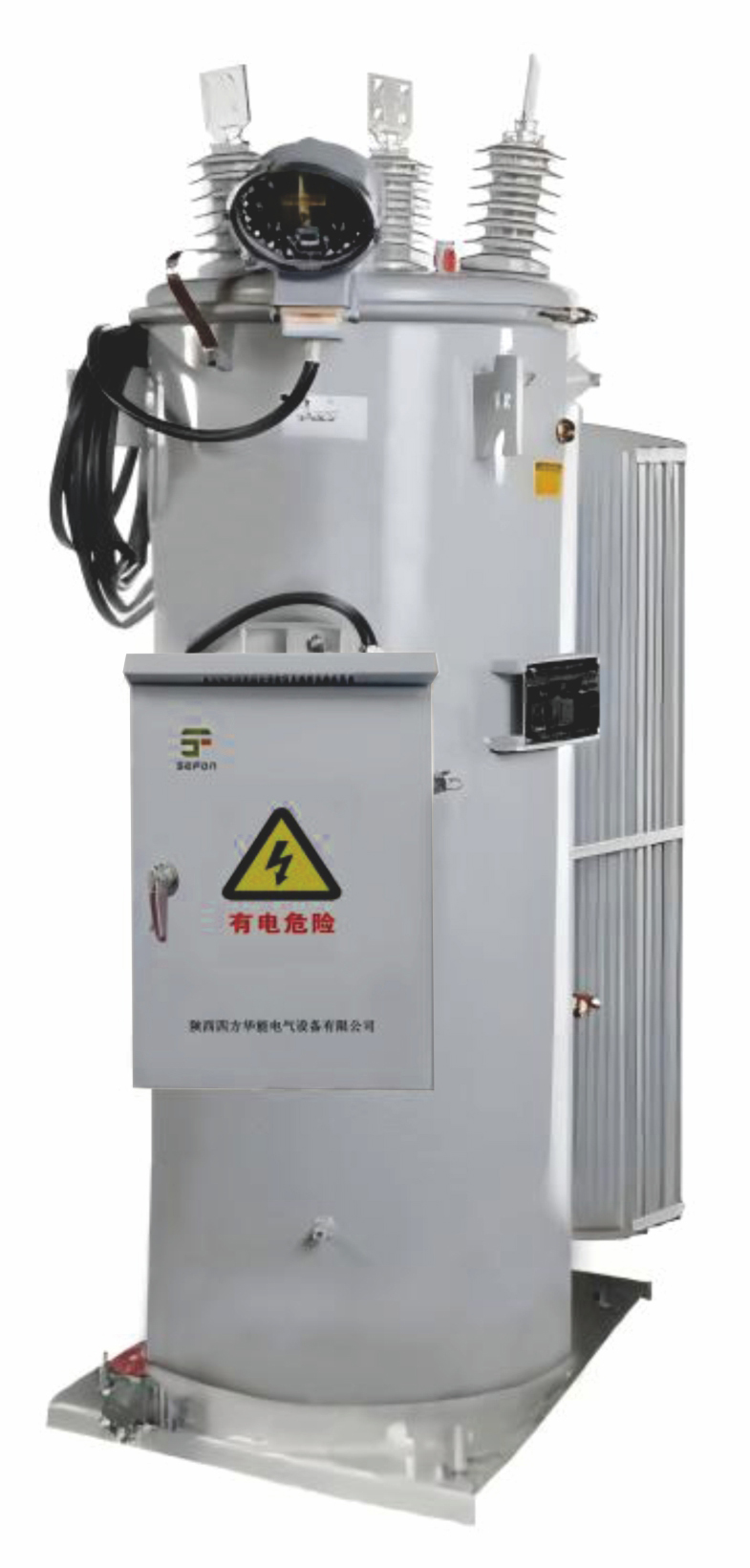
Single-Phase Automatic Voltage Regulator(AVR)
Shaanxi Sefon Electrical Equipment Co.,Ltd.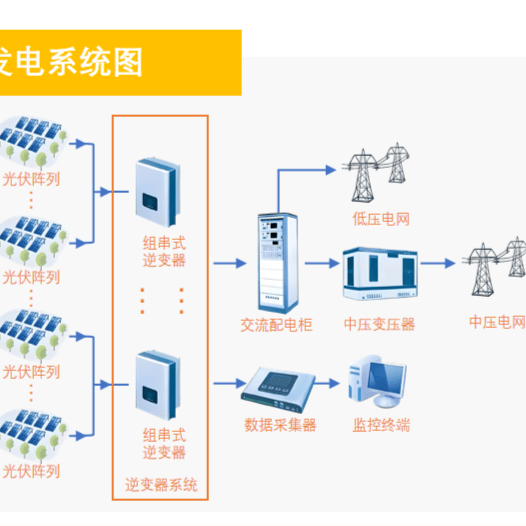
Photovoltaic and Wind Power Generation Technology
Beijing Boqi Electric Power SCI-TECH Co., Ltd.
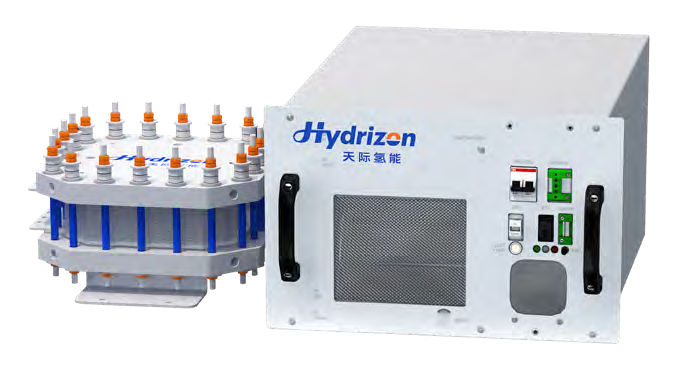
HI-Pro Green Hydrogen High-efficiency Production System-HI-PRO-AEM
Hydrizon Technology (Beijing) Co., Ltd.
"Shunyi 1600" Deep-submerging Bottom-sitting Multi-functional Wind Power Engineering Vessel
Zhengli Offshore Engineering Co., Ltd.
Pneumatic high-pressure wear-resistant ball valve
Zhejiang Deca Control Valve Meter Co., Ltd.