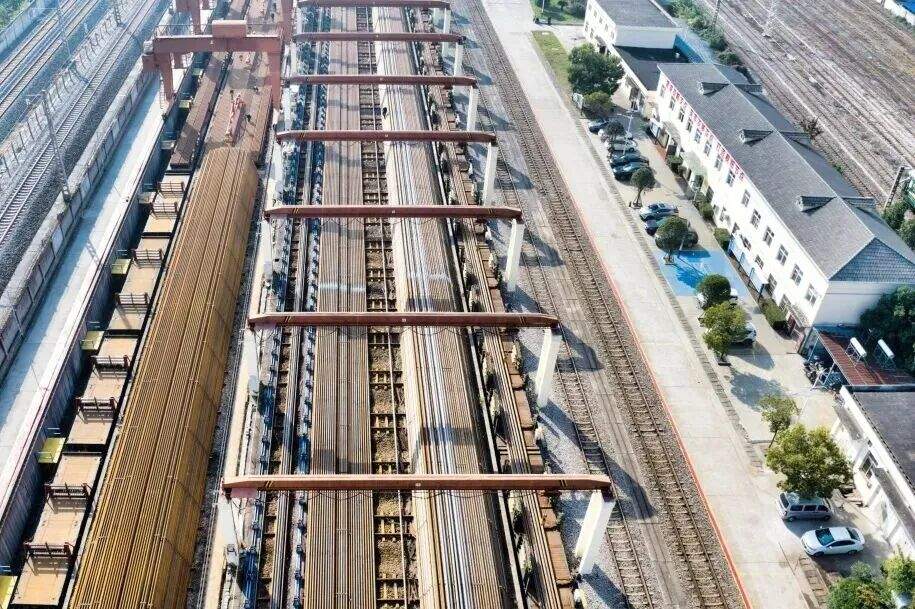
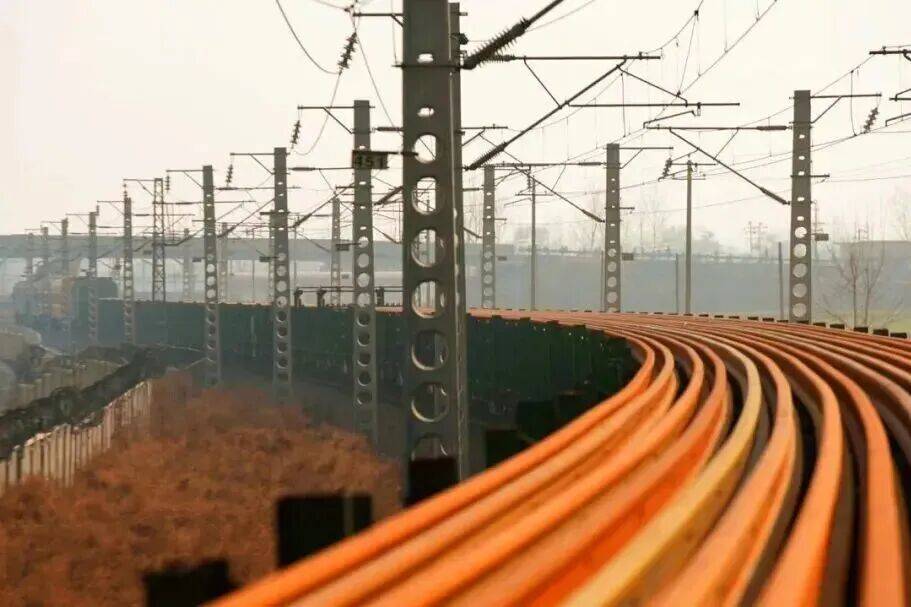
en.Wedoany.com Reported - The Wuhan Rail Welding Base, under the Wuhan Track Maintenance Division of China Railway Wuhan Group Co., Ltd., primarily produces 500-meter ultra-long seamless rails, with an annual welding capacity of 2,000 kilometers. These rails supply railway lines in Hubei Province, including the Shanghai-Chongqing-Chengdu Yangtze River High-Speed Railway (Wuhan-Yichang section), the Jingmen-Jingzhou High-Speed Railway, and the Wuhan-Shiyan High-Speed Railway. Such rails can be bent into an S-shape during transport without breaking, with their flexibility primarily attributed to precision forging processes.
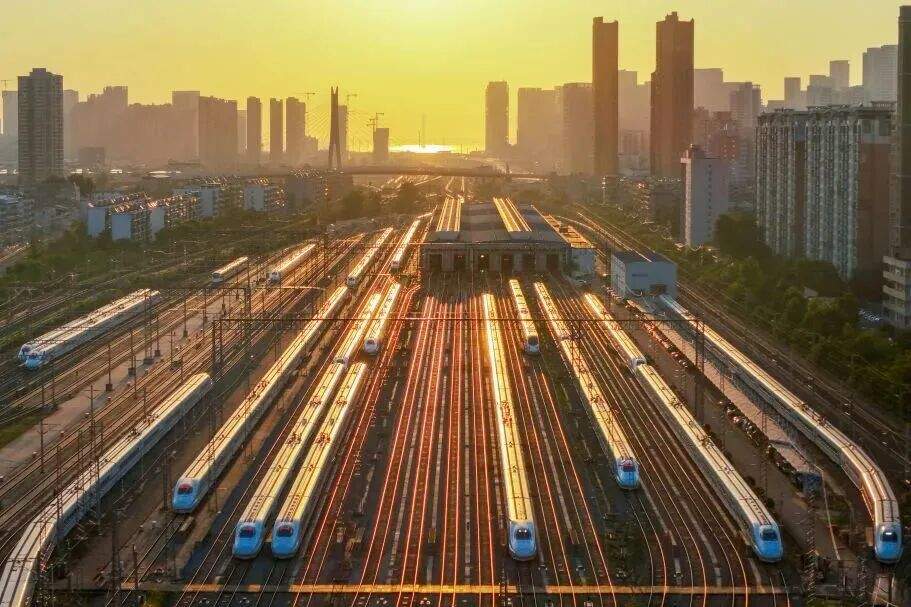
High-speed trains demand exceptional track smoothness during operation, as joints from short rail splicing can affect the riding experience. Therefore, laying 500-meter seamless rails is better suited for long-distance high-speed railway construction needs.
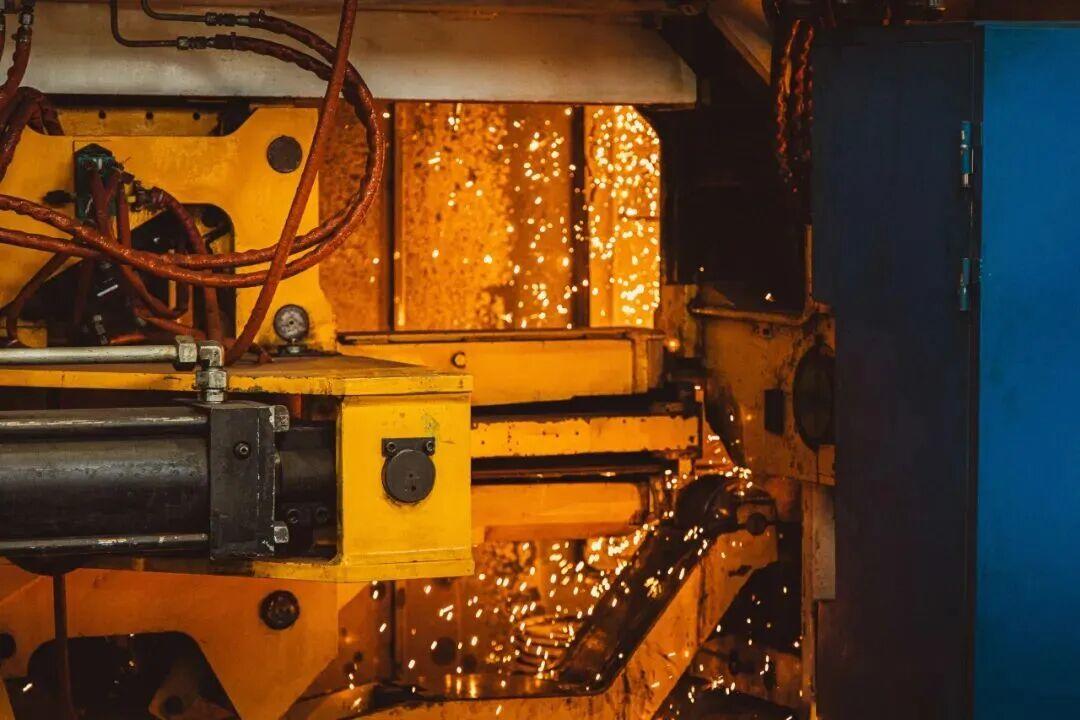
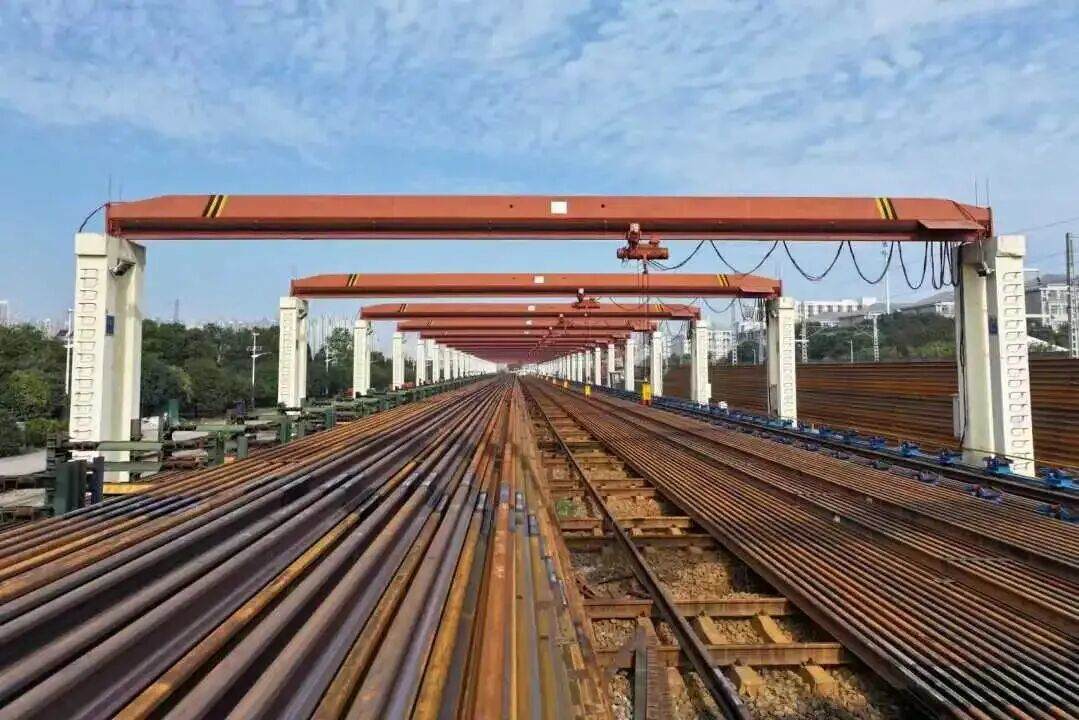
After 100-meter standard short rails are transported to the base, they undergo 17 precision processes—including welding, rough milling, normalizing, fine milling, and flaw detection—to be processed into 500-meter seamless rails. Among these, three key processes—flash butt welding for high-temperature fusion, post-weld normalizing heat treatment, and precision milling and grinding—are critical for ensuring the rails remain deformation-free during long-distance transport and are robust and wear-resistant after deployment.
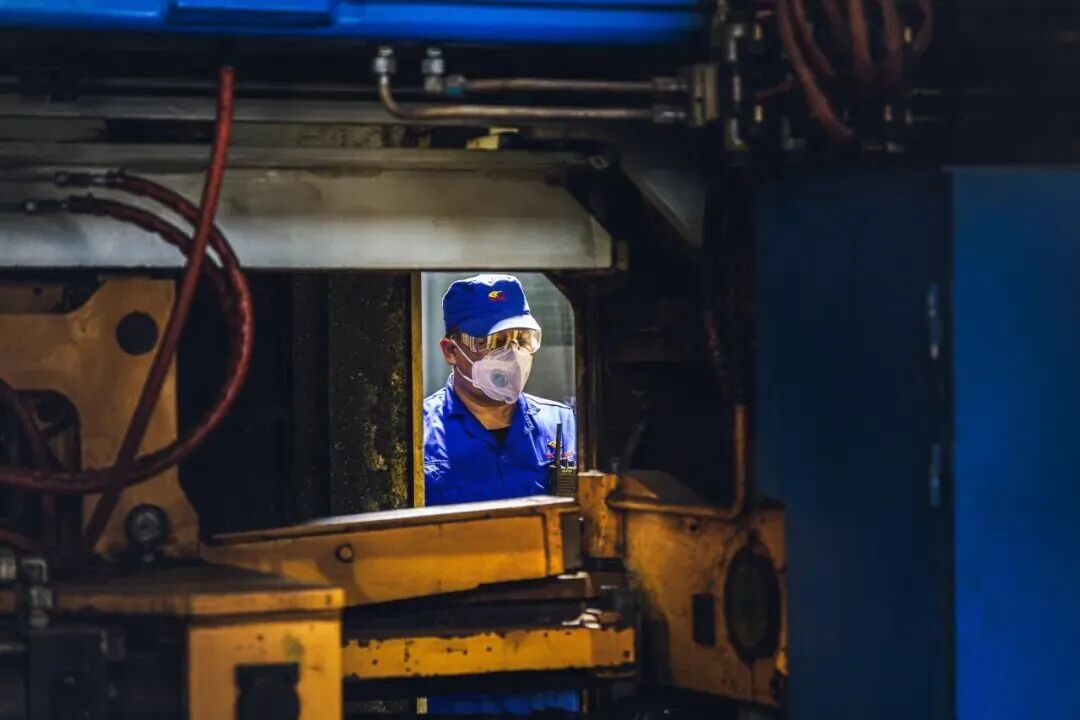
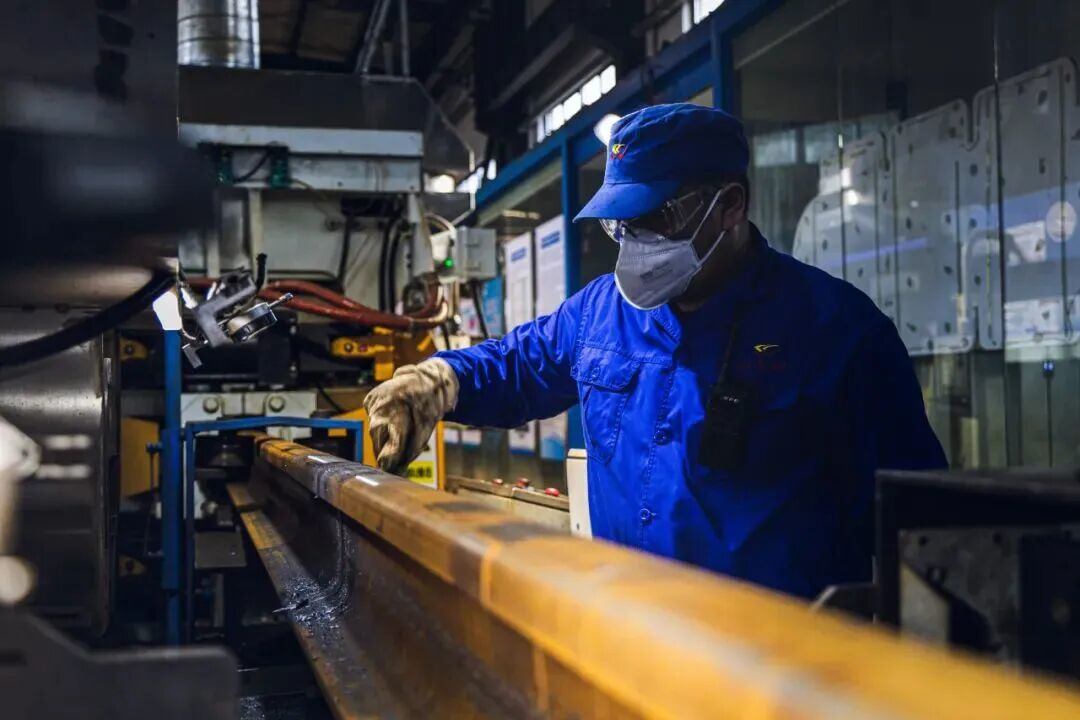
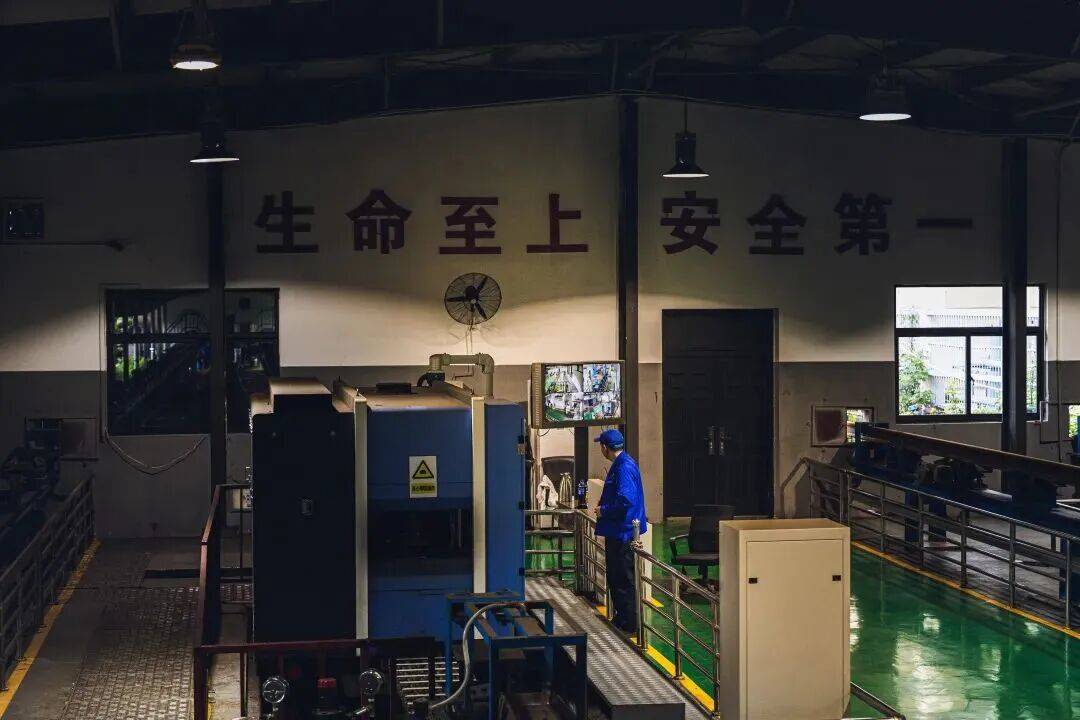
Every welded joint must pass two stringent inspection checkpoints. At the rail welding base, a full set of digital intelligent equipment, combined with welder operations, achieves dual quality control over rail welding.
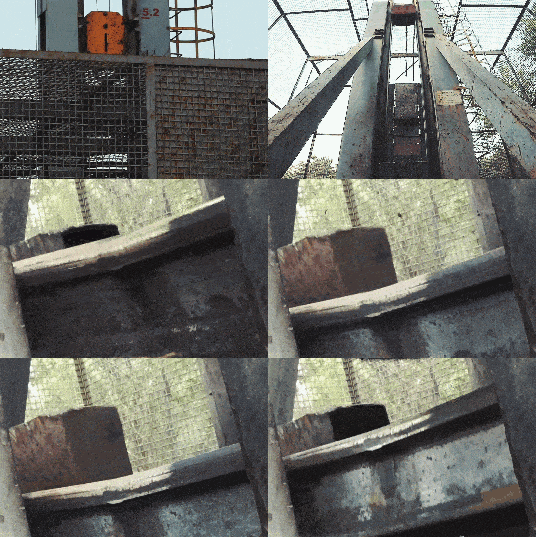
In terms of precision, welders rely on high-precision laser measurement systems to control straightness deviation within 0.2 millimeters over a 1-meter range around the joint. For quality, while staff conduct visual inspections, intelligent ultrasonic flaw detection equipment scans the interior of welds comprehensively. Some welded joints also undergo impact testing using an automated drop hammer tester—a 1-ton steel hammer is dropped freely from a height of 5.2 meters to strike the joint, and the weld must not crack.
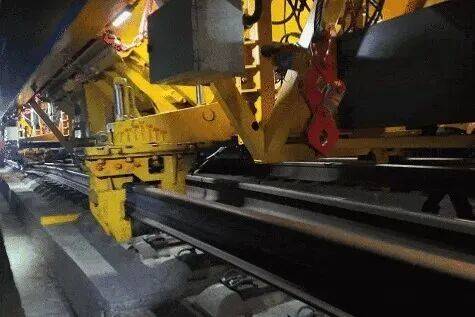
At the track-laying site, staff use digital welding equipment and laser calibration instruments to connect 500-meter seamless rail joints, linking and locking the rails onto the track bed. After laying, the rails are secured to sleepers via fasteners, enhancing overall rigidity and resistance to deformation or wear.