KAIST Develops Molecular Platform for Controllable Oxygen Reaction Pathways
en.Wedoany.com Reported - A research team led by Professor Seung Jun Hwang from the Department of Chemistry at the Korea Advanced Institute of Science and Technology (KAIST) has developed a novel molecular system capable of selectively switching electron transfer pathways during oxygen activation, offering fundamental design principles for next-generation catalysts and energy conversion technologies.
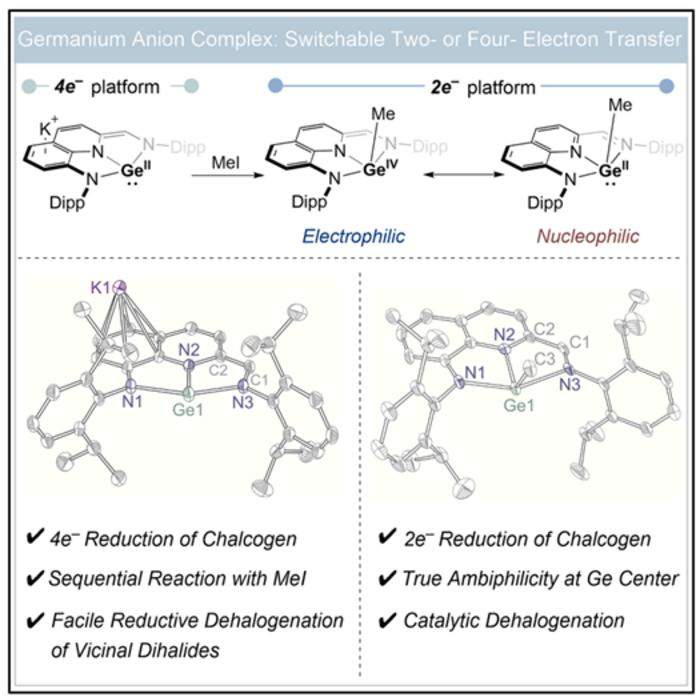
The team established a design principle by combining germanium with a molecular framework capable of storing and transferring electrons, enabling selective switching of oxygen activation between two-electron and four-electron pathways. Traditionally, catalysts controlling oxygen reactions have been developed primarily around transition metal centers such as iron, cobalt, and nickel; germanium, as a main-group element in the same group as silicon on the periodic table, was generally considered unsuitable for reactions requiring the cooperative transfer of multiple electrons. To overcome this limitation, the team combined germanium with a redox-active ligand that acts as an electron reservoir, working synergistically with the germanium center to enable the entire molecular structure to participate in multi-electron reactions.
During oxygen reactions, the products and outcomes depend on whether two or four electrons are transferred. Two-electron oxygen reduction produces hydrogen peroxide, while four-electron oxygen reduction produces water; selectively controlling these pathways is a major challenge in developing batteries, fuel cells, and more environmentally friendly chemical catalysts. This study demonstrates a rare example of a main-group molecular system capable of selectively achieving both two-electron and four-electron reactivity within the same molecular framework, broadening the range of elements that can be considered in catalyst design.
The research team successfully isolated and analyzed a germanium compound representing the two-electron reaction stage, stabilizing it by attaching a methyl group to the germanium complex. The germanium atom in this compound can both donate and accept electrons, providing important clues for systematically controlling different reaction pathways. The team also confirmed the practical potential of the new system under mild, light-free conditions: the germanium complex removed halogen atoms such as bromine and chlorine from organic compounds, regenerating alkenes (organic compounds containing carbon-carbon double bonds), which are widely used as raw materials for chemical products such as pharmaceuticals and plastics. Professor Seung Jun Hwang stated that these findings will inform the development of next-generation catalysts for energy conversion and help achieve more selective and efficient chemical processes.
This research was conducted jointly by postdoctoral researchers Sung Gyu Kim and Jinrok Oh from the Department of Chemistry at KAIST, and Dae Eui Choi, a combined master's and doctoral student from the Department of Chemistry at Pohang University of Science and Technology (POSTECH). The findings were published online on July 6 in the international journal Chem. The paper is titled "Germanium-Ligand Redox Cooperativity: Key to Ambiphilic and Switchable Two-Electron vs. Four-Electron Transfer" (DOI: 10.1016/j.chempr.2026.103127).
Related Products


CAP1400 main feedwater flow nozzle flowmeter.
Jiangsu Hongda Instrument Technology Co., LTD.
Bidirectional Metal Hard Sealed Seawater Butterfly Valve
Henan Quanshun Flow Control Science & Technology Co., Ltd.
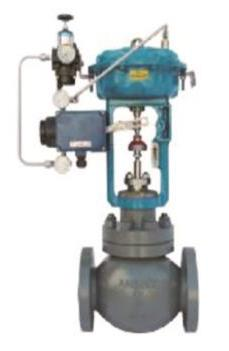
Quick-Change Single-Seat Control Valve / Quick-Change High-Pressure Single-Seat Control Valve
Beijing Consen Automation Technology Co., Ltd.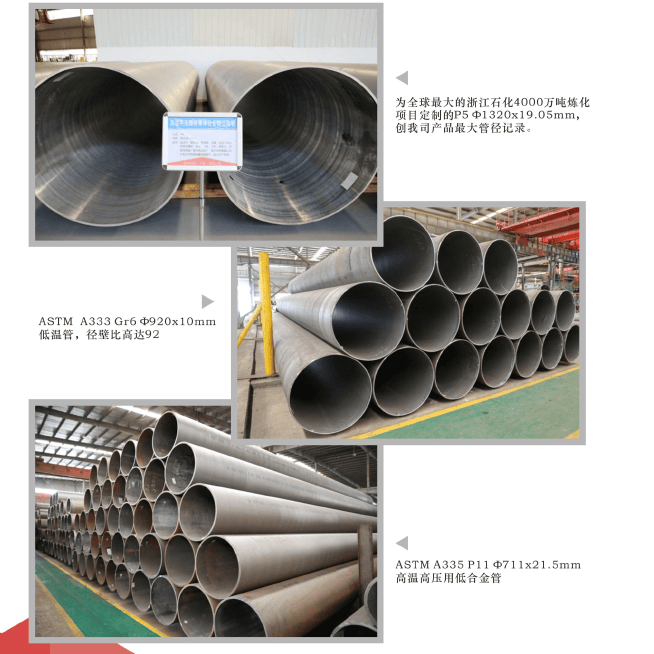
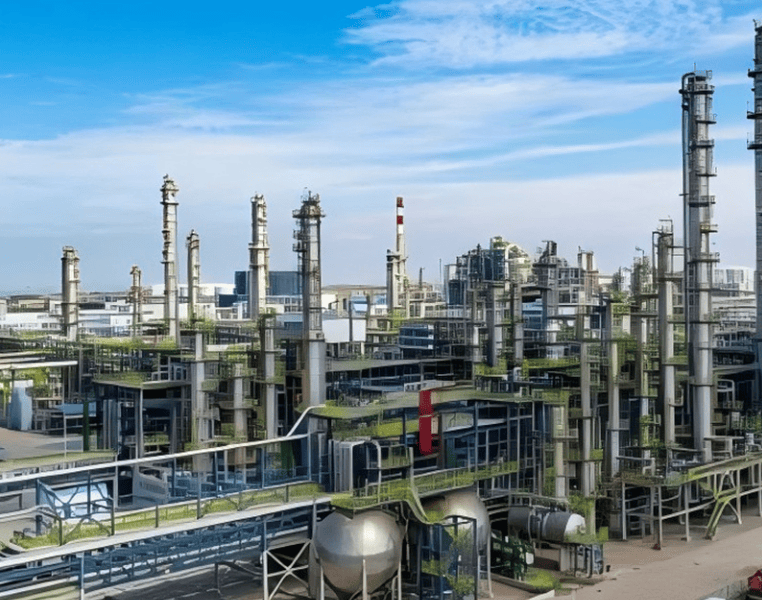
Steel Pipes for Refining and Coal Chemical Industries
YANGZHOU LONTRIN ENERGY EQUIPMENT CO.,LTD.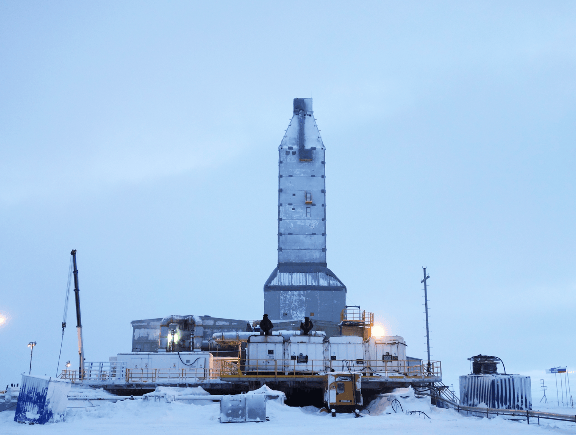
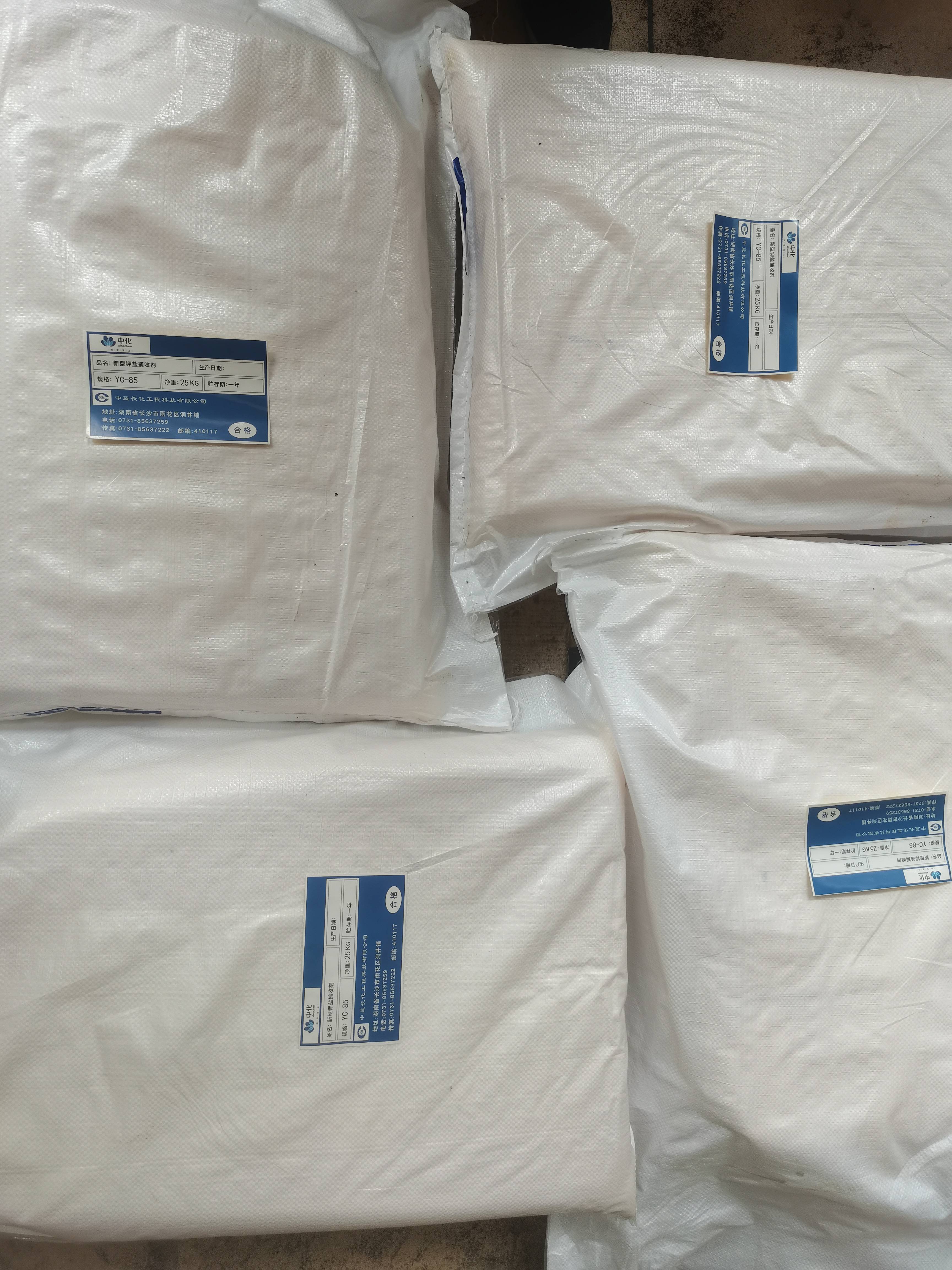
New Environmentally Friendly Green Potassium Salt Collector
Chonfar Engineering and Technology Co., Ltd.