Kuka Group Launches AI-Driven Manufacturing Platform in Ohio, USA
en.Wedoany.com Reported - Kuka Group, an intelligent manufacturing company, has officially launched its artificial intelligence orchestration platform, Kuka AMP, at its production facility in Toledo, Ohio, USA, integrating physical AI with traditional industrial automation systems.
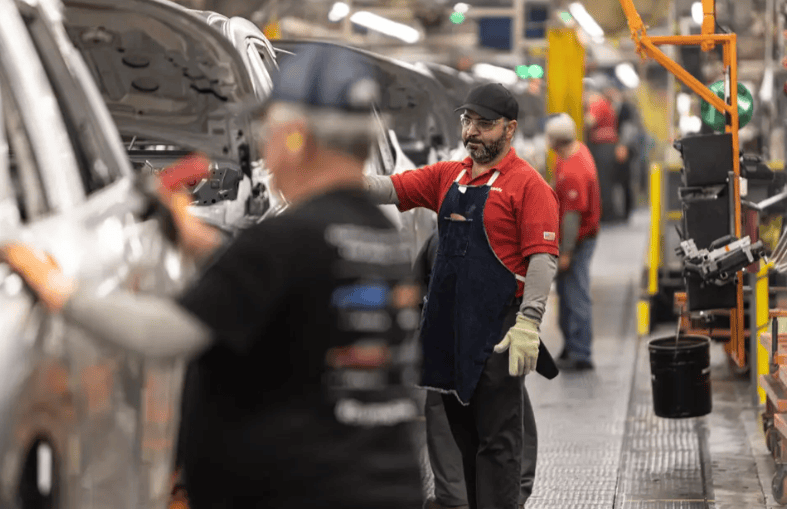
This open orchestration platform is already in active production at the facility. The 335,000-square-foot plant produces over 300 vehicle bodies per day, averaging approximately one every two minutes. By connecting existing automation infrastructure with next-generation AI-driven technologies, the platform helps manufacturers enhance operational flexibility, increase productivity, and extract greater value from production data.
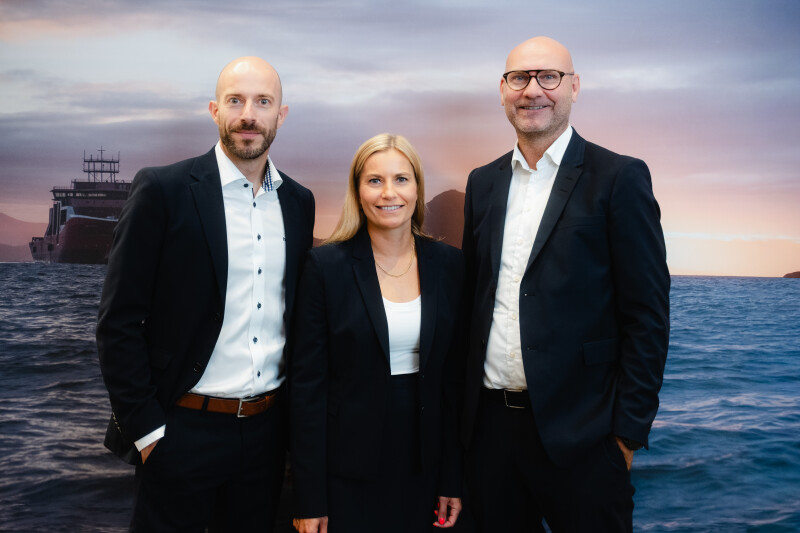
Marc Fleischmann, Chief Software and AI Officer at Kuka Group, stated that manufacturing is entering a new era where traditional automation is being expanded and transformed. The future lies in combining the precision and reliability of mature industrial automation with the capabilities of AI-driven systems, and Kuka AMP provides the foundation for this direction.

At the Toledo facility, Kuka AMP connects 285 robots and over 60,000 devices, transforming traditional automation infrastructure into an AI-driven production ecosystem. This deployment is a strategic move by Kuka Group to bring artificial intelligence from pilot environments into large-scale, real-world manufacturing. The United States is a key market for Kuka Group, which employs over 3,400 people in areas such as engineering, manufacturing, software development, system integration, and customer support.
KTPO has been in operation since 2006, producing body-in-white for all Jeep® Wrangler vehicles sold globally, and since 2019, for the Jeep® Gladiator. The facility combines Kuka's expertise in welding, joining technologies, and system integration, operating 285 robots and over 60,000 connected devices. It has produced more than 2 million vehicle bodies, generating vast amounts of production data.
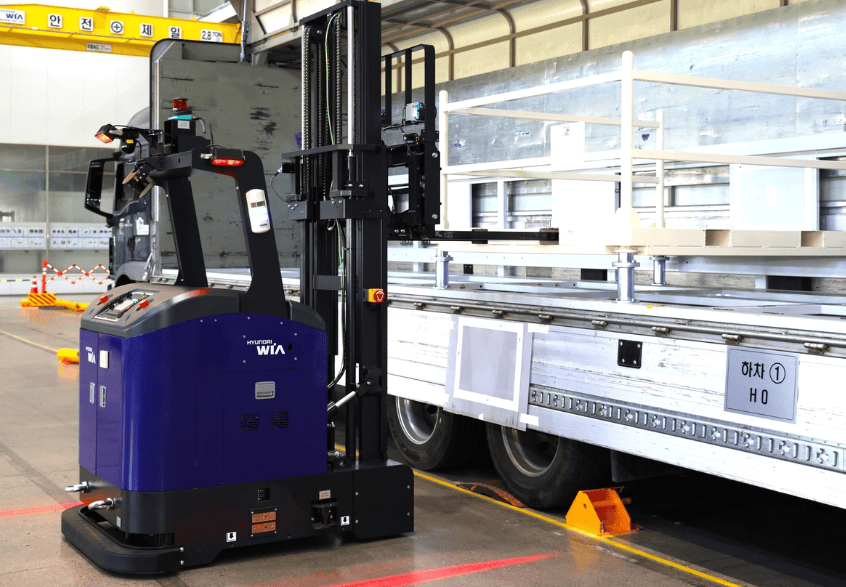
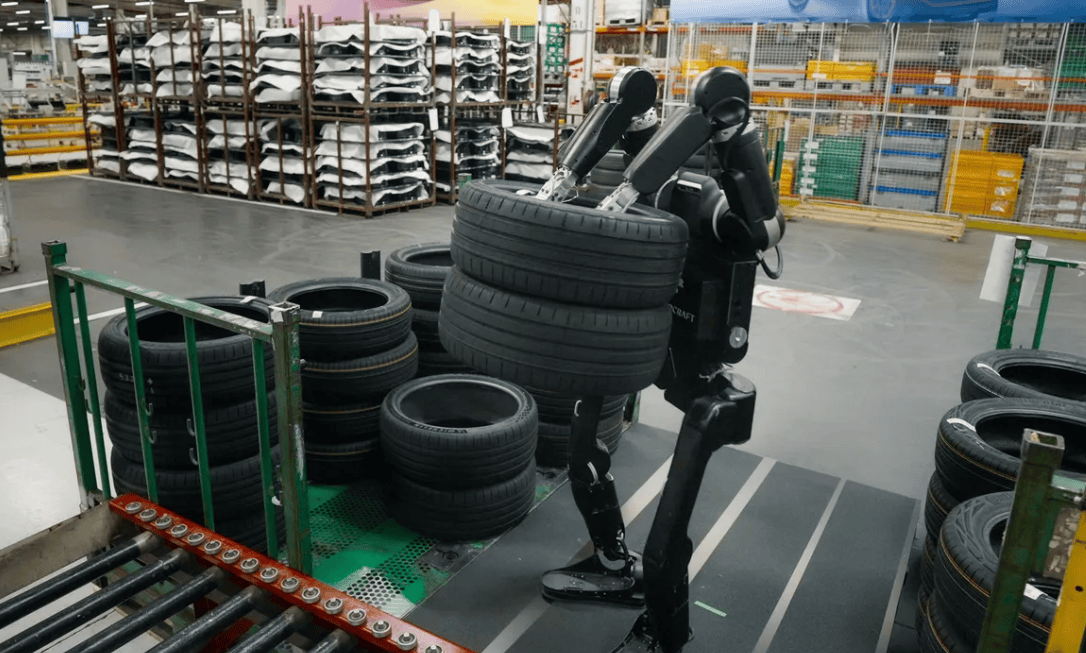
The initial deployment focuses on autonomous mobile robots (AMRs) and addresses a key challenge in modern manufacturing: unlocking the value of data trapped in isolated systems. The plant generates a wealth of information, but much of it remains underutilized. Kuka AMP converts this data into actionable insights, enabling automation systems to better understand production processes, coordinate cross-workflow activities, and continuously improve performance.
Fleischmann noted that physical AI should not be seen as a disruption, but as the next evolution of industrial automation. Manufacturers need a viable path built on decades of investment. Developed in the United States, Kuka AMP connects existing factories and gradually enhances their capabilities, paving the way toward the autonomous factory of the future.
The platform creates a scalable foundation for physical AI by providing automation infrastructure that allows customers to integrate their own AI models and leverage a shared context layer to generalize these models across production. By continuously collecting and analyzing operational data, it forms a closed-loop system that improves performance over time, helping organizations scale intelligent automation. Fleischmann mentioned that testing the alpha version of Kuka AMP at KTPO was a significant step, as KTPO is a familiar environment where the team can focus on evaluating the platform under real-world conditions and accelerating improvements to deliver the best user experience.
Related Products
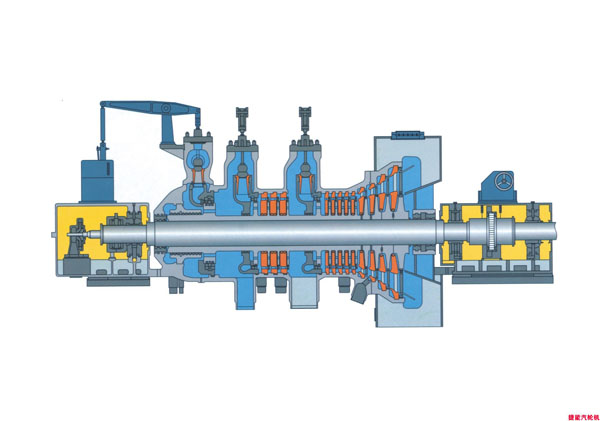

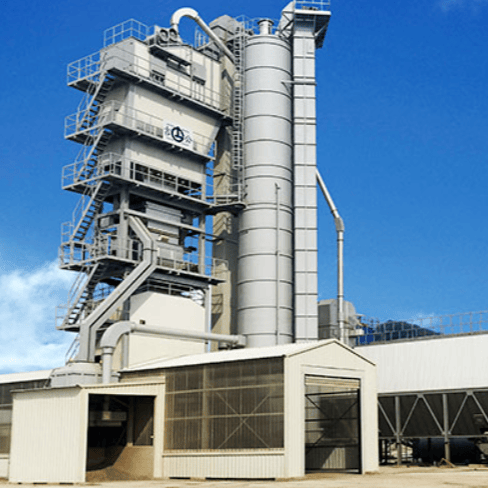
LBH4000 Batch Environmental Protection Asphalt Mixing Plant | Asphalt Batching Plant | Asphalt Mixing Plant
Jilin Province Road Construction Machinery Co., Ltd.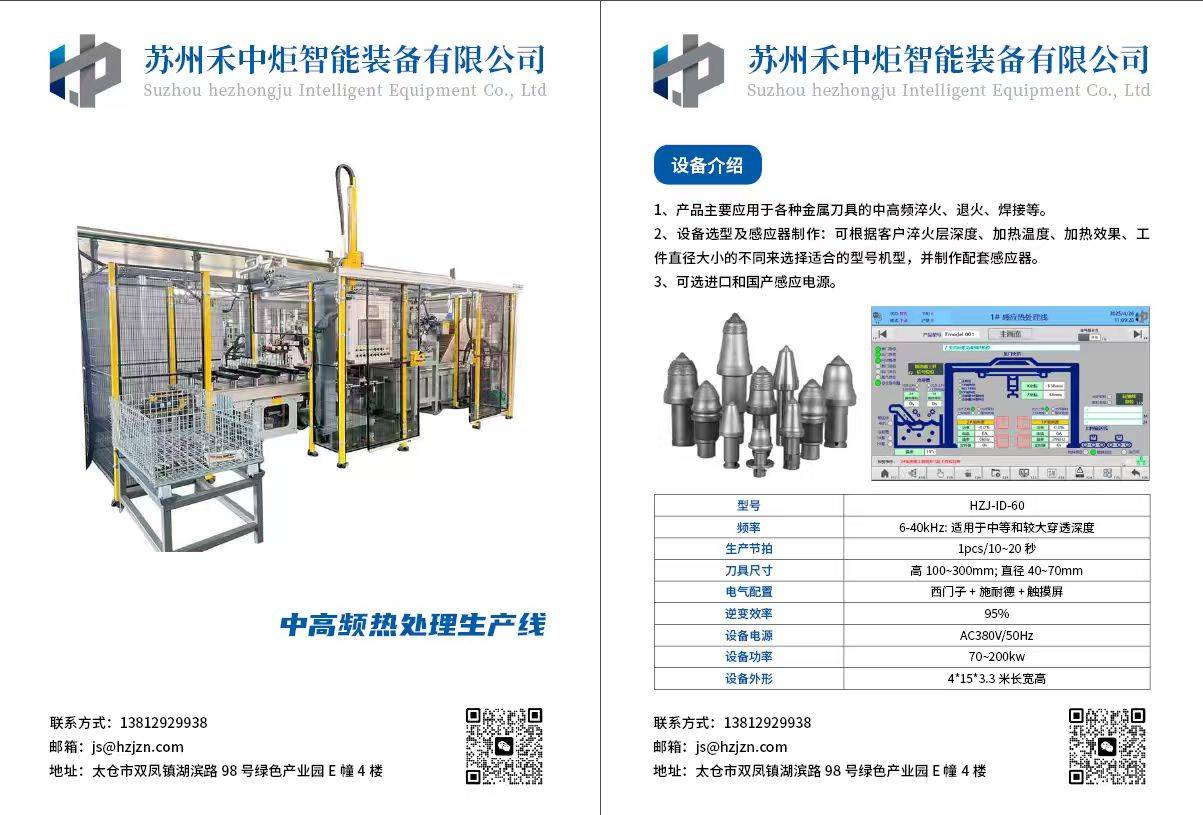
Excavator Bucket Teeth Heat Treatment Production Line
Suzhou Hezhongju Intelligent Equipment Co., Ltd.
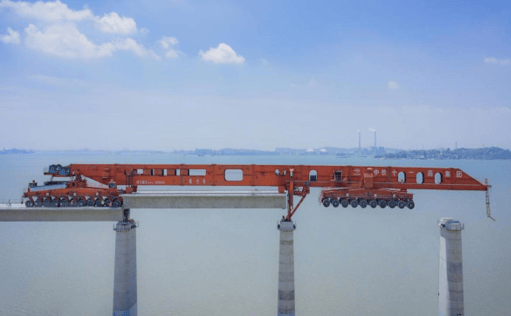
High-Speed Railway Lifting, Transporting, and Erecting Equipment: Integrated Transport and Erection Machine
Hanjiang Heavy Industry Co., Ltd. of China Railway 11th Bureau Group
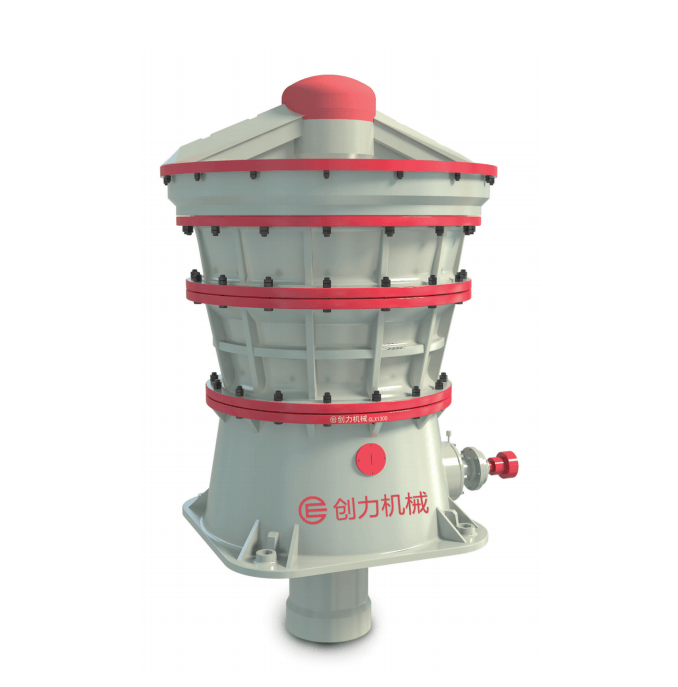
CLX Series Intelligent Hydraulic Gyratory Crusher
Guangdong CHUANGLI intelligent machinery Equipment Co., LTD
Strip Coating and Plating Production Line Equipment
MCC-SFRE HEAVY INDUSTRY EQUIPMENT CO., LTD.

CAP1400 main feedwater flow nozzle flowmeter.
Jiangsu Hongda Instrument Technology Co., LTD.