China's SLAMTEC Releases Poseidon Omnidirectional Mobile Robot Chassis at WAIC 2026
en.Wedoany.com Reported - China's SLAMTEC launched the Poseidon omnidirectional mobile robot chassis at the 2026 World Artificial Intelligence Conference (WAIC 2026), addressing the need for foundational capability upgrades in the industrialization of embodied intelligent robots by providing technical solutions such as omnidirectional movement, multi-sensor fusion, and 3D SLAM navigation.
The 2026 World Artificial Intelligence Conference brought together cutting-edge technologies and innovative achievements in the field of artificial intelligence, with "embodied intelligence" emerging as one of the most attention-grabbing keywords on site.
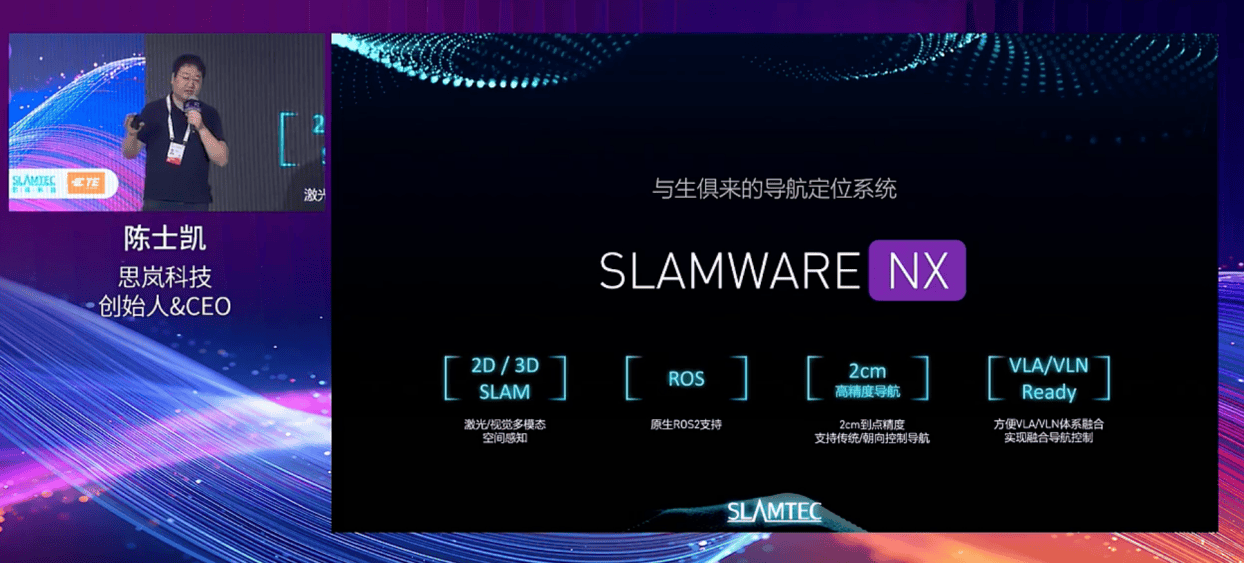
Chen Shikai, founder and CEO of SLAMTEC, delivered a keynote speech and participated in a roundtable discussion at the "Embodied Humanoid Robot Implementation and Core Components Development Forum." In his speech titled "Building a Multi-Modal Spatial Perception and Autonomous Action Platform for the Era of Embodied Intelligence," Chen Shikai stated that wheeled robots, which combine mobility efficiency with application flexibility, remain an important direction for industrial implementation at the current stage. However, traditional wheeled robots face challenges such as limited degrees of freedom in movement, reliance on 2D laser navigation, and the inability of conventional SLAM algorithms to meet the demands of the AI large model era.
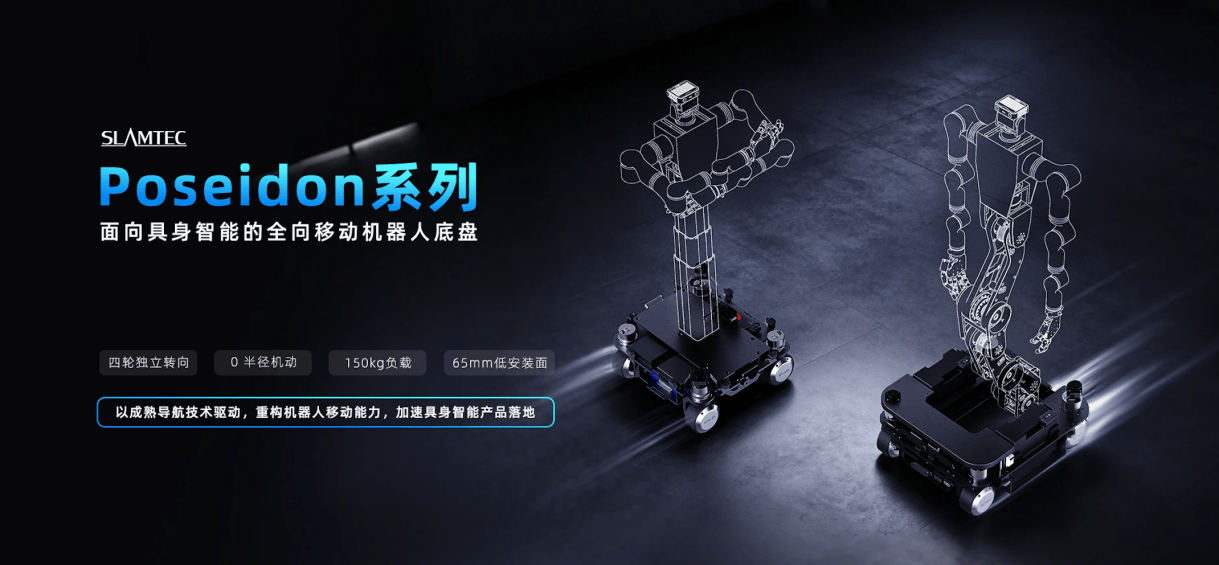
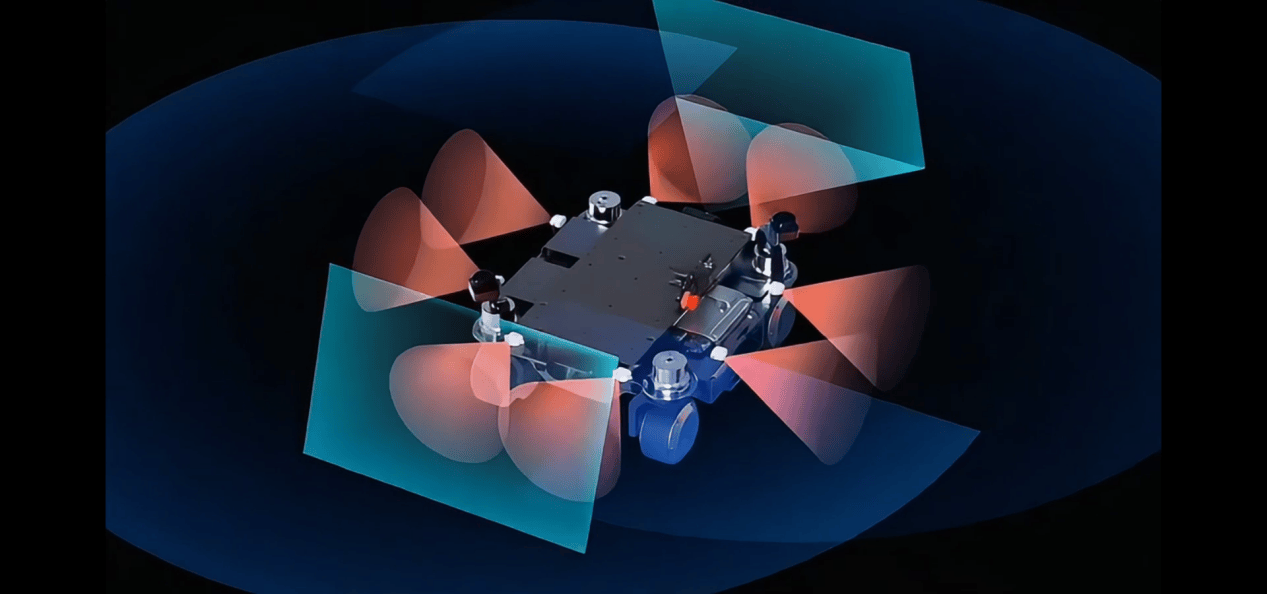
The Poseidon omnidirectional mobile robot chassis launched by SLAMTEC adopts a four-wheel four-steer/four-wheel eight-drive architecture, supporting lateral translation, in-place rotation, diagonal movement, and parking modes, aiming to solve the flexibility issues of traditional chassis in confined spaces and complex working conditions. The chassis comes standard with front and rear dual LiDARs, dual depth vision sensors, and ultrasonic sensors, combined with a self-developed SLAM algorithm to achieve 360-degree perception. The accompanying Slamware NX Embodied Intelligence Edition navigation system has been upgraded from 2D laser SLAM to visual-laser fusion 3D SLAM, supporting online autonomous learning and correction, and can provide stable positioning even when the environmental change rate exceeds 80%.
The Poseidon chassis features a fully modular architecture, supporting bare chassis, custom shells, and full-body top-mounted configurations. It is compatible with various top-mounted structures such as folding, lifting, and lead screw mechanisms, with a minimum mounting surface height of 65mm. The system natively supports ROS/ROS2 and comes with an SDK, enabling the entire development cycle to be compressed to one month.
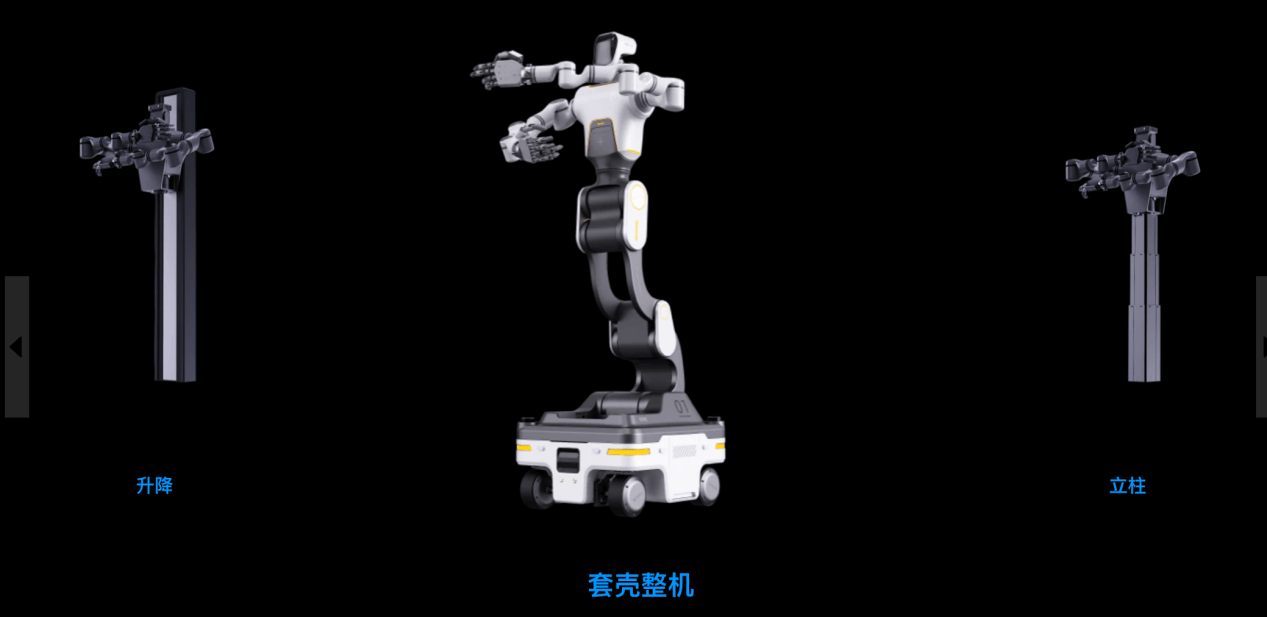
In response to the trend of robots transitioning from 2D geometric maps to 3D semantic maps, SLAMTEC also introduced the Aurora series 3D positioning and mapping solution. This solution integrates binocular vision, deep learning algorithms, and SLAM technology to achieve high-precision positioning, real-time 3D mapping, and semantic perception, helping robots understand complex dynamic environments.
During the roundtable discussion, Chen Shikai shared his views on the autonomous controllability and large-scale application of core components for domestic humanoid robots. He stated that in the LiDAR field, SLAMTEC has achieved domestic substitution, with a product localization rate exceeding 99%. He believes that domestic industrial scenarios have a high tolerance for new technologies and a strong willingness to experiment, resulting in faster technology implementation and iteration compared to overseas markets. Chen Shikai predicted that the widespread adoption of embodied intelligent robots will take another 3 to 5 years, but the large-scale explosion in niche scenarios may begin in the middle to late next year; long-tail scenarios in flexible manufacturing and small-to-medium factories will prioritize large-scale implementation. He also pointed out that the core challenge facing the industry is the lack of standard-setting power, and SLAMTEC is currently participating in the formulation of multiple group standards for core components, algorithm evaluation, and scenario applications of intelligent robots.
Related Products
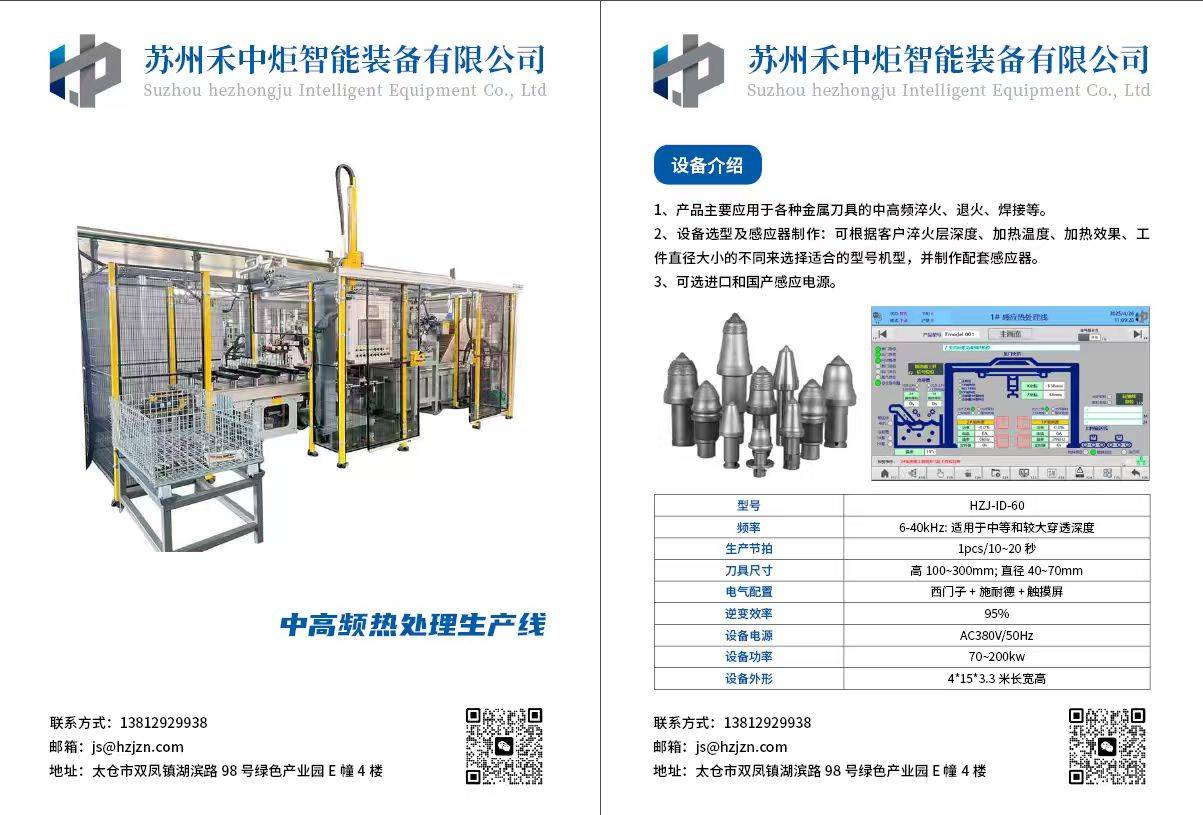

Excavator Bucket Teeth Heat Treatment Production Line
Suzhou Hezhongju Intelligent Equipment Co., Ltd.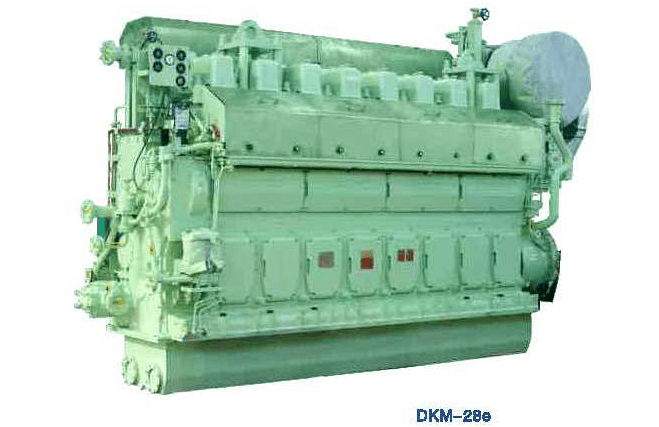

CAP1400 main feedwater flow nozzle flowmeter.
Jiangsu Hongda Instrument Technology Co., LTD.

Industrial and Commercial Point-Type Gas Detector
Jinan Benan Technology Development Co., Ltd.
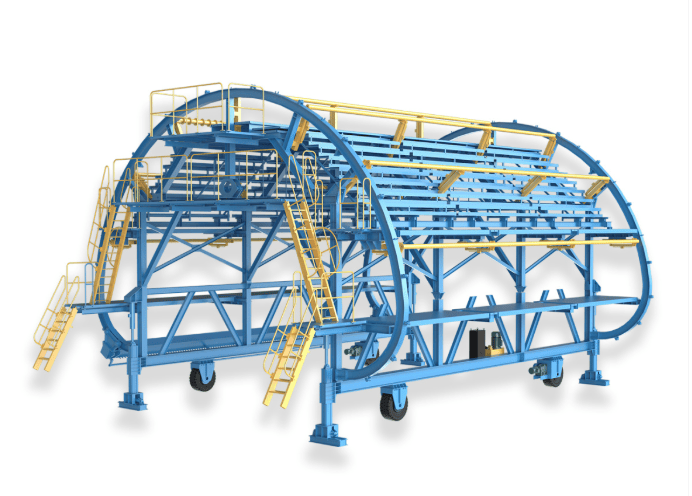
QLZNGJ Intelligent Steel Reinforcement Trolley
Luoyang China Railway Qiangli Machinery Co., Ltd.
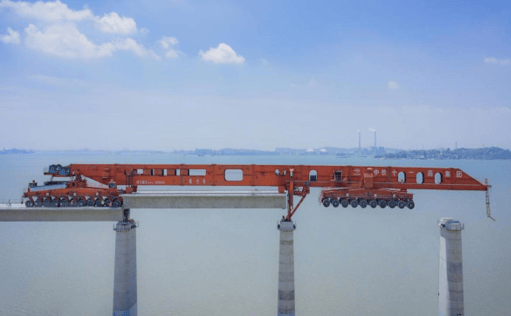
High-Speed Railway Lifting, Transporting, and Erecting Equipment: Integrated Transport and Erection Machine
Hanjiang Heavy Industry Co., Ltd. of China Railway 11th Bureau Group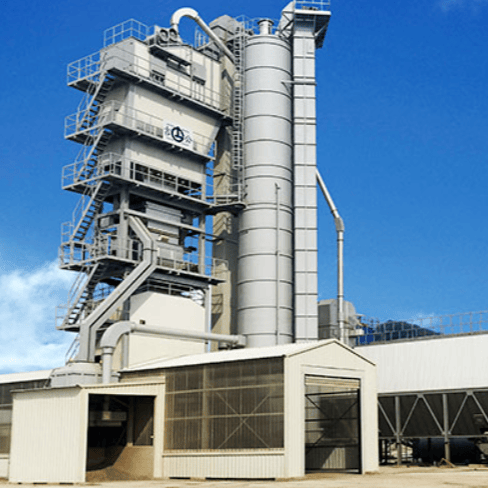
LBH4000 Batch Environmental Protection Asphalt Mixing Plant | Asphalt Batching Plant | Asphalt Mixing Plant
Jilin Province Road Construction Machinery Co., Ltd.