Brazil's INB Advances Geological Exploration at Lagoa Real Uranium Mine in Bahia
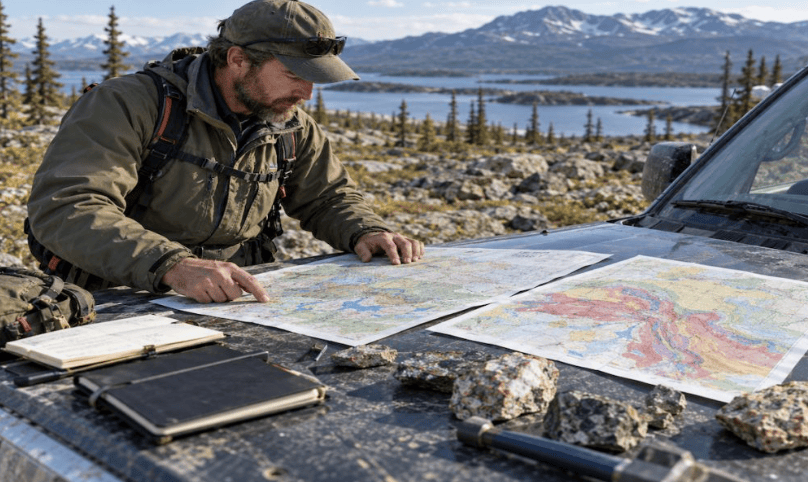
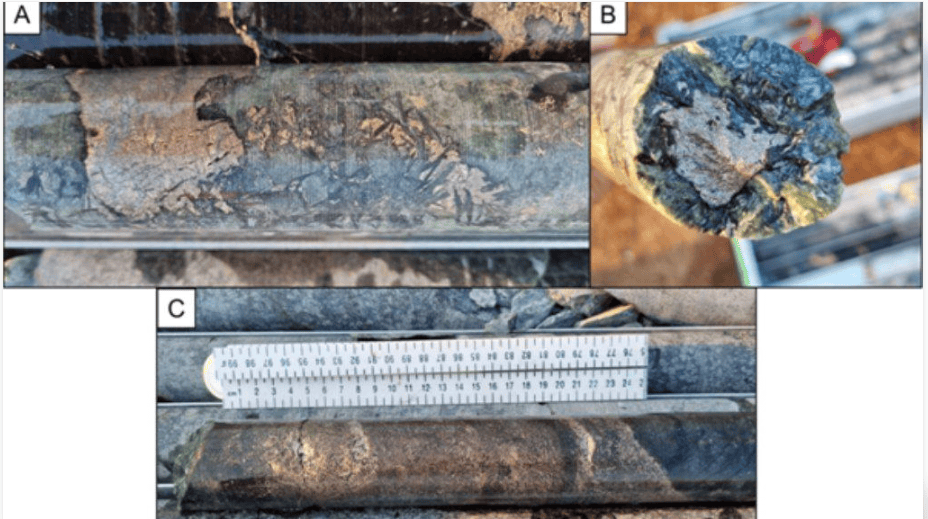
en.Wedoany.com Reported - Brazil's state-owned nuclear company, Indústrias Nucleares do Brasil (INB), is advancing geological exploration at the Lagoa Real uranium mining area in Bahia, where geological conditions potentially indicating uranium presence have been identified since 1977.
Jamyle Praxedes Franco, a geologist and INB's coordinator for geological and mineral resource research, stated that data collection aims to "quantify and provide detailed information on deposits that could eventually develop into mines."
In its research report, INB indicated that these studies are intended to gather more information and support the country's self-sufficiency in uranium production at the Uranium Concentration Unit (Unidade de Concentração de Urânio). The initial plan considers producing 200 tons of uranium concentrate, with future evaluations of 450-ton and 800-ton scenarios, requiring further geological studies and the construction of new tailings ponds, waste rock piles, storage areas, and expanded physicochemical treatment facilities.
INB launched the Pró-Urânio program in 2024, aiming to expand and accelerate exploration of new deposits. The Brazilian Development Bank (BNDES) will participate in developing cooperation models with mining companies. BNDES issued a request for information in December, inviting consulting firms to participate. The government is now reviewing a proposal allowing private sector investment in uranium mining, but requiring INB to retain at least a 20% stake in each project.
Against the backdrop of expanding domestic uranium production and resources, Brazil's National Mineral Policy Committee established a working group earlier this month to study the contribution of the mineral sector, particularly uranium, to the country's nuclear program development.
According to data from the World Nuclear Association, Brazil has reasonably assured resources of 210,000 tons of uranium, following active exploration in the 1970s and 1980s.
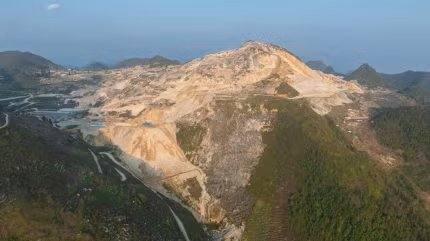
Brazil has been mining uranium since 1982, with its only active mine being INB's Lagoa Real/Caetité mine, which has an annual production capacity of 340 tons of uranium and known resources of 10,000 tons of uranium at a grade of 0.3%.
INB's Santa Quitéria project is undergoing preliminary environmental licensing with the Brazilian Institute of Environment and Renewable Natural Resources (IBAMA), having been accepted for environmental review in March 2022. The project will be implemented at the Fazenda Itataia site in the municipality of Santa Quitéria. The Itataia phosphorite deposit consists of 99.8% phosphate and 0.2% uranium. INB stated that the project is expected to produce approximately 1.05 million tons of phosphate fertilizers, 220,000 tons of dicalcium phosphate, and about 2,300 tons of uranium concentrate annually, to supply the Angra 1, Angra 2, and future Angra 3 nuclear power plants, aiming to strengthen nuclear fuel self-sufficiency with export potential.
According to 2020 report data, the Itataia deposit is estimated to contain 142,200 tons of uranium mixed with phosphate, with recoverable reserves of 79.5 million tons of ore at grades of 11% P2O5 and 0.0998% U3O8, equivalent to approximately 8.9 million tons of P2O5 and 79,300 tons of U3O8.
Brazil has a long history in the nuclear energy industry. Two pressurized water reactors, Angra 1 and 2, supply about 3% of the country's electricity. The nation plans to complete the Angra 3 unit and is exploring additional capacity, including the development of microreactors.
Related Products


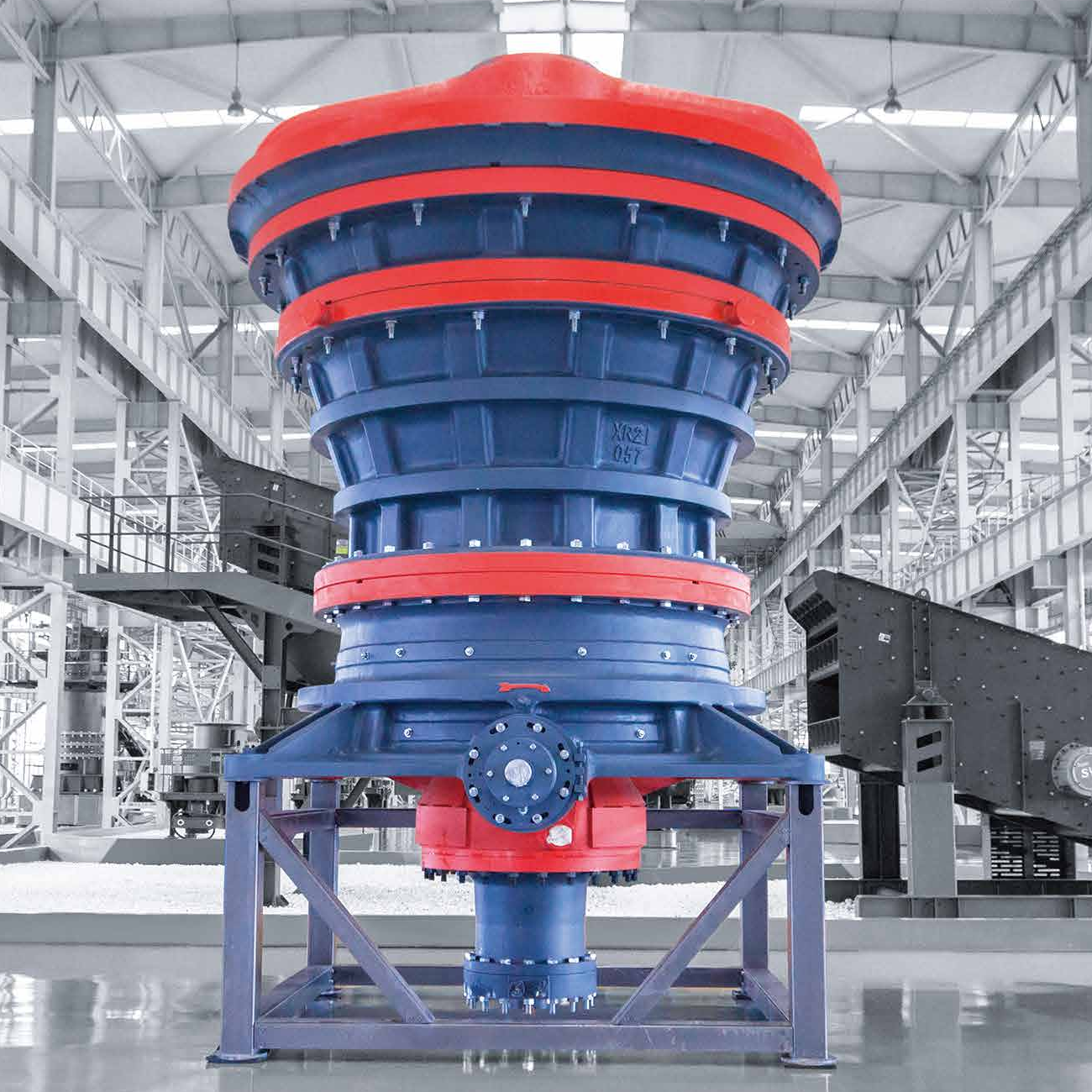
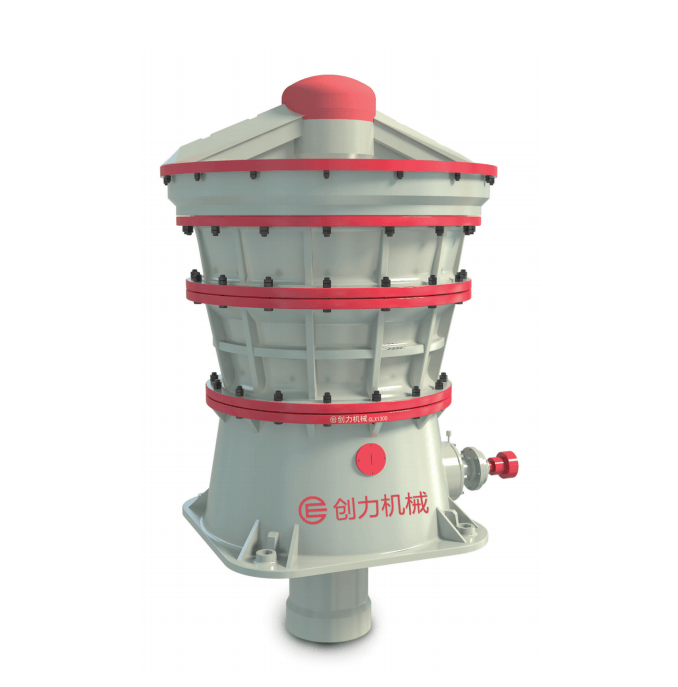
CLX Series Intelligent Hydraulic Gyratory Crusher
Guangdong CHUANGLI intelligent machinery Equipment Co., LTD
Core Technologies of the Mining Technology and Equipment Business Unit: Efficient Mining Methods and Processes
CHANGSHA INSTITUTE OF MINING RESEARCH CO., LTD.
CITIC Heavy Industries Metallurgical Equipment Steel Smelting Engineering Equipment
CITIC Heavy Industries Co., Ltd.