China Advances Cement Clinker Output Monitoring to Cut Over 400 Million Tonnes of Capacity
en.Wedoany.com Reported - At the recent exchange meeting on cement clinker output monitoring, President Wu Qingtao stated that comprehensively implementing cement clinker output monitoring is a feasible path to effectively reduce total capacity and rapidly optimize the supply-demand relationship. The entire industry needs to unify thinking and form a joint force to promote the full implementation of monitoring efforts. The exchange meeting was organized by the China Building Materials Federation, with representatives from the Raw Materials Industry Department of the Ministry of Industry and Information Technology, relevant provincial industrial and information technology management departments, building materials and cement industry associations, and key cement enterprises in attendance.
Wu Qingtao pointed out that in recent years, cement market demand has declined rapidly, overcapacity contradictions have continued to intensify, and the industry's economies of scale have severely shrunk. From 2021 to 2025, national cement output cumulatively fell by 690 million tonnes, a decline of 29 percent, with output value dropping by 50 percent and total profits falling by nearly 80 percent. This has posed a threat to the safety of industry development, making it urgent to reduce total capacity and curb the severe imbalance between supply and demand. At the end of 2024, four ministries jointly issued a policy document on further advancing the standardized management of cement capacity, proposing the supplementation of capacity for production lines exceeding approved capacity and the implementation of cement clinker output monitoring as primary regulatory measures. The goal is to reduce over 600 million tonnes of capacity exceeding approved limits by aligning actual capacity with approved capacity. To date, nearly 350 production lines have completed capacity supplementation, with over 200 million tonnes of capacity withdrawn, achieving initial results.
Wu Qingtao noted that the current approved cement clinker capacity stands at 1.59 billion tonnes, while actual capacity still exceeds 2 billion tonnes. Calculated on the basis of first-half output, the actual capacity utilization rate is below 50 percent and continues to decline. If production were organized according to approved capacity, the utilization rate could reach 61 percent, potentially easing the intensity of market competition. Through output monitoring, more than 400 million tonnes of capacity exceeding approved limits can be curbed from being utilized, raising the capacity utilization rate to above 60 percent and achieving alignment between actual and approved capacity, thereby providing accurate data support for government regulation and enterprise operational decision-making.
In terms of feasibility, in 2025 the Ministry of Industry and Information Technology commissioned the China Building Materials Federation to conduct research on capacity governance in the cement industry. The Federation, together with the China Cement Association, key enterprises, and relevant research institutes, established a capacity governance research group, which developed and released the group standard "Cement Industry Clinker Output Monitoring and Accounting Methods" based on actual production processes. With the support of the Hubei Provincial Department of Economy and Information Technology, the Hubei Building Materials Federation built an online cement clinker output monitoring platform, practically validating the standard's technical route and organizing provincial enterprises to conduct trial operations. Expert evaluations confirmed that the platform's technical route is feasible, data accuracy is reliable, and monitoring results are credible, with low construction costs and minimal enterprise investment, making it fully ready for comprehensive rollout.
Regarding next steps, Wu Qingtao proposed that the government, associations, and enterprises each fulfill their respective roles: relevant national authorities should strengthen top-level design, clarify policy guidance for unified national monitoring, unified standards, and unified coordination, and resolutely promote full implementation across all regions; regional building materials and cement associations should proactively play an organizational and coordinating role, cooperating with local competent authorities to implement monitoring work; and leading industry enterprises should set an example by proactively complying with relevant policy requirements for standardized production. The China Building Materials Federation will strengthen resource organization and coordination, working with all parties to unwaveringly advance cement clinker output monitoring, using this as a landmark to deepen industry capacity governance and promote the transformation of the cement industry from traditional management to refined management.
Related Products



Pure Polyurethane Wall Panel BD-AEF-PIR-01
Baodu International Engineering Technology Co., Ltd.

ERW Welded Pipe (Black Pipe and Hot-dip Galvanized Steel Pipe)
Handan Zhengda Steel Pipe Co., Ltd.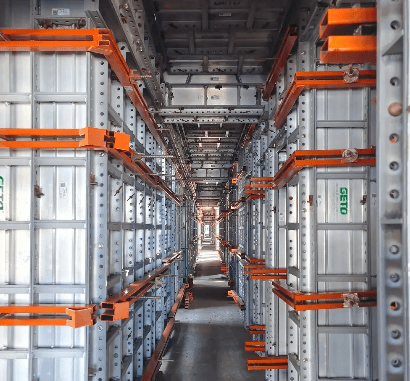
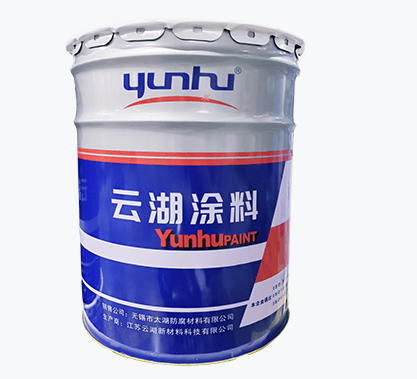
YHTank8400N Solvent-Free Liquid Epoxy Coating
JIANGSU YUNHU NEW MATERIAL TECHNOLOGY CO., LTD.

Acoustic Mineral Fiber Ceiling Tile 595x595x12mm
Shanxi Pano Trading Co., Ltd
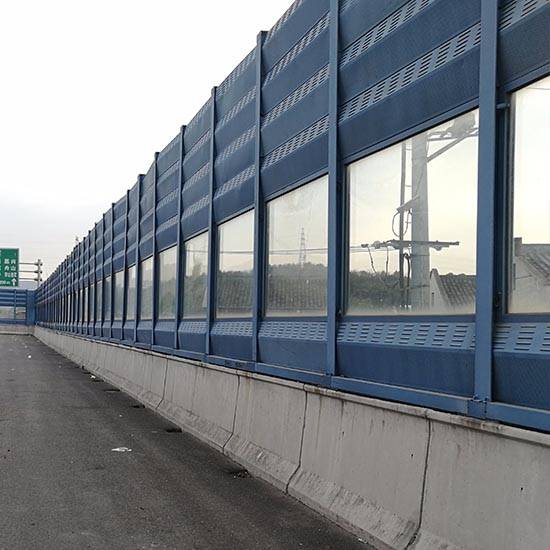
Metal sound barriers that can reduce the transmission of road noise
Hebei Jinbiao Construction Materials Tech Corp., Ltd.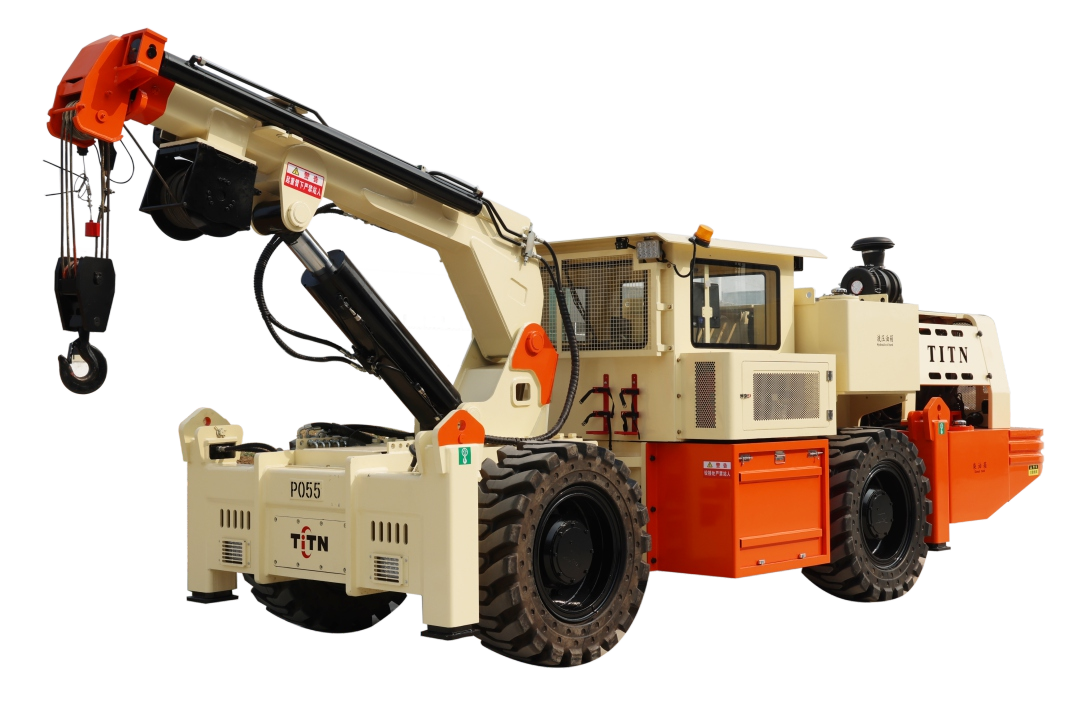
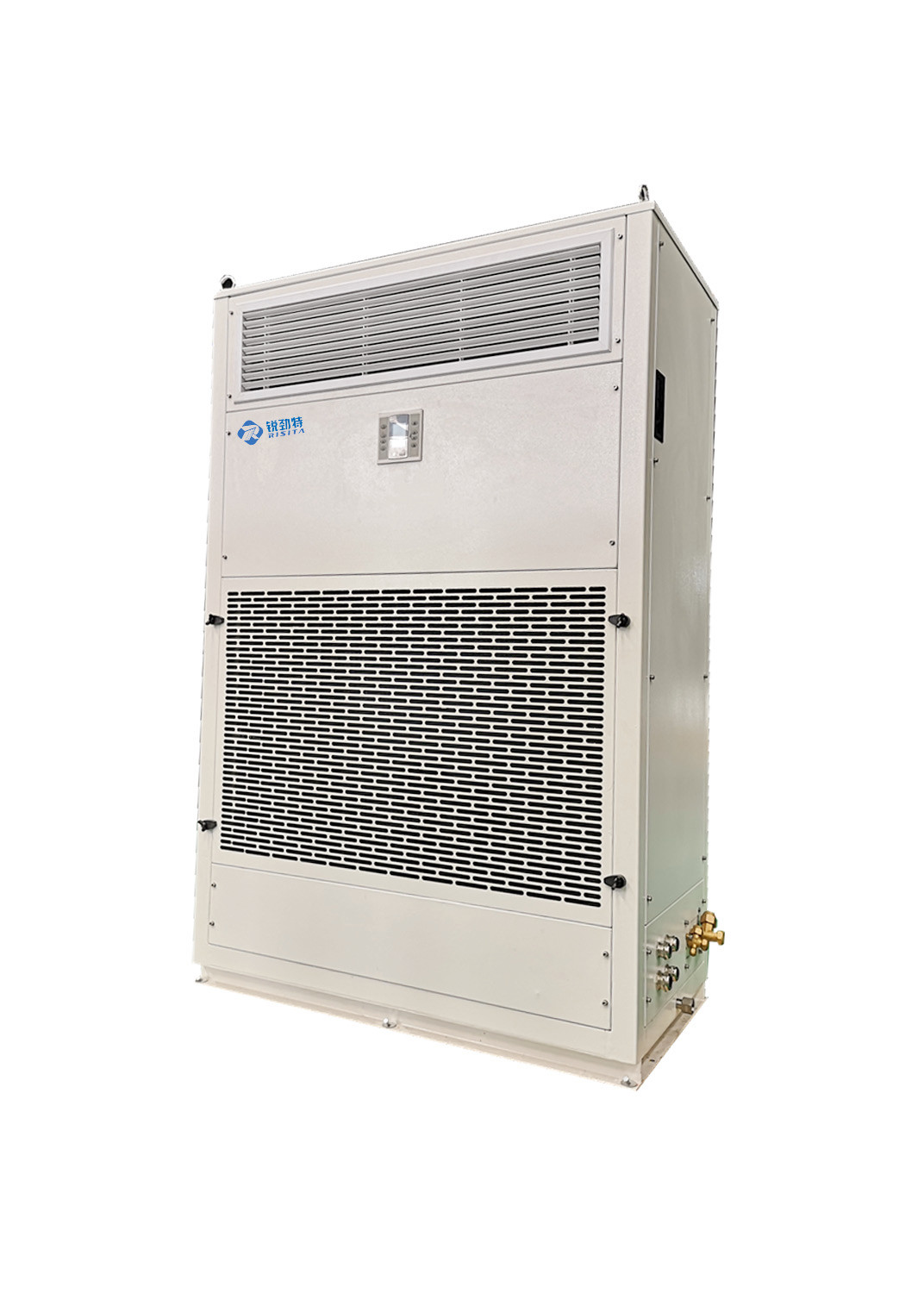
RISITA explosion-proof air conditioning
Guangdong RISITA Air Conditioning Equipment Co.,Ltd.