UPM Cancels Second Rotterdam Biomass-To-Fuels Refinery
Wedoany.com Report-May 29, UPM, a leading biofuels company, has decided to discontinue the development of its planned second biomass-to-fuels refinery at the Port of Rotterdam following thorough technical, commercial, and strategic evaluations. The company will cease all engineering activities and withdraw from site-related commitments associated with the Rotterdam project, redirecting its focus to other growth opportunities in the biofuels sector.
Instead, UPM will prioritize advancing its biofuels business through proprietary technology development and the expansion of sustainable feedstock options. This includes continuing efforts to qualify Crude Tall Oil (CTO)-derived UPM biofuels for use in jet engine fuels, reinforcing its commitment to sustainable energy solutions. The Lappeenranta Biorefinery in Finland will remain the cornerstone of UPM’s biofuels platform, driving its long-term growth in decarbonization.
“Renewable fuels and renewable chemicals are the central elements of UPM’s long-term growth in decarbonization solutions,” said Harald Dialer, Executive Vice President of UPM Biorefining and Technology. “The Lappeenranta biofuels biorefinery will remain the nucleus of our growing biofuels platform.”
UPM is focusing on three key growth areas to strengthen its biofuels portfolio. First, the company is exploring opportunities to optimize the Lappeenranta Biorefinery to increase production capacity with minimal capital investment, capitalizing on the strong market demand for CTO-derived biofuels. Second, UPM is advancing the qualification of its biofuels as Sustainable Aviation Fuel (SAF), supported by successful trials with Austrian aircraft manufacturer Diamond Aircraft using Austro Engine propulsion and positive progress in the American Society for Testing and Materials (ASTM) certification process. Third, UPM is investing in feedstock technology to incorporate additional sustainable and cost-competitive biomass sources, enhancing the production of high-quality biofuels for both road and aviation applications.
“We continue seeing strong long-term market potential for biomass-based fuels, especially in Europe, where greenhouse gas reduction commitments continue driving the need for sustainable alternatives to fossil fuels across transport modes but specifically in road and aviation,” said Harald Dialer. “Our biofuels portfolio is well-positioned through our access to strategic feedstocks, its superior GHG savings potential, and strong regulatory acceptance.”
By focusing on scalable and sustainable biofuel solutions, UPM aims to meet growing demand in Europe and beyond while supporting decarbonization goals. The company’s strategic shift away from the Rotterdam project allows it to concentrate resources on innovative technologies and market-ready solutions, ensuring long-term growth and environmental impact in the biofuels sector.
Related Products
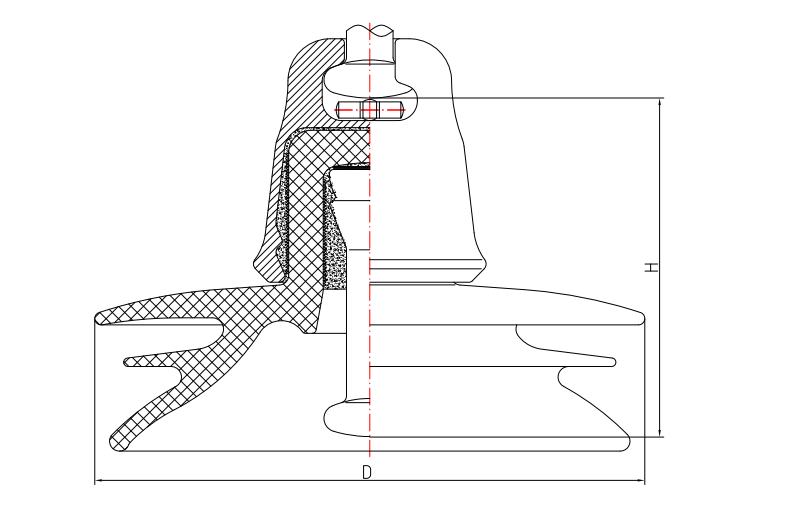

Post-type AC Pollution-resistant Disc Suspension Porcelain Insulator (Triple Umbrella Type)
Shandong High Voltage Insulator Co., Ltd.
Optional Accessory - Auxiliary Sampling Module
Beijing Soaring Electric Technology Co., Ltd.
"Shunyi 1600" Deep-submerging Bottom-sitting Multi-functional Wind Power Engineering Vessel
Zhengli Offshore Engineering Co., Ltd.
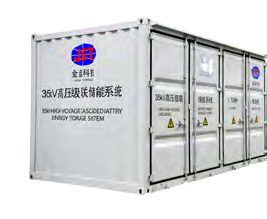
6kV-35kV Medium and High Voltage Direct-Connected Energy Storage System
Hainan Jinpan Smart Technology Co., Ltd.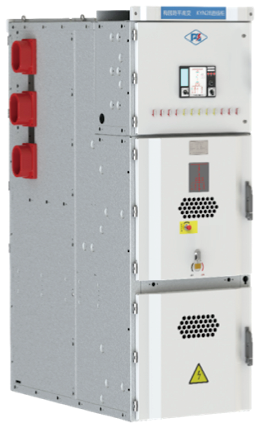

Inductive Power Harvesting Self-Powered Device - Safuneng
SELF ENERGY TECHNOLOGY (SHENZHEN) CO., LTD.

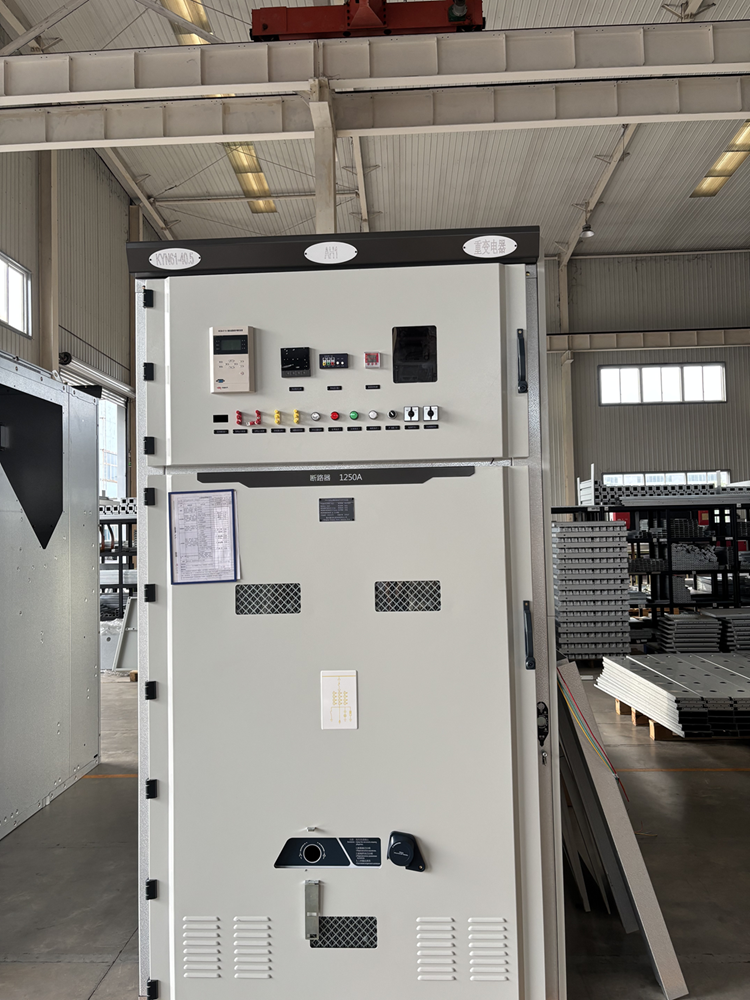
KYN61-40.5 Indoor AC Metal-clad Removable Switchgear
Chongqing Transformer Co., Ltd.