SpaceX Rocket Debris to Strike the Moon Months After Mission
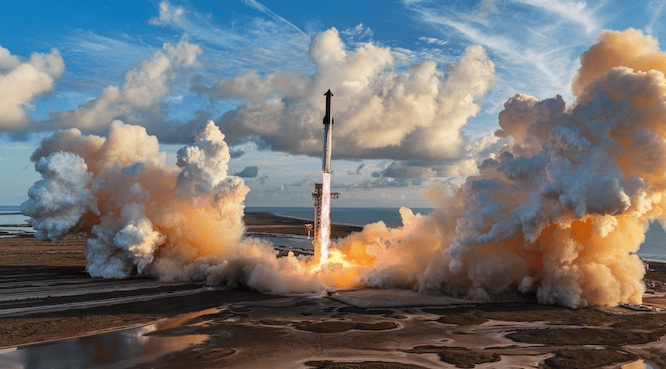
en.Wedoany.com Reported - An upper stage of a SpaceX rocket is expected to impact the lunar surface months after the conclusion of its mission. The rocket launched two lunar landers into space in early 2025, making this debris one of the few objects still under observation at the moment of its collision with the Moon.
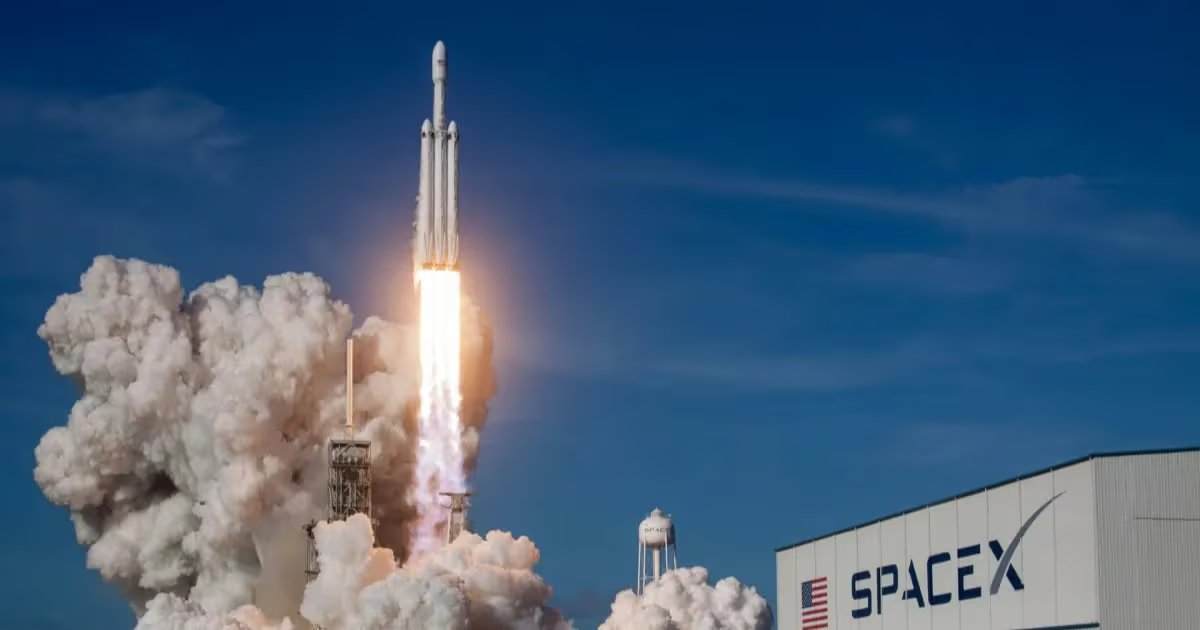
This large piece of rocket debris is expected to strike the Moon at a speed of approximately 5,400 miles per hour (about 8,690 kilometers per hour), roughly seven times the speed of sound. While space debris impacting the Moon is not an urgent issue for most people, scientists and astronomers are closely monitoring the event.
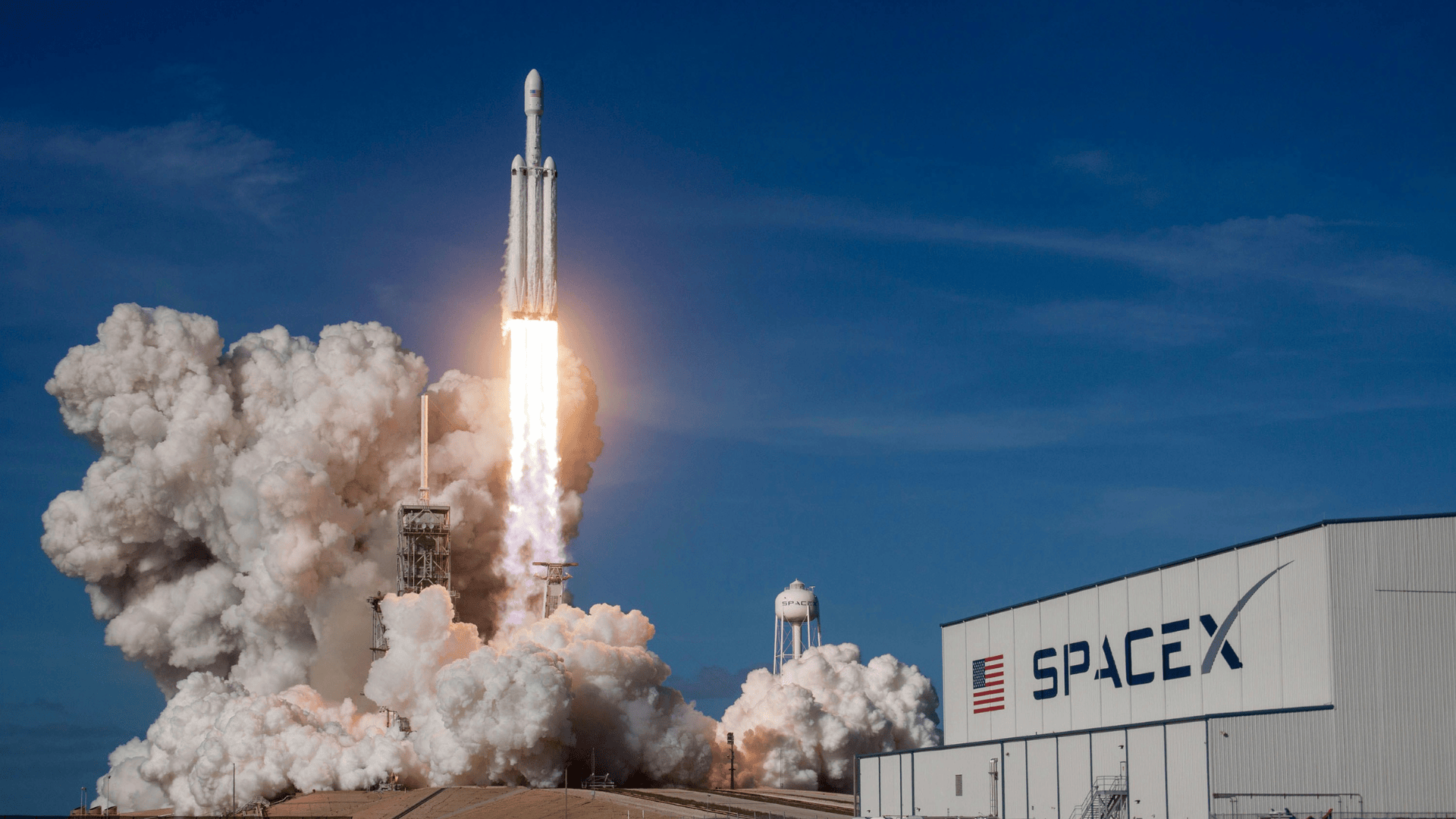
Before and after the impact, NASA's Lunar Reconnaissance Orbiter and South Korea's lunar orbiter Danuri will capture images. Minutes before the final descent begins, Danuri will fly close to the malfunctioning SpaceX rocket.
NASA has previously conducted deliberate impacts on the Moon on multiple occasions. During the Apollo missions in the 1970s, NASA crashed discarded Saturn V rocket components and lunar landers into the Moon for seismic experiments. In 2009, NASA carried out another such impact through the Lunar Crater Observation and Sensing Satellite (LCROSS) mission, in which the probe struck near the Moon's south pole in search of water ice.
This time, researchers are focused on the impact's effects on the lunar surface. The collision energy is expected to be equivalent to about three tons of TNT. Although this energy is considerable, observers on Earth will likely not be able to see the impact directly.
Since the Moon has no wind or atmosphere, material ejected by the impact could extend for miles and be observable with telescopes. Benjamin Fernando of Los Alamos National Laboratory stated that, given the Moon's low gravity and the absence of wind to disperse dust, part of the reason they are paying attention to this event is to understand how hazardous space debris impacts could be to future astronauts.
Currently, the impact of space debris on the Moon is not as severe as on Earth, but the situation could change rapidly. The United States and China are competing to see who can return astronauts to the Moon first after more than half a century. Someday, operators will no longer be able to leave rocket debris in decaying orbits, lest it collide with lunar settlements and data centers. Observations of this impact are the first step in understanding the associated risks.
This event occurs against a backdrop of increasingly active space exploration. Multiple countries and private companies are advancing lunar missions, making space debris in lunar orbit a new issue to guard against. Scientists hope that data obtained from observations will reveal the effects of space debris impacts on the lunar surface, information that is crucial for planning future crewed missions, including the construction of permanent settlements on the Moon.
Researchers will use data from the two orbiters to analyze the impact's effects on the lunar surface. The findings are expected to aid in planning future space missions, particularly those involving astronaut safety and lunar infrastructure.
This event serves as a reminder that space activities carry consequences that require serious consideration. As lunar missions continue to increase, space debris management will become an important aspect of space exploration.
Related Products




"Shunyi 1600" Deep-submerging Bottom-sitting Multi-functional Wind Power Engineering Vessel
Zhengli Offshore Engineering Co., Ltd.


GSR6-27.5kV SF6 Free Gas-insulated Metal-enclosed Switchgear
Zhejiang Juhonkia Intelligent Electric Co., Ltd.

Industrial and Commercial Point-Type Gas Detector
Jinan Benan Technology Development Co., Ltd.


CLW5180TXSD6 Dongfeng Tianjin Washing and Sweeping Truck
ChengLi Special Automobile Co., Ltd.