BYD eMAX7 Philippines Test Drive: Charging Infrastructure Shortcomings Hinder Experience
en.Wedoany.com Reported - The BYD eMAX7 pure electric vehicle completed real-world road testing in the Philippines. This seven-seat family model exceeded expectations in terms of power response, cabin quietness, and practical space, while also exposing how the local charging infrastructure constrains the ownership experience for EV users.
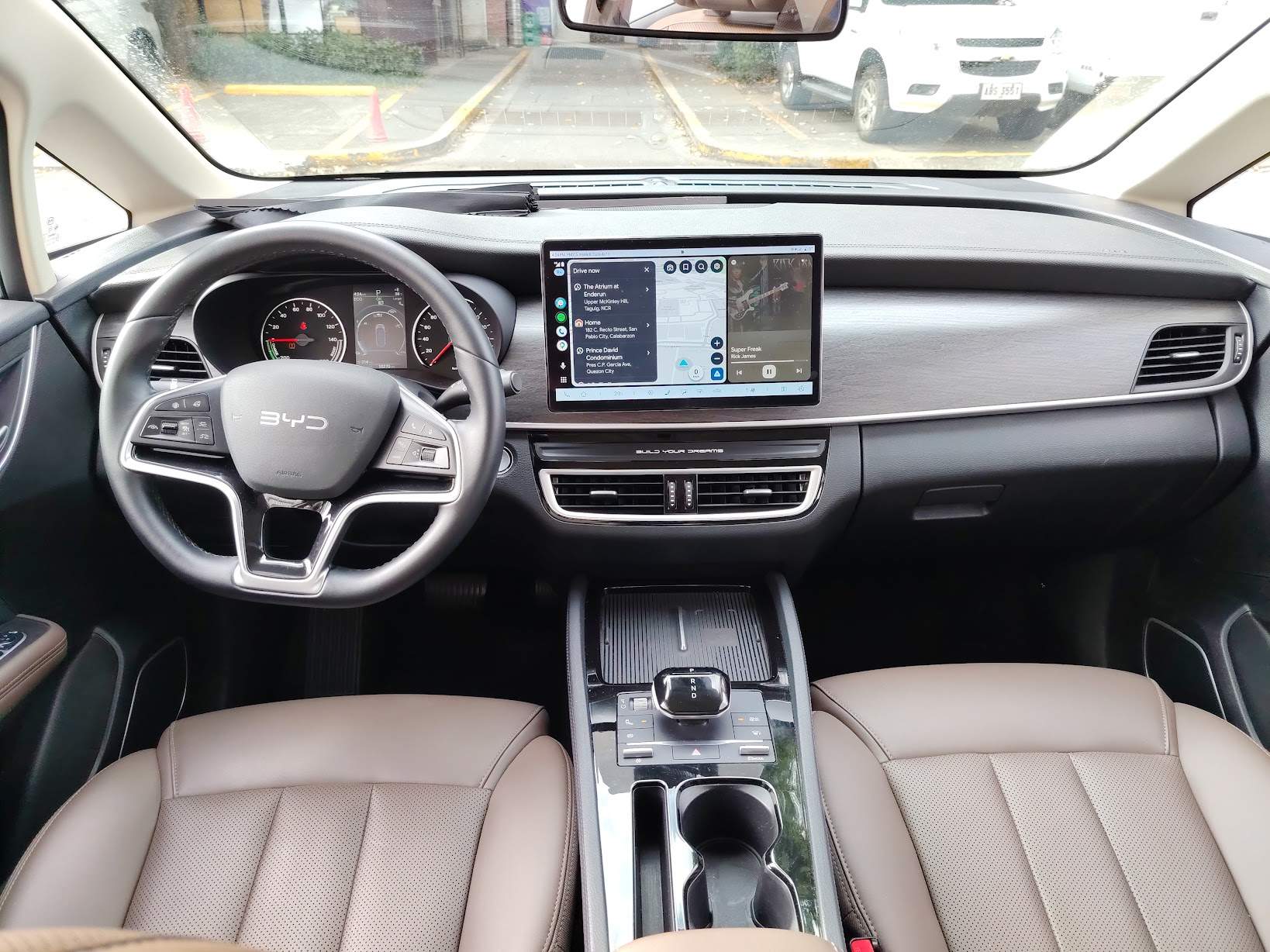
In terms of exterior design, the eMAX7 adopts a conservative and understated styling approach, visually resembling a traditional seven-seat family vehicle without deliberately highlighting its new-energy identity. The interior is equally practicality-oriented, with the front row featuring analog gauges rather than a fully digital instrument cluster. The center console is equipped with a large touchscreen display, and the system's operating logic is similar to that of an Android tablet.
Dynamic performance is the most surprising aspect of this vehicle. Although positioned as a family people-mover, pressing the accelerator pedal deeply triggers instant torque delivery from the electric motor, propelling the car forward quickly in a quiet, linear manner. In Manila's urban traffic, the eMAX7 demonstrates good agility thanks to its compact body and responsive throttle, easily weaving through congested conditions. Once on the Southern Tagalog arterial roads and the Balete Highway, the vehicle maintains a stable driving posture, though the softer suspension tuning and higher body height at highway speeds introduce some body movement. The engineering team has clearly prioritized comfort over handling in their calibration.
Cabin quietness stands out as a major highlight for long-distance driving. With no engine noise, only tire rolling sounds, wind noise, and subtle seat friction remain inside the cabin. This quiet environment significantly reduces driver fatigue on long journeys. The steering system is light in effort, suitable for parking and sharp urban maneuvers, though road feel feedback is relatively vague. The suspension performs well in absorbing vibrations, handling deteriorated road surfaces with composure. When fully loaded with six passengers, the chassis shows no noticeable sagging or bottoming out, indicating that the vehicle has been specifically tuned for the real-world usage conditions of Asian families.
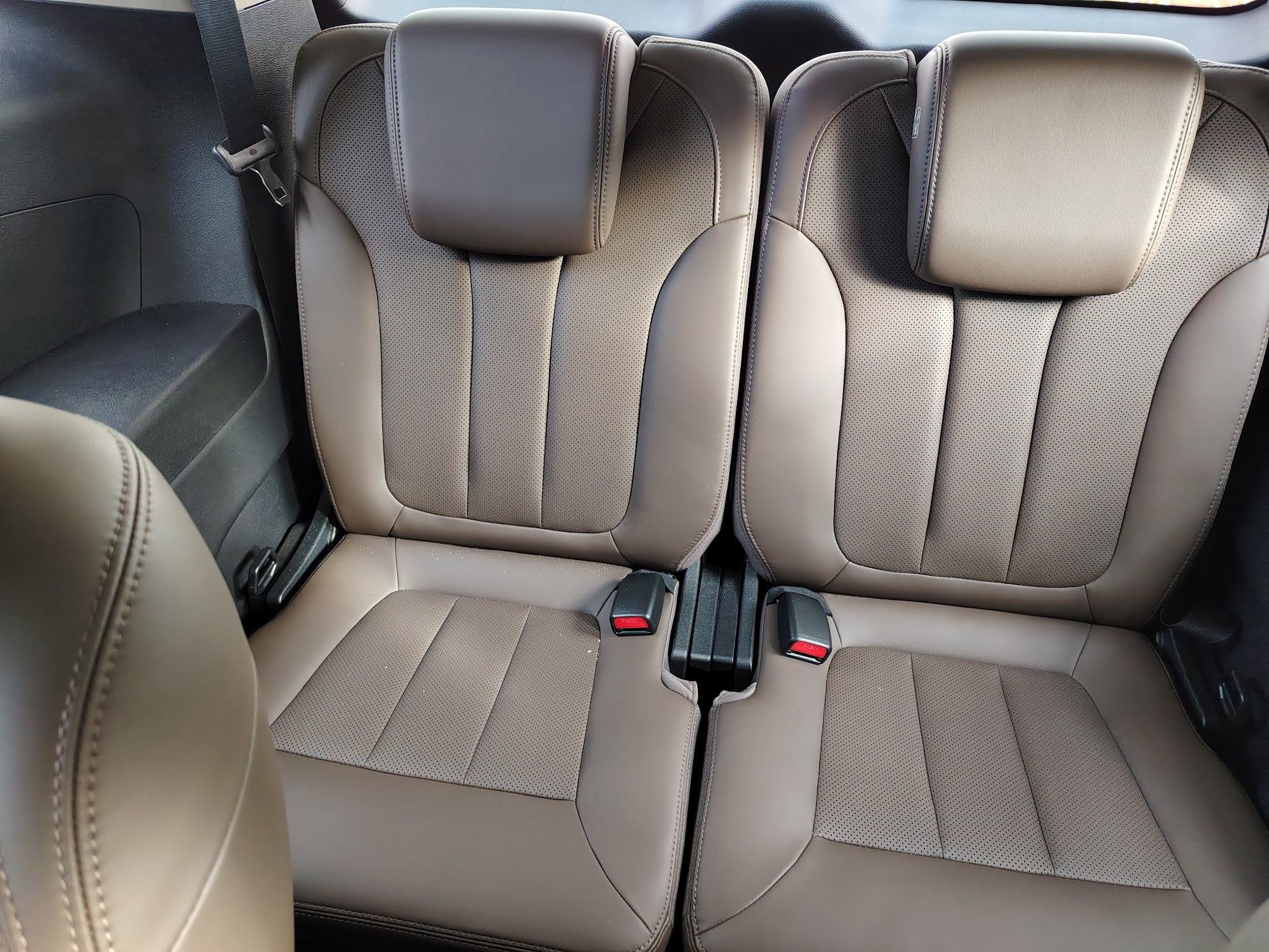
In terms of space layout, the third row of this nominally seven-seat vehicle offers limited actual seating space. The rear bench is better suited for two adults, as seating three would be cramped. The charging aspect, however, reveals the practical realities of the EV environment in the Philippines: public charging stations in the city work smoothly for the most part, but queuing areas are frequently occupied by plug-in hybrid vehicles, which do not rely entirely on public fast-charging facilities. For home charging, the portable charger requires a dedicated 60-amp outlet, and ordinary extension cords cannot meet the requirement. This poses a challenge for older household electrical systems in the Philippines that were built before the EV era.
The BYD eMAX7 delivers a driving experience at the product level that belies its exterior positioning: rapid acceleration response, quiet and stable ride, and a space layout that fits everyday practical needs. For emerging EV markets such as the Philippines, this model gives consumers a glimpse of the real value of electric family vehicles, but the level of charging infrastructure development remains a key factor influencing purchase decisions.
Related Products

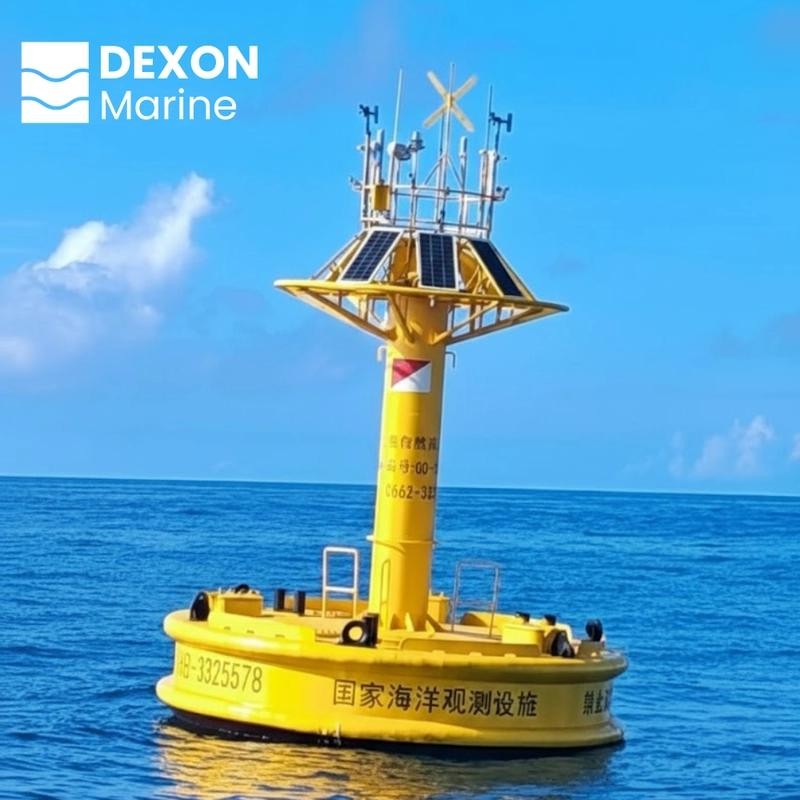
3m intelligent buoy combining navigation safety and real-time marine monitoring integrated navigation and marine monitoring system for real-time maritime data
Chengdu Dixin Technology Co., Ltd.
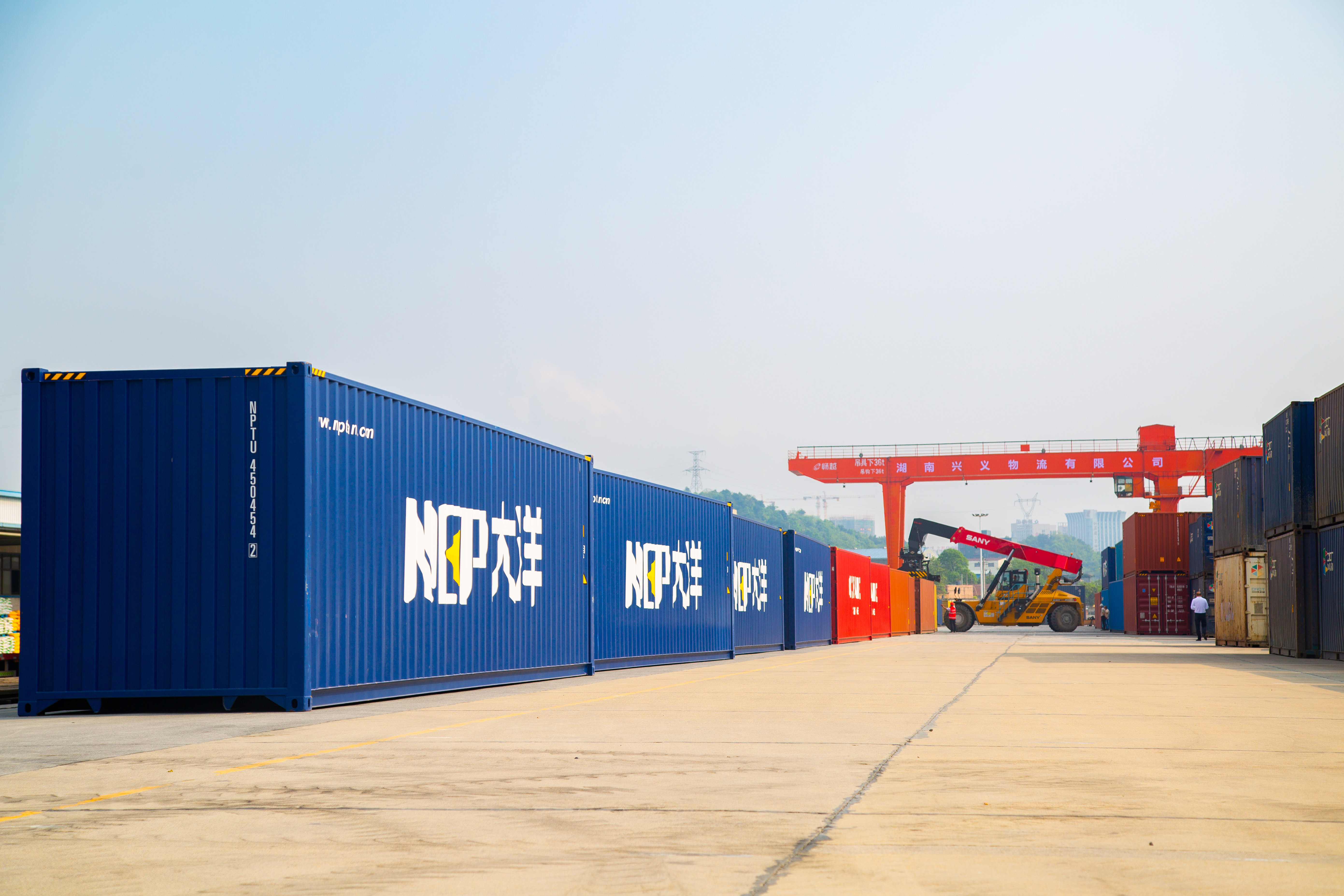
China - Alashankou/Khorgos - Europe Full Range Transportation (Mala/Hamburg/Duisburg/Budapest, etc.)
Shenzhen Neptune Logistics Co., Ltd.
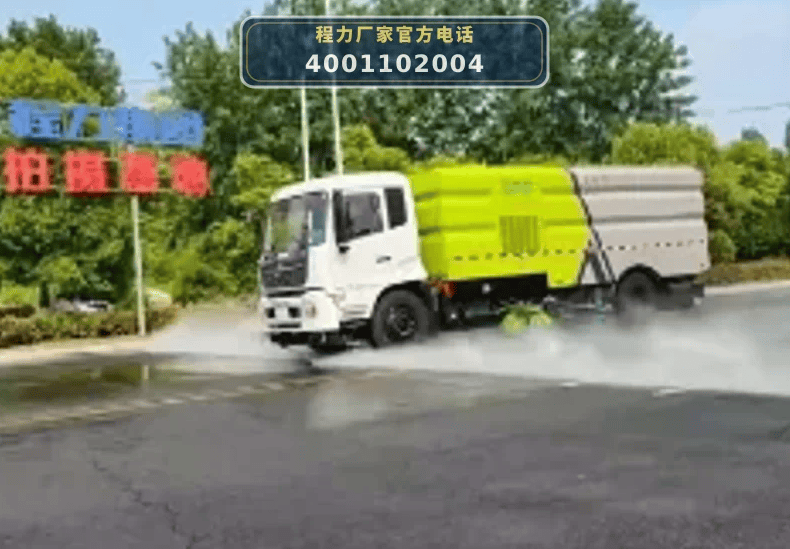
CLW5180TXSD6 Dongfeng Tianjin Washing and Sweeping Truck
ChengLi Special Automobile Co., Ltd.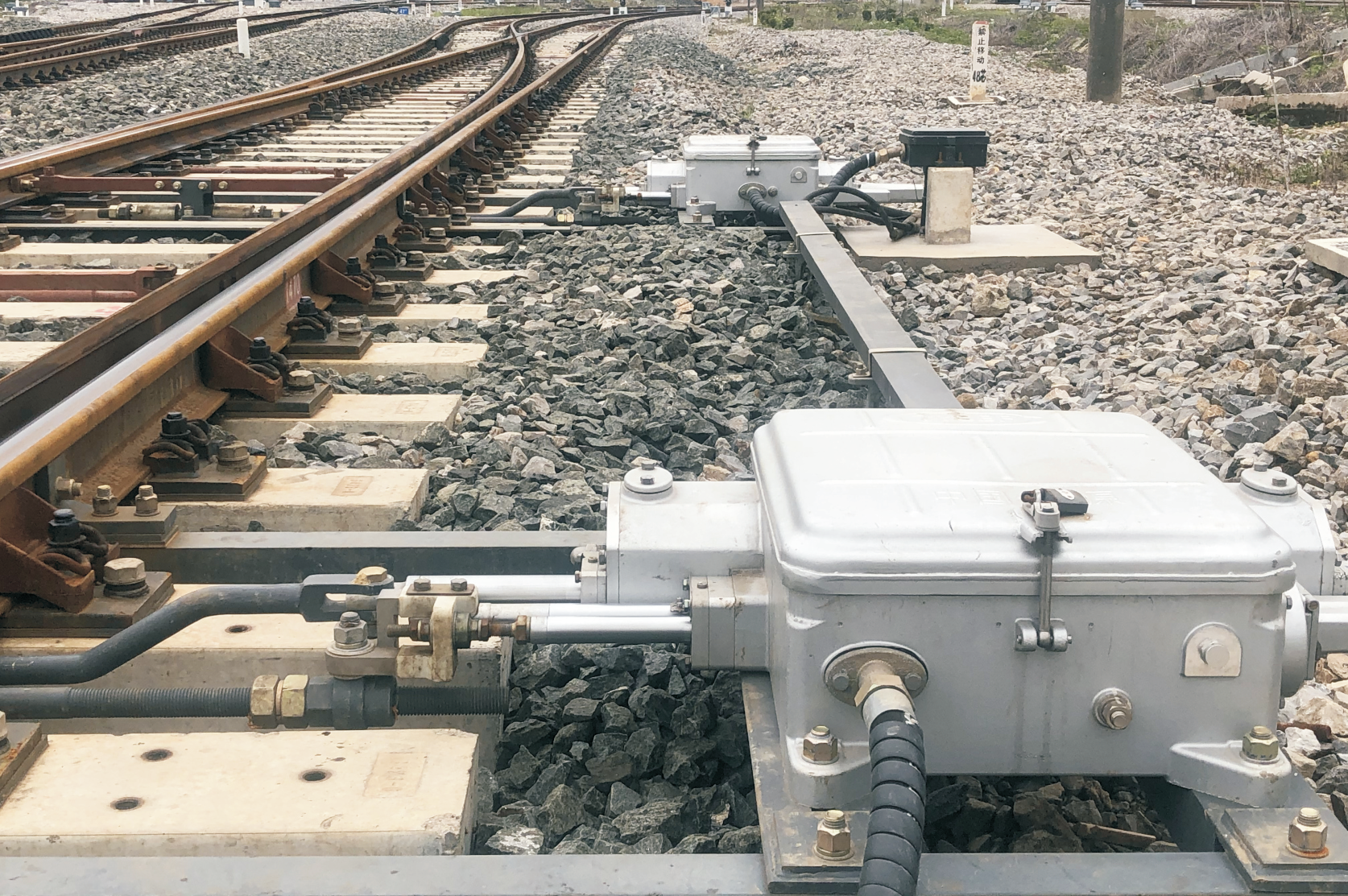
ZY(J)7(M) Sealed Type Electro-Hydraulic Turnout Machine
TAIYUAN CR JINGFENG EQUIPMENT TECHNOLOGY CO., LTD.
GSR6-27.5kV SF6 Free Gas-insulated Metal-enclosed Switchgear
Zhejiang Juhonkia Intelligent Electric Co., Ltd.
Industrial and Commercial Point-Type Gas Detector
Jinan Benan Technology Development Co., Ltd.