European Commission Approves Slovenia's 370MWh Battery Storage Aid Scheme
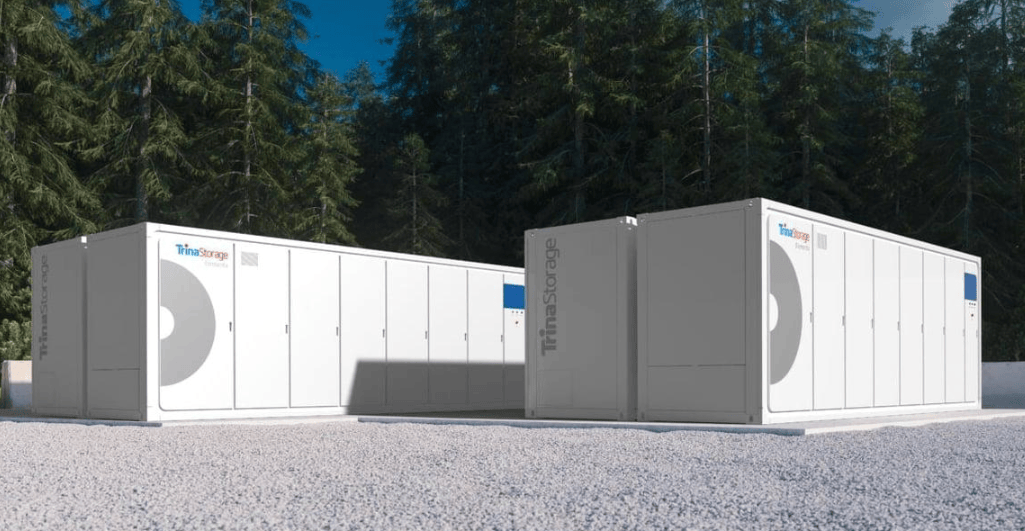
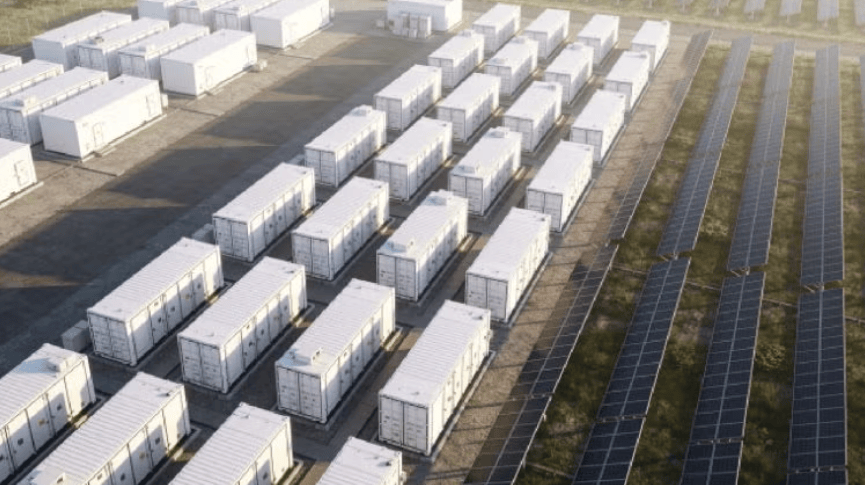
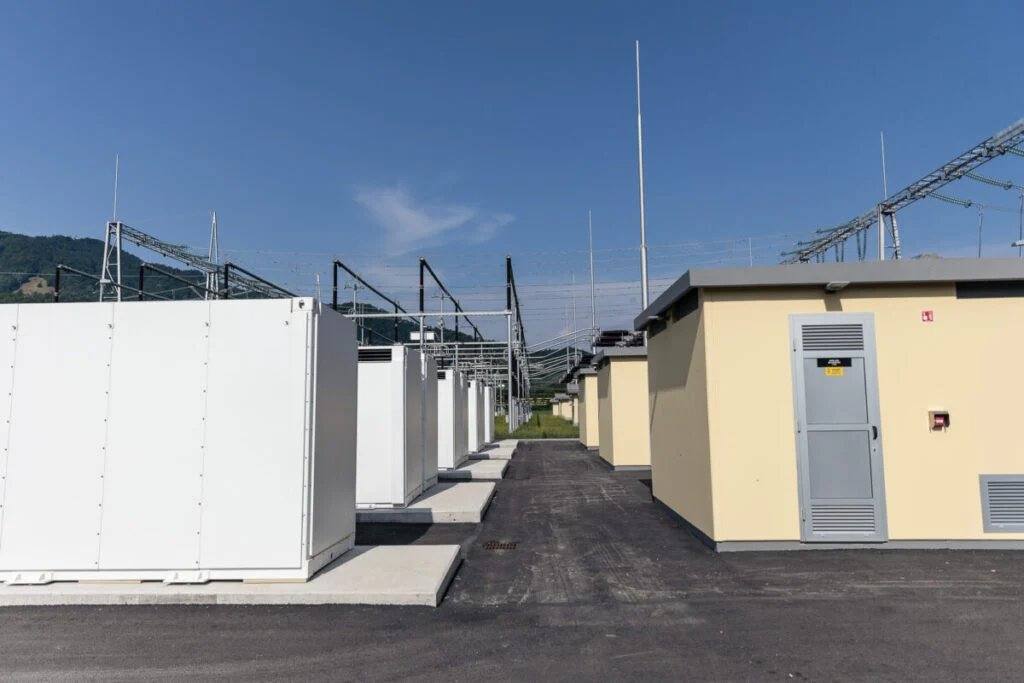
en.Wedoany.com Reported - The European Commission (EC) has approved a €59 million (approximately $68 million) state aid scheme to support the deployment of battery energy storage systems (BESS) with a total capacity of 370MWh in Slovenia. The scheme, announced on July 31, is one of the aid measures approved under the EU's Clean Industrial Deal, aimed at promoting the integration of renewable energy into the grid and ensuring the security of electricity supply.
The Clean Industrial Deal is an industrial action plan launched by the EU in February 2025, intended to drive European industrial growth through decarbonization, with specific measures including reducing energy bills, stimulating demand for low-carbon technologies, supporting domestic manufacturing, and building global partnerships. Following the launch of the Deal, the EU adopted the accompanying Clean Industrial Deal State Aid Framework (CISAF), valid until the end of 2030. This framework allows member states to promote clean energy deployment through subsidies, support electricity bills for energy-intensive users, facilitate industrial decarbonization, and reduce risks for private investment.
Slovenia's aid will take the form of direct grants for the construction of new standalone battery storage assets. The aid amounts are calculated based on each project's investment costs, estimated capacity, and budget, and must comply with the relevant CISAF conditions. The European Commission stated that standalone storage projects will increase the share of renewable energy integrated into Slovenia's grid, thereby "improving the stability, reliability, and efficiency of the electricity network."
Teresa Ribera, the European Commission's Executive Vice President for Clean, Fair and Competitive Transition, stated that greater storage capacity will enable better integration of renewable energy into the power system while helping to safeguard the security of electricity supply in Slovenia.
The project is co-financed by the EU's Just Transition Fund and the ETS Modernisation Fund.
In March this year, Romania also received €150 million in aid under the CISAF to support at least 2,174MWh of new electricity storage facilities, with the project funded by the ETS Modernisation Fund. Under the earlier Temporary Crisis and Transition Framework (TCTF), the EU approved a package in 2024 to support the deployment of energy storage in Lithuania, aimed at mitigating the impact of Russia's invasion of Ukraine on member states; in 2023, Slovenia also received €150 million in TCTF aid for renewable energy and storage. Spain, Czechia, Poland, and other countries have also received similar arrangements.
Industry association Energy Storage Europe (then known as EASE) stated in 2025 that EU state aid frameworks, including the Clean Industrial Deal, are likely to become a significant driver for the deployment of energy storage in Europe in the coming years.
Related Products


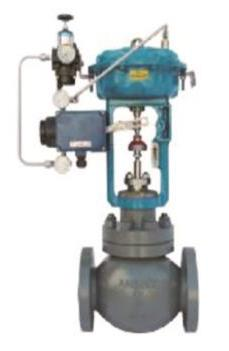
Quick-Change Single-Seat Control Valve / Quick-Change High-Pressure Single-Seat Control Valve
Beijing Consen Automation Technology Co., Ltd.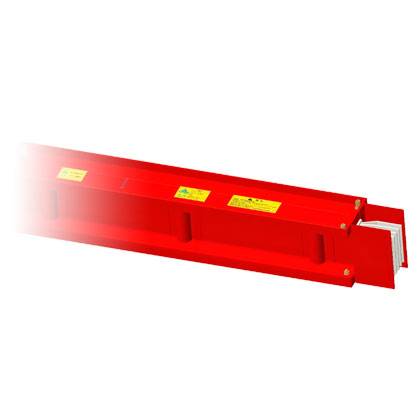
Mineral-insulated Compact Busway (Fire-resistant Busduct)
Zhuhai Guangle Electric Busway Co., Ltd.
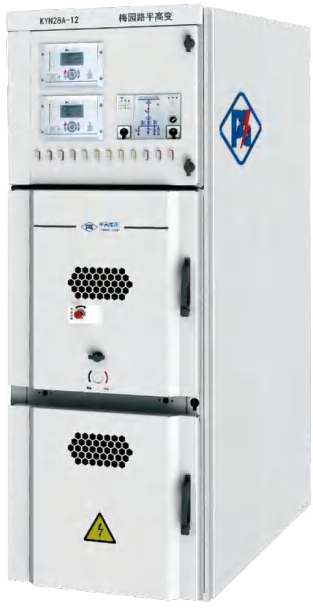
KYN28A-12 Metal Armored Removable Switchgear
Tianjin Ping Gao Intelligent Electric Co., Ltd.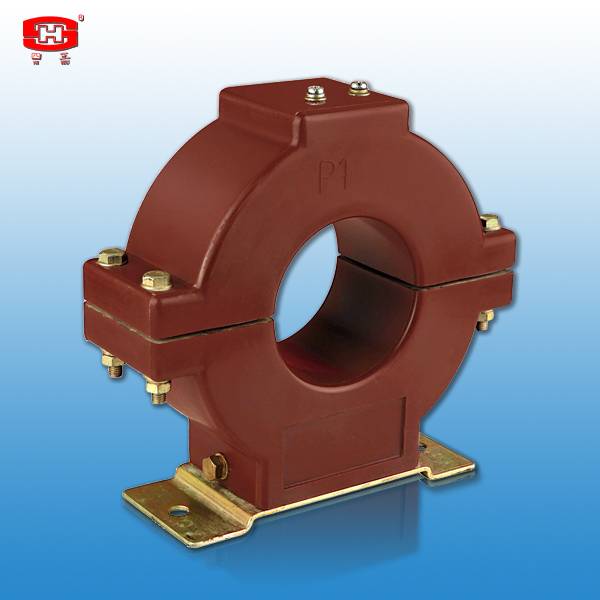
0.66kV Power Supply Instrument Transformer
Guangdong Sihui Instrument Transformer Works Co., Ltd.
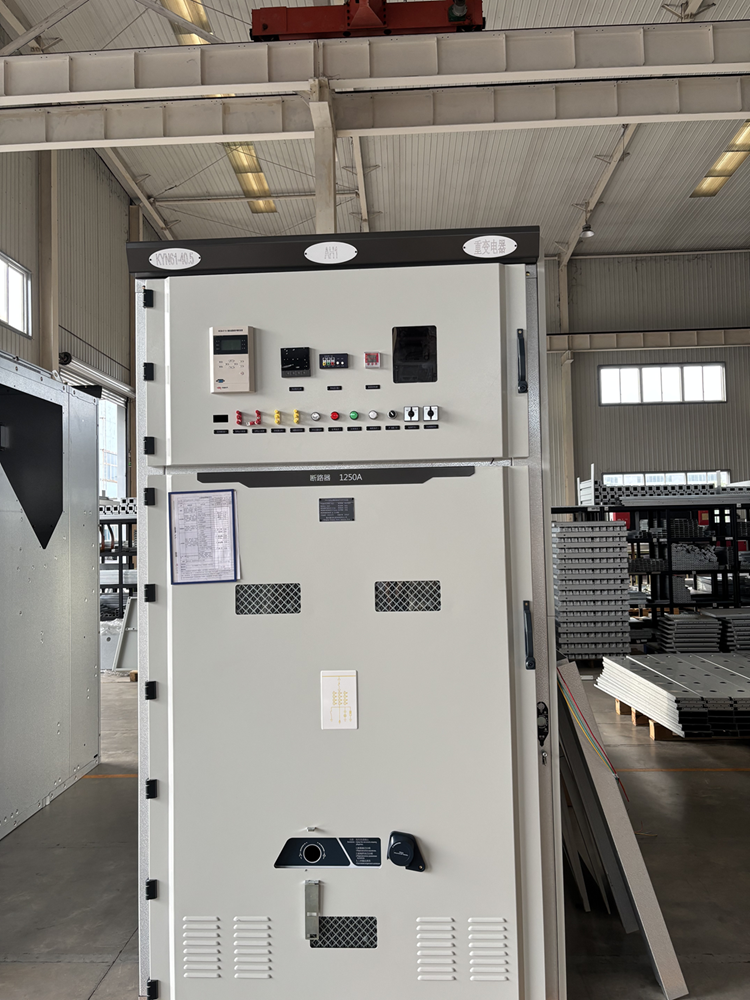
KYN61-40.5 Indoor AC Metal-clad Removable Switchgear
Chongqing Transformer Co., Ltd.